Appeals court upholds President Trump's push to end DEI mandates
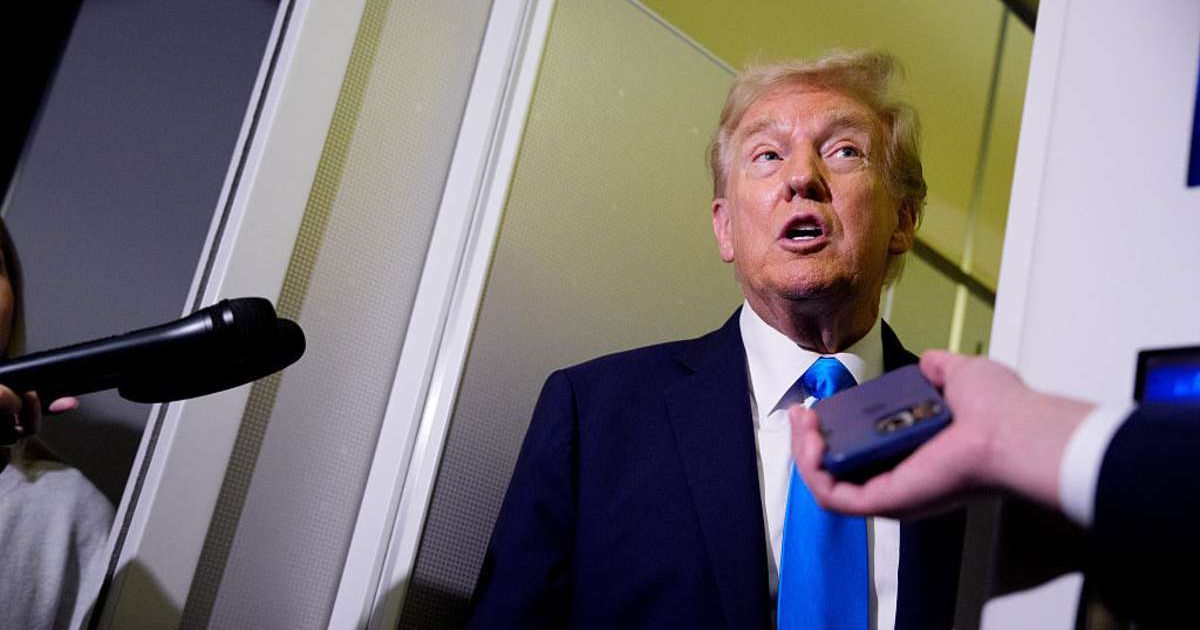
WASHINGTON, DC: A federal appeals court has dealt a blow to efforts to block President Donald Trump's push to eliminate diversity, equity and inclusion programs on Friday, February 6, ruling that his administration can proceed with enforcing executive orders targeting DEI initiatives across federal agencies and government contractors.
The decision marks a significant legal win for the White House and narrows the avenues opponents have to challenge the policy in court.
Judges lift block on Trump's DEI orders
In a ruling issued on Friday, a three-judge panel of the 4th US Circuit Court of Appeals overturned a lower-court injunction that had temporarily halted Trump’s DEI-related executive orders.
The Richmond-based court cleared the way for the administration to continue implementing directives signed shortly after Trump returned to office, aimed at dismantling DEI programming within the federal government and among businesses receiving federal funds.
The panel had previously paused the injunction in March 2025 while it considered the government’s appeal.
🚨 BREAKING — TRUMP VICTORY: A US Appeals court has just VACATED an activist judge’s injunction which HALTED President Trump’s executive order gutting DEI in the federal government
— Nick Sortor (@nicksortor) February 6, 2026
President Trump is now free to fire ANY AND ALL DEI hires which plague the executive branch.… pic.twitter.com/xddGxC7HHS
The injunction was originally issued by US District Judge Adam Abelson in Baltimore, following a lawsuit brought by the city of Baltimore, the National Association of Diversity Officers in Higher Education and the American Association of University Professors.
The plaintiffs argued that Trump’s orders unlawfully directed federal agencies to eliminate DEI programs, required contractors and grant recipients to certify they did not operate such initiatives and instructed agencies to work with the Justice Department to deter and investigate DEI policies in the private sector.
Abelson had ruled that the directives likely violated First Amendment free speech protections and failed to meet Fifth Amendment due process standards.
Appeals court says challenges must be case-specific
Writing for the majority, US Circuit Judge Albert Diaz rejected that reasoning, concluding that Trump’s orders could not be challenged and that any legal challenges would have to focus on how the policies are applied in specific cases.
Diaz, notably an appointee of former Democratic President Barack Obama, emphasized that courts are not empowered to weigh the wisdom of the policy itself.
“President Trump has decided that equity isn’t a priority in his administration and so has directed his subordinates to terminate funding that supports equity-related projects to the maximum extent allowed by law,” Diaz wrote. “Whether that’s sound policy or not isn’t our call.”

“For those disappointed by the outcome, I say this: Follow the law,” he wrote. “Continue your critical work. Keep the faith. And depend on the Constitution, which remains a beacon amid the tumult.”