Democrats face fight over 2028 primary calendar amid 12-state push for early slots
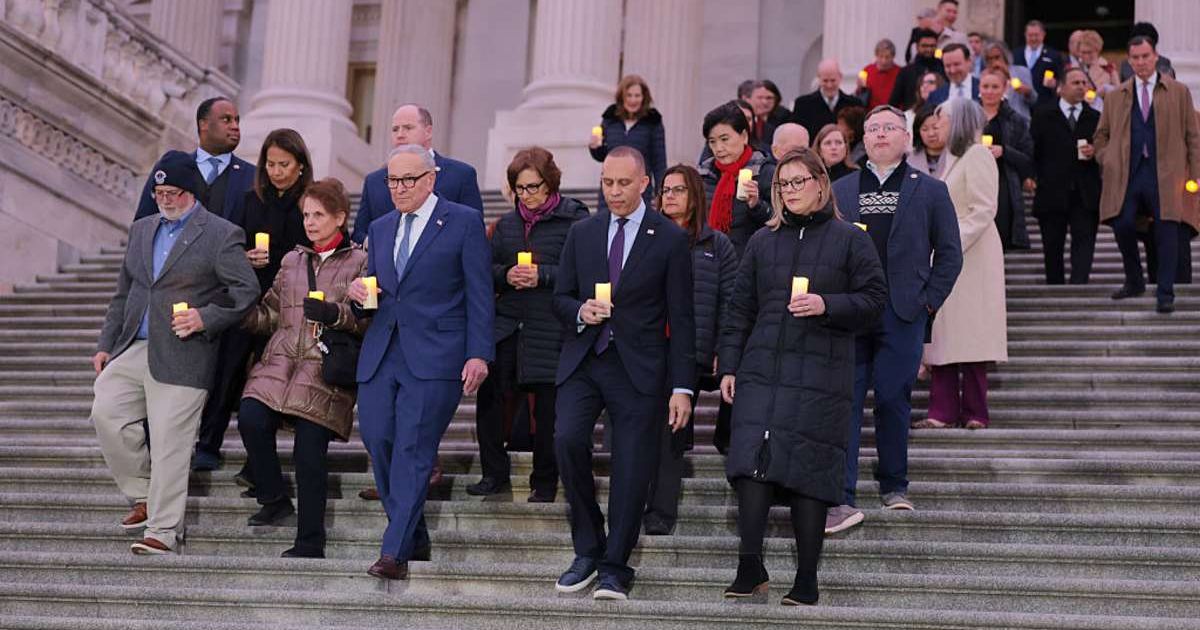
SAN JUAN, PUERTO RICO: The Democratic Party took an initial step toward shaping its 2028 presidential primary calendar on Saturday, voting to allow 12 states to formally present bids to hold early nominating contests.
Party leaders notified the states during a Democratic National Committee meeting in San Juan, Puerto Rico, that all applications submitted earlier this month would advance to the next stage of review. Traditional early states are seeking to maintain their long-held positions, while emerging battlegrounds are aiming to jump ahead, according to an NBC report.
How the early calendar will be set
Democrats plan to choose one state from each of the party’s four regions to hold early contests ahead of Super Tuesday, which is a crucial March voting date that significantly shapes the primary race. Party officials may also add a fifth state from any region to that early window.
Both parties fiercely protect these early slots because of their outsized influence on candidates, media narratives and campaign momentum.
Following a tumultuous 2020 calendar, a contentious dispute over the 2024 schedule and a disappointing presidential election outcome, party leaders, including DNC Chair Ken Martin, have emphasized the need to refresh the nominating process.

Familiar names and new challengers
In the Eastern region, New Hampshire is once again working to maintain its long-standing status as an early primary state, while Delaware has also entered the competition, taking advantage of its association with former President Joe Biden.
In the Midwest, Iowa continues to be a part of the discussion, although it has lost influence following the chaotic Democratic caucuses in 2020. Meanwhile, Michigan held an early primary in 2024 when the nomination process was largely uncontested. Illinois, the home state of former President Barack Obama, has also submitted.
The Southern region is the most competitive, featuring South Carolina, a traditional early test of candidates seeking support from Black voters, alongside Georgia and North Carolina, both crucial battleground states. Tennessee and Virginia are also part of this crowded field. In the West, Nevada, another historic early state with a large Latino electorate, is joined by newcomer New Mexico.
Legal and political hurdles ahead
States like Georgia, North Carolina and Tennessee will require cooperation from Republican lawmakers to change primary dates, as dictated by state law. While GOP leaders could approve changes to enhance their state’s national visibility, they could also obstruct efforts by Democrats.
The divide between the parties has widened in recent years. Republicans continue to support the traditional early primary states of Iowa, New Hampshire, Nevada and South Carolina, while Democrats argue the primary calendar should better reflect the party’s values and prepare nominees for a diverse general electorate.
Security concerns and political tensions were evident during the meeting.
Tensions between Democrats and Republicans were evident during the meeting. Nevada Democratic Party Chair Daniele Monroe-Moreno cautioned states to protect voter files and avoid publicly sharing security details, warning that “Republicans are watching us right now.”
Cristóbal Alex, a committee member from Washington, DC, expressed concerns about how early states would ensure marginalized communities have a strong voice, invoking the Trump administration’s immigration policies during the discussion of Iowa’s bid.
“We know what’s at stake for the country in this next presidential election,” Alex said, pressing states to demonstrate how communities targeted by MAGA politics would be heard.
The 12 states will now make formal presentations to party officials, who will spend the coming months debating the final calendar.
In a statement following the meeting, rules and bylaws committee co-chairs Minyon Moore and James Roosevelt Jr described the process “another crucial step forward” toward selecting a calendar that produces a “strong, battle-tested Democratic nominee” for 2028.