Democrats make major 2028 primary move that could reshape White House race
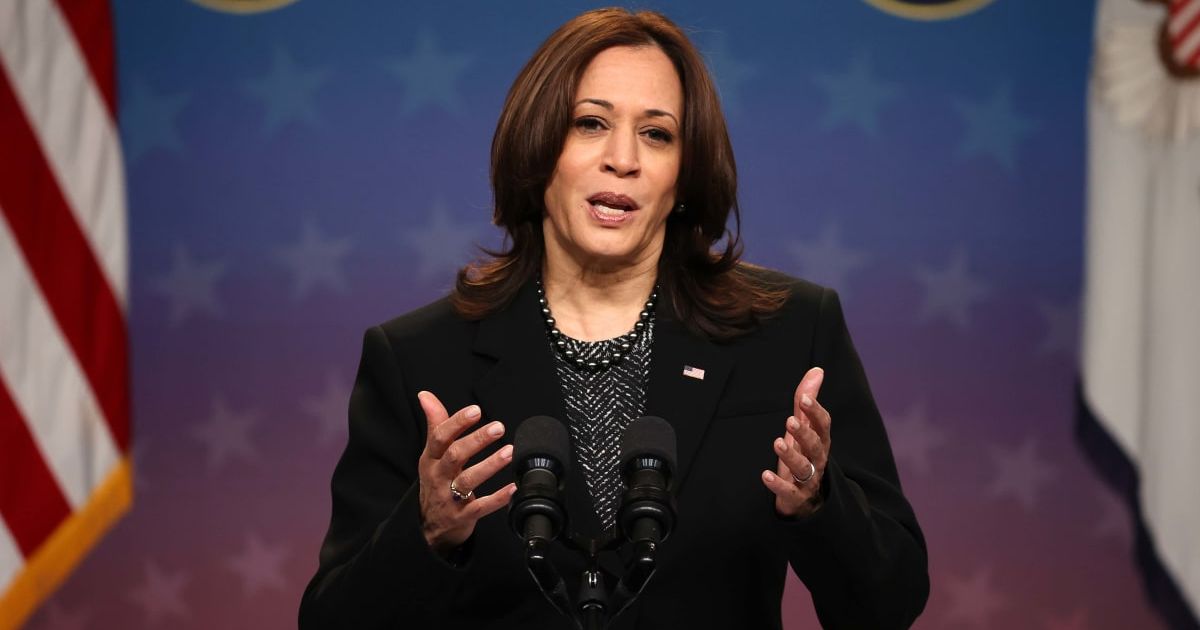
WASHINGTON, DC: The Democratic National Committee took a major step Friday, July 24, toward permanently reshaping the party's presidential nomination process by voting to make South Carolina the first state to hold its presidential primary in 2028.
If approved by the full DNC next month, the move would again sideline Iowa, which for decades opened the presidential nominating calendar, while reducing New Hampshire's once-dominant influence over the race.

The decision continues a transformation first championed by former President Joe Biden, who argued that the party's earliest contests should better reflect the diversity of Democratic voters rather than relying on predominantly White electorates.
The revised calendar is expected to influence how potential White House hopefuls organize their campaigns, spend resources and build early momentum, making the order of states nearly as important as the candidates themselves.
South Carolina keeps top spot
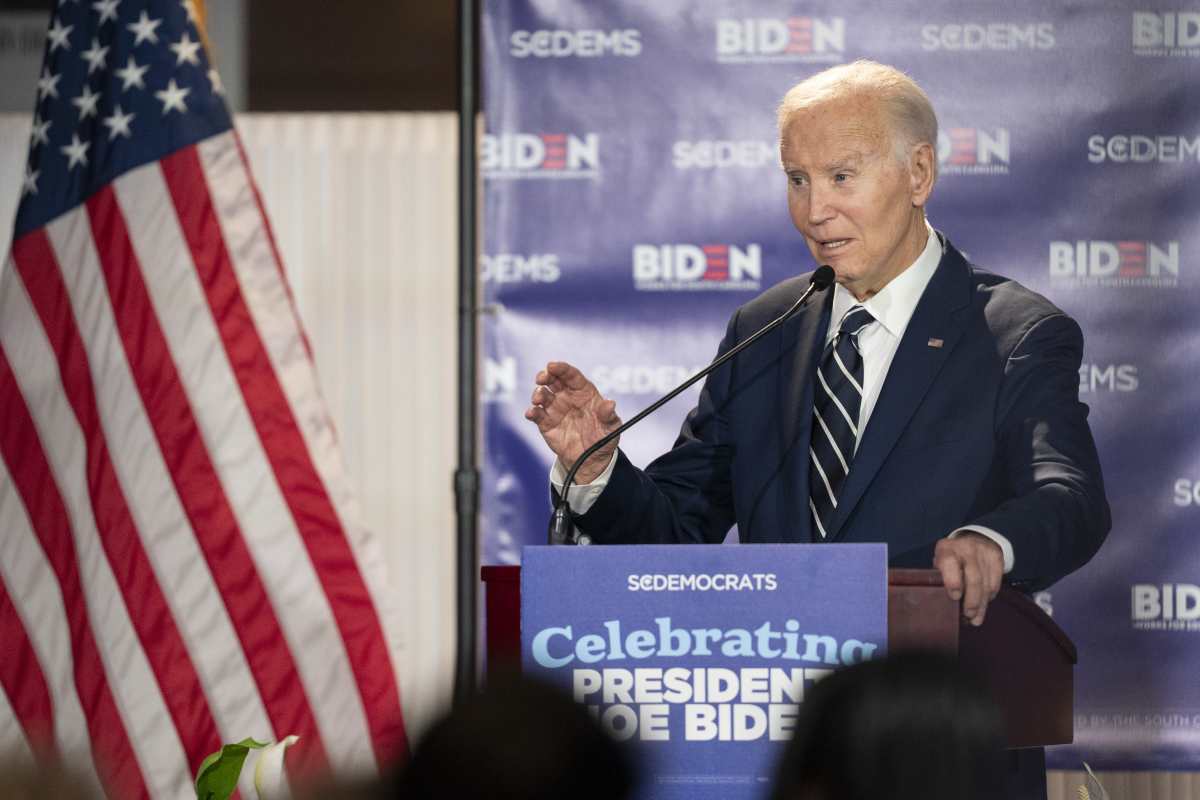
The DNC's Rules and Bylaws Committee voted 26-4 to recommend South Carolina as the first Democratic presidential primary in 2028.
Nevada finished second in the committee's voting, while New Hampshire, which long defended its first-in-the-nation tradition, placed third.
The panel also selected Michigan, New Mexico and Virginia as the remaining early-voting states, with all six scheduled to cast ballots before Super Tuesday.
The proposal now heads to the full Democratic National Committee, where final approval is widely expected next month.
The decision reinforces Democrats' effort to move away from the historic Iowa-New Hampshire model that had defined presidential politics for more than half a century.
Calendar could reshape 2028 race

Early primary states play an outsized role in determining which presidential candidates gain momentum, attract donors and survive the lengthy nomination contest.
South Carolina's Democratic electorate is significantly more diverse than Iowa's or New Hampshire's, particularly because of its large Black voting population.
That demographic shift could reward candidates with stronger appeal among minority voters while forcing campaigns to rethink traditional strategies built around Iowa's caucuses.
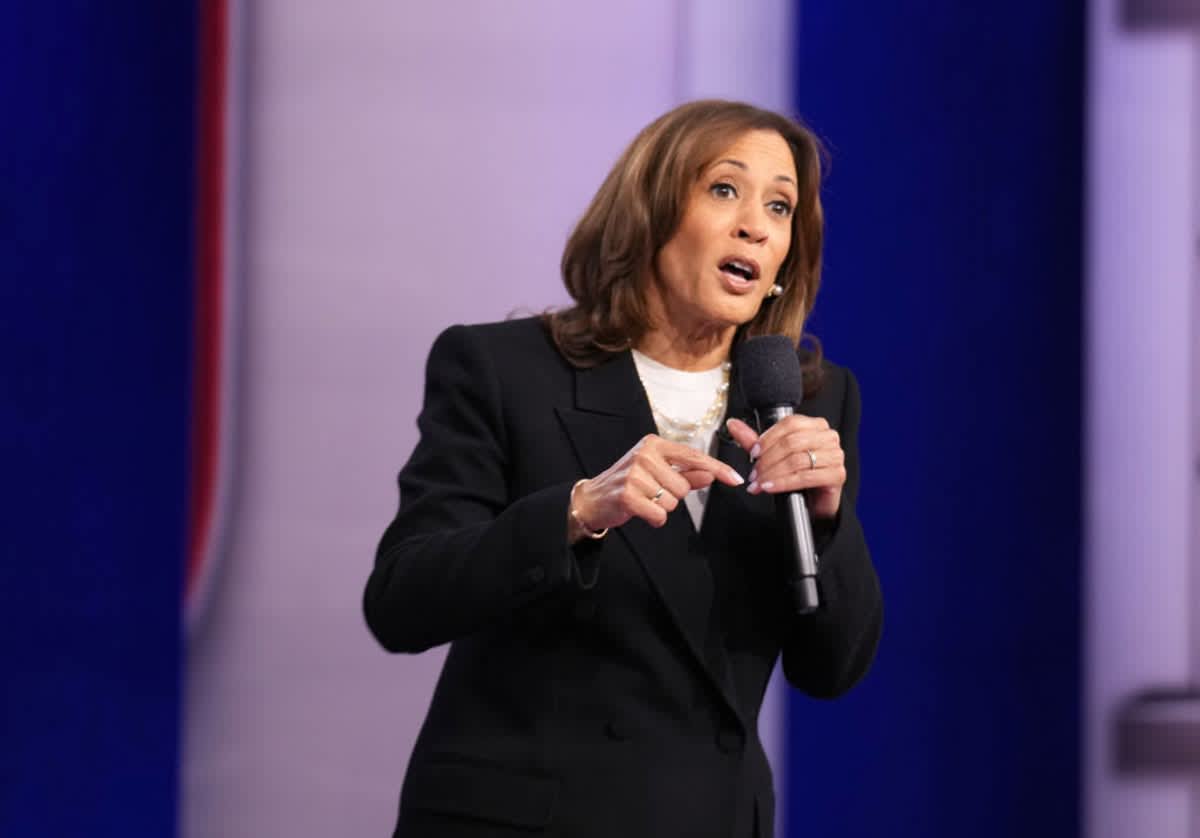
The decision has also prompted discussion about how the calendar might affect potential contenders such as former Vice President Kamala Harris, whose coalition has historically performed well among Black Democratic voters.
However, no official connection has been made between the calendar change and any prospective Harris campaign.
Historic tradition continues fading

For generations, Iowa and New Hampshire were viewed as the gateways to the White House, often determining which candidates emerged as serious contenders.
Biden upended that tradition before the 2024 election, arguing that the Democratic Party's opening contests should better reflect its national coalition.
Friday's vote signals that the party intends to make that change permanent rather than temporary. Republicans, meanwhile, are expected to retain their traditional early-state order beginning with the Iowa caucuses and the New Hampshire primary.