DOJ refuses to unseal more Epstein files, says it has already complied with law
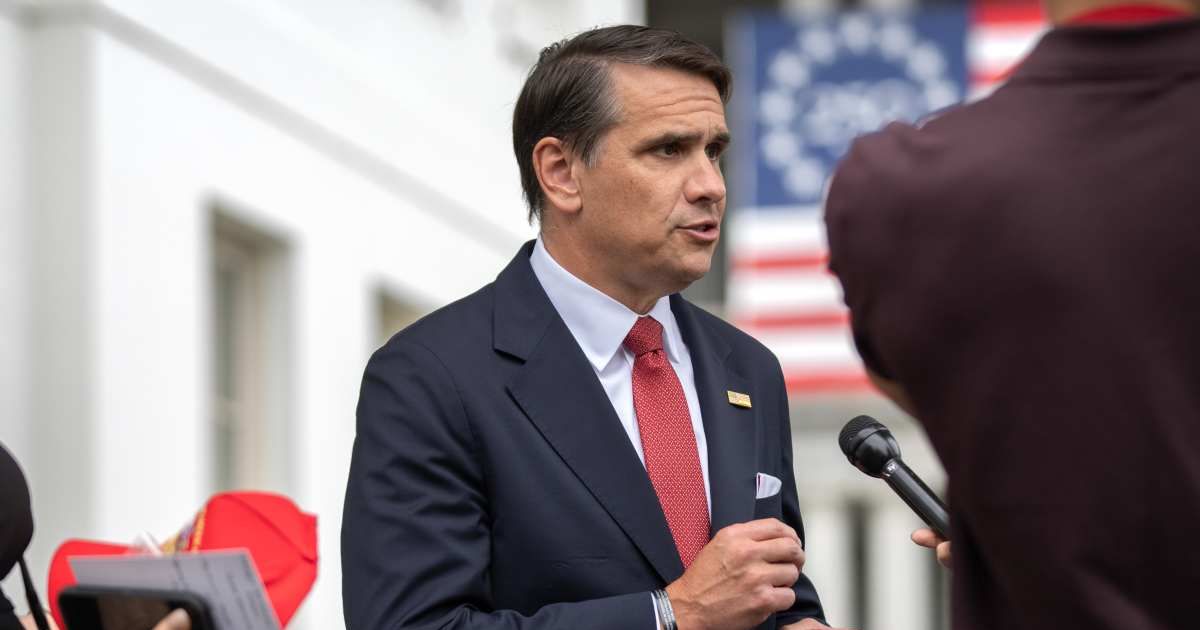
WASHINGTON, DC: The Department of Justice has now refused to release additional records from its investigation into Jeffrey Epstein, telling a federal judge it had already complied with the law.
The response came just hours before a court-imposed deadline to either unseal at least a dozen documents or explain why they could not be released.
The records include email exchanges with Epstein about a purported “torture video” and interviews with a woman who accused President Donald Trump of wrongdoing.
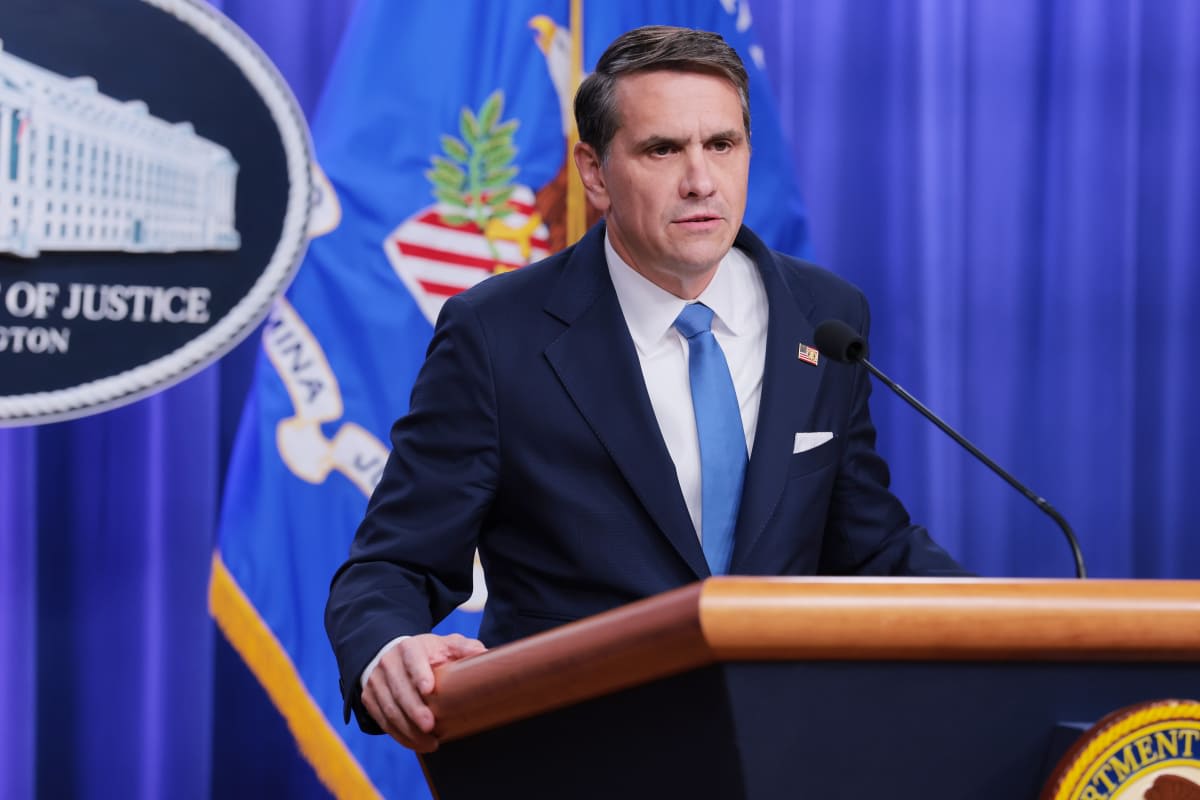
Acting Attorney General Todd Blanche’s attorneys told District Judge Emmet Sullivan that Blanche’s department has “devoted incredible time and resources” to reviewing more than 6 million documents in connection with the Epstein Files Transparency Act (EFTA).
“As will become apparent, it would contravene the settled application of the EFTA for the Department to produce unredacted versions of many of the records at issue, and nothing requires that result,” Associate Attorney General Stanley Woodward wrote.

DOJ cites victim privacy in withholding records
The DOJ argued that the law allows it to withhold or redact records containing victims’ identities or information that could compromise an ongoing federal investigation.
It also said the names of senders and recipients were blacked out in several emails because they identified victims or included private email addresses.
“One of the complicating aspects of administering the EFTA is that many communications written by victims, without context, can appear disturbing on their face,” Stanley Woodward wrote.
“Consistent with that statutory authority, the Department has sought to prevent victim PII from becoming public even in instances where the victims eventually became complicit or engaged in reprehensible activity or communications,” he added.
FBI interview records withheld due to technical issues
As for a set of FBI interview notes, Woodward said those could not be produced because of “technical limitations” in ensuring that handwritten materials are free from private victim information.
The Justice Department argued that it should not be required to release any additional records to the public but said it was willing to provide further details to the judge during closed-door proceedings.
The department also requested a 60-day extension to allow the solicitor general to consider a possible appeal if the court orders further action.
The filing stems from a lawsuit brought by attorney and independent journalist Katie Phang, who alleged that the DOJ violated the transparency law by withholding records.
Acting Attorney General Todd Blanche has repeatedly defended the administration’s handling of the Epstein files despite bipartisan criticism over the rollout.