Explained: Trump's options after Iran's attack in Jordan leaves 2 US soldiers dead
CENTCOM Statement on Recently Fallen, Missing U.S. Service Members
— U.S. Central Command (@CENTCOM) July 18, 2026
TAMPA, Fla. — On July 17, two U.S. service members in Jordan were killed in action as U.S. Central Command (CENTCOM) and partner forces defended against Iranian ballistic missile and drone attacks. Additionally,…
WASHINGTON, DC: Two US service members were killed while defending against Iranian ballistic missile and drone attacks in Jordan, raising fresh questions about how President Donald Trump's administration could respond.
The attack also left one US service member missing and several others injured, according to US Central Command.
While no response has been announced, previous US administrations have used military strikes, economic sanctions, diplomatic pressure, and defensive deployments after similar attacks, offering a guide to the options now available to President Trump.
Iran attack kills 2 US service members
US Central Command (CENTCOM) said on Saturday, July 18, that two US service members were killed while defending against Iranian ballistic missile and drone attacks in Jordan.
One service member remains missing, and officials said the identities of the fallen will be released after their families are notified.
Jordan said it intercepted 10 Iranian missiles overnight. Iranian state media also claimed the Islamic Revolutionary Guard Corps destroyed two US fighter aircraft, a claim that has not been confirmed by US officials.
What options could Trump consider
Military retaliation: The United States has already launched “another round of strikes,” with reports coming in of explosions near Bandar Abbas, Iran. Previous US operations have targeted Iran-backed proxy groups rather than striking inside Iran itself.
Early reports now of another wave of U.S. strikes against Iran, as explosions have been heard in the vicinity of Bandar Abbas, Iran. pic.twitter.com/dNSF9WiS4F
— OSINTdefender (@sentdefender) July 18, 2026
Economic sanctions: Washington has also increased financial pressure on Tehran. On July 14, the Treasury Department expanded sanctions targeting Iran's oil sector, froze $130 million linked to Iran's central bank, and sanctioned more than 50 individuals, companies, and vessels tied to Iranian petroleum exports.
Diplomatic pressure: Diplomatic options appear increasingly limited after Iran rejected Trump's repeated claims that Tehran wanted talks. Foreign Ministry spokesperson Esmaeil Baghaei said Iran "currently has no plans for negotiations and are focused on defence," adding that Tehran no longer considers itself bound by the June 17 memorandum of understanding.
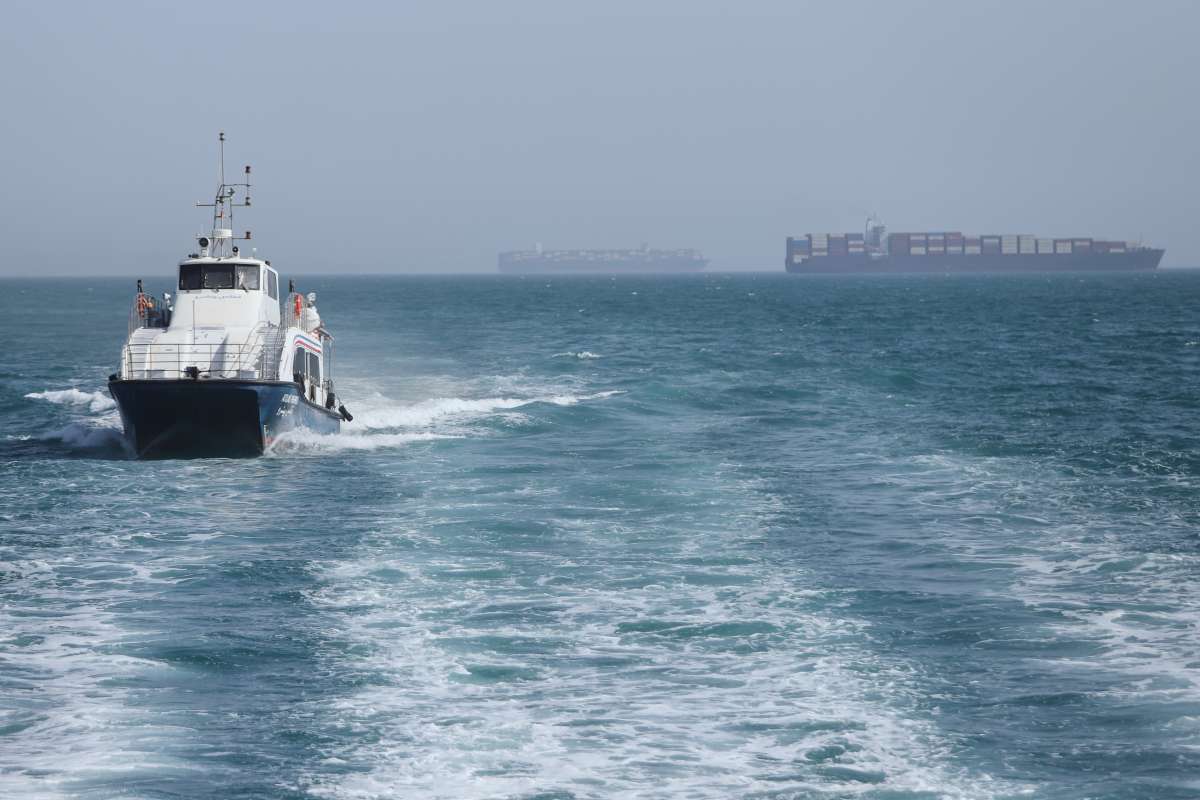
Defensive measures: The administration could also reinforce US positions through additional troop deployments, expanded missile defense systems, or increased naval operations, particularly as tensions remain high around the Strait of Hormuz.
Trump and officials escalate warnings after Iran attack
Trump recently warned that Iran could face broader attacks if it refuses negotiations.
"We're going to knock out all their power plants. We're going to knock out all their bridges unless they get to the table and negotiate," he said in a Fox News interview earlier this week.
🚨 JUST IN: The US military has reportedly caused POWER OUTAGES in Iran today with new strikes and even struck BRIDGES in Bandar Abbas, per multiple reports
— Eric Daugherty (@EricLDaugh) July 16, 2026
They're feeling the panic set in.
Trump is HEATING UP as he moves toward the full power plant and bridge day 🔥
"NEXT… pic.twitter.com/GGlOWyMqPA
Defense Secretary Pete Hegseth also responded after the deaths, writing, "Godspeed, heroes. Their sacrifice only stiffens our resolve."
Godspeed, heroes.
— Pete Hegseth (@PeteHegseth) July 18, 2026
Their sacrifice only stiffens our resolve. https://t.co/GIcfNdAol0
FBI Director Kash Patel also reacted on X, writing, "Praying for our fallen and their families - and for all our heroes."
Praying for our fallen and their families - and for all our heroes https://t.co/SKJ4qUO7g0
— FBI Director Kash Patel (@FBIDirectorKash) July 18, 2026
US previously launched retaliatory strikes after Jordan attack
According to a BBC report, following the January 2024 Tower 22 attack in Jordan that killed three US service members, the Biden administration ordered more than 125 precision strikes on over 85 targets linked to the Islamic Revolutionary Guard Corps Quds Force and affiliated militia groups in Iraq and Syria.
At the time, National Security Council spokesperson John Kirby said the strikes were intended "to degrade and disrupt the capabilities" of Iran-backed groups and added, "We're not looking for a war with Iran."
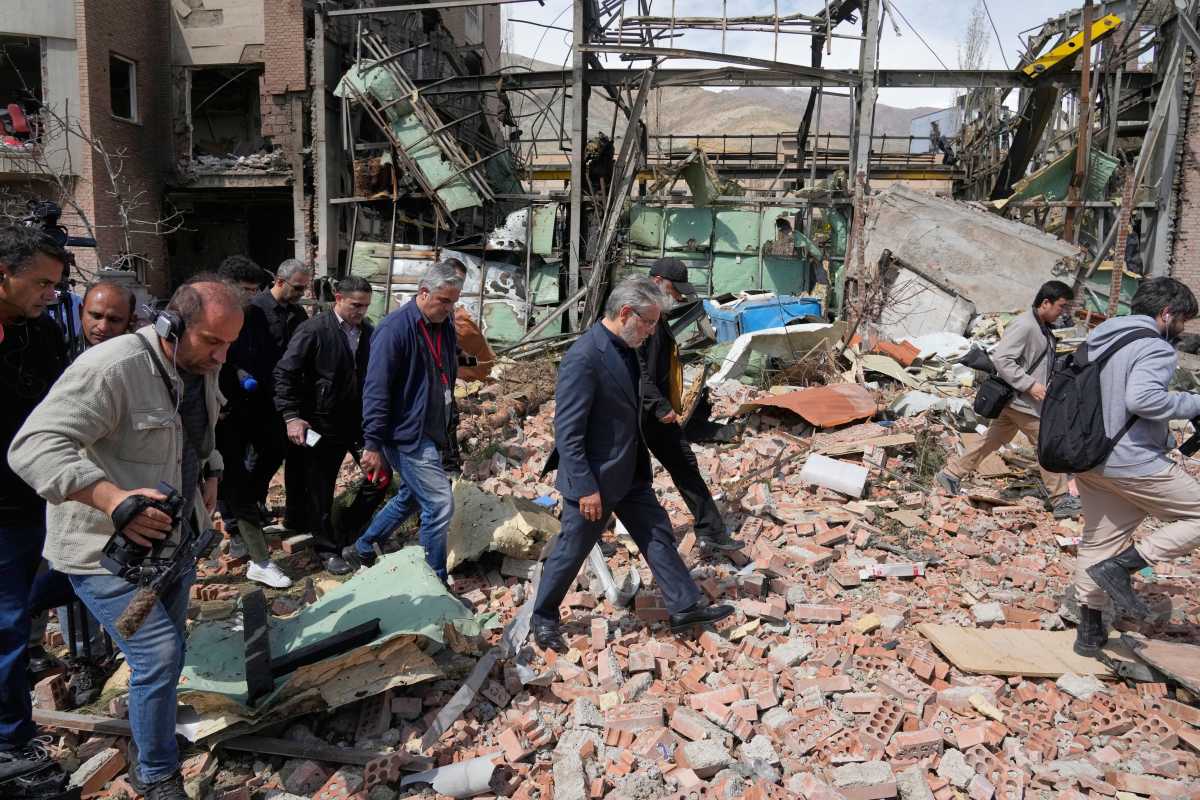
US officials also said additional retaliatory operations were expected after those initial strikes, underscoring that Washington has previously responded with sustained military action following deadly attacks on American forces.
What happens next
The Trump administration has not announced its next response following the attack in Jordan. Fox News reported that "President Trump is probably monitoring this situation from New Jersey, and the US could respond at any moment."