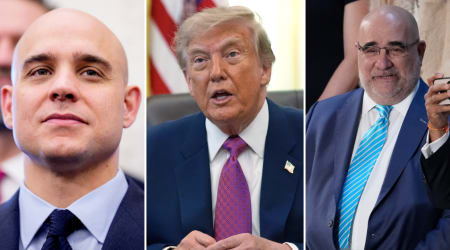
Trump drops 20% Hormuz fee plan, announces 'full blockade' targeting Iranian shipping
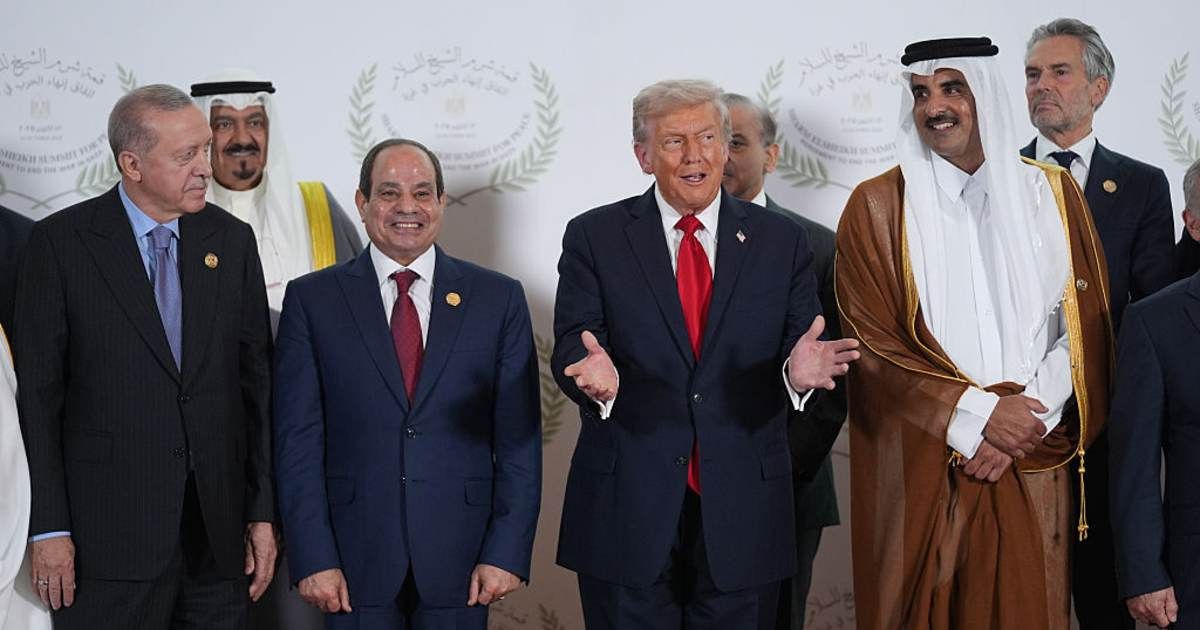
WASHINGTON, DC: President Donald Trump has dramatically reversed course on his plan to charge a 20% reimbursement fee on cargo passing through the Strait of Hormuz, instead declaring what he called a "full blockade" targeting Iranian shipping while saying Gulf nations will compensate the United States through expanded trade and investment agreements.
The announcement, made less than 24 hours after Trump first unveiled the controversial cargo fee proposal, marks a significant shift in his administration's approach to safeguarding one of the world's busiest energy corridors.
Trump:
— Open Source Intel (@Osint613) July 14, 2026
Oil is flowing like never before, thanks to the awesome Power of the United States Military. A special salute to Secretary of War, Pete Hegseth, Chairman of the Joint Chiefs of Staff, Dan Caine, and Commander of the United States Central Command, Admiral Brad Cooper.… pic.twitter.com/5ylaKKPgbc
The Strait of Hormuz carries roughly one-fifth of the world's oil supply, making any change in US policy toward the strategic waterway closely watched by global markets. Trump's latest declaration comes amid heightened tensions with Iran following renewed military confrontations and maritime security concerns.
Trump pivots on Hormuz strategy
In a Truth Social post, Trump said he had decided to abandon the proposed 20% reimbursement fee after what he described as "highly productive conversations" with Middle Eastern leaders.
Instead of charging ships transiting the strait, Trump said Gulf states would compensate Washington through trade and investment agreements.
"I have decided to replace the 20% United States Reimbursement Fee with Trade and Investment Deals that the various Gulf States will be making into the United States," Trump wrote.
He argued the new arrangement would produce record foreign investment while strengthening the American economy through new factories, equipment purchases and job creation.
Trump announces 'full blockade' targeting Iran
While dropping the cargo fee, Trump simultaneously announced a tougher stance against Tehran.
He declared that the Strait of Hormuz would remain open to all international shipping except vessels connected to Iran.
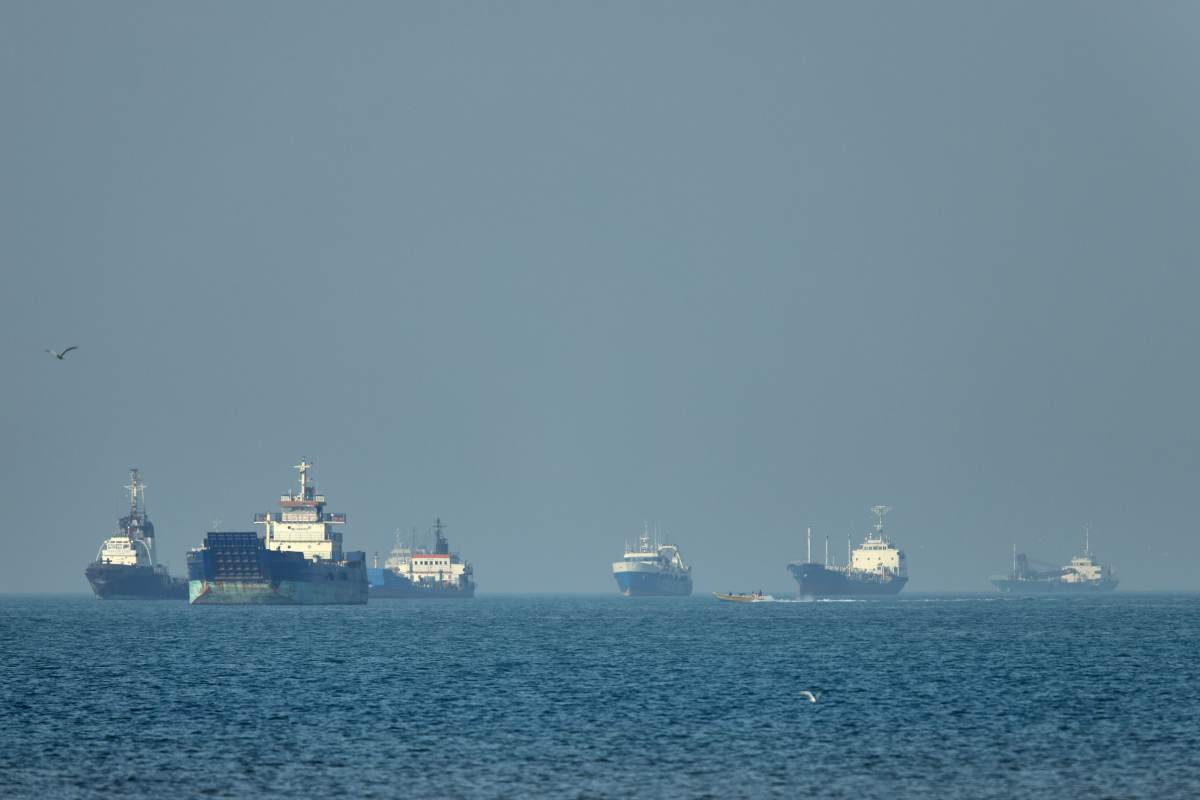
"We will therefore have a FULL Blockade, but only on Ships coming to and from Iranian ports, or carrying anything to do with Iranian cargo," Trump said.
The president credited the US military with ensuring free navigation through the waterway, praising Defense Secretary Pete Hegseth, Joint Chiefs Chairman Gen. Dan Caine and CENTCOM Commander Adm. Brad Cooper for keeping commercial shipping lanes open.
Trump also blamed Iran's leadership for regional instability, arguing its policies had brought "total destruction" to the country.
Investment replaces shipping fees
Trump framed the policy shift as both an economic and national security victory.
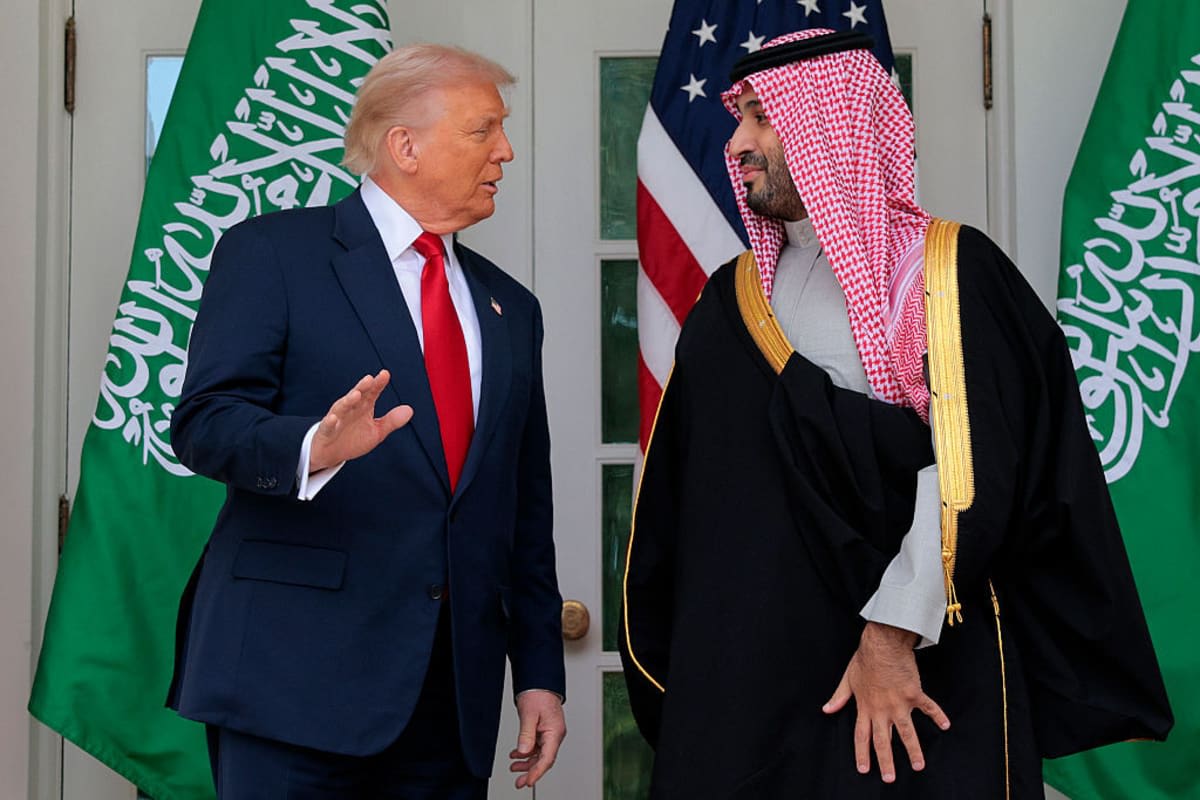
According to the president, increased Gulf investment in the United States would generate greater long-term benefits than collecting reimbursement fees from commercial shipping.
He predicted the agreements would add to what he described as the largest foreign investment inflow in American history while creating millions of high-paying jobs.
The president also reiterated his long-standing position that Iran must never obtain a nuclear weapon, declaring that Tehran's ability to threaten international commerce had been significantly weakened.
Markets await global response

Trump's latest announcement leaves significant questions about how the proposed blockade would be implemented under international maritime law and how US allies and Gulf partners will respond.
While the administration has yet to release operational details, the rapid shift from a worldwide cargo fee to targeted restrictions on Iranian shipping underscores how quickly Washington's Hormuz strategy continues to evolve as tensions in the Middle East remain high.