Explained: What early voting trends are showing as Trump fights to save GOP strongholds
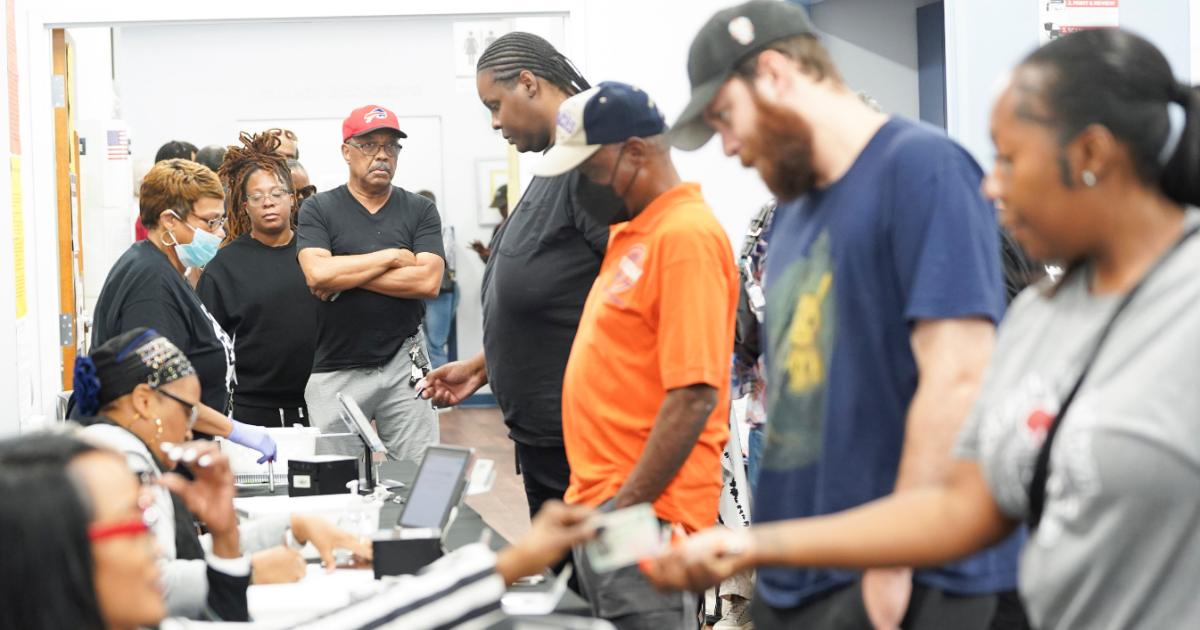
WASHINGTON, DC: The highly awaited political event, not only for the US but for geopolitical observers as well, has begun and is scheduled to conclude in a week, with a week to go until Election Day on November 3.
While the dates for early voting and mail-in ballots vary from state to state, early voting began as early as October 5 in some locations. Other areas will start later in October.
Some states will close early voting before Election Day, while others will allow voters to cast their ballots through November 3.
Except for 19 states, voters across the US can declare their party affiliation when registering to vote.
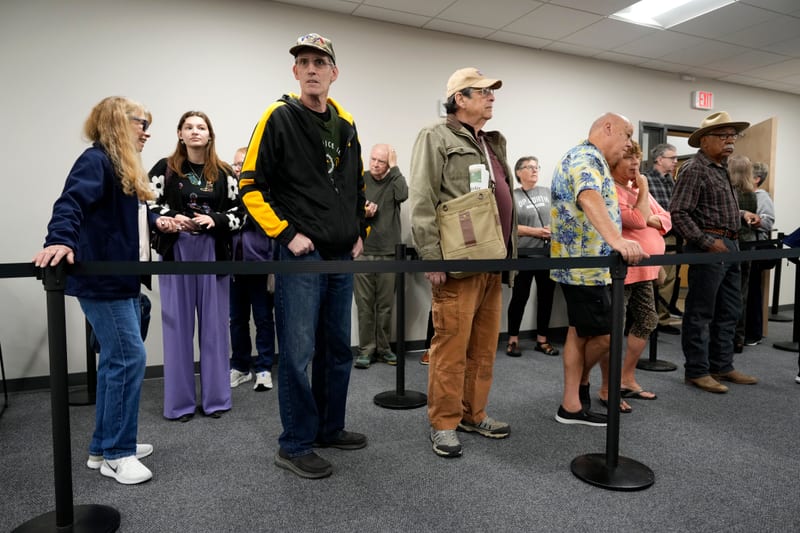
Early voting data offers a glimpse into voting patterns and what they could mean for the midterm elections. Here’s what the numbers reveal.
Early voting turnout soaring in key battleground seats
Seats that are expected to decide control of the US Senate are experiencing high early voter turnout. According to an analysis by The Associated Press (AP) published on October 22, early voting turnout is up by 74% compared to 2022 in Texas.
The situation in other battleground seats is similar. Voter turnout in Kansas has doubled, while in seats like Maine, North Carolina and Ohio, it has increased by about 30% in early in-person and mail voting compared with the same point in 2022.
More than 30 million early votes cast
According to the University of Florida Election Lab, which updates live voter turnout data, a total of 30.26 million early votes have been cast as of Monday, October 26, including in-person and mail-in ballots.
The AP reported that 13 million votes had been cast by October 22, compared with 9 million at the same point in 2022.
Of the total ballots cast, 15.29 million came from in-person early voting, and the rest came by mail. Out of a total of 59.6 million requested ballots across the country, 14.9 million mail-in ballots have been returned.
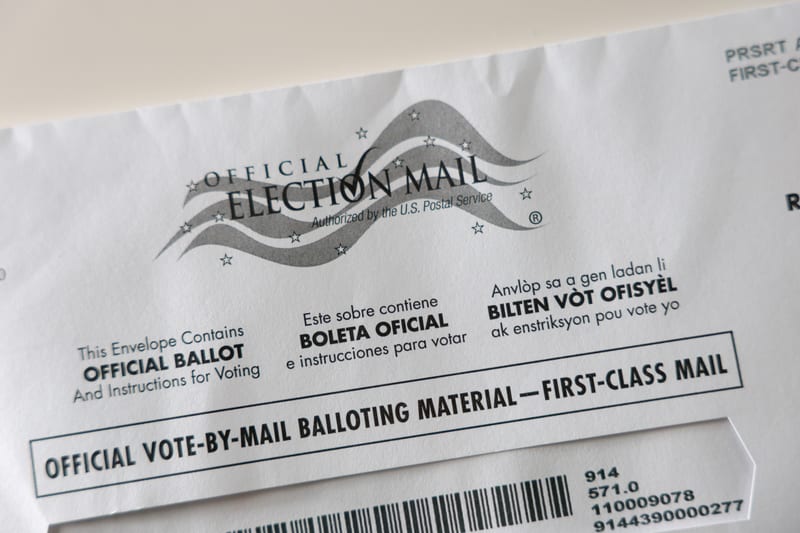
This also makes a case for mail-in ballot popularity, as mail ballot requests are up from 52 million in 2022.
Democrats lead in early ballots
Registered Democrats account for 45% of early ballots cast, compared with 30% from Republicans. These figures track returned ballots, not which candidate voters have chosen.
The gap is particularly large in North Carolina, Kansas and Iowa, all traditionally Republican states.
But strategists are concerned that the growing gap could point to a “red undertow,” with some GOP voters staying home because of frustration over high gas prices, the Iran conflict and Trump’s sweeping tariffs.
What is the situation in Trump stronghold seats
Midterm elections usually favor the party out of power and turnout this year is being driven in part by public frustration over key issues, including Donald Trump’s handling of the economy, the rising cost of living and his unpopular war with Iran.
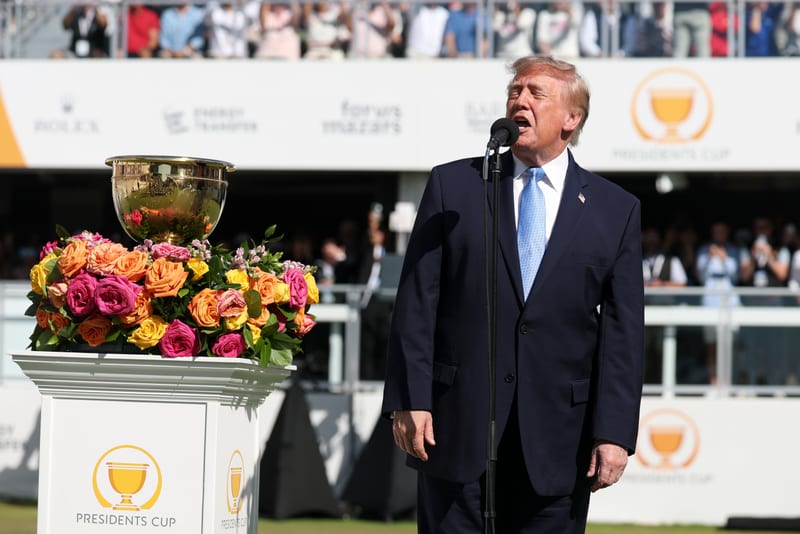
This backlash, along with Trump’s low approval ratings, has left Republicans fighting to defend seats in areas where Trump won by large margins just two years ago.
Several of the Midwest’s 12 states, most of them Republican strongholds or swing states, have become competitive.
North Dakota, South Dakota, Nebraska, Kansas, Iowa, Indiana and Missouri generally lean or vote reliably Republican in statewide and federal races.
Besides, Idaho, Kentucky, and Oklahoma are counted as deep-red states.
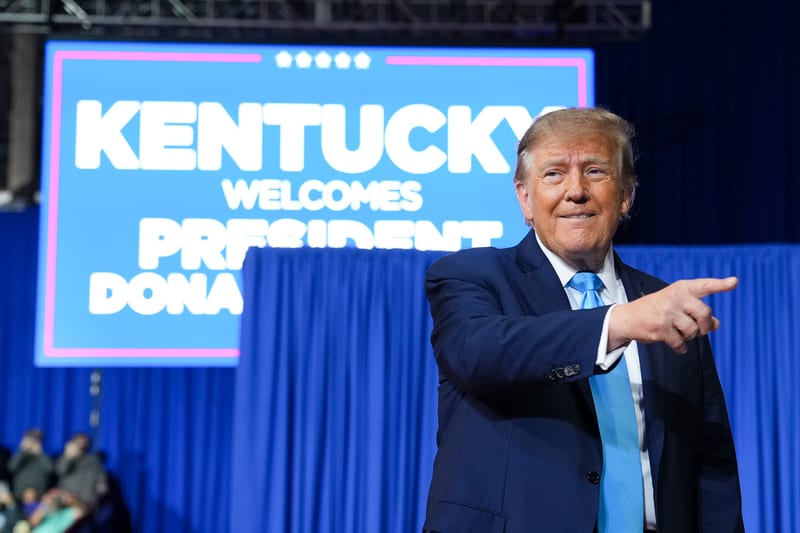
Here’s what early voting trends in deep-red seats reflect:
In deep-red Kansas, registered Democrats account for 46.9% of ballots cast, while Republicans account for 39% of early voters.
In Kentucky, Democrats make up 52% of the early ballots cast, compared with 39% for Republicans.
In Oklahoma, Republicans have a slight edge, accounting for 45% of early voters, while Democrats account for 42.6%
In Nebraska, the numbers are almost evenly split, with Democrats accounting for 41% of early voters and Republicans 42%
In Idaho, the picture is very different from the other deep-red states. Republicans account for 60% of early voters, compared with just 20% for Democrats.
Still, the early numbers come with a caveat. Republicans have been more likely to vote in person on Election Day. So the gap could narrow once those ballots are counted on November 3.