Midterm 2026: The issue that could decide each key Senate race
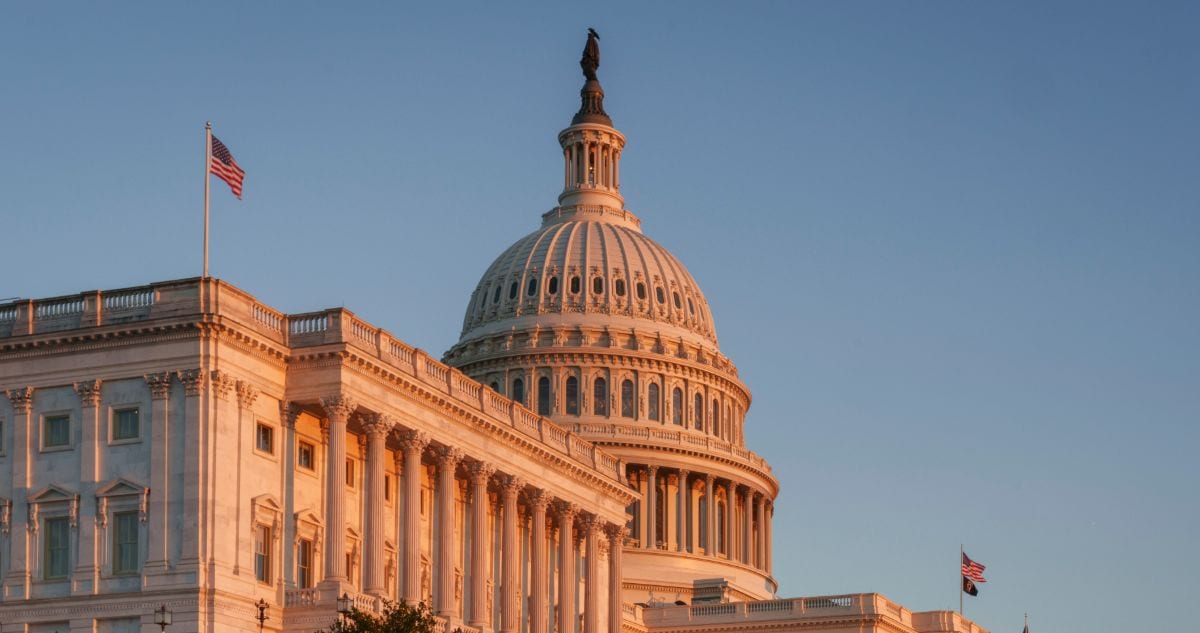
WASHINGTON, DC: Republicans currently hold a 53-47 majority in the Senate, making the 2026 midterms a crucial test of the party's ability to retain control of the chamber. As of October 21, Forbes reported Democrats leading in at least four of seven toss-up races. President Donald Trump’s approval rating stood at 38%, according to the Silver Bulletin average.
With Election Day set for November 3, the Senate contests have increasingly centered on issues that matter to voters, from rising living costs and health care to the Iran war and Trump's influence. While each state has its own political concerns, these issues are shaping the candidates' campaigns and highlighting the stakes of the battle for Senate control.
Maine: Susan Collins faces questions over her ties to Trump
Trump's influence dominated the debates between Republican Sen. Susan Collins and Democratic challenger Troy Jackson. During their first hour-long debate, Jackson mentioned Trump more than 20 times, repeatedly trying to tie Collins to the president's agenda.
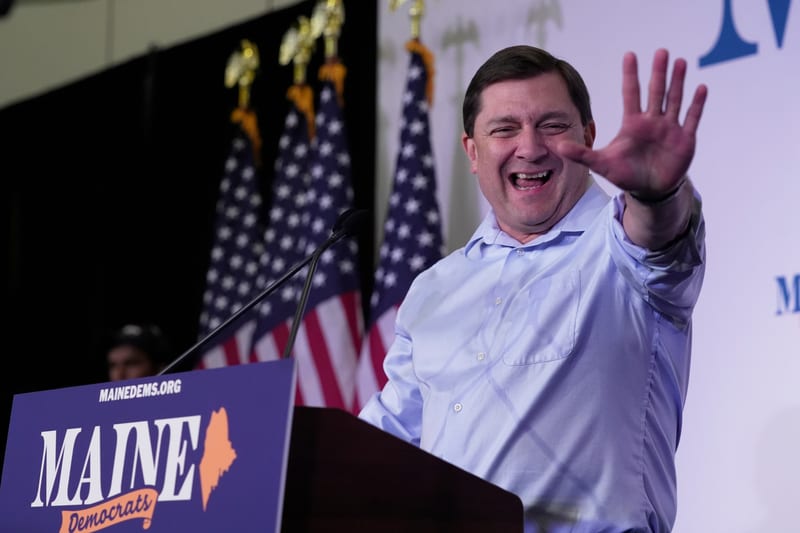
Collins pushed back, saying she had voted against Trump's positions more often than she had opposed former President Joe Biden's. She also highlighted her disagreements with Trump over tariffs, immigration enforcement and the war in Iran. The candidates clashed over Immigration and Customs Enforcement (ICE), with Jackson calling for its abolition and Collins arguing that it needed reform.
By their final debate, Jackson accused Collins of backing Trump whenever he asked, calling her occasional opposition "managed" resistance, suggesting it was more of a show than genuine opposition.
Voters have also expressed concerns about Collins' relationship with the president. An August Fox News poll found that 55% of Mainers worried about how often she sided with Trump.
Trump has sent mixed signals about Collins. Although he once called her "not my favorite person," he endorsed her reelection bid. He also said he planned to visit Maine, though no visit was on the calendar. Meanwhile, Newsweek reported that his administration agreed to release 315,000 barrels of home heating oil, a move Collins announced midweek.
DISGUSTING: Socialist slob Troy Jackson appears to burp into the microphone during debate against Susan Collins. https://t.co/WbFdUVF4Xy
— Townhall.com (@townhallcom) October 14, 2026
A recent Suffolk poll showed Jackson leading Collins 49% to 47%. Maine's ranked-choice voting system could delay the final result if neither candidate secures the required support in the initial count.
Michigan: The Iran war puts the economy in focus
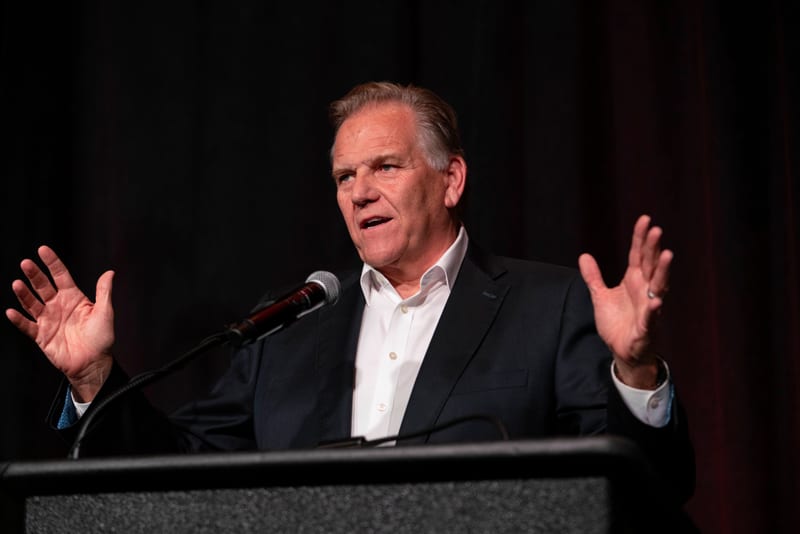
During their final debate on October 21, Abdul El-Sayed blamed high prices on the Iran war and pushed for a War Powers Resolution. Republican Mike Rogers also called for an end to the conflict but warned that gas prices could rise if Iran gained control of the Strait of Hormuz or developed a nuclear weapon.
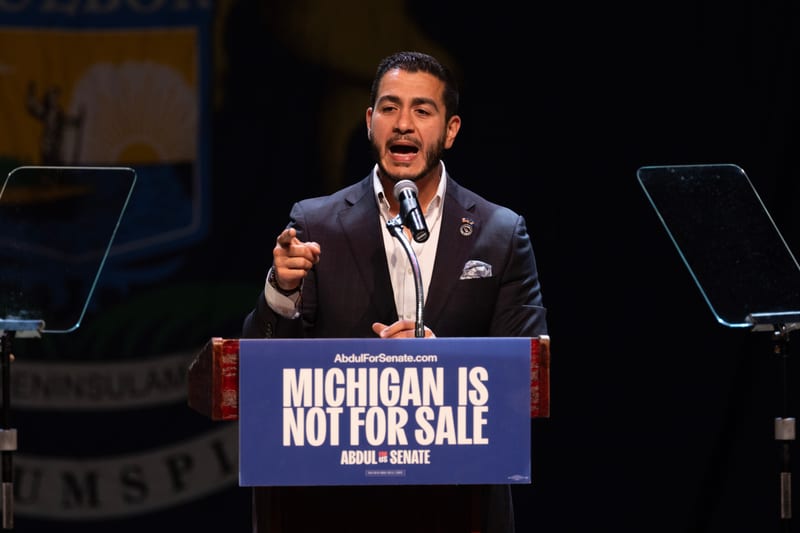
Rogers also criticized El-Sayed's Medicare for All proposal, arguing that it would lead to substantial tax increases. El-Sayed countered that his plan would cost less than the country currently spends on health care. On tariffs, El-Sayed expressed openness to certain import duties, while Rogers described them as a "mixed bag."
Trump entered the race by attacking El-Sayed on social media, accusing him of being a Muslim Brotherhood member and urging voters to support Rogers. El-Sayed denied any connection to the group.
After the first debate, Trump claimed Rogers had "completely obliterated" El-Sayed. During his August endorsement, Trump also repeated allegations of fraud in Wayne County, although the Associated Press has reported no evidence supporting those claims.
Early in-person voting began on Saturday, October 24. Former President Barack Obama was scheduled to campaign for El-Sayed in Detroit that day, while Trump was set to hold a rally in Port Huron on Sunday. A Marist poll showed El-Sayed leading Rogers 50% to 48%.
Texas: Cost of living and Ken Paxton's political baggage
The cost of living has emerged as a major concern for Texas voters. A recent poll found that 68% considered it extremely important, ahead of Trump's presidency at 48% and immigration at 47%.
The candidates also differ sharply on education. Democrat James Talarico opposed the state's school voucher program, while Republican Ken Paxton defended it in court.
Trump has thrown his support behind Paxton. At a San Antonio rally on October 7, however, he spent much of his time attacking Talarico rather than praising his preferred candidate. Trump did not address a leaked recording in which Paxton complained about the war and high fuel prices.
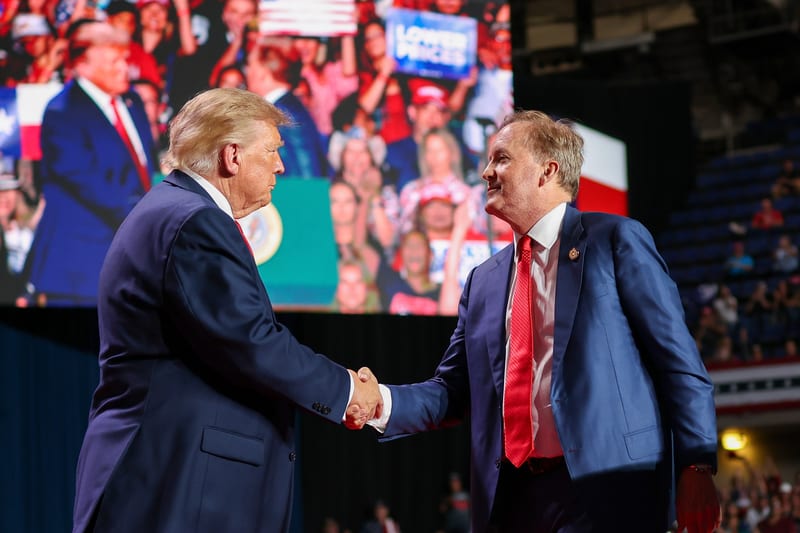
Trump later criticized Talarico for missing campaign events while sick with the flu and challenged him to a debate. Talarico accepted. At another rally in Oklahoma, Trump joked that Paxton was "a little controversial, just slightly."
Campaign spending has added another dimension to the race. Talarico raised $64 million in the third quarter, while the GOP's main super PAC spent more than $124 million on advertising for Paxton, who was impeached by the Texas House before being acquitted by the state Senate.
Polling suggests both candidates face challenges. More than half of Marist poll respondents considered Talarico too liberal, while 51% said Paxton was too close to Trump. Still, A Cook poll puts Talarico ahead 49% to 44%. Trump was scheduled to visit Waco and Lubbock on October 27.

Iowa: Medicaid cuts and fuel prices shape the debate
Democrat Josh Turek wasted no time criticizing Republican Ashley Hinson during their first debate, targeting her support for $1 trillion in federal Medicaid cuts.
Turek also criticized Trump’s policies, although he largely avoided mentioning the president by name. He acknowledged that some elements of Trump's major legislative package had merit.
Hinson countered that Turek would consistently side with liberals. Their debate extended beyond Medicaid to health care access, farmers' expenses, fuel prices and Social Security.
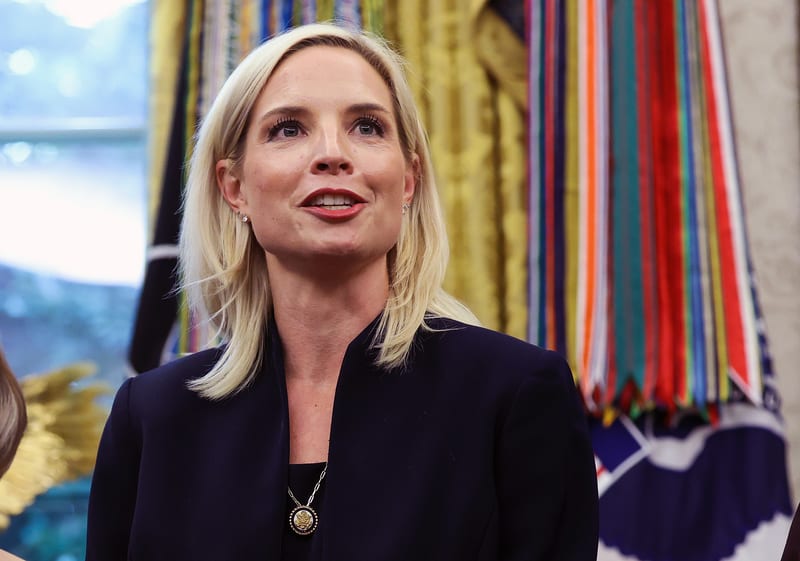
Hinson has sought to balance her relationship with Trump. She voted against limiting the president's authority over Iran but has said the war should end as soon as possible.
She also opposed Trump's diesel deal with Russian President Vladimir Putin, a move that drew criticism from Sen. Chuck Grassley. A New York Times/Siena poll found that 58% of likely Iowa voters disapproved of Trump, while half believed his policies had done more harm than good for the state.
#IowaSenate AdImpact: Josh Turek releases new ad in which he opposes trans women competing in women’s sports “No Iowan should face discrimination. As a Paralympian, I also know it's important to have rules.” “It's why I oppose males competing in female sports ... I'm against taxpayers paying for sex changes, too.”
— Politics & Poll Tracker 📡 (@PollTracker2024) October 25, 2026
Turek has also addressed transgender participation in women's sports in a recent campaign advertisement, saying, "No Iowan should face discrimination. As a Paralympian, I also know it's important to have rules."
He added, "It's why I oppose males competing in female sports ... I'm against taxpayers paying for sex changes, too."
Georgia: Health care costs and affordability take center stage
Democratic Sen. Jon Ossoff challenged Republican Mike Collins onover tariffs, Medicaid cuts and the Iran conflict, arguing that these policies increase costs and threaten rural hospitals.
Collins blamed the Affordable Care Act for rising health care expenses and pointed to $218 million in rural hospital funding included in Trump's tax and spending package. He also argued that the war with Iran had made the country safer. Ossoff rejected the suggestion that Iran was close to acquiring a nuclear weapon.
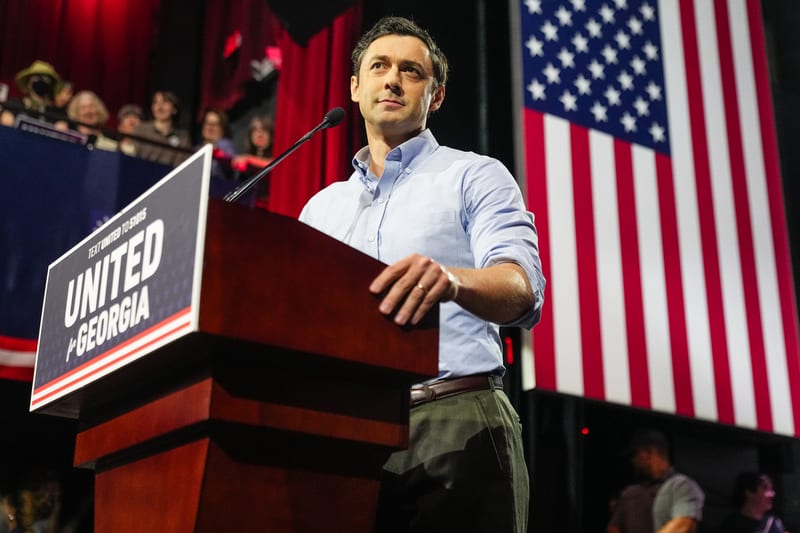
The candidates' disagreements over Trump, the economy and foreign policy reflected voters' concerns about affordability and health care. An AARP survey found that 39% of Georgians identified rising prices as a top issue, while a University of Georgia poll found that 77% of likely voters considered a candidate's health care position important.
Trump campaigned with Collins in Dalton on October 16, attacking Ossoff's appearance and calling him "weak, arrogant, and hate-filled."
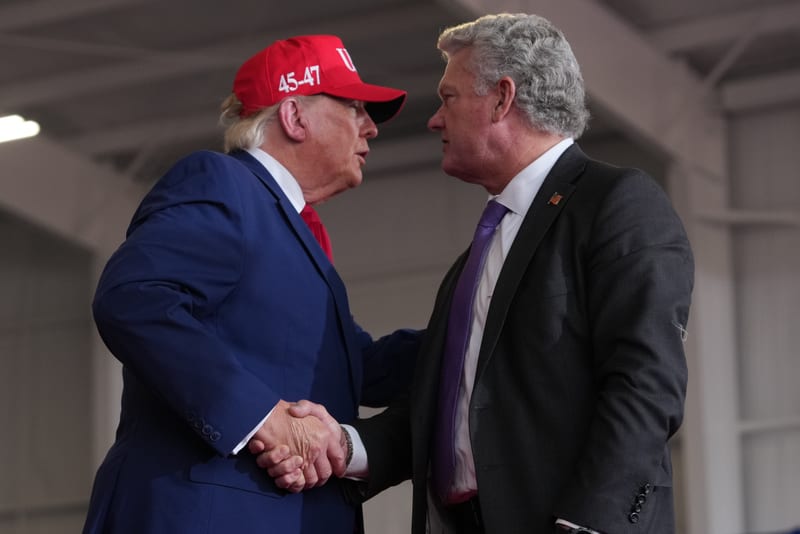
Trump also criticized Ossoff's immigration record and repeated his debunked claim that Ossoff's 2021 runoff victory was rigged.
For now, an Atlanta Journal-Constitution poll showed Ossoff leading Collins 48% to 40%, underscoring the competitive nature of the race as Republicans try to retain control of the Senate.