Fact Check: Can ICE agents be prosecuted for the Minneapolis shootings?
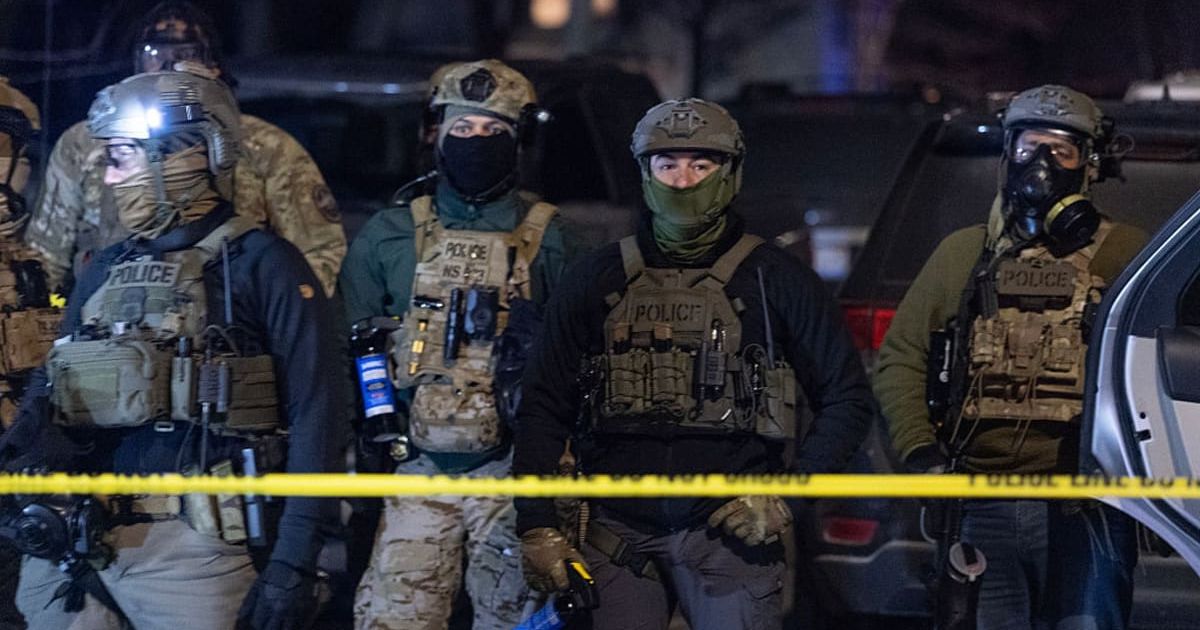
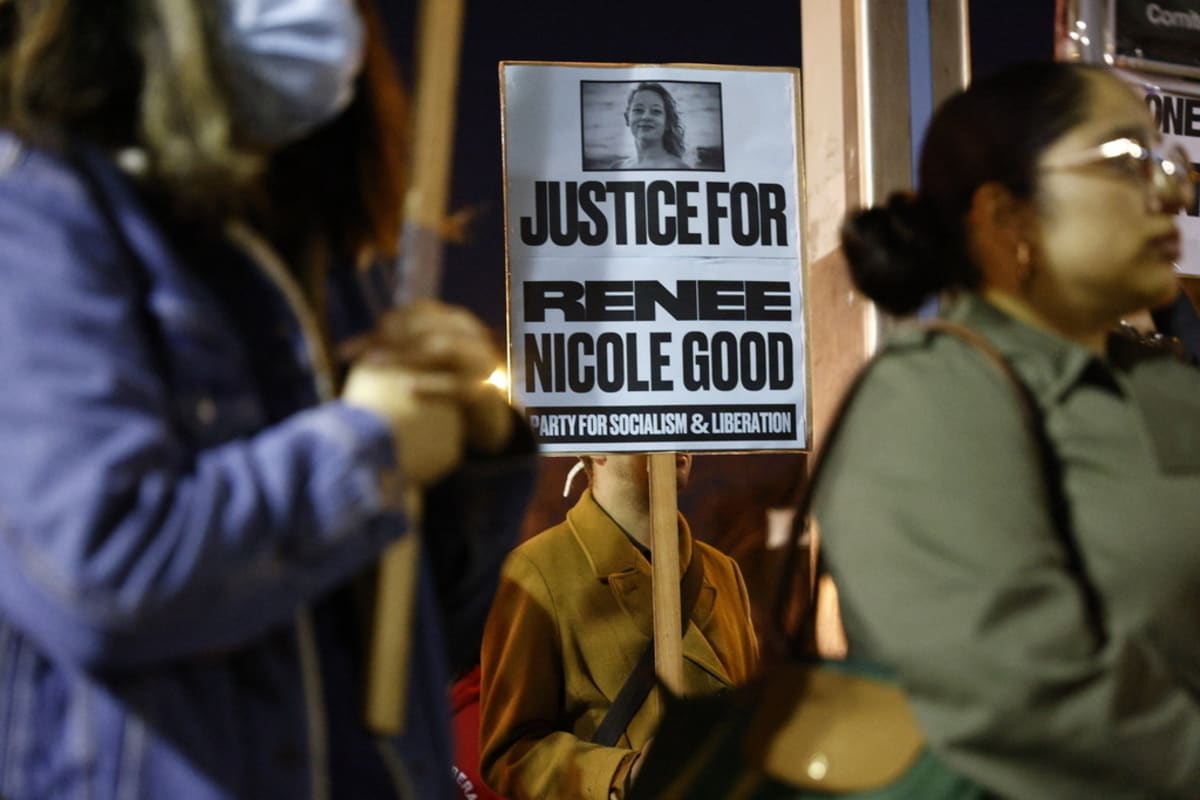
MINNEAPOLIS, MINNESOTA: Following the fatal shooting of Renee Nicole Good and Alex Jeffery Pretti by federal officers during a separate immigration crackdown in Minneapolis, protests have intensified, with many calling for the prosecution of the federal officers involved in the killings. The reluctance to take action has sparked debate on whether these officials can be prosecuted. Let us fact-check it.
Claim: Can ICE agents be prosecuted?
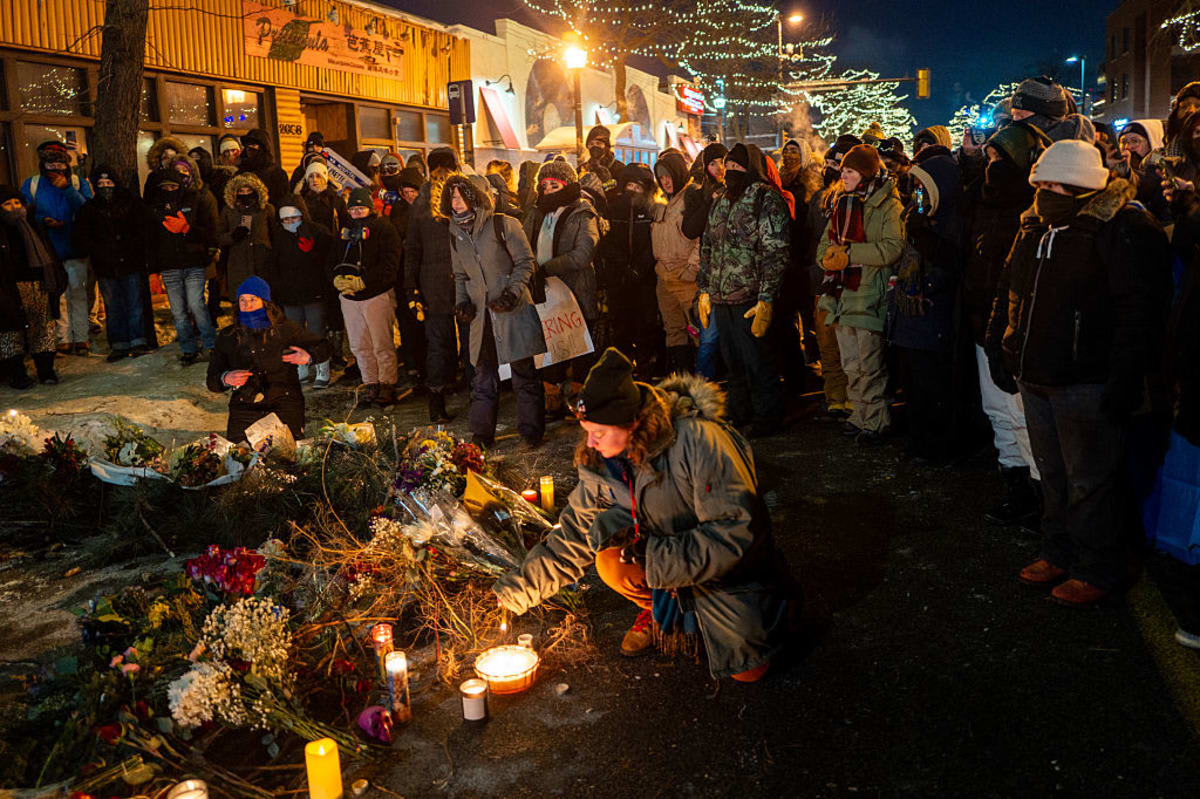
Protests have been intensifying against the Trump administration’s immigration polices in Minneapolis after two of the city’s residents were killed during separate incidents of crackdown within a month.
According to the administration officials, the shootings were acts of self-defense, which has been disputed by local officials, citing bystander video that appears to contradict the government’s accounts.
As of now, the government has not taken action against those responsible for the killings, prompting public outrage, with many calling for the legal prosecution of federal agencies such as ICE and some questioning the agents’ rights to use deadly force.
Fact Check: Federal agents can be prosecuted under limited circumstances
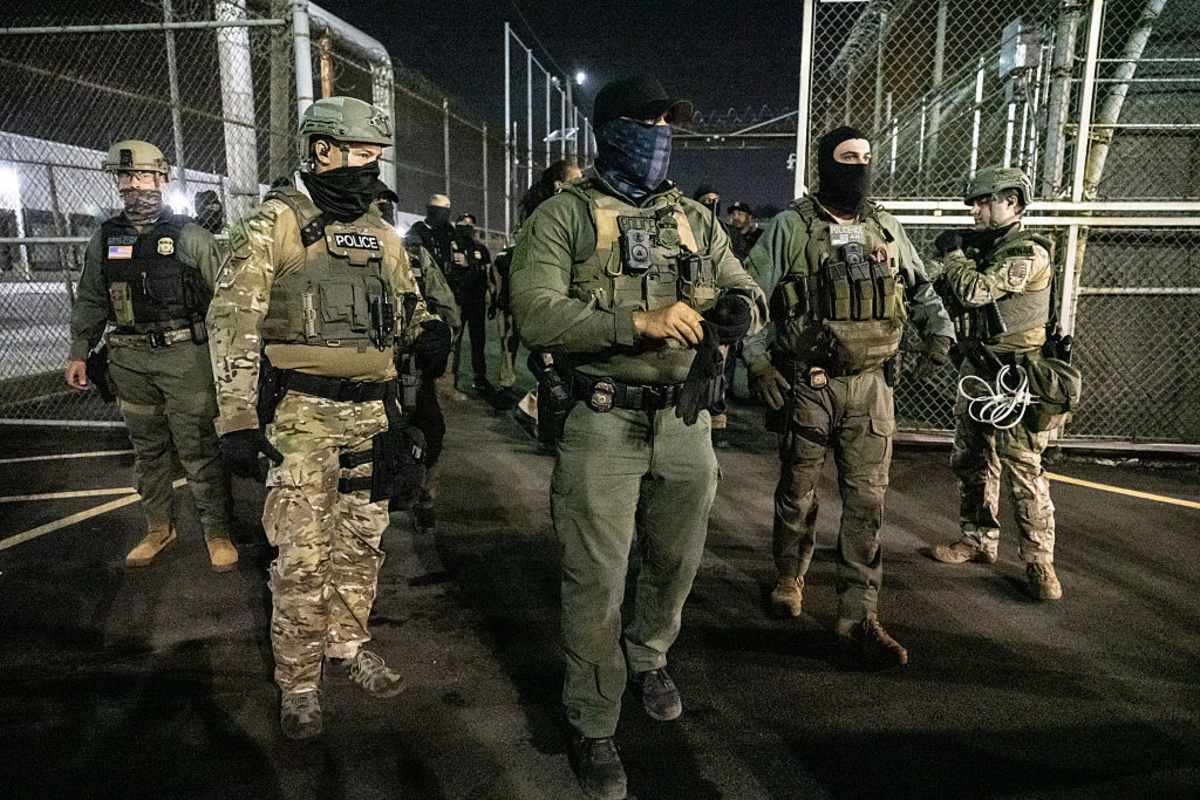
Minnesota law permits state police to use deadly force only when a reasonable officer believes it is needed to prevent death or serious injury to themselves or others.
Federal law establishes a similar standard. It allows deadly force when a reasonable officer has probable cause to think a person poses an immediate threat of death or serious harm.
Federal agents are usually protected from state prosecution for actions during their duty, as long as those actions were legal and necessary. If Minnesota charged them, the agents could move the case to federal court and claim immunity.
The state would need to show that it acted outside its duties or unlawfully. If a judge decides they are immune, the case would be dismissed.
Federal prosecutors can charge officers in fatal shootings, but these cases are rare because the legal standard is high. They must show that the officer knew their actions were illegal or acted with reckless disregard for constitutional limits.
This is difficult to prove, and the Trump administration has supported the officers’ actions. The agents could also claim that their conduct was constitutional, justified as self-defense, or done without the intent to harm or kill.
Federal officers are usually protected from civil lawsuits unless they clearly violate a constitutional right. This standard is called qualified immunity. It often protects officers who are accused of using excessive force.