Fact Check: Is James Comey's claim Trump pushed DOJ to indict him over '86 47' seashell post true?
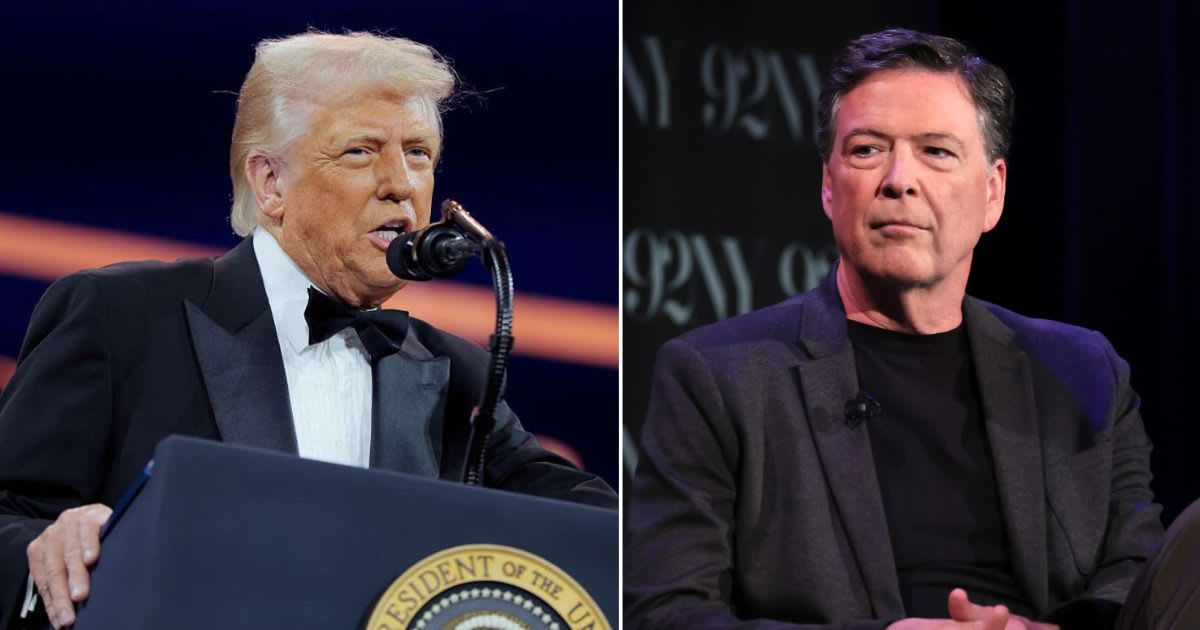
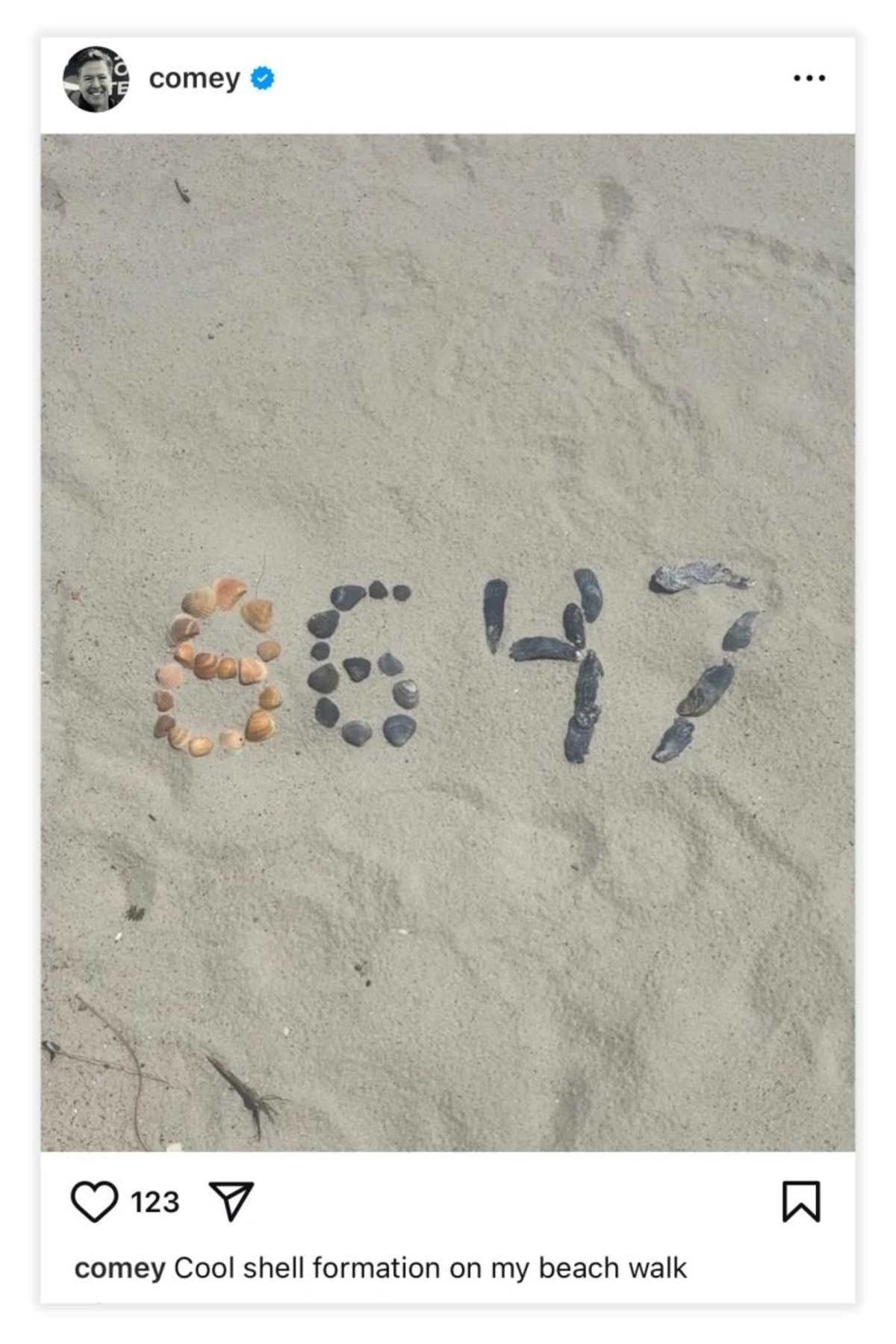
WASHINGTON, DC: James Comey's latest court filing has sparked debate after he accused President Donald Trump of personally influencing the criminal case stemming from his controversial "86 47" seashell post.
The allegation, made as part of his effort to have the charges dismissed, has quickly spread online, prompting questions about whether the claim is supported by evidence and what the court documents actually say.
Claim: James Comey argued Trump pressured DOJ to prosecute him
In a motion seeking to dismiss the federal charges over his "86 47" seashell post, James Comey argued that Trump had personally pressured the Department of Justice to prosecute him.
His attorneys said the government had targeted him for protected political speech and that the case violated the First Amendment. They also argued that the prosecution amounted to political retaliation.
The motion pointed to Trump's public comments urging then-Attorney General Pam Bondi to prosecute Comey over his May 2025 Instagram post showing seashells arranged to spell "86 47."
Comey's lawyers said Trump made those remarks before a newly appointed interim US attorney secured an indictment. They also noted that an earlier case had been dismissed and argued that the timeline showed the prosecution was politically motivated rather than evidence-based.
Comey's attorneys also maintained that he had never threatened Trump or encouraged anyone to commit violence. They said he had photographed a shell arrangement he found during a beach walk and posted it on Instagram with the caption, "Cool shell formation on my beach walk."
The motion also argued that "86 47" had become a widely used political slogan and should not have been interpreted as a threat of violence.
Fact Check: Unconfirmed
James Comey indeed claimed Trump pushed DOJ to prosecute him over the "8647" seashell post.
However, the allegation appeared in a court filing, and no court has found that Trump directed or improperly influenced the prosecution.
To support its argument, the motion cited dictionary definitions, political merchandise, protest signs, and earlier slogans aimed at other presidents, including "86 45" and "86 46."
Comey's attorneys argued that the phrase "86" is commonly used in a political context to mean "get rid of" or "remove," rather than as a call for violence.
The filing also argued that allowing the case to proceed would have broader consequences beyond Comey.
His attorneys said forcing him to stand trial would discourage protected political speech and set a dangerous precedent by allowing future administrations to bring criminal cases against political opponents for criticizing the president.