Fact Check: Is Marco Rubio’s claim that Cuba’s blackouts are unrelated to US sanctions true?
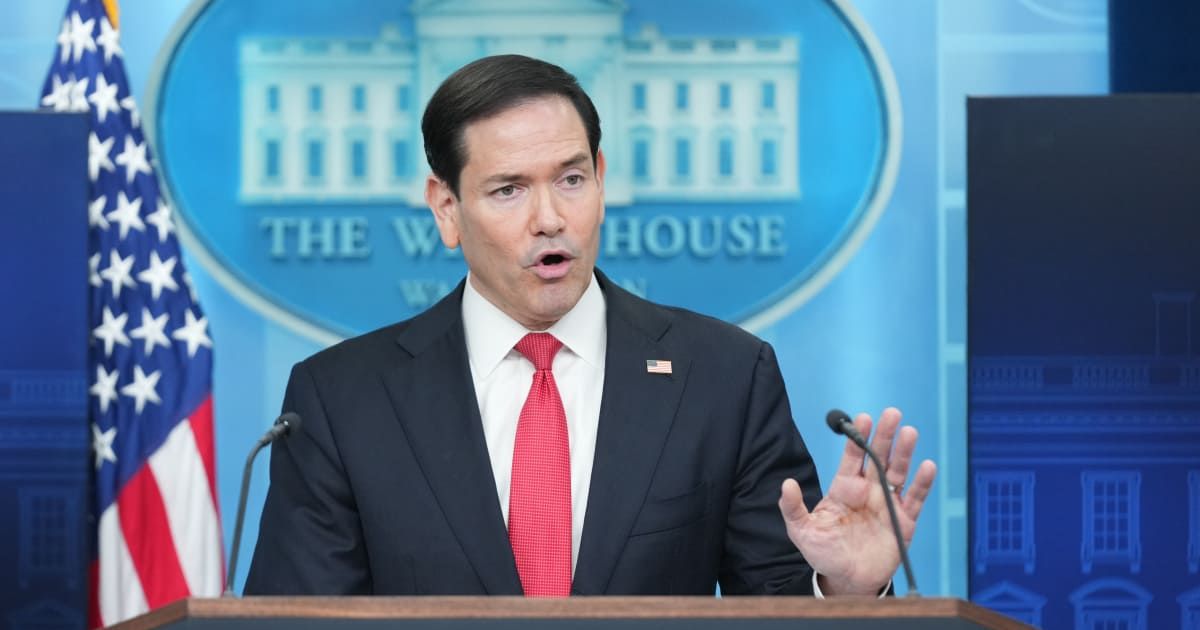
WASHINGTON, DC: A viral clip featuring Secretary of State Marco Rubio has reignited debate over the ongoing crisis in Cuba. In the video, Rubio announced a new US policy offering $100 million in direct food and medicine aid while also claiming that the communist nation's 22-hour blackouts were unrelated to the US oil blockade.
The remarks quickly spread across social media, drawing praise from Cuban-American and anti-regime voices advocating for a “Cuba Libre,” while critics argued that US sanctions have contributed to the island’s worsening humanitarian and energy crisis. Here’s a fact check of the viral claim.
Claim: Cuba’s 22-hour blackouts and the US oil blockade are unrelated
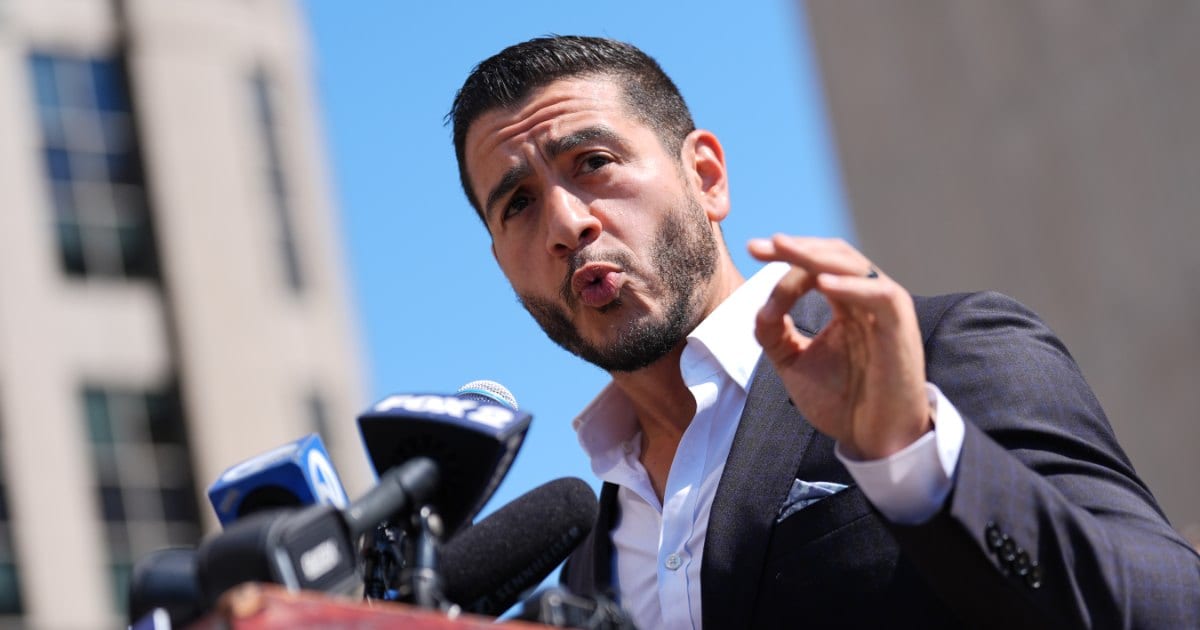
Secretary of State Marco Rubio, serving in the Trump administration, released a five-minute video message addressed to the people of Cuba on the anniversary of the country’s 1902 independence. In the video, Rubio blamed Cuba’s ongoing blackouts and economic hardships on GAESA, the military-run conglomerate that controls large parts of the island’s economy, tourism industry, and remittance system.
Speaking in Spanish, Rubio said he wanted to share “the truth” about the suffering faced by Cuban citizens and explain how the United States could help. In the May 20 video posted on X, he argued that Cuba’s 22-hour daily blackouts were not caused by a US oil blockade.
"The reason you are forced to survive 22 hours a day without electricity is not due to an oil ‘blockade’ by the US. The real reason you don’t have electricity, fuel, or food is because those who control your country have plundered billions of dollars, but nothing has been used to help the people."
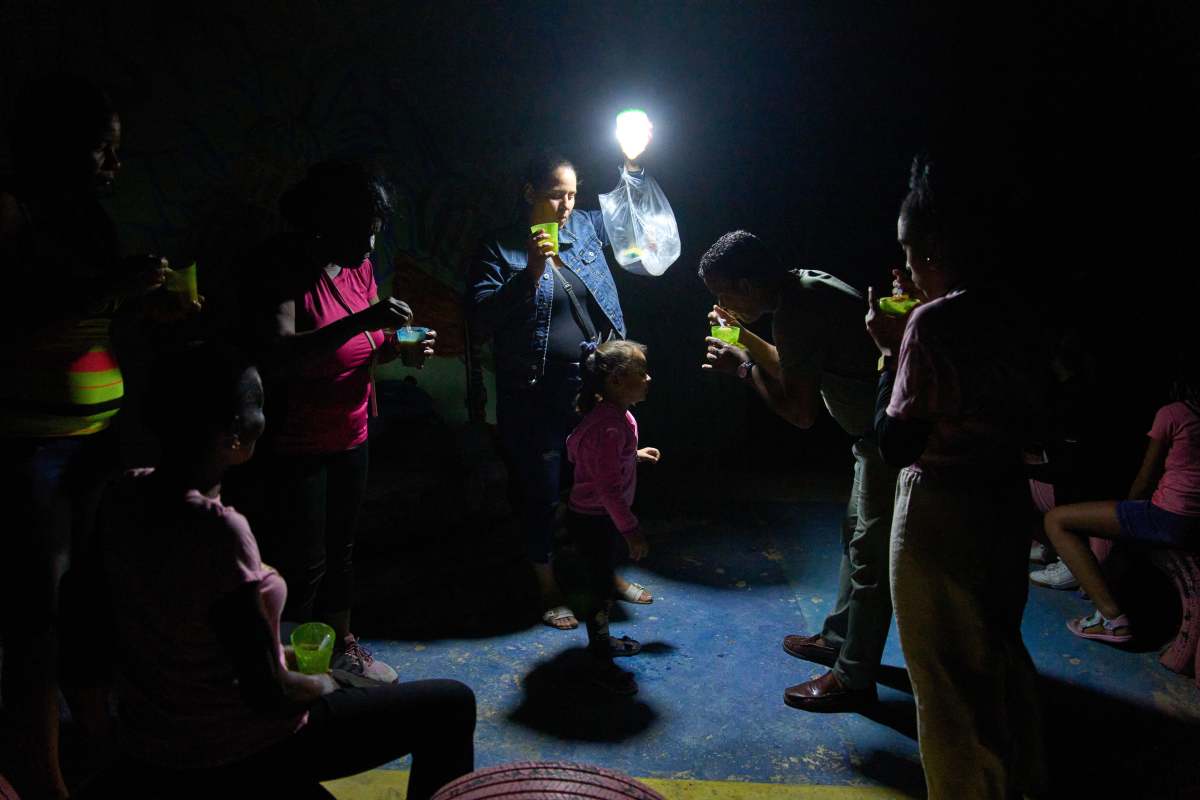
Rubio’s remarks came as the US intensified pressure on Cuba following the capture of Venezuelan leader Nicolas Maduro in January. Since then, the US has cut off Venezuelan oil shipments to Cuba, previously one of the island’s main fuel sources, and threatened sanctions and tariffs against countries that continue supplying oil to Havana. Because Cuba relies heavily on imported oil products to power its energy grid, the restrictions have significantly worsened fuel shortages across the country.
Fact Check: What Marco Rubio said about Cuba's blackout crisis is partly true
However, Cuban historians and foreign policy experts disputed Marco Rubio’s suggestion that the US oil blockade played no role in Cuba’s worsening blackout crisis.
Several experts argued that while the Cuban government bears significant responsibility for decades of economic mismanagement and underinvestment in energy infrastructure, recent US restrictions have intensified the situation.
William LeoGrande, a Latin American politics specialist at American University, said the blackouts had become noticeably worse after the US tightened oil restrictions on Cuba. He stated that the embargo was “clearly, unquestionably, a major part of the problem” and argued that blaming the crisis entirely on the Cuban government was misleading.
Experts noted that although Cuba had experienced rolling blackouts for years, outages lasting up to 22 hours a day became far more severe following the January escalation in US pressure on oil shipments.
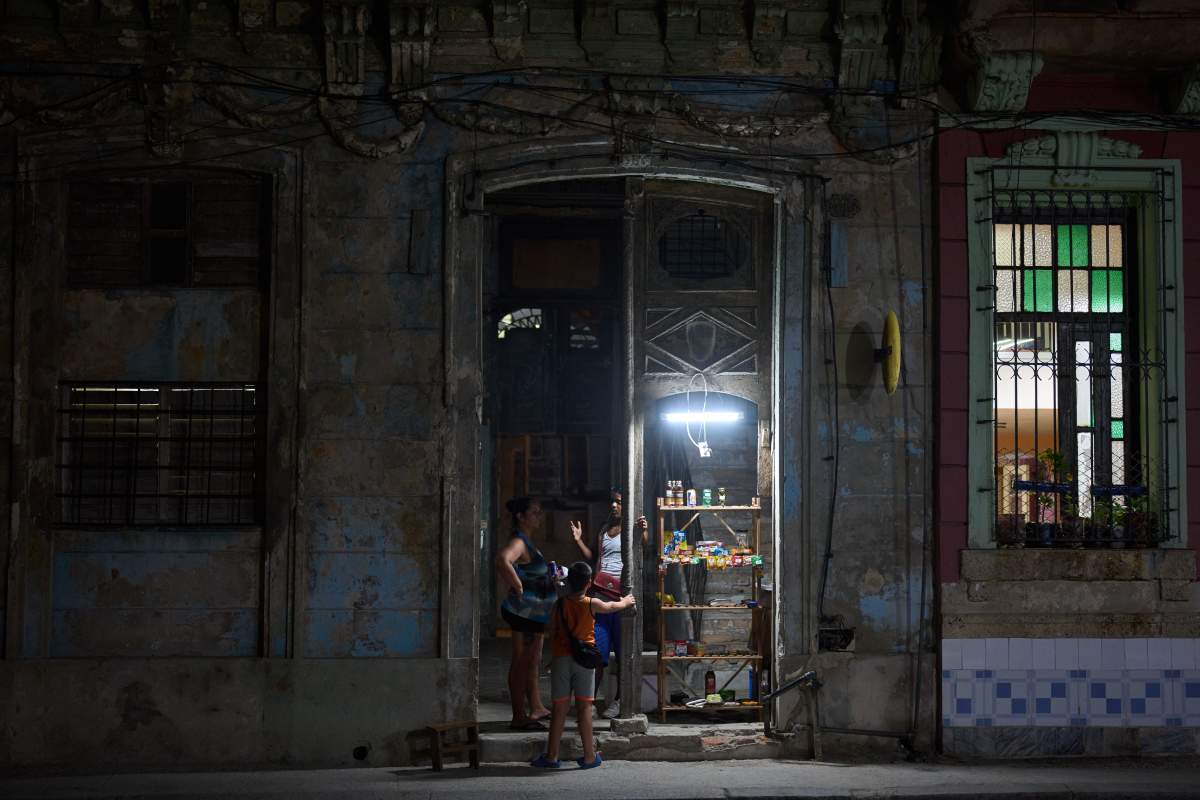
The US State Department defended Rubio’s position by pointing to his May 21 statement, in which he argued that Cuba experienced major blackouts even while receiving subsidized Venezuelan oil. Rubio claimed the Cuban government failed to invest in maintaining its electrical grid or improving energy production, instead diverting resources elsewhere.
At the same time, analysts said the US government’s sanctions and threats of tariffs against countries supplying fuel to Cuba further strained the island’s already fragile energy system. Experts explained that Cuba has struggled to secure alternative oil suppliers because of fears surrounding potential US penalties. They also emphasized that the Cuban government failed to modernize infrastructure or diversify energy sources over several decades.
Therefore, experts concluded that both the Cuban government’s long-term mismanagement and the recent US oil restrictions contributed to the severity of the crisis. While Rubio correctly pointed to systemic failures within Cuba, claims that the blackouts were entirely unrelated to US actions overlooked the impact of sanctions and fuel restrictions. As a result, fact-checkers rated the claim as partly true.