Fact Check: Is US planning new strikes on Iran?
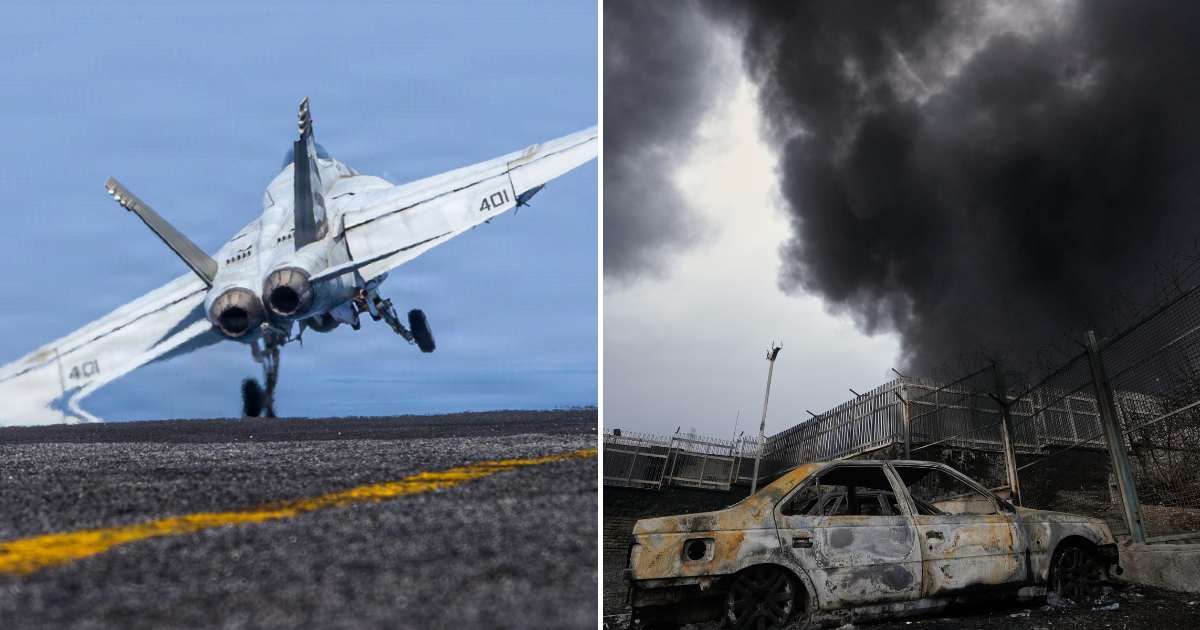
WASHINGTON, DC: As the geopolitical tensions in the Middle East continue after a fragile ceasefire deal, a rumor has been circulating on social media platforms claiming that commercial flights are avoiding Iranian airspace, triggering fears of possible action by the United States against Tehran.
Let us analyse the viral claim and fact-check its authenticity.
Claim: The United States is planning strikes against Iran
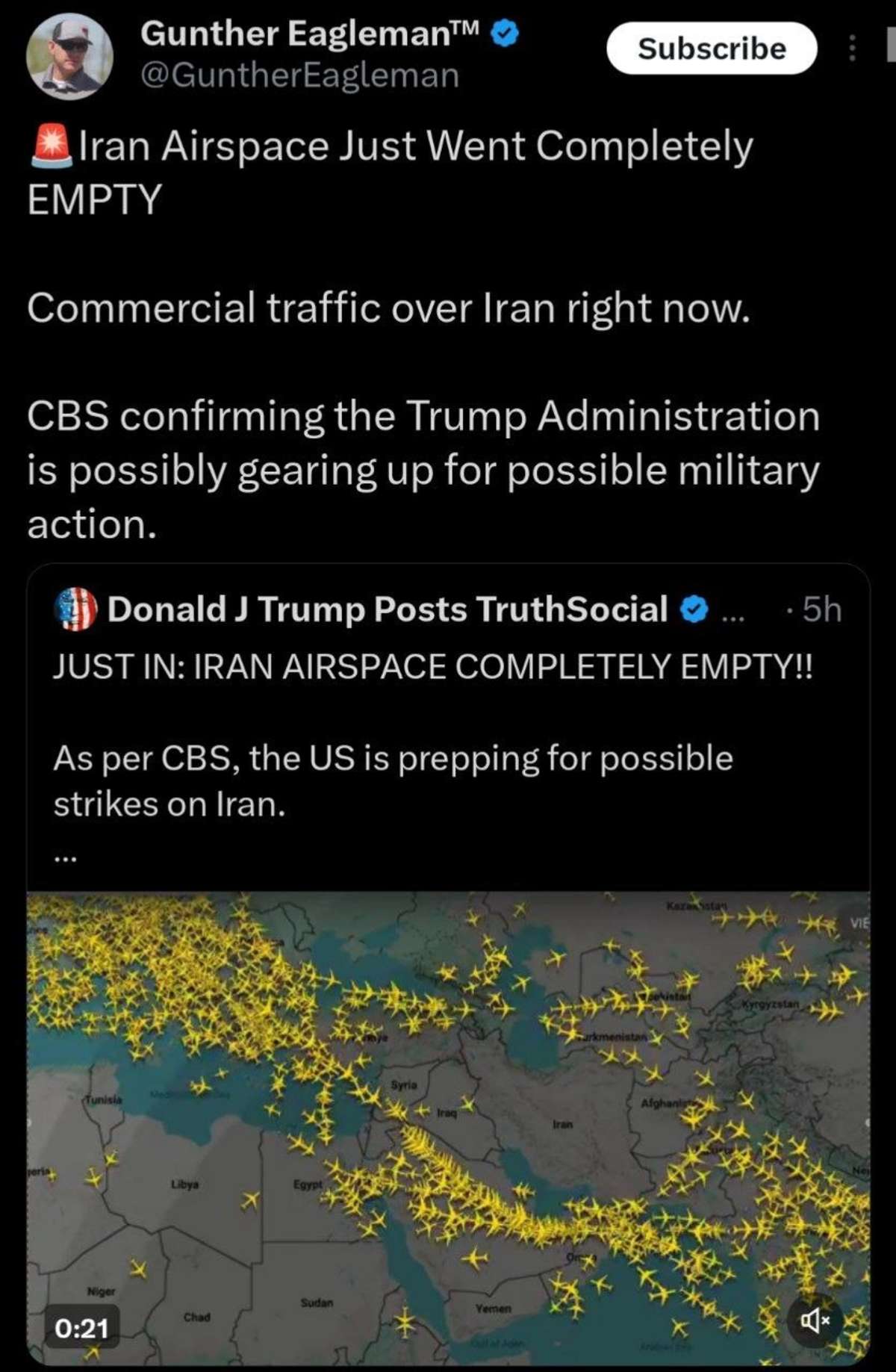
Social media rumors are speculating that the United States may be preparing military action against Tehran.
The claim is based on a sudden drop in commercial air traffic over Iran, which intensified after aviation tracking data showed unusually sparse aircraft movement over western Iran.
The online flight-tracking maps appeared to show that large sections of Iranian airspace were nearly empty, which was shared by President Donald Trump on his official Truth Social account.
Iran’s Civil Aviation Authority later confirmed temporary restrictions through a NOTAM, limiting operations at several western airports until early Monday.
Though authorities described the measures as operational and security-related, analysts noted similarities to airspace patterns observed before the US-Israeli strikes earlier this year.
Fact Check: No official announcement from Pentagon about strikes
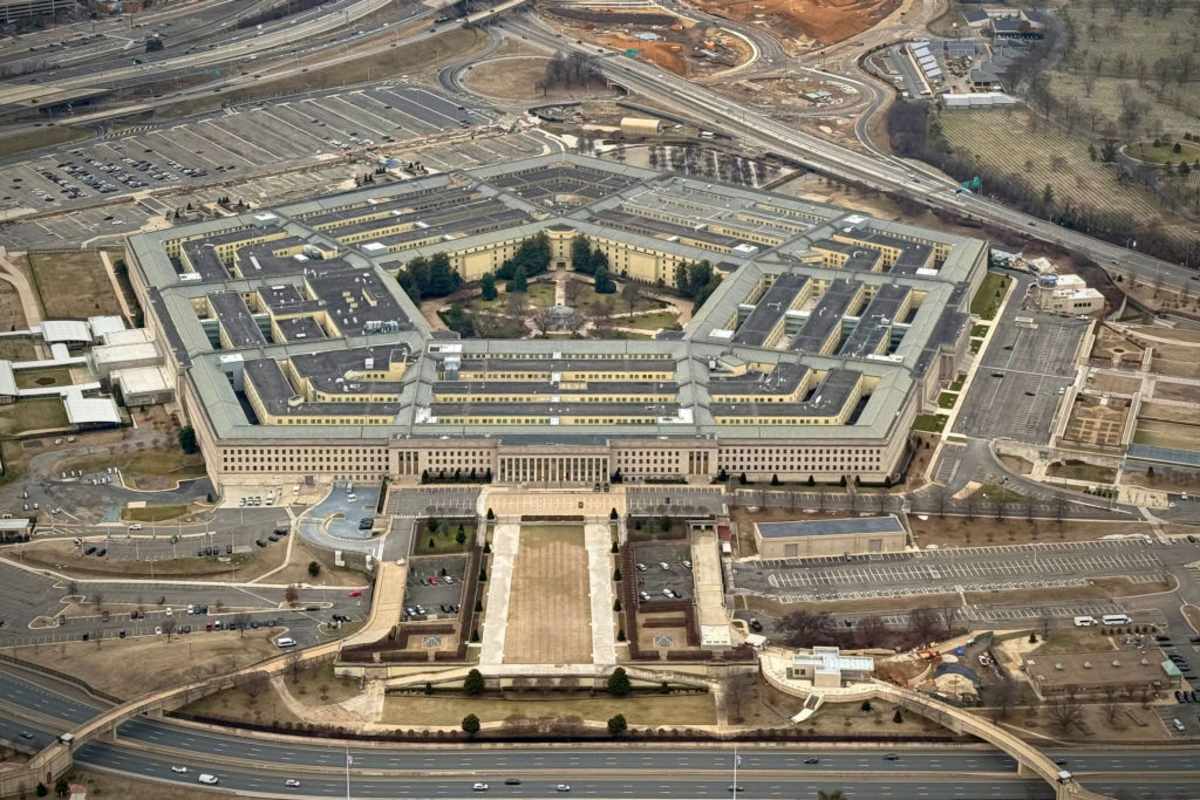
Although CBS and multiple regional outlets reported that the Trump administration was reviewing military contingency options against Tehran, there is no verified evidence that Washington has approved direct military strikes on the Islamic Republic.
There are also no official announcements from the Pentagon about strike preparations.
The US Navy has increased monitoring in the Gulf while continuing to pressure Tehran over maritime security and activities of the regional militias. According to analysts, such deployments are often precautionary rather than definitive signs of war.
European Union expands sanctions on Iran over Hormuz blockade
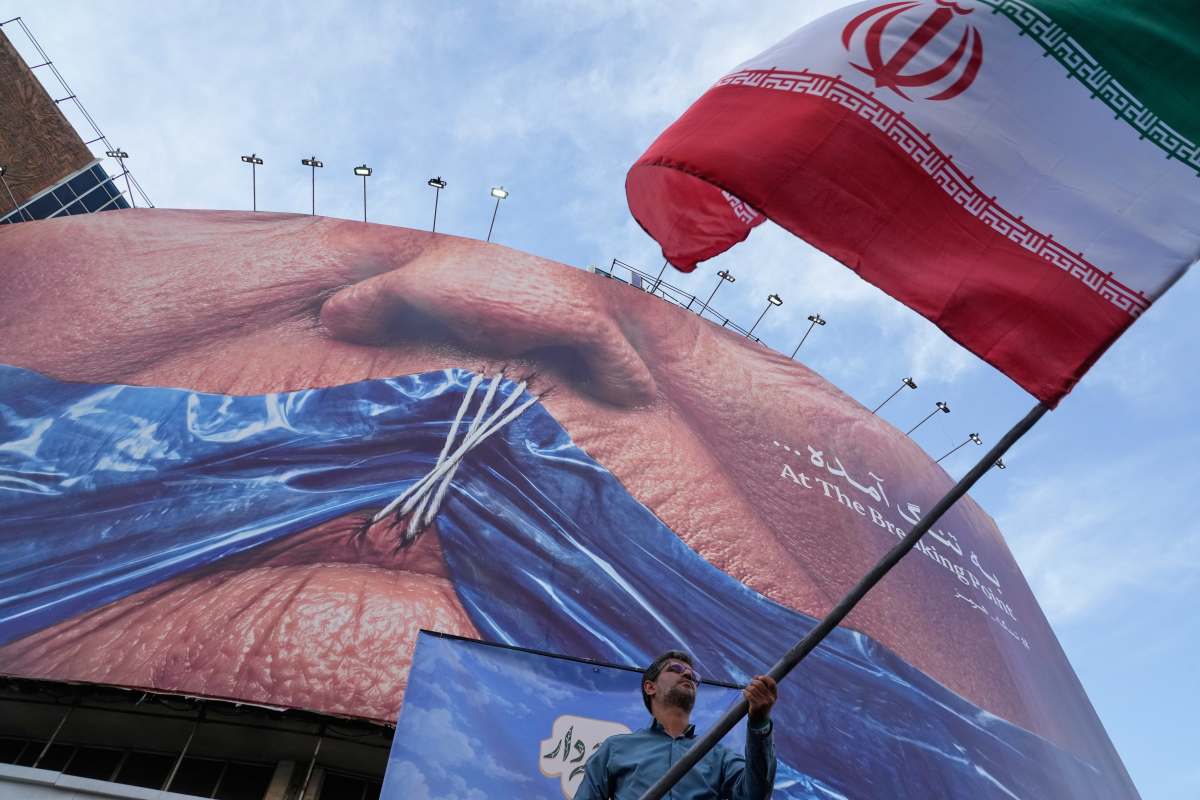
The claim surfaced European Union moved decisively toward imposing punitive measures on Iranian officials and entities deemed responsible for orchestrating the blockade of the Strait of Hormuz on Friday, May 22.
EU nations took a vital technical step to fundamentally broaden the scope of their existing sanctions architecture, deeming the ongoing maritime trade restrictions to be entirely contrary to international law.
"The EU will now be able to introduce further restrictive measures in response to Iran's actions undermining the freedom of navigation in the Strait of Hormuz," the European Council stated.