'Father of fertility': How Trump just turned IVF into a workplace right
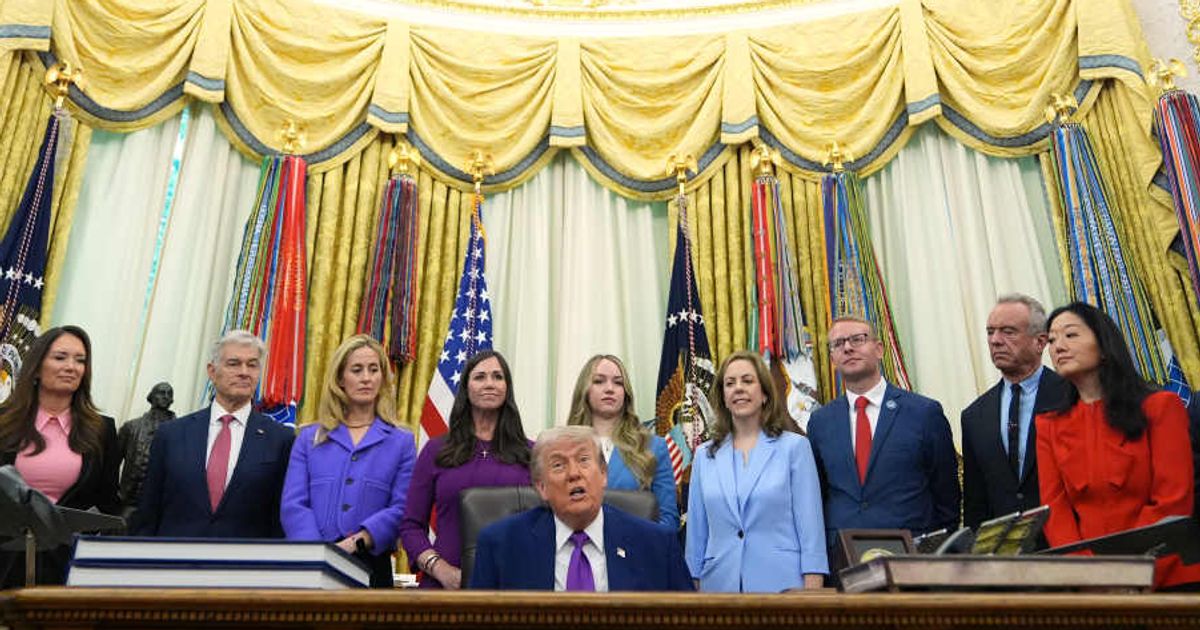
WASHINGTON, DC: In a landmark Oval Office appearance on Monday, May 11, President Donald J Trump officially launched a sweeping new initiative aimed at transforming maternal health and reproductive care in the United States.
Positioning himself at the center of a major domestic policy shift, the president declared himself the "father of fertility" while unveiling a new federal digital hub, Moms.gov, dedicated to promoting maternal health across the nation.
The centerpiece of the announcement is a revolutionary Labor Department proposal designed to integrate fertility treatments into the American workplace.
By pushing employers to offer supplemental fertility insurance, the administration seeks to move reproductive assistance from the fringes of healthcare into the economic mainstream.
Trump: "I must say, I shouldn't admit this, but the first time I really about the fertility was through Katie. I became the father of fertility." pic.twitter.com/vXhw7ogXno
— Aaron Rupar (@atrupar) May 11, 2026
The president emphasized that this new coverage model would mirror the accessibility of standard vision or dental plans, providing a vital lifeline for families navigating the complexities of modern reproductive medicine.
New federal category for benefit coverage
The Labor Department’s comprehensive plan introduces an entirely new category of employee benefits specifically engineered to address systemic gaps in standard healthcare coverage.
Currently, many families face insurmountable financial barriers when seeking specialized treatments, as traditional insurance often excludes or severely limits reproductive assistance.
🚨 NOW: President Trump announced his admin will be creating a FERTILITY BENEFIT OPTION for employers to offer outside of normal healthcare plans
— Nick Sortor (@nicksortor) May 11, 2026
“This will be a major help for millions of Americans moms, and result in more beautiful American babies!”
Make babies, folks! 🇺🇸 pic.twitter.com/Kb3neMggxy
This new regulatory framework would incentivize the creation of supplemental options that cover every stage of the reproductive journey.
By establishing this distinct category, the administration aims to normalize fertility care as a standard component of a modern employment package, ensuring that the "fertility journey" is supported by institutional resources rather than solely out-of-pocket spending.
One hundred twenty thousand dollar cap
To provide long-term security for prospective parents, the proposed plan includes a substantial financial safety net: a lifetime benefit cap of $120,000.

This significant sum is intended to cover the high costs associated with advanced procedures such as In Vitro Fertilization (IVF) and other intensive treatments.
Recognizing the rising costs of medical care, the administration has structured this cap to be indexed for inflation, ensuring that the value of the benefit remains consistent for future generations.
This funding ceiling is designed to provide comprehensive support "at every step," allowing families to pursue multiple cycles of care or various treatment paths without the immediate threat of financial ruin.
Mainstreaming care through Moms dot gov
It was great to be with @POTUS today as he highlighted @USDOL’s new rule to create a fertility benefit option for American workers: “It’s a big deal!”
— Acting Secretary Keith Sonderling (@Sonderling47) May 11, 2026
The Trump Administration remains committed to supporting American families through expanding access to fertility care and… pic.twitter.com/ZumgKjNViZ
President Trump highlighted the platform as a way to bring fertility care "right down into the mainstream," providing a centralized resource for maternal health information and guidance on navigating the new insurance options.
By rebranding the government's approach to reproductive health under this new portal, the administration is signaling a "tough stand" on domestic population growth and family support.
The president’s rhetoric suggests that by making these treatments as common as vision or dental insurance, the administration is initiating a "total reset" of how the federal government interacts with the American family unit.