Federal judge approves release of grand jury records in Ghislaine Maxwell case

NEW YORK CITY, NEW YORK: A federal judge in New York accepted the Department of Justice’s request to release any grand jury material related to Ghislaine Maxwell’s case on Tuesday, December 9.
However, the judge also noted that the material would not reveal any new information that could have any consequences.

Court warns DOJ that safeguards needed to protect victims
On November 18, the House of Representatives voted to force the Department of Justice to release all files related to Jeffrey Epstein.
Due to the bill, Judge Paul Engelmayer agreed to the DOJ’s motion to unseal grand jury reports in Ghislaine Maxwell’s criminal case.

However, the judge warned the DOJ that they would not find any new information and said that he had put mechanisms in place to “protect victims from the inadvertent release” that would identify them or otherwise invade their privacy.
Ghislaine Maxwell was sentenced to 240 months in prison for “perpetrating heinous crimes against children,” and for conspiring with Jeffrey Epstein.
At the time of her sentencing, US Attorney Damian Williams said that the sentence sent a strong message that “no one is above the law” and that it was never too late for justice.
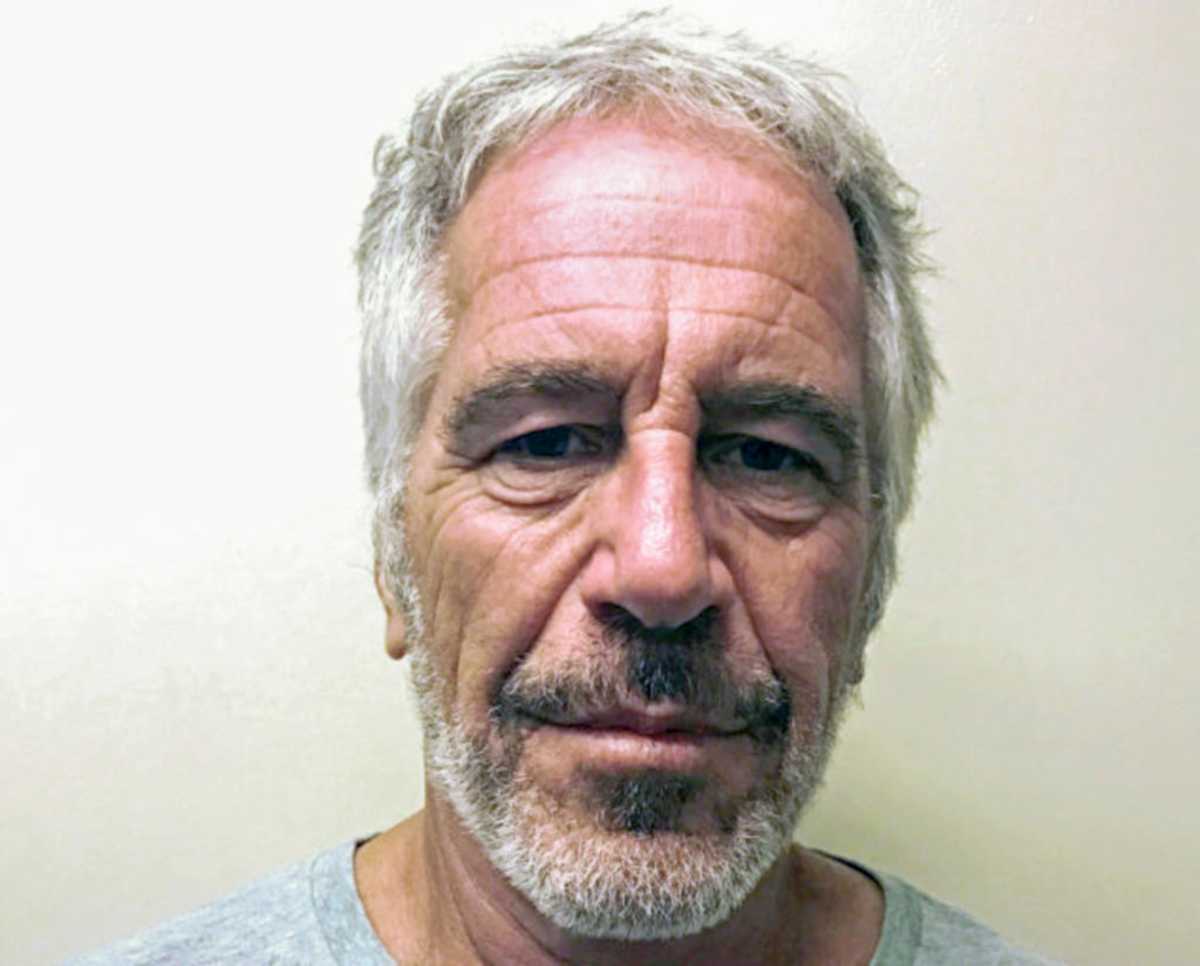
About the Epstein Files Transparency Act
The Epstein Files Transparency Act requires the Department of Justice to publish all unclassified records, documents, communications, and investigation-related materials related to the investigation and prosecution of Jeffrey Epstein.
The Bill includes information related to Ghislaine Maxwell, flight logs and travel documents, names of individuals, and government officials connected to the investigation and “prosecution” of Epstein.
“DOJ is permitted to withhold certain information, such as the personal information of victims and materials that would jeopardize an active federal investigation,” the summary of the act reads.
Other permitted withholdings include information authorized under “criteria established by an Executive order to "keep secret" in the interest of national defense, foreign policy, or is "properly classified pursuant to such Executive order.”
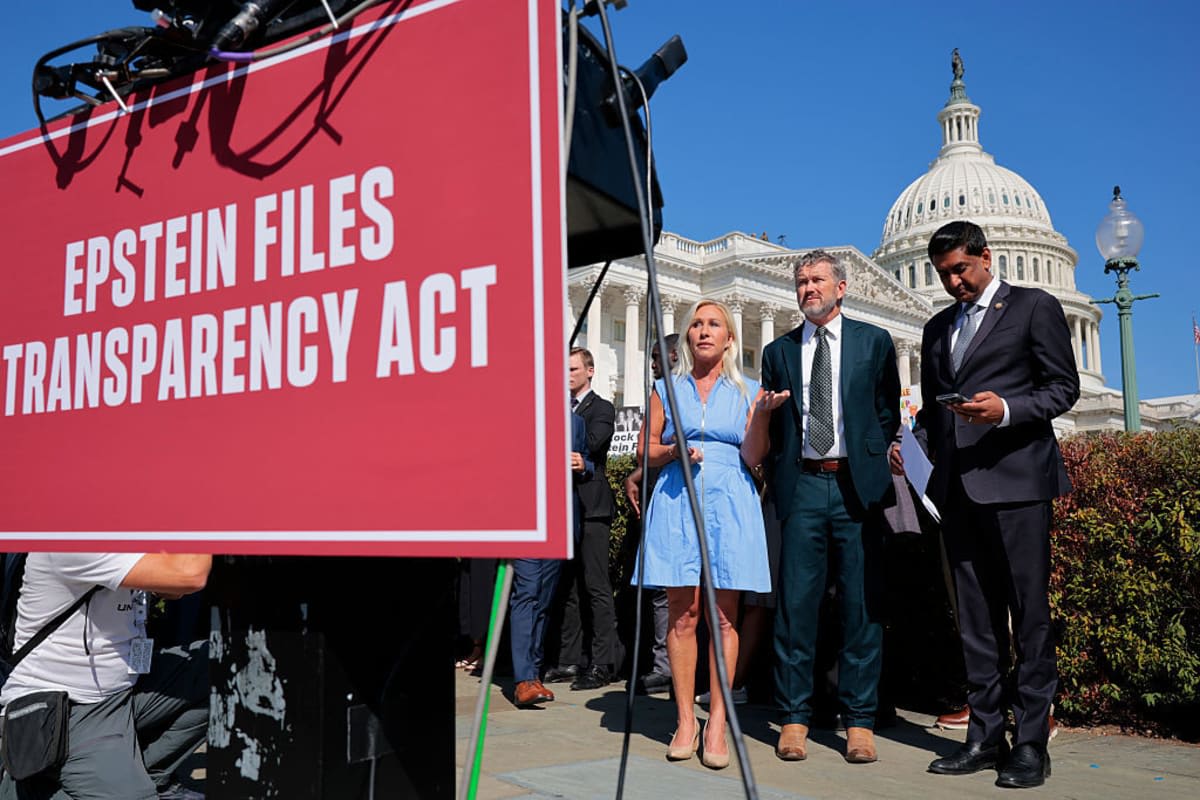
Also, any information released as part of the act should be in a “searchable and downloadable format” and also include internal DOJ communications, including emails, memos, meeting notes, etc.