Federal Reserve keeps rates unchanged as Jerome Powell pushes back against Trump's demands
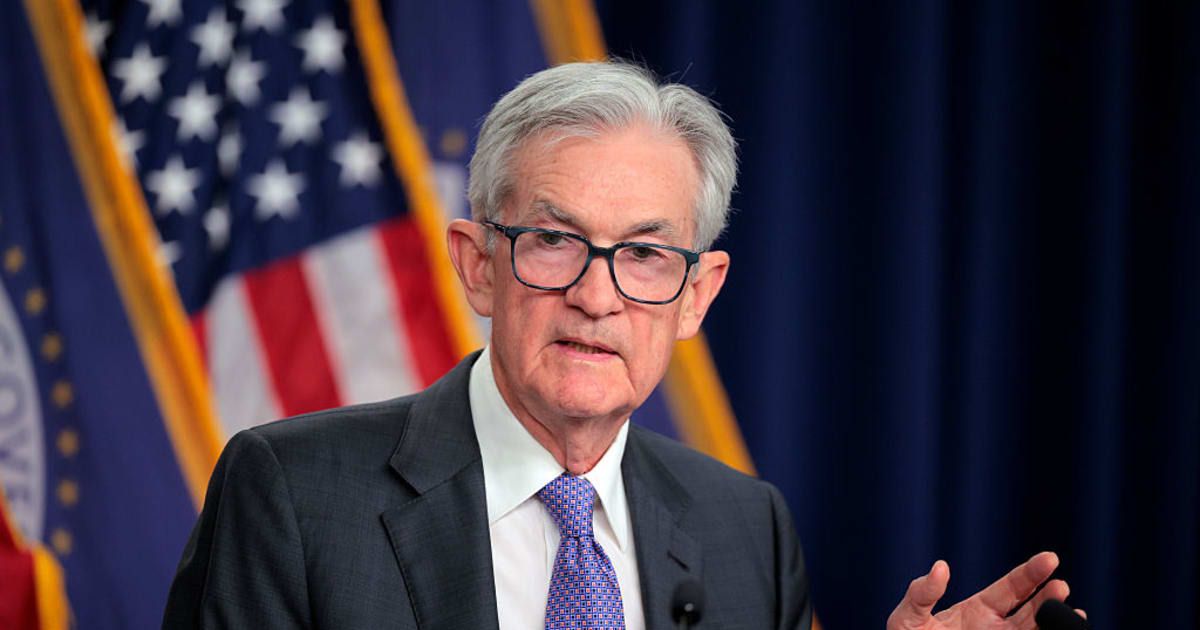
WASHINGTON, DC: The Federal Reserve left interest rates unchanged on Wednesday, January 28, but the decision landed in the middle of an extraordinary political storm- one that has put the central bank’s independence under its sharpest scrutiny in decades.
While the Fed’s move itself was widely expected, the context surrounding it was anything but routine.
Chair Jerome Powell found himself navigating mounting pressure from the Trump White House, a criminal investigation tied to the Fed’s leadership and a looming Supreme Court case that could reshape the balance of power between the presidency and the central bank.
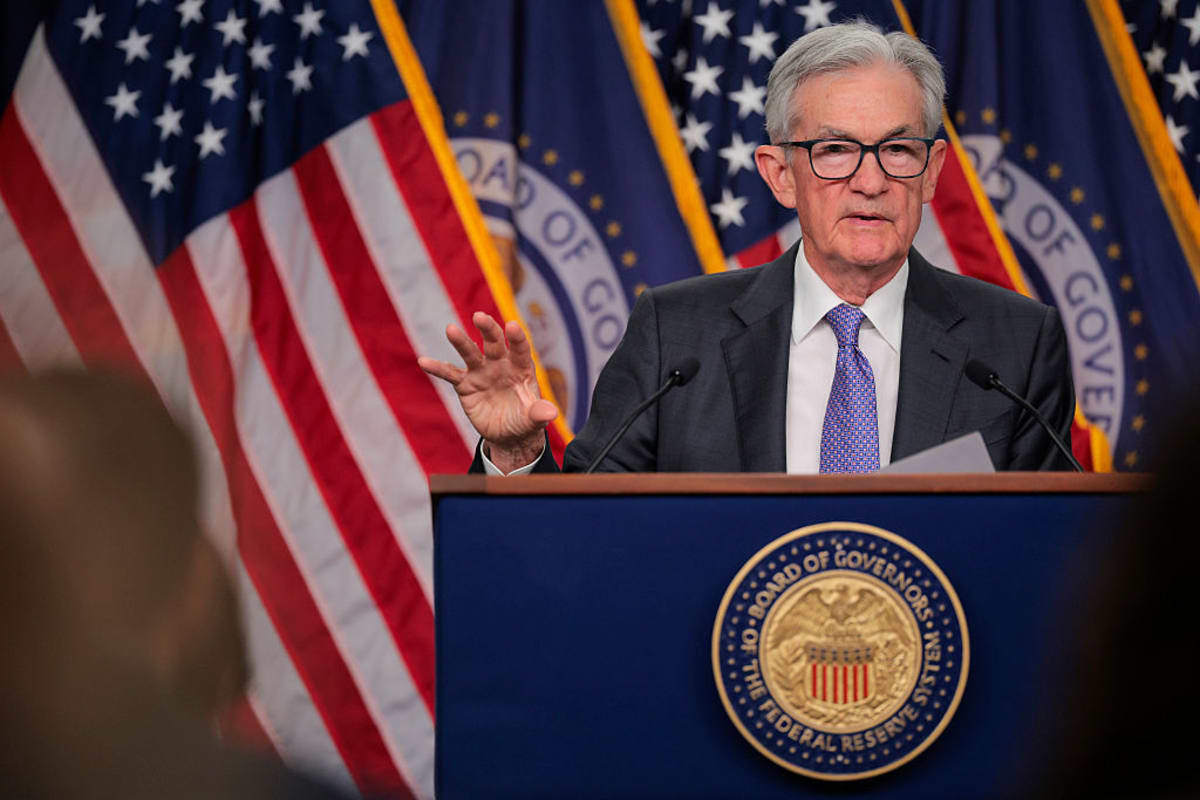
Inflation cools but remains above Fed's 2% target
The FOMC statement read, "Available indicators suggest that economic activity has been expanding at a solid pace. Job gains have remained low, and the unemployment rate has shown some signs of stabilization. Inflation remains somewhat elevated."
"The Committee seeks to achieve maximum employment and inflation at the rate of 2 percent over the longer run. Uncertainty about the economic outlook remains elevated. The Committee is attentive to the risks to both sides of its dual mandate," it added.
The statement reflected that inflation had cooled from its highs but remained above the Fed’s long-term 2% target.
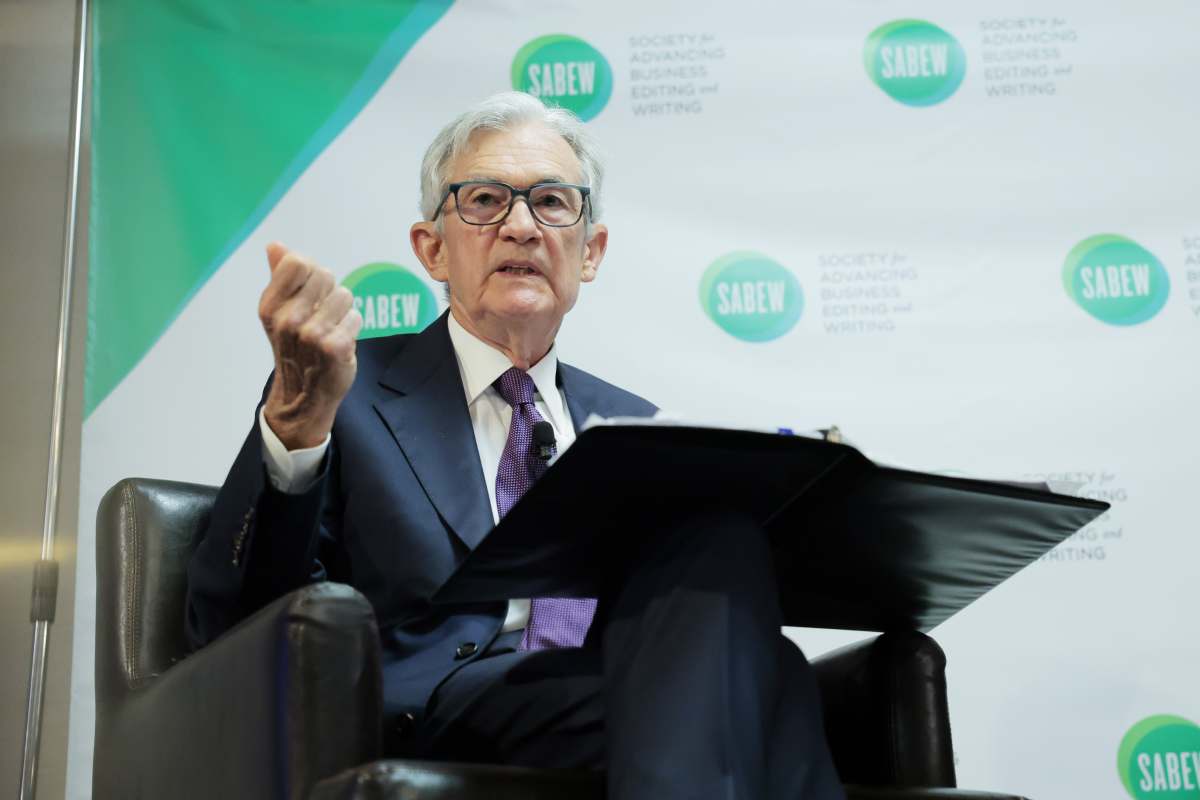
"In support of its goals, the Committee decided to maintain the target range for the federal funds rate at 3‑1/2 to 3‑3/4 percent," the statement continued.
Two governors- Christopher Waller and Stephen Miran dissented, pushing for a quarter-point rate cut.
Their opposition highlighted growing internal debate over whether the economy needed relief sooner rather than later.
The statement also read, "In assessing the appropriate stance of monetary policy, the Committee will continue to monitor the implications of incoming information for the economic outlook. The Committee would be prepared to adjust the stance of monetary policy as appropriate if risks emerge that could impede the attainment of the Committee's goals."
BREAKING: Jerome Powell just cut right through Donald Trump’s BS. Inflation remains high. Affordability is still a problem. Make sure every American sees this. pic.twitter.com/BUkekFgdEj
— Democratic Wins Media (@DemocraticWins) January 28, 2026
The Fed’s statement reflected uncertainty.
Officials described the economic growth as “solid,” an upgrade from earlier language and removed references to rising risks in the labor market- a shift being seen as a sign that the central bank believed employment conditions had stabilized.
Jerome Powell draws a line on inflation
At his press conference, Powell made it clear that inflation control remained the Fed’s top priority, even as Americans felt squeezed by high prices and borrowing costs.
Consumer spending, he noted, had held up better than expected, but households were clearly adjusting.

People were buying less, trading down to cheaper brands, and pulling back in areas like housing, which Powell acknowledged remained weak.
“The best thing we can do for people feeling that squeeze is to finish the job on inflation,” Powell said, stressing that easing policy too early could risk undoing recent progress.
That stance put him directly at odds with President Donald Trump, who had repeatedly argued that rate cuts were needed.
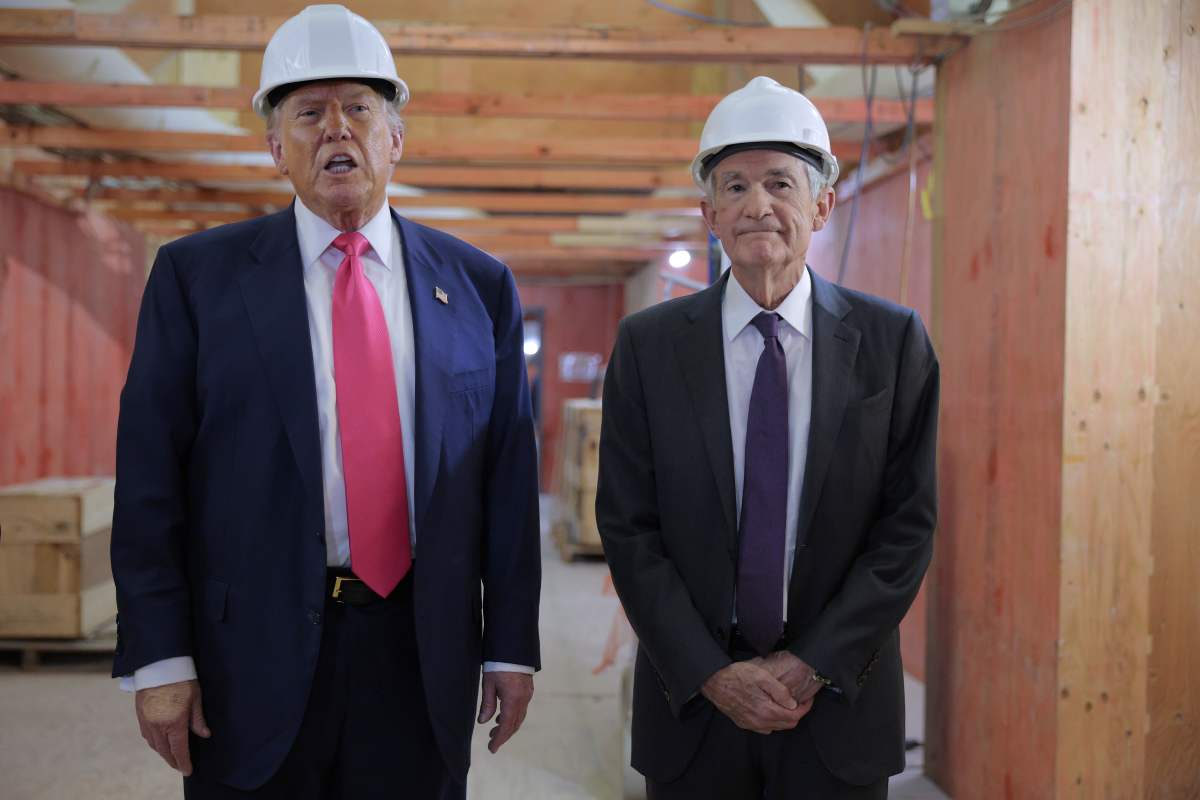
Legal pressure and political crosswinds
Earlier this month, Powell disclosed that the Federal Reserve had been served with grand jury subpoenas threatening a criminal indictment.
The investigation is being led by Jeanine Pirro, a Trump ally now serving as US attorney in the District of Columbia.
Powell pushed back forcefully, calling the probe a pretext to pressure the Fed into cutting rates. He also stressed the need for independence of the Federal Reserve.
🇺🇸 Jerome Powell says elected officials should not control the Federal Reserve. pic.twitter.com/J8uZTlyrj8
— Crypto King (@crypto_king34) January 28, 2026
At the same time, the Supreme Court is weighing a separate case with potentially sweeping implications: whether Trump had the authority to remove Fed Governor Lisa Cook last year.
Cook has denied allegations of wrongdoing and is challenging her dismissal.