Gabbard claims declassified files show 2019 Trump impeachment was a deep state coup
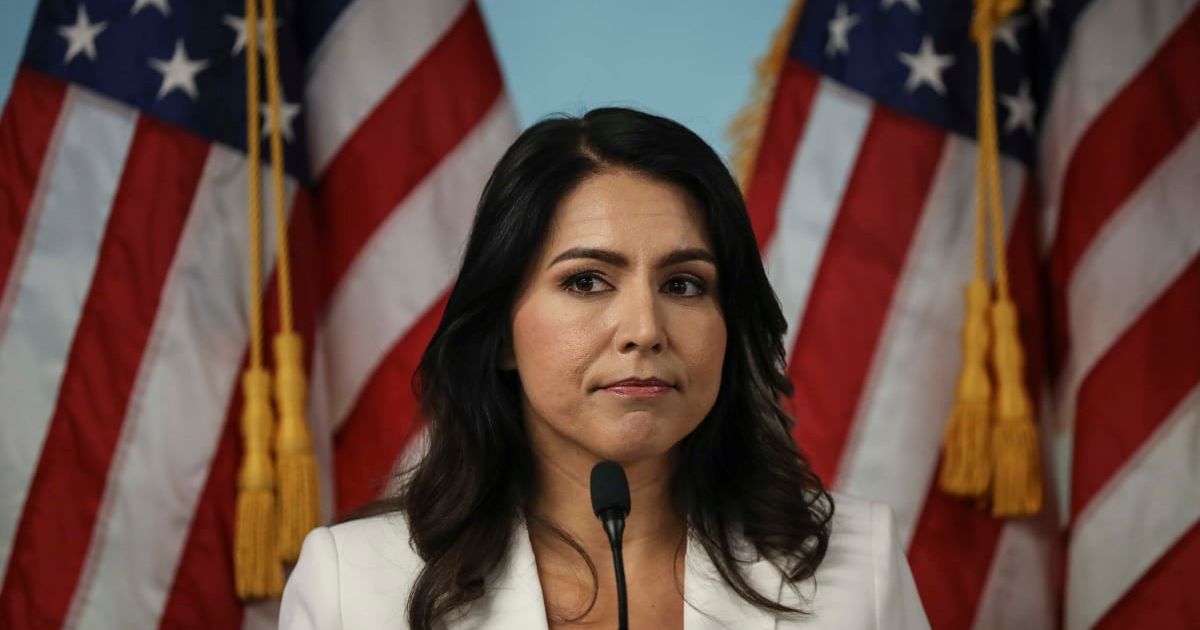
WASHINGTON, DC: Director of National Intelligence Tulsi Gabbard on Tuesday, March 24, released a set of declassified documents related to the 2019 impeachment inquiry into President Donald J. Trump, stating the materials raise questions about how the intelligence process was handled at the time.
The documents, which include internal records and transcripts tied to former Intelligence Community Inspector General Michael Atkinson, were made public following a House Intelligence Committee vote led by Chairman Rick Crawford.
Newly-declassified records expose how deep state actors within the Intelligence Community concocted a false narrative that Congress used to usurp the will of the American people and impeach duly-elected President @realDonaldTrump in 2019.
— DNI Tulsi Gabbard (@DNIGabbard) April 13, 2026
Today, we reveal the truth 👇… pic.twitter.com/oLXW5nqi2n
According to Gabbard, the release is part of a broader effort to increase transparency around past intelligence assessments and investigative procedures.
She said the materials would allow the public and lawmakers to review how the whistleblower complaint connected to the Trump-Ukraine call was evaluated and advanced within the Intelligence Community.
The documents include previously unreleased interview transcripts, internal notes, and procedural records from the Office of the Inspector General.
Whistleblower had zero firsthand knowledge
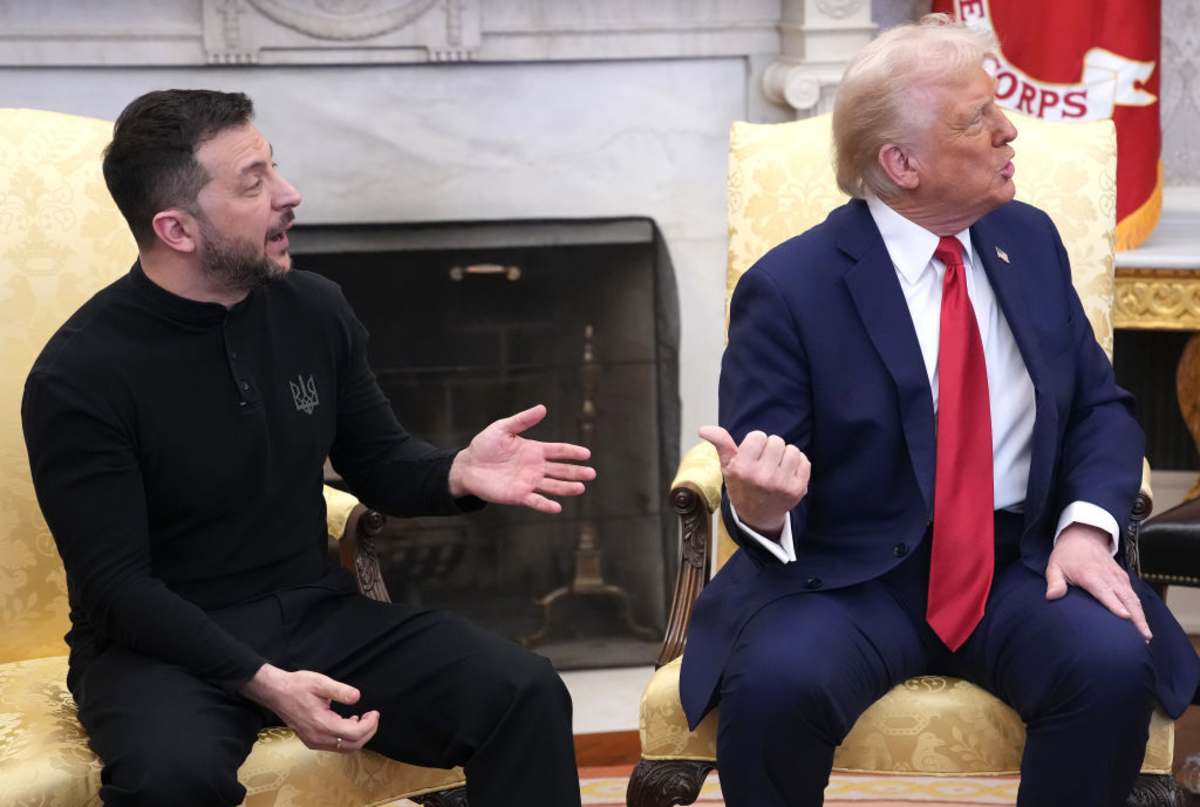
Among the details highlighted in the documents is the whistleblower’s initial acknowledgment that they did not have direct, firsthand knowledge of the July 2019 phone call between Trump and Ukrainian President Volodymyr Zelensky.
In early filings, the complainant stated they relied on information obtained from other officials.
Additional testimony from individuals referenced in the complaint suggests that some conclusions were drawn based on the interpretation of available information rather than direct observation.
One individual described forming an understanding of events by “reading between the lines,” according to the transcripts.
The whistleblower complaint was ultimately classified as an “urgent concern” by the Inspector General, allowing it to be forwarded to Congress under existing procedures.
Russia Hoax co-author fueled conspiracy
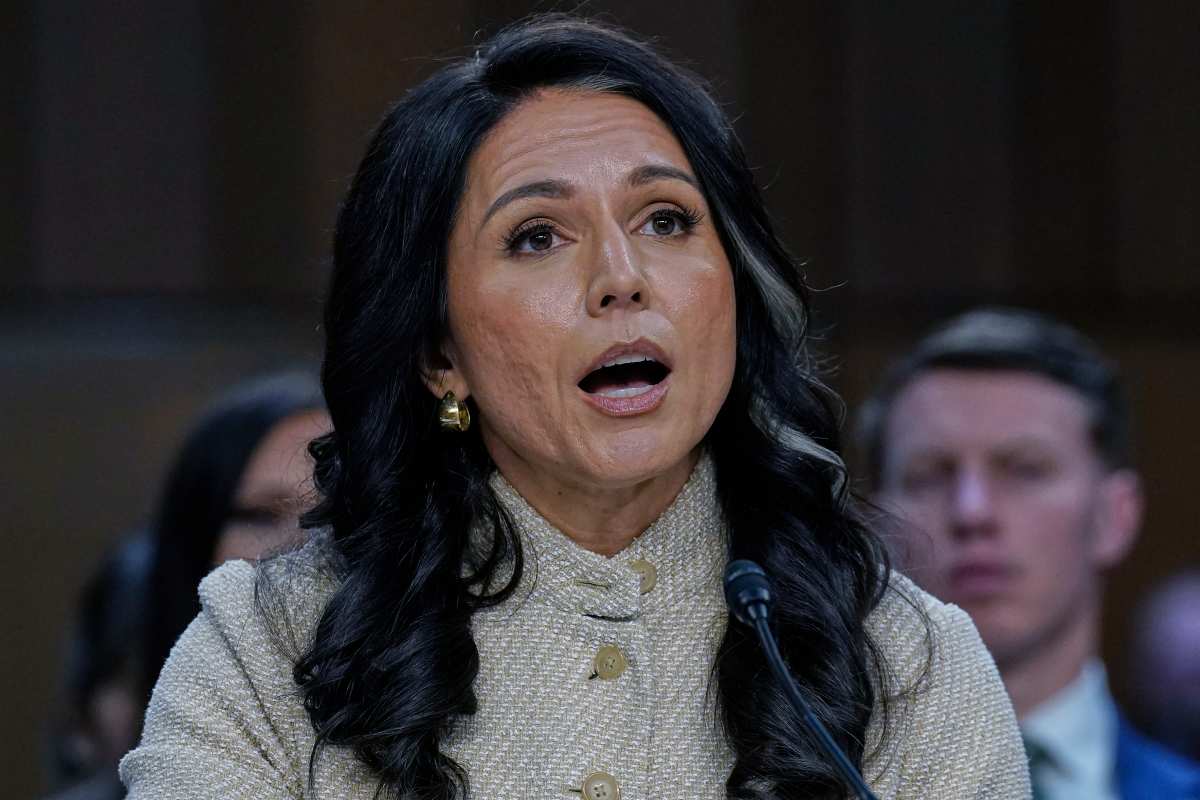
The documents also reference the involvement of a second witness who had prior experience working on earlier intelligence assessments, including the 2017 Intelligence Community Assessment on Russia.
The individual’s role in the 2019 inquiry included providing context and analysis tied to the whistleblower’s claims.
According to the transcripts, the witness had previously expressed strong views on policy decisions during the Trump administration.
However, the documents do not indicate that these views were formally used to assess credibility within the investigative process.
Gabbard stated that the involvement of individuals with prior roles in earlier intelligence reviews underscores the need for closer scrutiny of how such investigations are conducted.
Whistleblower lied about Democrat coordination

The released materials indicate that the whistleblower initially denied having contact with congressional offices before filing the complaint.
Subsequent testimony reflects that the individual later acknowledged informing staff members on the House Permanent Select Committee on Intelligence before formally submitting the report.
The documents also reference the whistleblower’s professional background, including prior work within government and interactions with senior officials.
These factors were documented during the Inspector General’s review process.
Atkinson testified to Congress during the impeachment proceedings that he did not determine the whistleblower to be politically biased, a position that became a point of debate during subsequent hearings.
IG weaponized process against DOJ
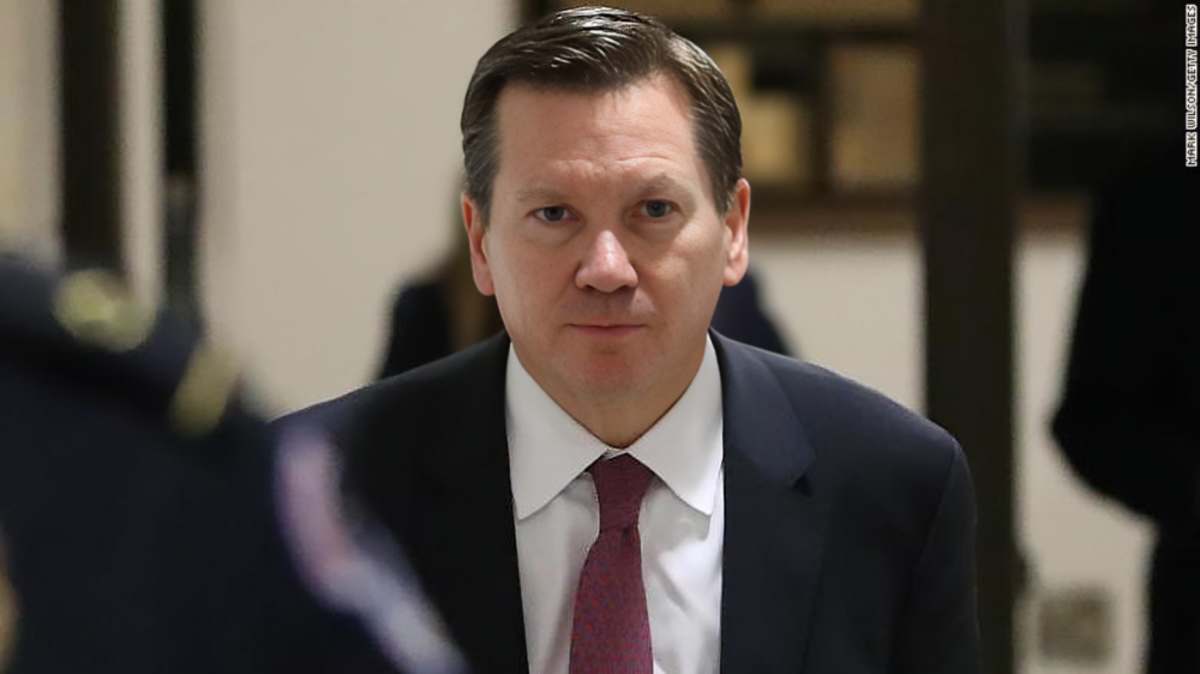
The declassified records show that the Department of Justice’s Office of Legal Counsel assessed the complaint and concluded it did not meet the statutory definition of an “urgent concern” because it did not directly involve intelligence activities. Despite this, the Inspector General moved forward with notifying Congress.
The documents also indicate that procedural updates were made to whistleblower submission forms prior to the complaint being filed, including changes related to the requirement for firsthand knowledge.
Officials involved have previously stated that such updates were part of broader administrative revisions.
Correspondence included in the release shows coordination between oversight offices across agencies as the complaint moved through the review process.
Gabbard vows transparency and accountability
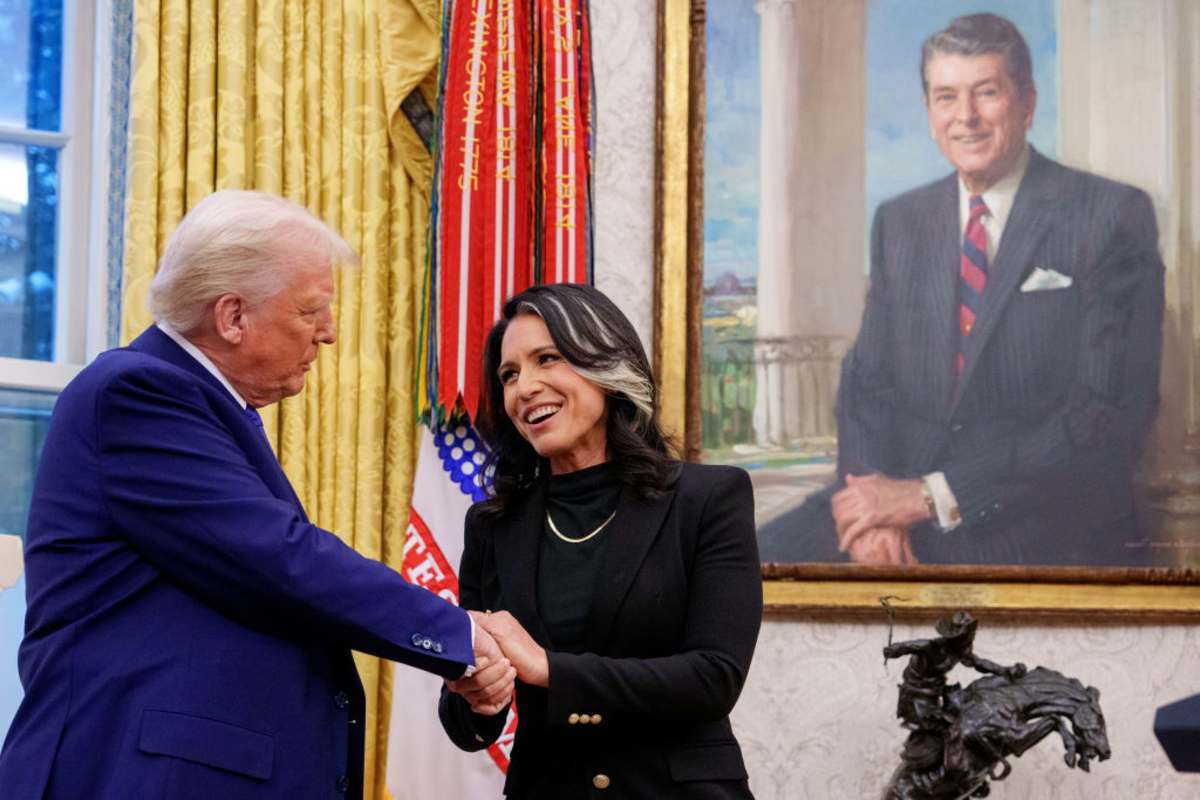
Gabbard said the release is intended to provide a clearer public record of how intelligence-related complaints are handled and to allow lawmakers to assess whether procedural safeguards were followed.
“The American people deserve full transparency,” she said in a statement accompanying the documents.
She added that further reviews may follow as officials examine the materials and their implications for oversight practices.
Lawmakers from both parties are expected to review the documents as part of ongoing discussions around intelligence accountability.