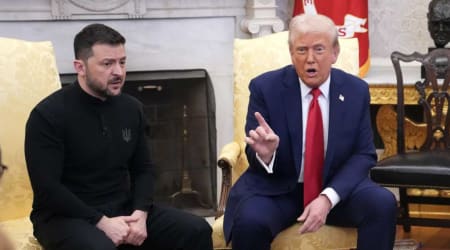
Roger Stone ‘sealed the deal’ blocking Trump move to fire Tulsi Gabbard
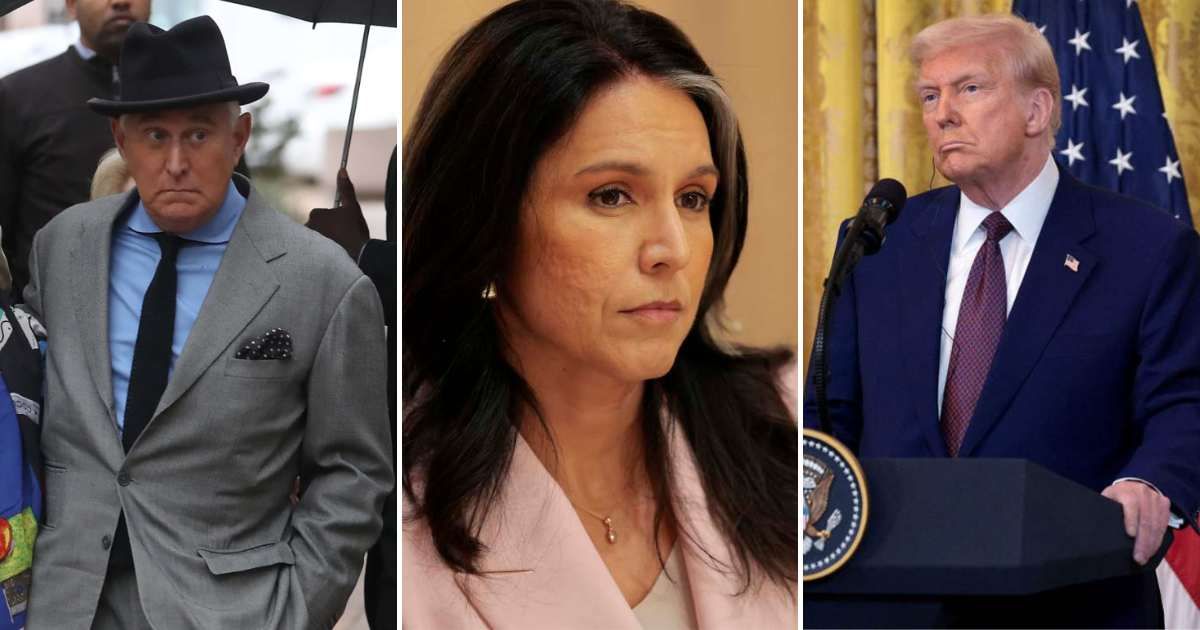
WASHINGTON, DC: President Donald Trump considered removing Director of National Intelligence Tulsi Gabbard last week before ultimately deciding against the move following internal discussions, according to an Axios report citing sources familiar with the matter.
The deliberations came amid tensions within the administration over messaging related to the ongoing conflict with Iran.
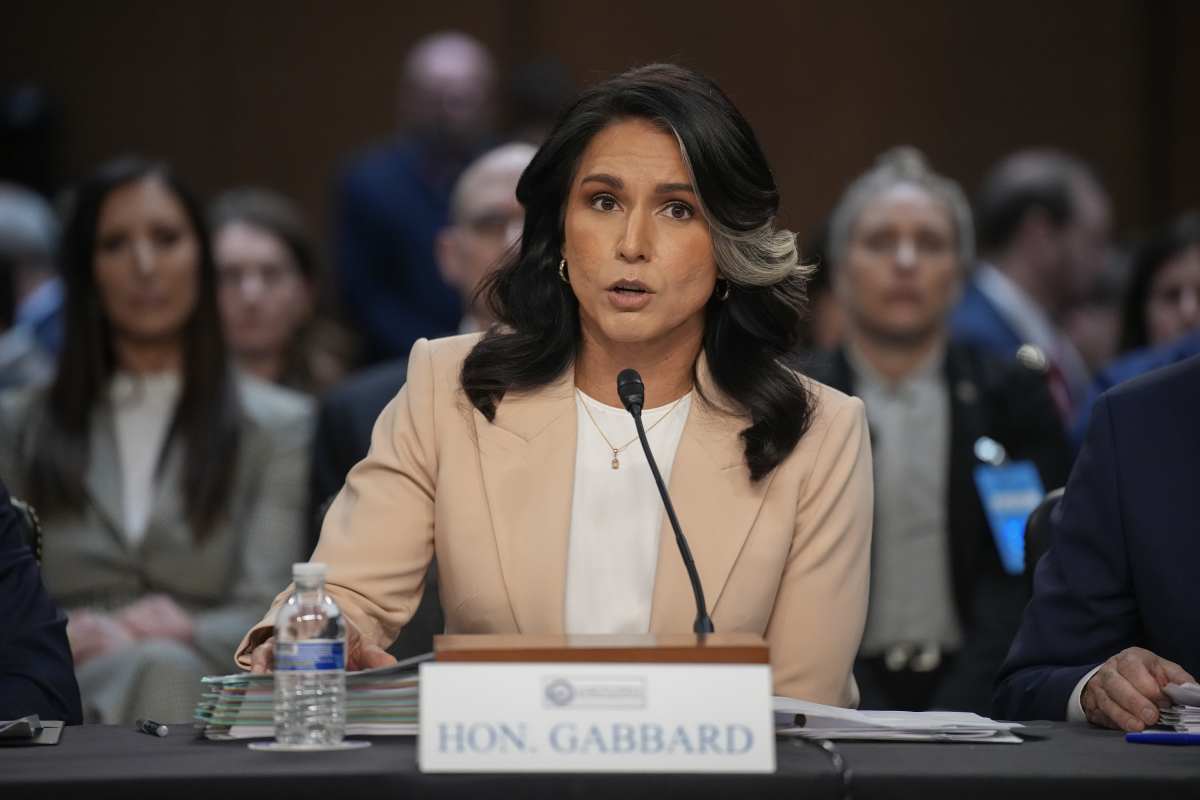
Sources said the President’s concerns intensified after Gabbard’s recent congressional testimony, where her remarks were viewed by some officials as not fully aligned with the administration’s position.
The situation was further complicated by the resignation of Joe Kent, a senior counterterrorism official within the intelligence structure, which drew additional attention to internal policy differences.
Trump reportedly met with Gabbard privately to address these concerns. No official action was taken, and Gabbard remains in her role as Director of National Intelligence.
Stone warns of 2028 primary threat
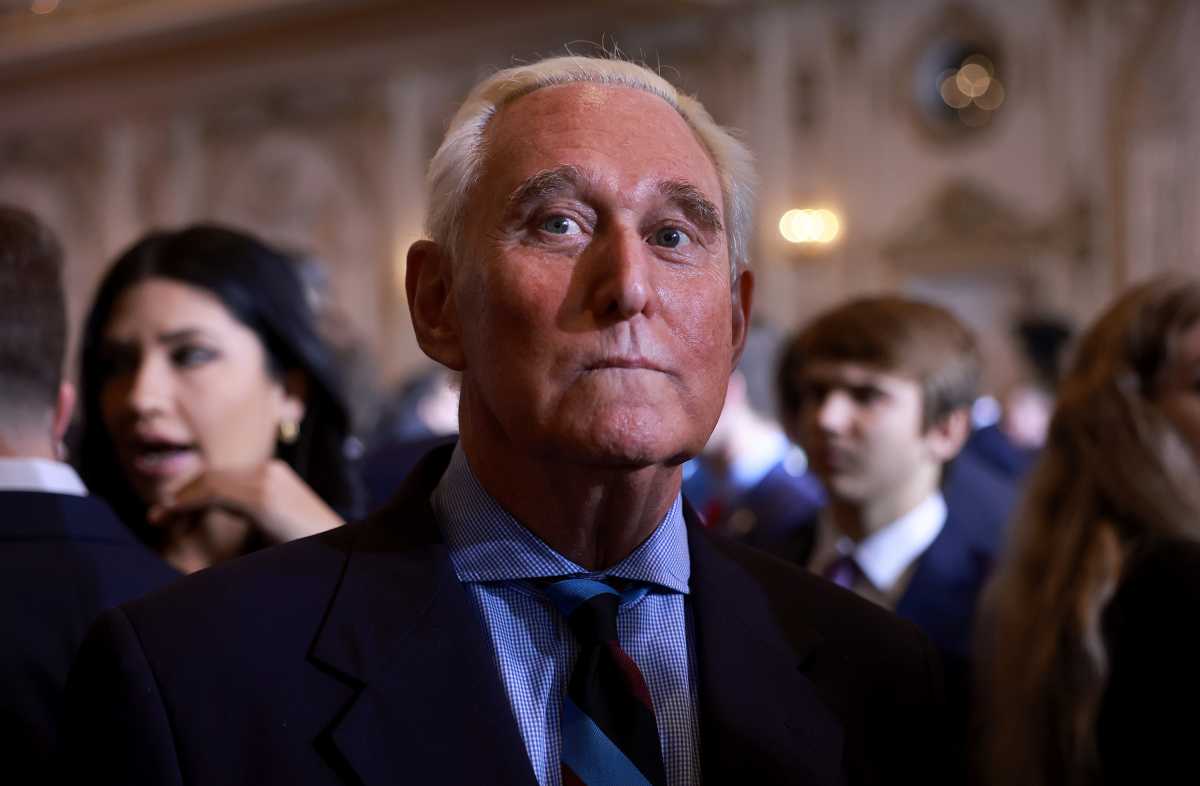
According to sources, longtime Trump associate Roger Stone communicated with the President during the deliberation period, outlining the potential political implications of removing Gabbard. Stone argued that such a move could have broader effects within the Republican base and future electoral dynamics.
Among the concerns raised was the possibility that Gabbard could emerge as a political contender if removed, particularly in a future presidential cycle.
Stone also emphasized that maintaining stability within the national security team during an active conflict could help avoid additional disruptions.
Stone later confirmed publicly that he had spoken with the President, though he did not provide details of the discussion.
The White House has not formally commented on the internal decision-making process.

Loomer feud ignites over Israel policy
The situation has also highlighted divisions among Trump-aligned figures over foreign policy and personnel decisions.
Political activist Laura Loomer has publicly criticized Gabbard, raising questions about her positions and past staffing choices.
These criticisms have centered in part on Gabbard’s hiring of officials with views that differ from traditional US foreign policy positions, including perspectives on the Middle East.
Allies of Gabbard have rejected claims that she was asked to resign, calling such reports inaccurate.
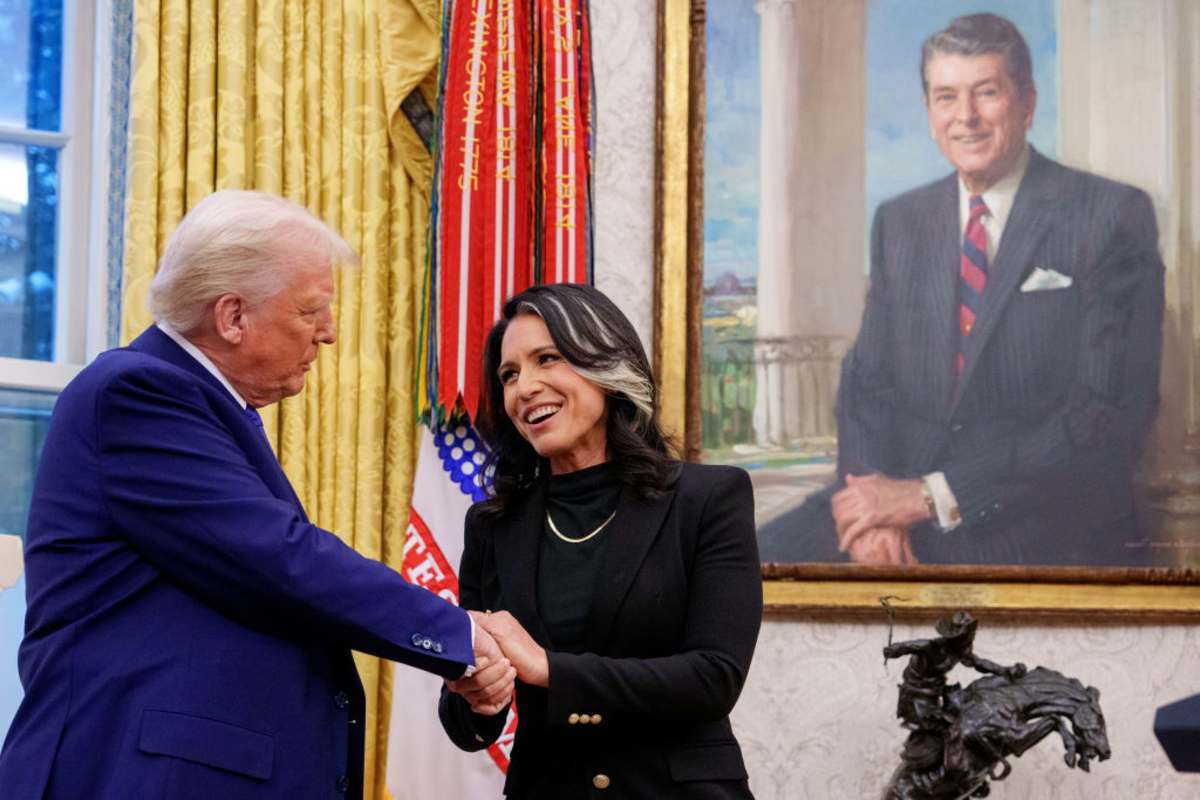
Despite the internal disagreements, the White House has issued statements of support. Press Secretary Karoline Leavitt said that “President Trump believes Tulsi Gabbard is doing an excellent job,” describing her as a key member of the national security team.
While tensions have surfaced publicly, no changes to Gabbard’s position have been announced, and officials indicate that the administration is maintaining continuity within its intelligence leadership.