Gallup to stop tracking presidential approval ratings after nearly nine decades
WASHINGTON, DC: Gallup is pulling the plug on one of America’s most reliable political scorecards.
After more than eight decades of tracking how voters feel about the commander-in-chief, the polling giant confirmed Wednesday that it will stop publishing presidential approval and favorability ratings of individual political figures starting this year.
End of an era
Gallup said the decision was part of a broader pivot in how it plans to conduct and present its research moving forward. The agency insisted that it wasn't a retreat from public opinion work, but rather a refocus on wider societal issues.
In a statement, the company said the decision “reflects an evolution in how Gallup focuses its public research and thought leadership.”
A spokesperson elaborated further. “Our commitment is to long-term, methodologically sound research on issues and conditions that shape people’s lives," they said. "That work will continue through the Gallup Poll Social Series, the Gallup Quarterly Business Review, the World Poll, and our portfolio of US and global research."
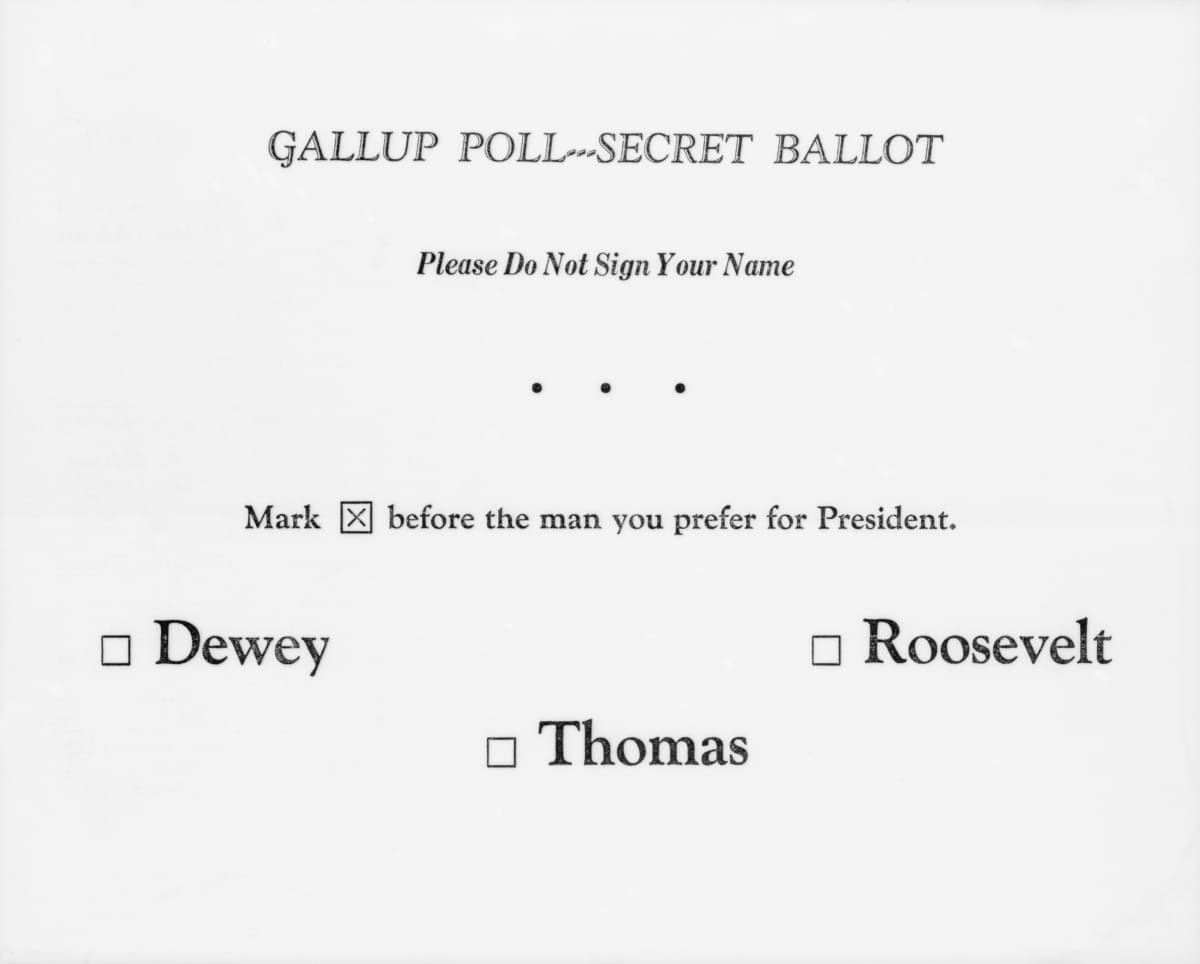
For decades, the Gallup Presidential Approval Rating has served as one of the most widely cited gauges of public perception of a sitting president’s performance. News outlets, political strategists, and historians have leaned on the data to measure popularity swings and track public sentiment across administrations.
Gallup stressed that the move is not a sudden change in course. “This change is part of a broader, ongoing effort to align all of Gallup’s public work with its mission,” a spokesperson said. “We look forward to continuing to offer independent research that adheres to the highest standards of social science.”
Trump's ratings and historical context
The announcement arrives as President Donald Trump’s approval ratings from the agency had slipped in recent months. His Gallup rating peaked at 47 percent last February before sliding to less than 37 percent in the pollster’s final survey conducted in December.
The decline suggested waning support across multiple voter groups. Trump appeared to be losing ground in several areas, including among Republican voters and on key issues that were previously considered strengths during his 2024 re-election campaign, such as immigration.
According to reporting by The Hill, “Trump’s Gallup approval rating as of last December was among the lowest the organization had found since it began taking the poll in the 1930s.”
The outlet also noted that its reporter asked Gallup whether the agency “had received any feedback from the White House or anyone in the current administration before making the decision,” to which the pollster responded, “This is a strategic shift solely based on Gallup’s research goals and priorities.”
Historically, Gallup’s data has captured major swings in public support across presidencies. Former President Harry Truman posted an average approval rating of 45 percent during his tenure from April 1945 to January 1953. Former President Joe Biden recorded an average of 42 percent during his term from January 2021 to January 2025.
On the other hand, former President John F. Kennedy registered one of the highest average approval ratings Gallup ever recorded, at 71 percent from January 1961 to November 1963. Former President Dwight D. Eisenhower also maintained strong public support, with an average approval rating of 61 percent from January 1953 to January 1961.
Backlash and Gallup’s expanding focus
The decision to end presidential approval tracking sparked immediate reactions from veteran journalists and observers.
FIRE Executive Vice President Nico Perrino was skeptical about the move. “It’s hard to believe this isn’t connected to Trump’s litigiousness, which is a threat to press freedom," Perrino alleged.
Conservative columnist Quin Hillyer also blasted the move. "This makes NO sense! Gallup's presidential polling IS how it remains both relevant and indisputably the most well-known polling outfit in America. Stupid decision!" they fumed.
Peter Baker, Chief White House Correspondent for The New York Times, described the move as "a huge loss for journalists and others who follow politics."
When a recent Times Siena poll showed Trump's approval rating slipping, he said he was going to add the poll to his meritless defamation suit against @nytimes.
— Nico Perrino (@NicoPerrino) February 11, 2026
He's sued other pollsters, too.
It's hard to believe this isn't connected to Trump's litigiousness, which is a threat… https://t.co/jihx7OPm9N
This makes NO sense! Gallup's presidential polling IS how it remains both relevant and indisputably the most well-known polling outfit in America. Stupid decision! @Gallup @peterbakernyt @jmart
— Quin Hillyer (@QuinHillyer) February 11, 2026
This is a huge loss for journalists and others who follow politics. @Gallup has been the top source for presidential approval since FDR and particularly valuable because of that historical context with apples-to-apples numbers that allow us to make comparisons and see patterns. https://t.co/E99t6TFzRF
— Peter Baker (@peterbakernyt) February 11, 2026
Regardless, it's worth noting that Gallup has considerably broadened its polling operations in recent years. The company now goes beyond politics to conduct surveys on topics ranging from employee workplace engagement to public attitudes toward artificial intelligence, as well as global measures of institutional trust and overall happiness.