Hawaii justice says state constitution 'takes no instruction' from Roberts' Supreme Court
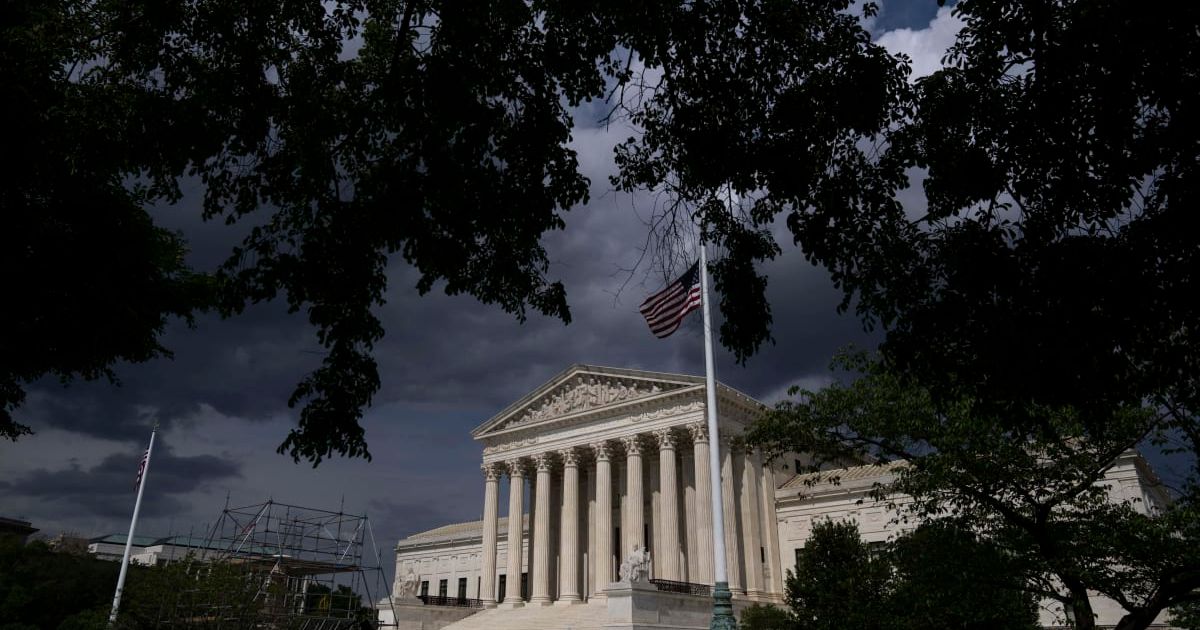
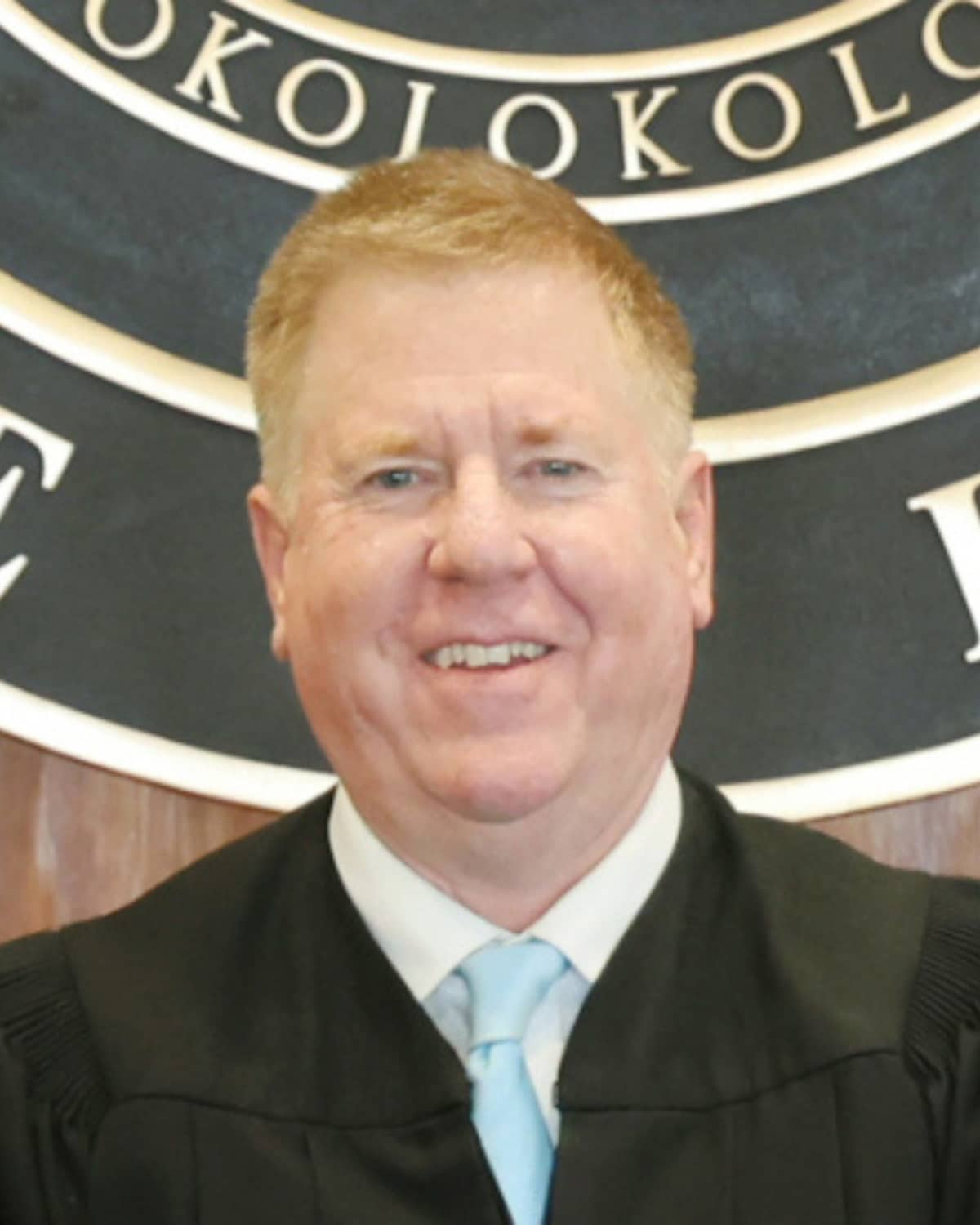
HONOLULU, HAWAII: A Hawaii Supreme Court justice used a ruling ordering a new criminal trial to launch an extraordinary attack on Chief Justice John Roberts' Supreme Court, declaring that Hawaii's Constitution "takes no instruction" from the nation's highest court.
Justice Todd Eddins' 91-page opinion, issued Wednesday in State v Granillo, not only overturned a decades-old conviction because of discredited FBI forensic evidence but also devoted several pages to arguing that recent US Supreme Court decisions have weakened constitutional protections, undermined democratic institutions, and expanded government power.
The unusually broad criticism quickly drew backlash from conservative legal commentators, intensifying debate over the relationship between state and federal courts.
Criminal case sparks broader critique
The case centered on a man convicted in 1990 of kidnapping and assaulting a woman on Maui.
Hawaii's highest court ordered a new trial after concluding that testimony from an FBI hair and fiber expert relied on forensic techniques that have since been widely discredited.
Rather than limiting the opinion to the evidentiary issues before the court, Eddins used the ruling to argue that state constitutions play a critical role when federal constitutional protections are, in his view, narrowed by the US Supreme Court.

"When six justices walk away from those they are supposed to protect, state constitutions hold the line," Eddins wrote. "That is not defiance. That is the design."
Roberts Court faces sharp criticism
Eddins accused the Roberts Court of abandoning constitutional principles established in landmark civil rights decisions, contrasting Brown v Board of Education with Dred Scott v Sandford and Plessy v Ferguson.
He argued that the court's originalist approach has weakened protections guaranteed under the federal Constitution and cited several of its most consequential rulings as examples.

Those included Dobbs v Jackson Women's Health Organization, which ended the federal constitutional right to abortion; Trump v United States, which recognized broad presidential immunity for official acts; Citizens United v FEC on campaign finance; Rucho v Common Cause on partisan gerrymandering; and New York State Rifle & Pistol Association v Bruen, which expanded Second Amendment protections.
"The Court overrides what Congress passed. It overrides what the people chose. All to serve its own ends," Eddins wrote.
Conservatives condemn unusual opinion
The opinion prompted swift criticism from conservative legal scholars, who argued the language crossed traditional judicial boundaries.

Iowa Solicitor General Eric Wessan described it as an "unhinged attack" on the legitimacy of the US Supreme Court, saying he had never seen a state court opinion devote so much space to criticizing the nation's highest court.
George Washington University law professor Jonathan Turley similarly said the decision lacked judicial restraint, arguing it read more like a political commentary than a judicial opinion.
The Spirit of Aloha rages against the U.S. Constitution and the U.S. Supreme Court. Mad not only about the result in Wolford v. Lopez, the Court issues an unhinged attack on the legitimacy of the Supreme Court. I haven't ever seen something like this. And it's not good. pic.twitter.com/FYxTVHCN4e
— Eric W. (@EWess92) July 17, 2026
State-federal tensions intensify
The opinion arrives weeks after the US Supreme Court handed Hawaii a significant defeat in Wolford v Lopez, a 6-3 ruling that struck down portions of the state's firearm carry restrictions, including its so-called "vampire rule."
Appointed to the Hawaii Supreme Court in 2020 by then-Gov David Ige, Eddins has now placed Hawaii at the center of a broader constitutional debate over the authority of state courts to interpret their own constitutions independently of evolving federal precedent.

While states have long recognized broader protections under their own constitutions in certain areas, Eddins' unusually direct criticism of the Roberts Court has transformed a criminal appeal into one of the year's most closely watched flashpoints in the ongoing conflict over constitutional interpretation.