Bill and Hillary Clinton's lawyers, House GOP clashed over Epstein probe testimony terms
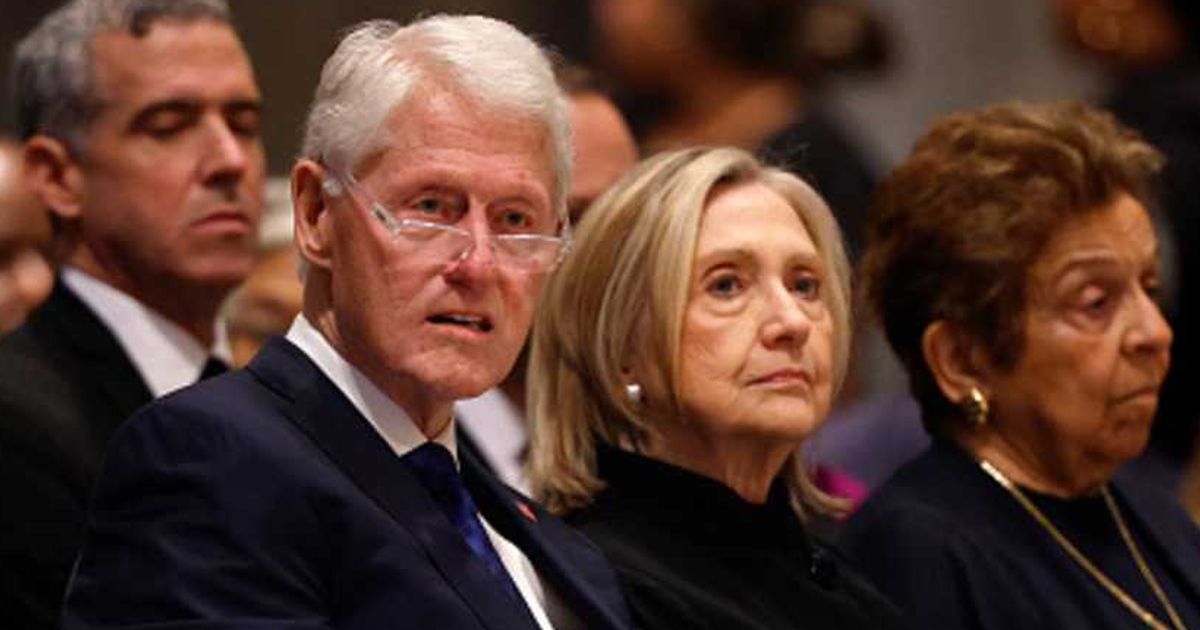
WASHINGTON, DC: A tense political standoff is unfolding between Bill and Hillary Clinton and House Republicans as lawmakers push for testimony tied to the Jeffrey Epstein investigation.
The dispute came to a head as the House Oversight Committee weighed holding both Clintons in contempt of Congress if they failed to comply with subpoenas linked to the Epstein probe.

Clintons seek public testimony in Epstein probe
At the heart of the standoff is the format of the Clintons’ testimony. In a letter sent to House Oversight Committee Chair James Comer, R-Kentucky, lawyers for the former president and former secretary of state offered dates to testify but said they preferred to do so publicly.
According to the letter, Hillary Clinton offered to appear before the committee on February 26, while Bill offered to testify the following day, February 27. Both dates were confirmed by a Clinton spokesperson and by Rep Robert Garcia, D-California, the committee’s ranking Democrat.
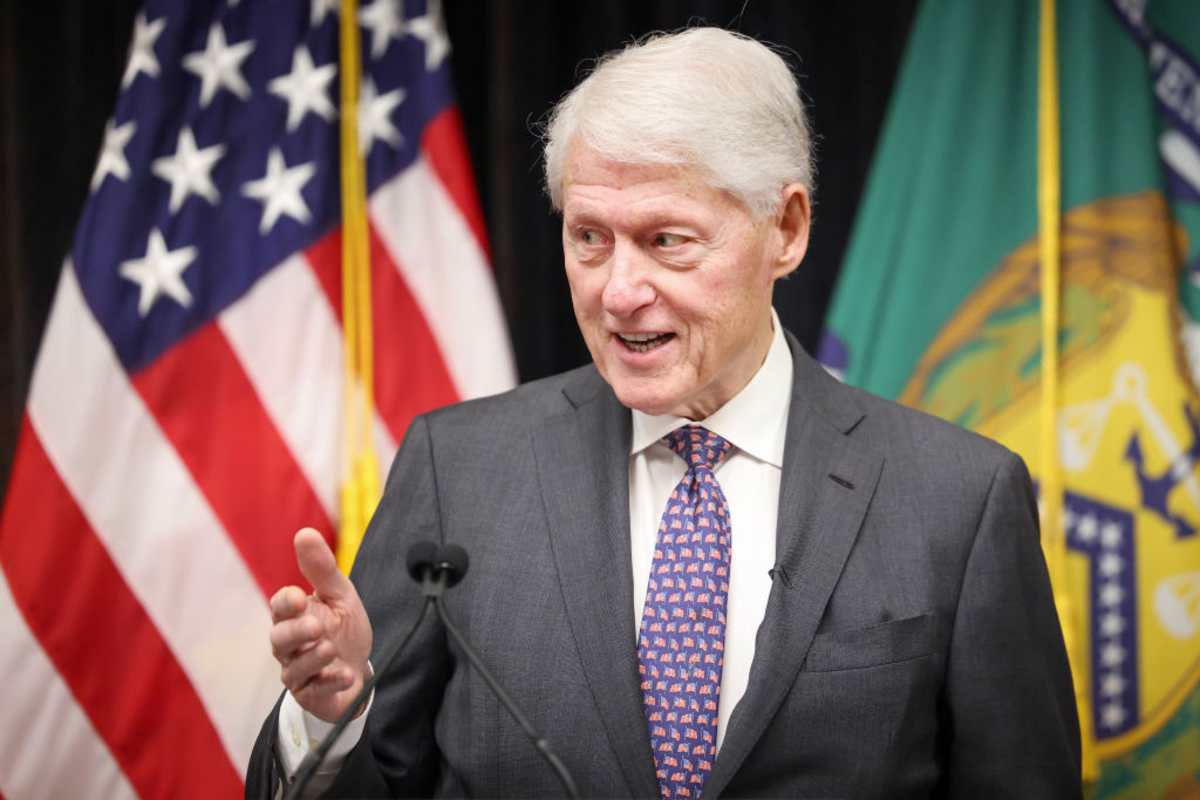
“Though you have notably never asked the Clintons to appear in an open hearing, we now believe that will best suit our concerns about fairness,” the letter said. “Their answers, and your questions, can be seen by all to be judged accordingly.”
House Republicans, however, have insisted on transcribed, recorded depositions, a process conducted behind closed doors. James Comer said that the Clintons had agreed to those terms, a claim that was immediately disputed by Clinton representatives.
Clinton-Comer dispute intensifies before contempt vote
Soon after Comer announced that the Clintons would sit for closed-door depositions, Hillary Clinton spokesperson Nick Merrill pushed back publicly.
“At the 11th hour, James Comer asked for a camera, that’s fine. He can have 1,000 cameras. The Clintons will do this publicly,” Merrill wrote on X.
At the 11th hour, James Comer asked for a camera, that’s fine. He can have 1,000 cameras. The Clintons will do this publicly.
— Nick Merrill (@NickMerrill) February 3, 2026
Angel Urena, Bill Clinton’s spokesperson, amplified the message by reposting Merrill’s statement, signaling clear disagreement with Comer’s version of events.
Speaking to reporters outside the Capitol, Comer said the Clintons had agreed to “the rules of a standard deposition” and would not receive special treatment. He added that if anything “meaningful” emerged from the depositions, Republicans could later invite the Clintons to testify in a public hearing.
The Oversight Committee had set a deadline of noon ET Tuesday, February 3, for the Clintons to comply with subpoenas.
House Majority Leader Steve Scalise, R-Louisiana, warned that the House would move forward with a contempt vote if cooperation was not secured. The committee voted last month to recommend holding both Clintons in contempt of Congress.
Epstein probe revives scrutiny of Clintons
The investigation stems from renewed scrutiny of Jeffrey Epstein, the late financier who died in jail in 2019 while facing federal sex trafficking charges. Bill Clinton has acknowledged knowing Epstein but has repeatedly denied any knowledge of his crimes or any wrongdoing.
Clinton has said he cut off contact with Epstein before Epstein’s 2006 arrest and has not been accused by any survivors. Still, undated photographs of Clinton appearing at Epstein’s properties were included in documents released by the Justice Department, adding fuel to Republican calls for testimony.
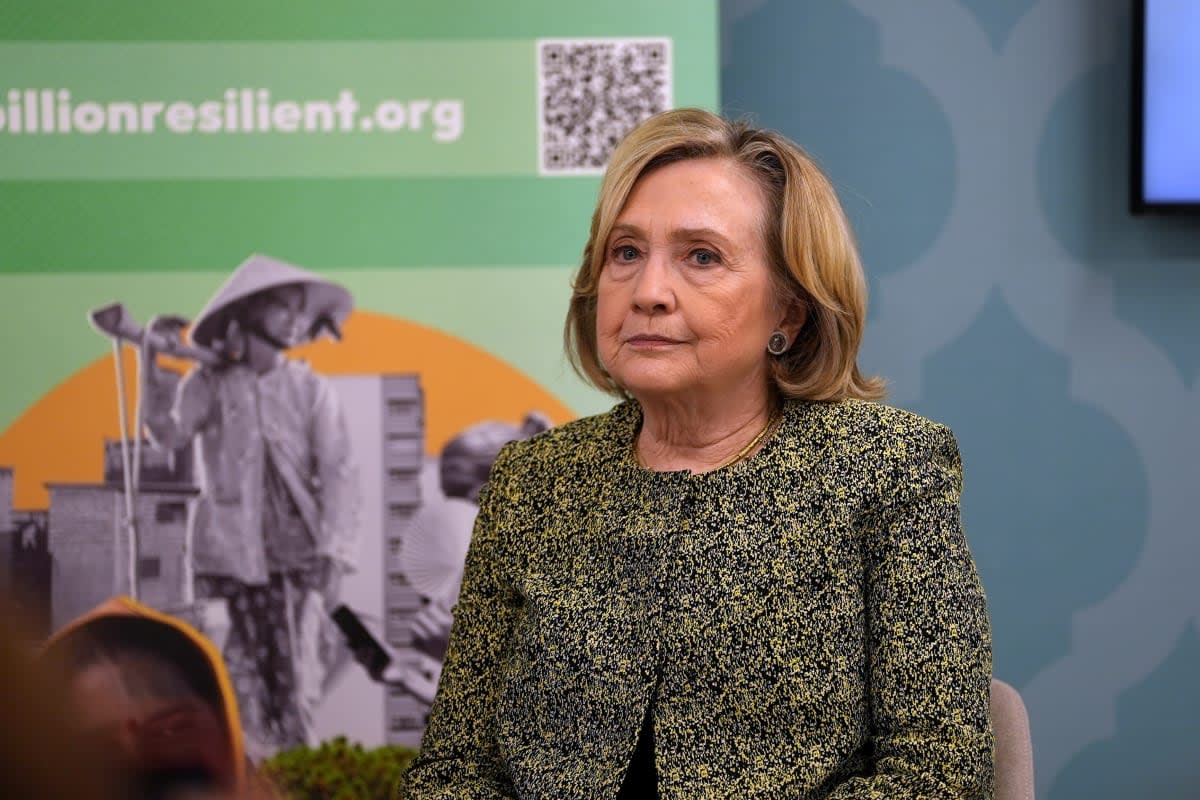
Hillary Clinton, for her part, has not been accused of any connection to Epstein’s crimes. Her spokesman questioned the committee’s focus on her involvement, saying in December, “Since this started, we’ve been asking what the hell Hillary Clinton has to do with this, and he hasn’t been able to come up with an answer.”
They negotiated in good faith. You did not.
— Angel Ureña (@angelurena) February 2, 2026
They told you under oath what they know, but you don’t care.
But the former President and former Secretary of State will be there.
They look forward to setting a precedent that applies to everyone. https://t.co/iO67XjNFsT
Testimony from a former president before Congress is exceedingly rare. The last time it happened was in 1983, when Gerald Ford testified before a Senate subcommittee.
Despite the heated exchanges, Urena said that the Clintons had acted in good faith throughout the process.
“They told you under oath what they know, but you don’t care,” he wrote. “But the former president and former secretary of state will be there. They look forward to setting a precedent that applies to everyone.”