House prepares for vote on $901B defense bill as Republicans warn of internal revolt
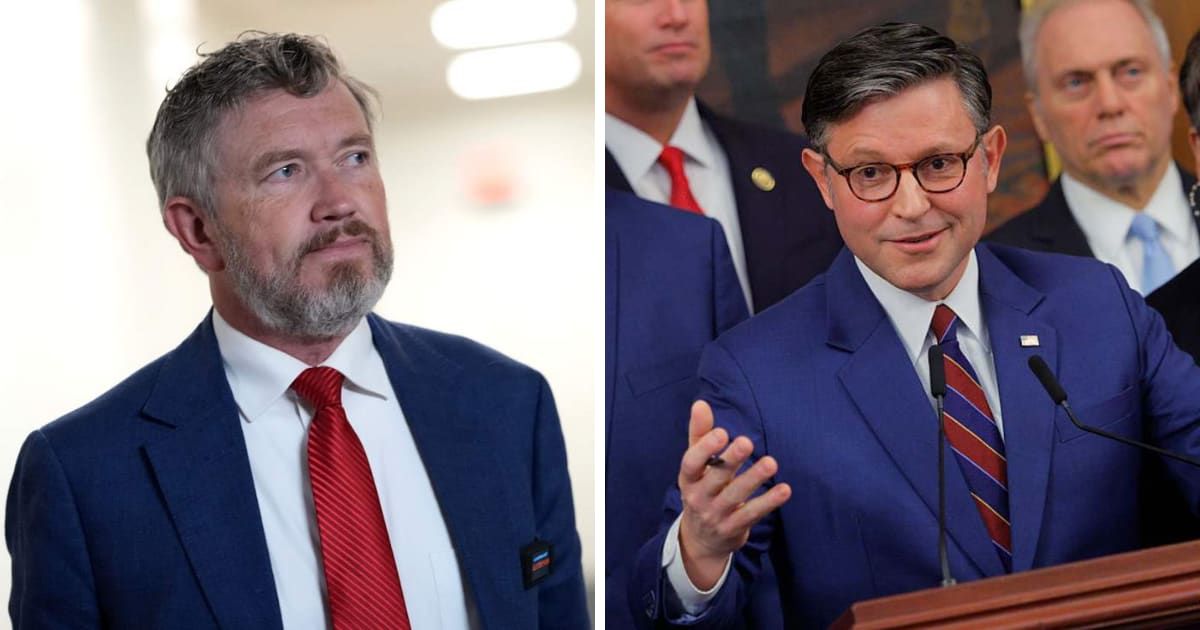
WASHINGTON, DC: A massive legislative package setting the nation’s defense policy for the fiscal year cleared a preliminary hurdle on Tuesday night, December 9. But its path to the final passage remains fraught with uncertainty as House Republican leaders brace for a potential conservative revolt.
After hours of debate, the House Rules Committee advanced the approximately $900 billion National Defense Authorization Act along party lines, while setting up a pivotal chamber‑wide vote on Wednesday afternoon.
To bring the bill to the floor for debate, the House must first pass a "rule vote." Historically, a routine procedural step supported by the majority party, it has increasingly become a weapon for dissatisfied factions to stall legislation.

Texas Republican warns of red lines in defense spending bill
Several conservatives have voiced frustration that the 3,000-page bill excludes specific priorities, particularly a ban on central bank digital currency (CBDC).
Representative Keith Self (R-Texas) expressed his dismay that language authored by Majority Whip Tom Emmer was seemingly left out.
🚨BREAKING: I have submitted an amendment to add a Central Bank Digital Currency (CBDC) ban to the National Defense Authorization Act (NDAA).
— Rep. Keith Self (@RepKeithSelf) December 9, 2025
Promises were broken to include this language in the NDAA. My amendment would fix the bill.
The House Rules Committee meets later TODAY… pic.twitter.com/9zLQUk6QSm
"Conservatives were promised that an anti-central bank digital currency language... would be in the NDAA," Self said on Monday. "Our initial reading of it... is that it is not in there. And then there is no anti-ab**tion language either."
"So, as we fund our military, there are red lines that we need to put in here," Self added, noting that he was undecided on the procedural vote but would vote "no" on the final legislation.

Frustration over 'closed door' process
Other members directed their ire at the process itself. Representative Greg Steube (R-Fla) lamented the lack of transparency in crafting the final text.
"All of this was negotiated behind closed doors," Steube told Fox News Digital.
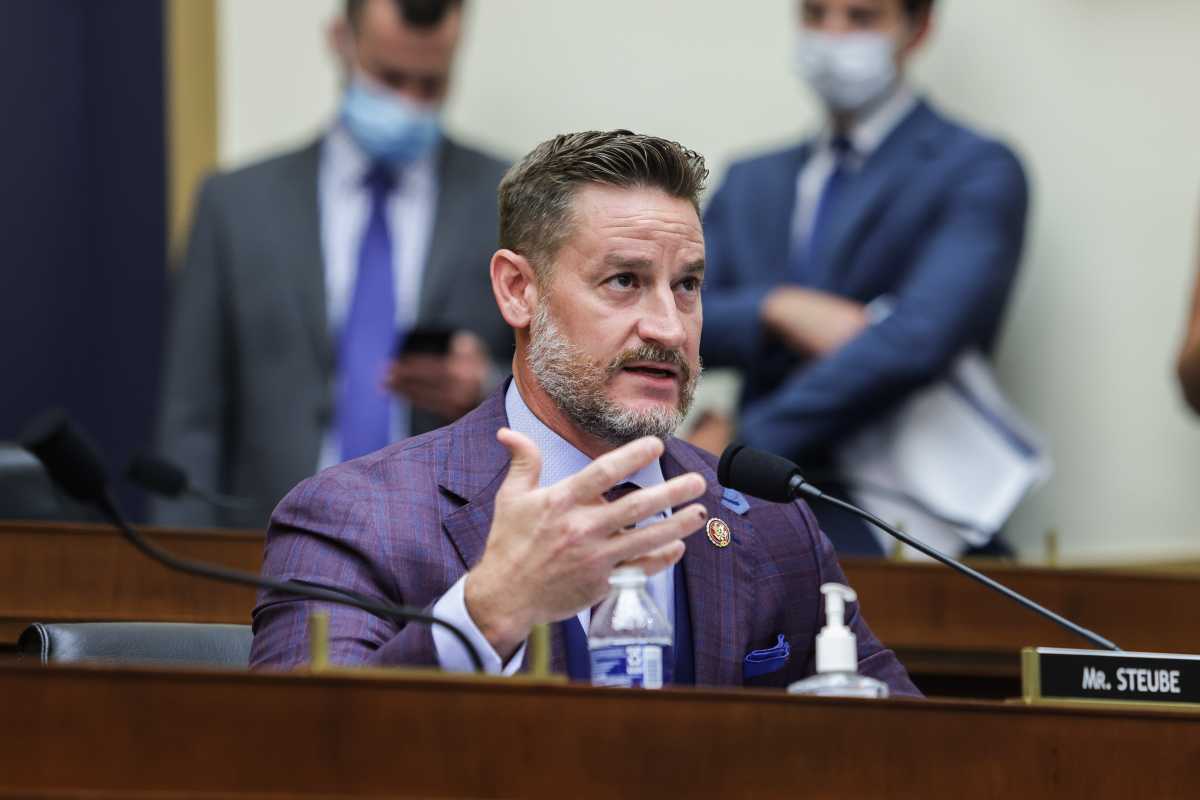
"We're getting shoved, and we just have to eat it, or, you know, vote against increasing pay to our military service members. It's a very unfortunate situation to be in, that the speaker keeps putting us in," he stated.
Representative Thomas Massie (R-Ky) indicated he was likely to vote "no" on the rule vote.
Leadership sees a path forward
Despite the friction, GOP leadership remains optimistic. They point out that the bill includes a pay raise for troops and measures codifying President Trump's agenda to counter China.
In a positive sign for Mike Johnson, three members of the House Freedom Caucus who sit on the Rules Committee - Representatives Morgan Griffith, Chip Roy, and Ralph Norman - all voted to advance the bill to the floor.
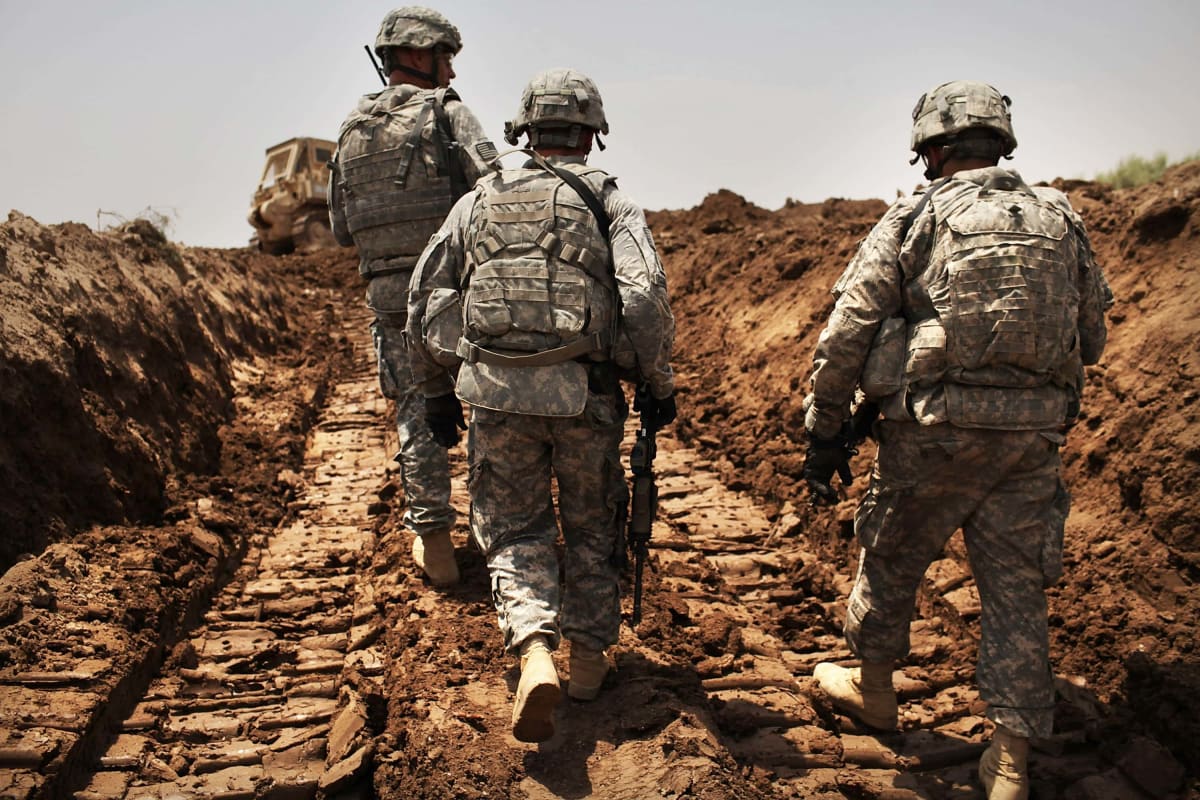
If the procedural vote fails, leaders could attempt to pass the bill under a "suspension of the rules," which bypasses the hurdle but requires a two-thirds majority for passage, necessitating significant Democratic support.
Representative Adam Smith (D-Wash), the top Democrat on the Armed Services Committee, signaled that he would support the final bill despite his own reservations.
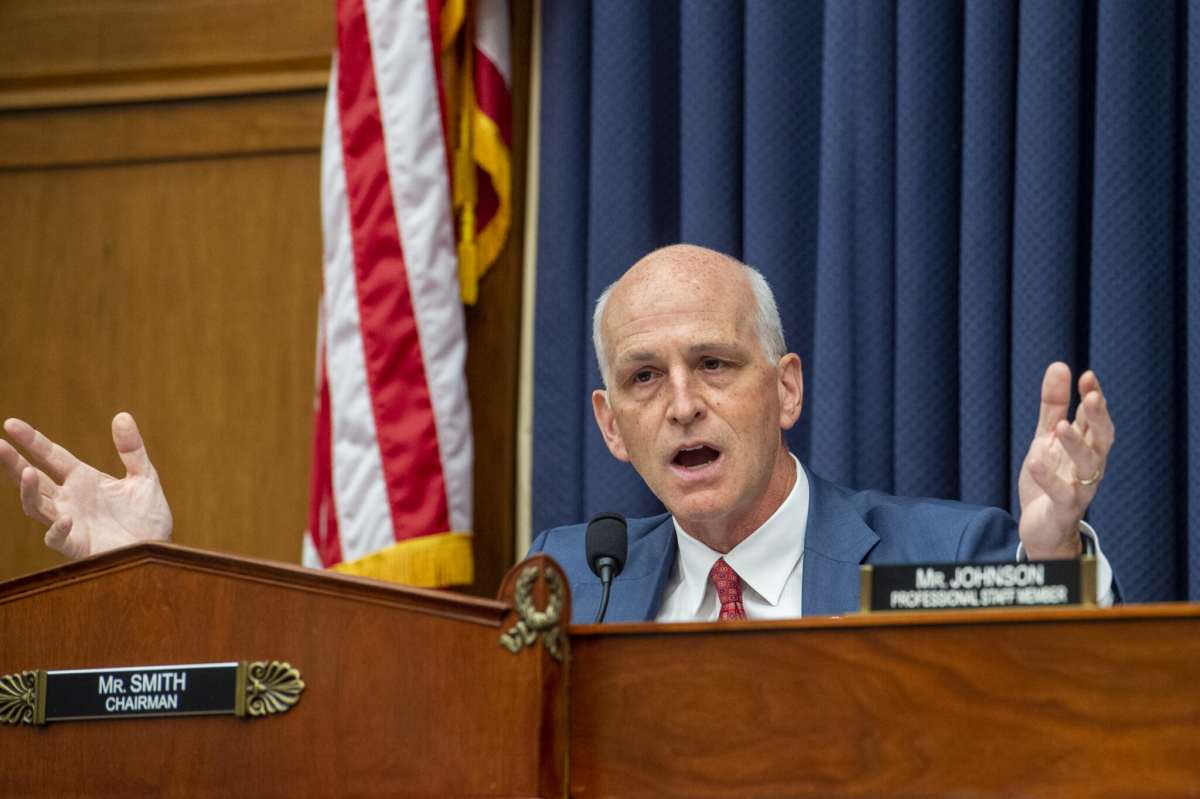
"I will vote for the NDAA despite concerns with how a number of issues were handled by the Speaker and the White House during final negotiations," Smith stated.