ICE academy training slashed to 47 days in bizarre homage to Trump months before Minnesota shooting
MINNEAPOLIS, MINNESOTA: The Trump administration’s decision to shorten Immigration and Customs Enforcement (ICE) training requirements has come under renewed scrutiny following the fatal shooting of Renee Nicole Good, a 37-year-old mother killed during a federal operation in Minneapolis earlier this month.
The controversy has fueled protests nationwide and intensified questions about how immigration agents are trained amid a historic enforcement surge.
Reminder: it was recently reported that ICE slashed officer training from five months to 47 days to flatter Trump’s ego as the 47th president. Recruits showed up without full vetting, with criminal records, failed drug tests, not meeting basic standards. https://t.co/9xOxeuu3km pic.twitter.com/dvx3tuwv3a
— Matt McDermott (@mattmfm) January 8, 2026
ICE training shortened as agency rapidly expanded under Trump
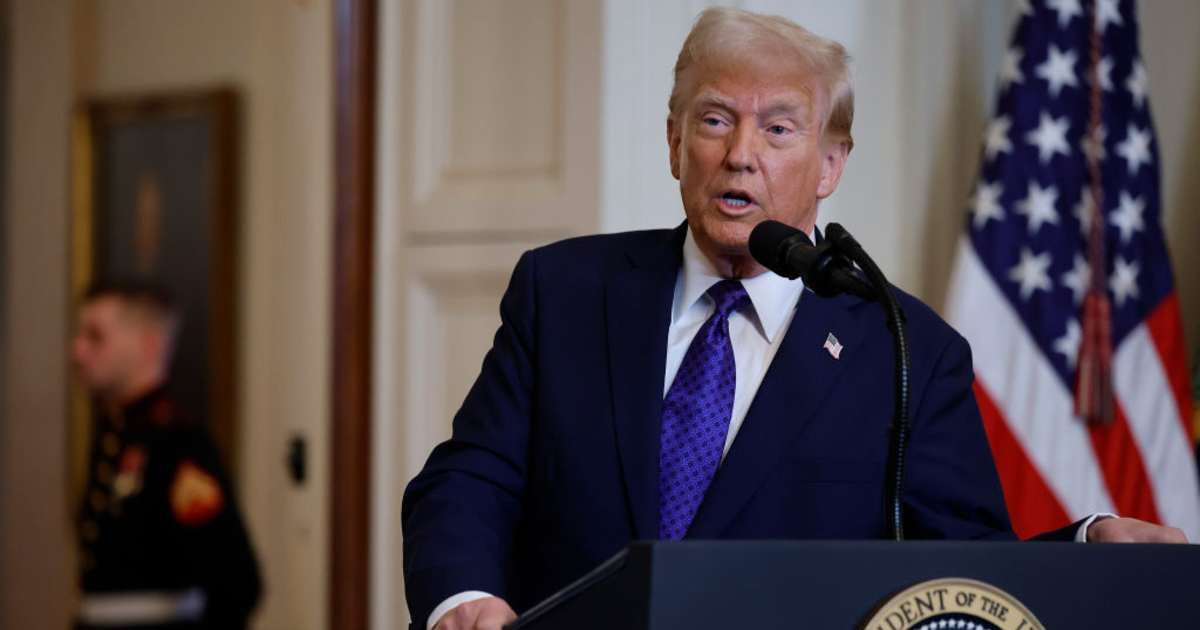
According to reporting by The Atlantic, the Trump administration reduced the number of training days for ICE deportation officers to 47, nearly half of what was previously required. Three officials told the outlet that the number was intentionally chosen to reflect Trump’s status as the 47th president of the United States.

The shortened training period came during a broader effort to double the number of deportation officers nationwide, as the administration pushed to accelerate immigration enforcement in largely Democrat-led cities.
The Department of Homeland Security has pushed back on the report. In a statement to People magazine, a DHS official called the claim false, saying, “Training to become an Enforcement and Removal Operations officer is 8 weeks long.”
However, even at eight weeks, the revised training represents a sharp reduction from the roughly five months of federal law enforcement instruction ICE officers previously received.
DHS says training was streamlined, not reduced in substance
DHS officials have insisted that the condensed training does not compromise officer preparedness. The department said the program was “streamlined” to eliminate redundancy and incorporate technological advancements, maintaining that “no subject matter has been cut.”
Still, critics argue that the timing of the changes, paired with the agency’s rapid hiring campaign, raises concerns about readiness, judgment, and use-of-force decision-making.
“They love this cowboy s**t,” one ICE official told The Atlantic, describing the high-visibility immigration operations that have become more common under Trump’s second administration.
Renee Nicole Good’s death intensifies scrutiny
The issue gained national attention after Renee Nicole Good, a US citizen and mother of three, was shot and killed by an ICE agent on January 7 while dropping off her six-year-old son at school, according to her ex-husband.
Bystander video shows Good attempting to drive away as an agent tried to open her car door. Another agent stood in front of her vehicle and fired three shots when the SUV moved forward. The footage contradicts official claims that she attempted to run over officers.
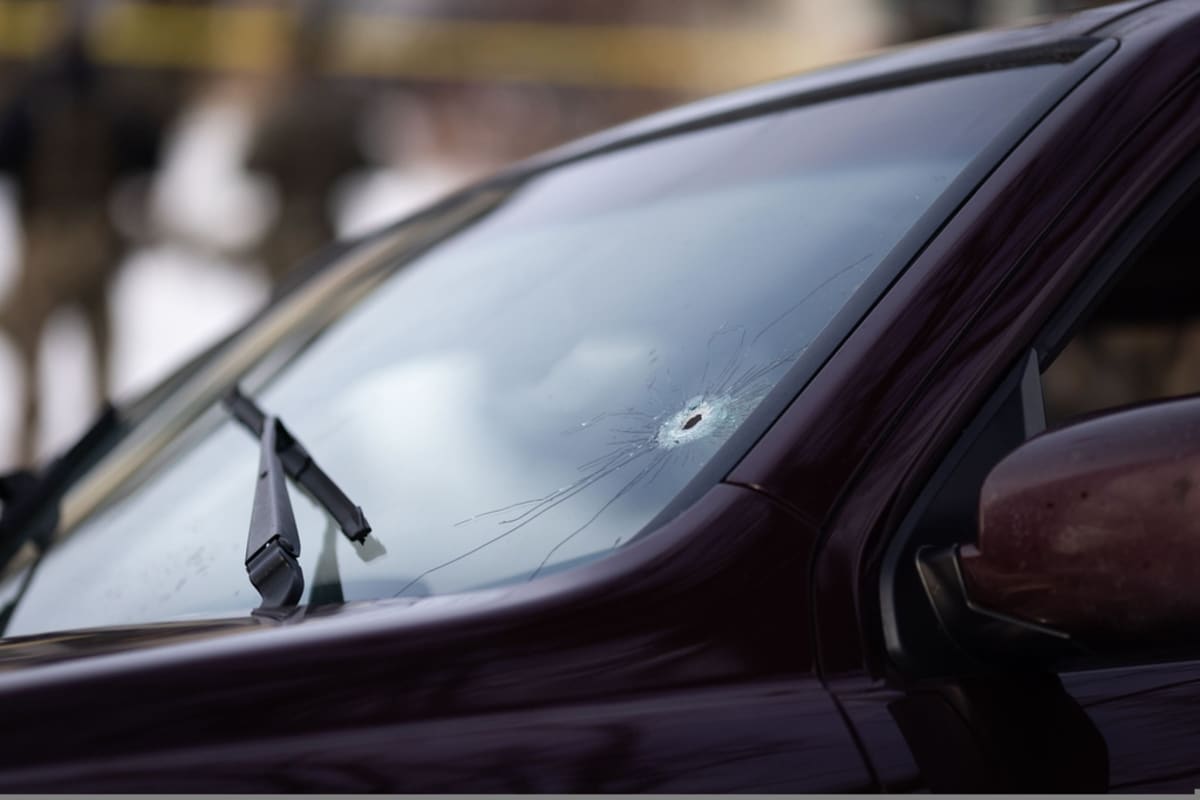
Despite this, Trump wrote on Truth Social that Good “violently, willfully, and viciously ran over the ICE officer,” asserting the agent was hospitalized, a claim not supported by video evidence, which shows the officer walking after the shooting.
After being shown the footage by The New York Times, Trump called it “horrible to watch” but declined to further explain his earlier statements.
Political pressure and massive funding reshape ICE
Under the “One Big Beautiful Bill Act,” signed into law in July, ICE received more than $75 billion in funding for enforcement and detention, with $30 billion earmarked for hiring new staff.
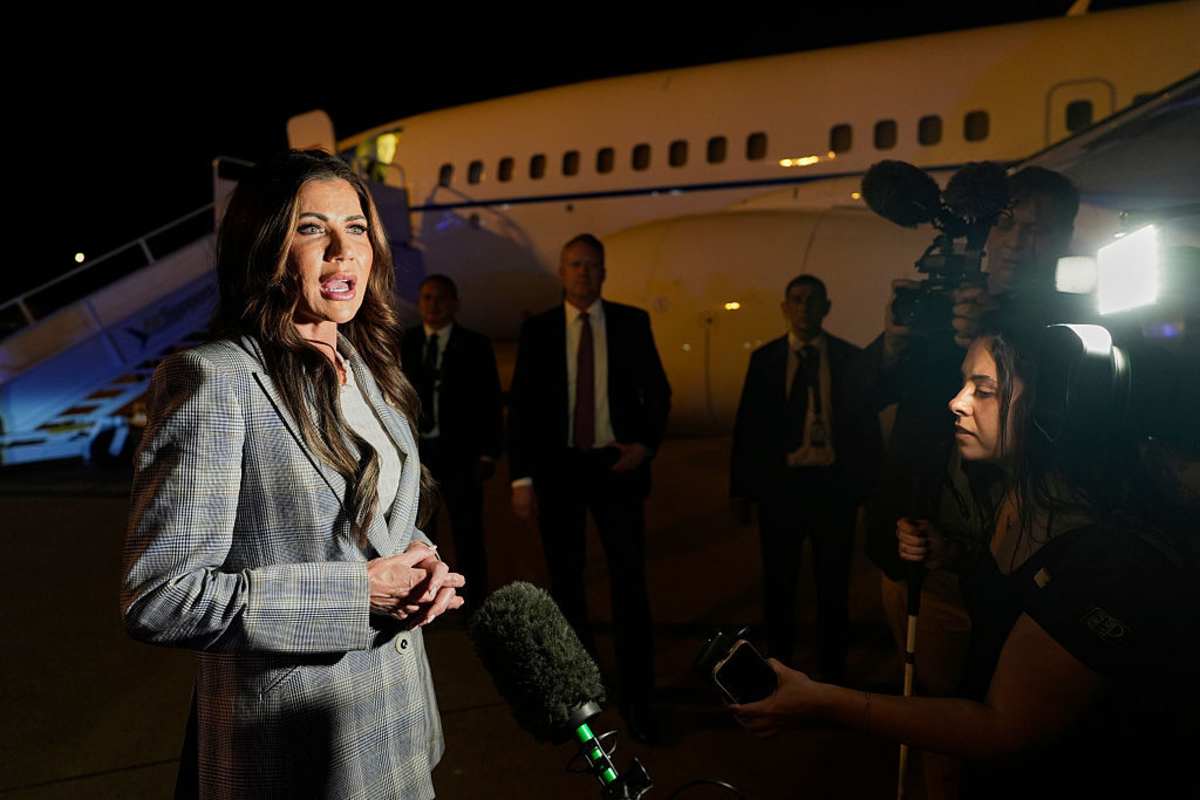
On January 3, DHS announced it had exceeded its hiring goals, reporting a 120 percent increase in officers and agents. The recruitment campaign, crafted by Homeland Security Secretary Kristi Noem, targeted Fox News viewers, UFC fans, and gun rights advocates.
Caleb Vitello, ICE’s assistant director overseeing training in Brunswick, Georgia, previously confirmed that the agency cut five weeks of Spanish-language instruction. Firearms training director Dean Wilson told the Associated Press that officers are trained to make “the proper decision,” emphasizing the risks agents face in the field.
Secretary Noem has maintained that the officer involved in Good’s killing “followed his training.” The FBI is continuing its investigation as protests and demands for accountability persist across the country.