ICE spent $1B on 11 warehouses, now plans to sell 7: GAO finds millions wasted
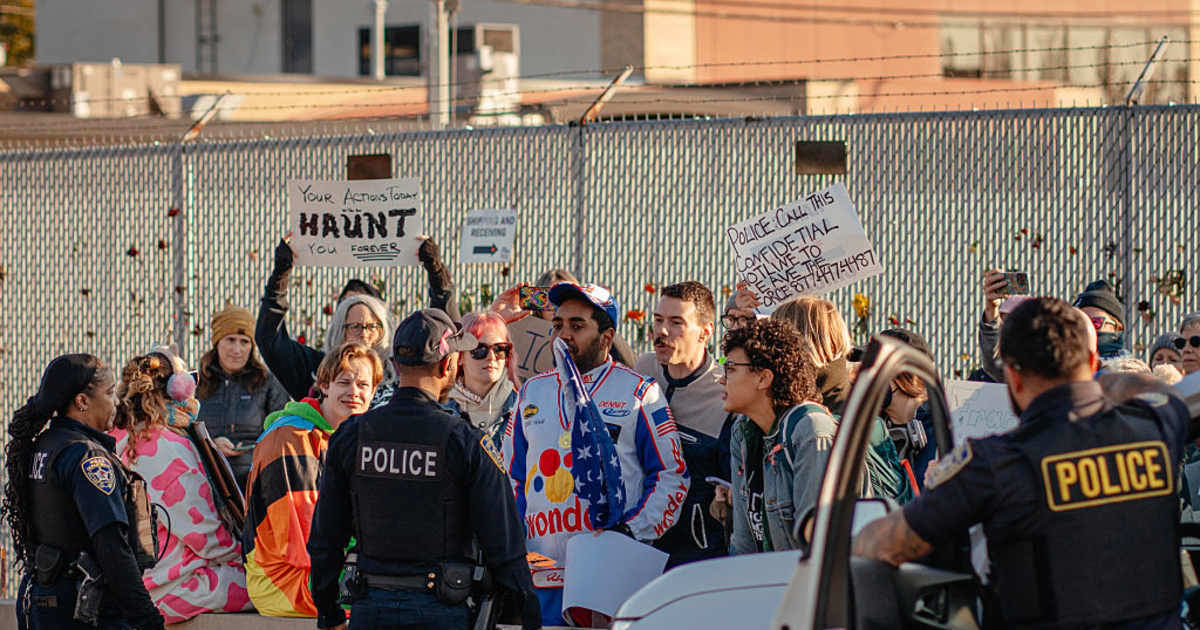
WASHINGTON, DC: US Immigration and Customs Enforcement spent about $1.07 billion buying 11 warehouses for detention facilities, then moved to sell seven of them months later, according to a Government Accountability Office (GAO) report.
GAO said ICE pursued the expansion without sufficient planning and had already incurred about $7.7 million in nonrecoverable costs related to the seven properties.
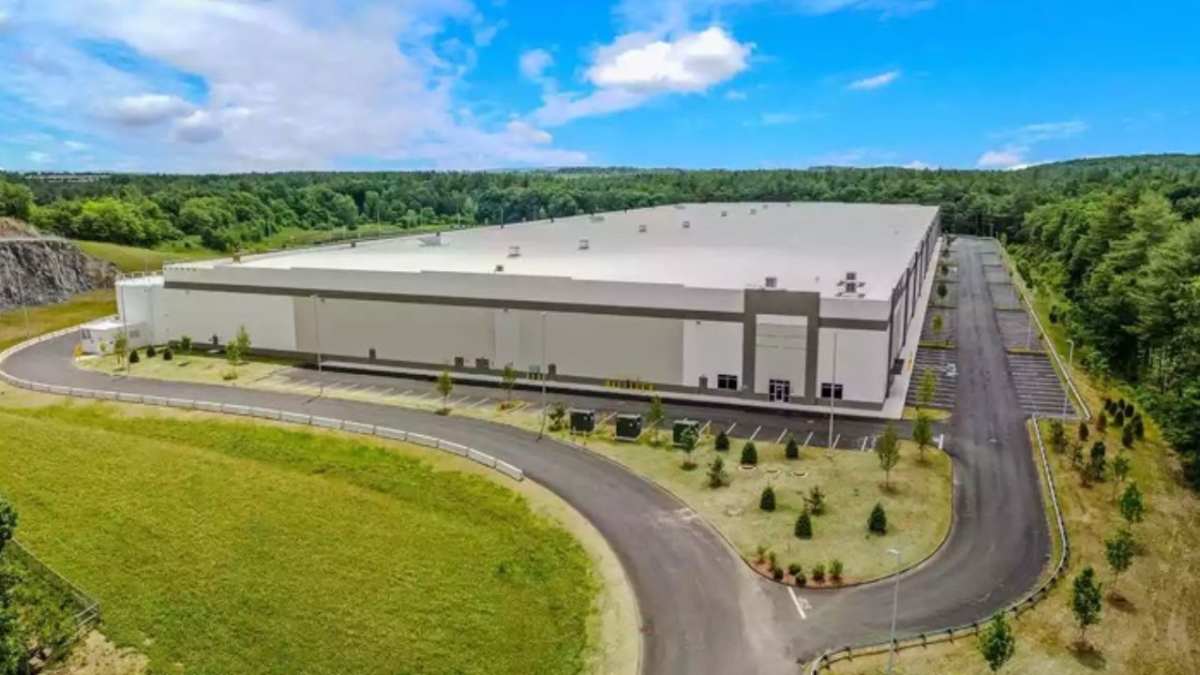
ICE also estimated that it had spent about $12.8 million on utilities, security and other services at the seven warehouses as of August.
ICE bought 11 warehouses and plans to sell seven
ICE bought the 11 warehouses between January and April 2026 as part of an initiative to expand detention capacity.
The agency initially planned to open 24 warehouse facilities by November 2026.
By June, however, ICE officials told GAO that they were working with the General Services Administration to sell seven of the properties.
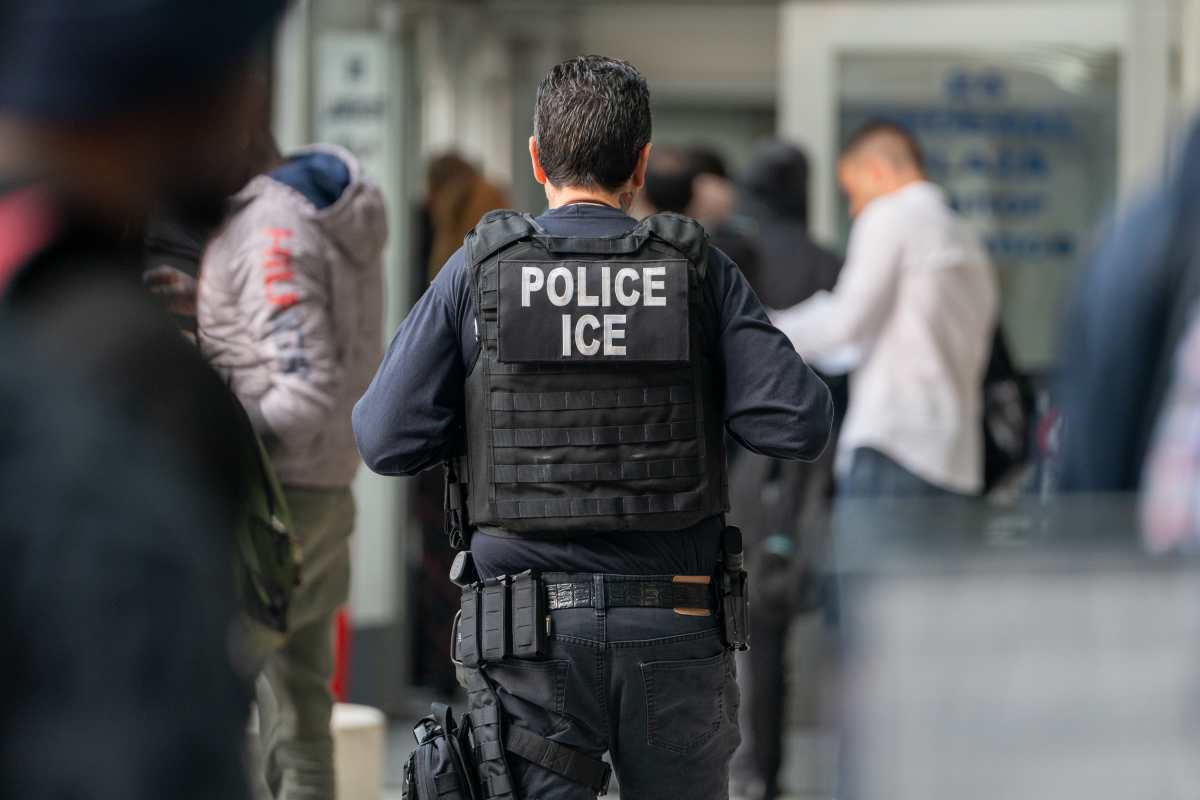
Those seven properties had cost about $707 million to purchase.
GAO said the government could face an additional loss if the properties are sold for less than their purchase price.
The agency also incurred $113 million and $313 million for renovation work at warehouses in Hagerstown, Maryland, and Surprise, Arizona.
GAO said work at both sites was largely on hold because of legal challenges.
Unused tents and unwanted meals
The warehouse spending was part of a wider pattern GAO identified across six detention expansion initiatives launched since January 2025.
At Guantanamo Bay, the Defense Department spent $2.85 million assembling tents that were never used.

Plans for a much larger detention operation there were scaled back after officials determined it was not feasible to build facilities meeting ICE standards.
At Camp East Montana at Fort Bliss in Texas, ICE paid about $7.1 million for meals it did not need between October 2025 and March 2026.
GAO said the contract required ICE to pay for meals and related services even when the facility's population was below capacity.
The report also found that some detention expansion efforts were abandoned or reduced after initial spending.
GAO calls for faster planning
GAO said ICE had not developed a comprehensive strategic plan outlining goals, activities and resource needs for expanding detention capacity.
The agency also had not consistently assessed the costs and risks of different facility options.
DHS agreed with GAO’s recommendation that ICE create such a plan.
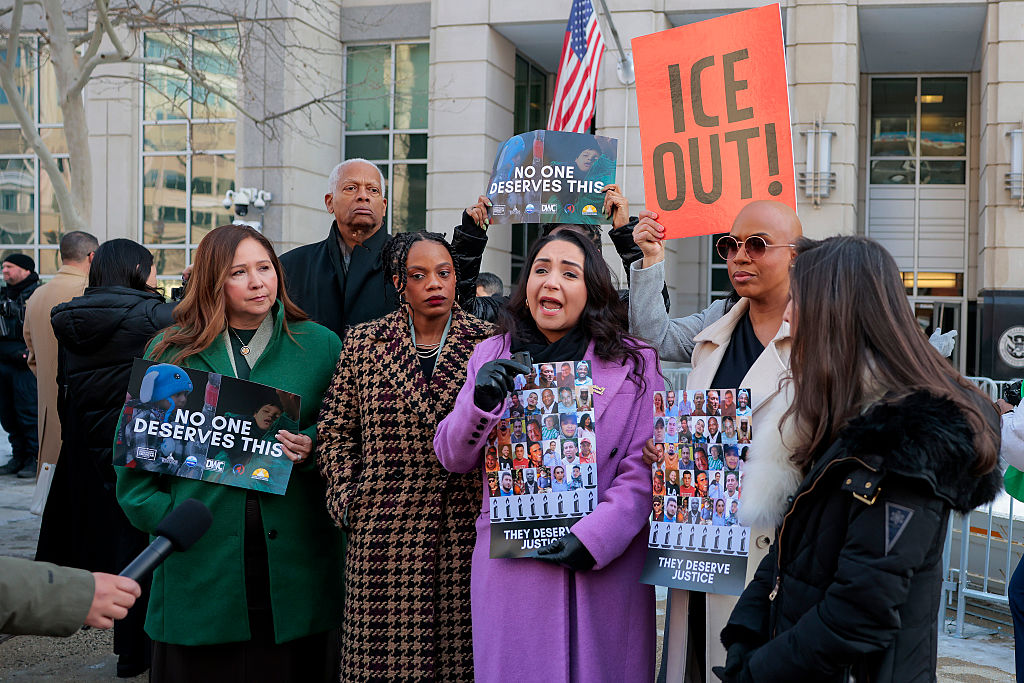
However, ICE told GAO it does not expect to complete the plan until August 31, 2027.
GAO said a faster timetable may be warranted because of the potential for continued waste as the agency manages its multibillion-dollar detention expansion.
The findings also raise questions about how federal agencies plan large spending programs before committing public funds.