Iran grows desperate for sanctions relief as US blockade threatens to cripple economy
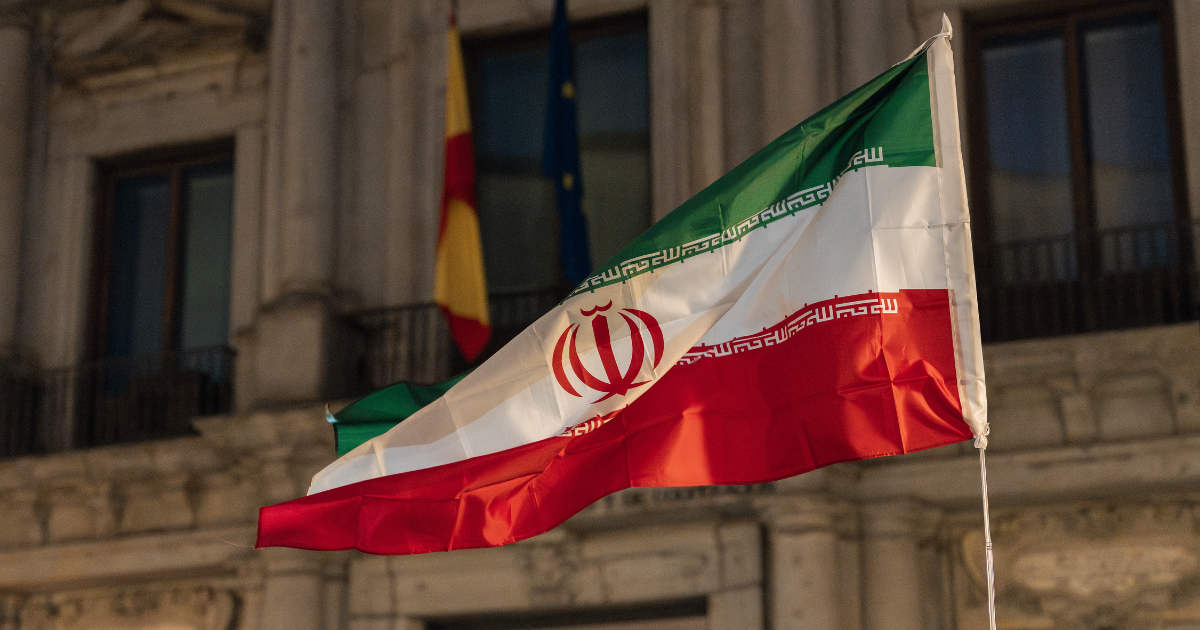
TEHRAN, IRAN: Iran is facing growing economic pressure as its leaders push back against a renewed US naval blockade while also admitting that sanctions relief is urgently needed.
Tehran has issued a long list of demands before agreeing to reopen the Strait of Hormuz, but the worsening economic situation at home could make the standoff harder to sustain. The Supreme National Security Council on Saturday, August 8, called for the US to lift its blockade, end sanctions, withdraw its military from the region, pay war reparations, unfreeze Iranian assets and stop attacks and threats against Iran and its proxies.
Oil export accounts for ~90% of Iraq’s state budget and 45.6% of GDP. A 75% export collapse since Iran shut Hormuz is a gut punch to nearly half the Iraqi economy. Iraq has already had to shut in production at least three oilfields as storage hit capacity.
— Miad Maleki (@miadmaleki) August 8, 2026
Meanwhile Iran-backed… https://t.co/D4ciUUGCvj
Iran's demands put pressure on Strait of Hormuz talks
Iran and Oman have been discussing how traffic through the Strait of Hormuz could be managed, but any agreement would not automatically reopen the key waterway.
Tehran wants the US to meet its conditions first.
Mohammad Bagher Zolghadr
— Iran in India (@Iran_in_India) August 8, 2026
Secretary of the Supreme National Security Council of the Islamic Republic of Iran:
The Strait of Hormuz will not be reopened unless the United States changes its approach and ends its pressure.
The required changes in behavior are as follows:
Iran must… pic.twitter.com/vgz990IfWl
The tough stance may be aimed partly at satisfying Iranian hardliners who oppose negotiations with Washington. But behind the defiance, concerns about the economy are growing.
Iranian moderates have reportedly warned that the renewed blockade is pushing the country closer to an economic collapse.
Earlier reports also said Iran's president and central bank chief warned Supreme Leader Ayatollah Mojtaba Khamenei that the blockade was damaging the economy.
Iran's economy faces mounting pressure from sanctions
The economic strain comes after months of high inflation and a currency crash that helped fuel nationwide protests in January.
Iran's deputy foreign minister and top negotiator Kazem Gharibabadi recently said sanctions relief was desperately needed.
“When I read some of the opposition to negotiations, I honestly wonder what world these people are living in,” Gharibabadi told IRIB.
President Masoud Pezeshkian has also warned that growing economic pressure could increase public anger.
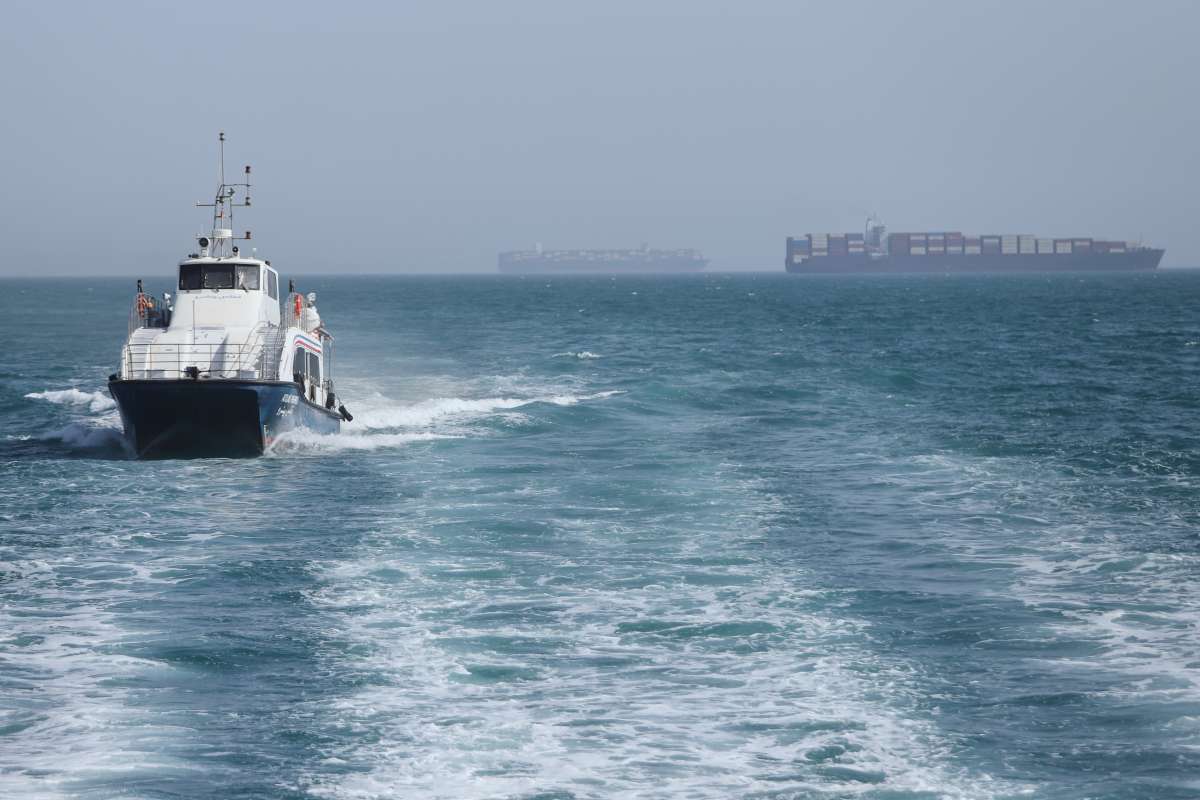
Official figures cited in the report show inflation reached 88.6% annually in late June, while unemployment rose to 9.1%. GDP is expected to shrink 5.4% this year.
The government has also asked people to ration electricity despite Iran's large energy reserves.
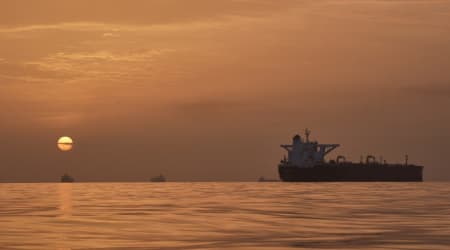
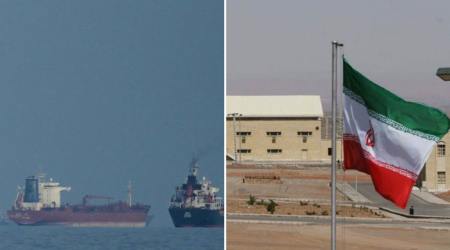
The pressure is also hitting Iran's oil exports. US Central Command said Saturday that it had redirected 53 commercial vessels, disabled two and boarded two as part of blockade enforcement.
Shipping and satellite data reportedly showed no tankers loading at Kharg Island for at least a week. The island handles nine out of every 10 barrels of Iranian oil exports.
Iran may withstand US pressure, but at a cost
The economic situation has raised fears about how long Iran can absorb the pressure.
Iran expert Hamidreza Azizi wrote that the country's most dangerous front could ultimately be the domestic one.
Still, Bijan Khajehpour does not believe an immediate economic collapse is inevitable.
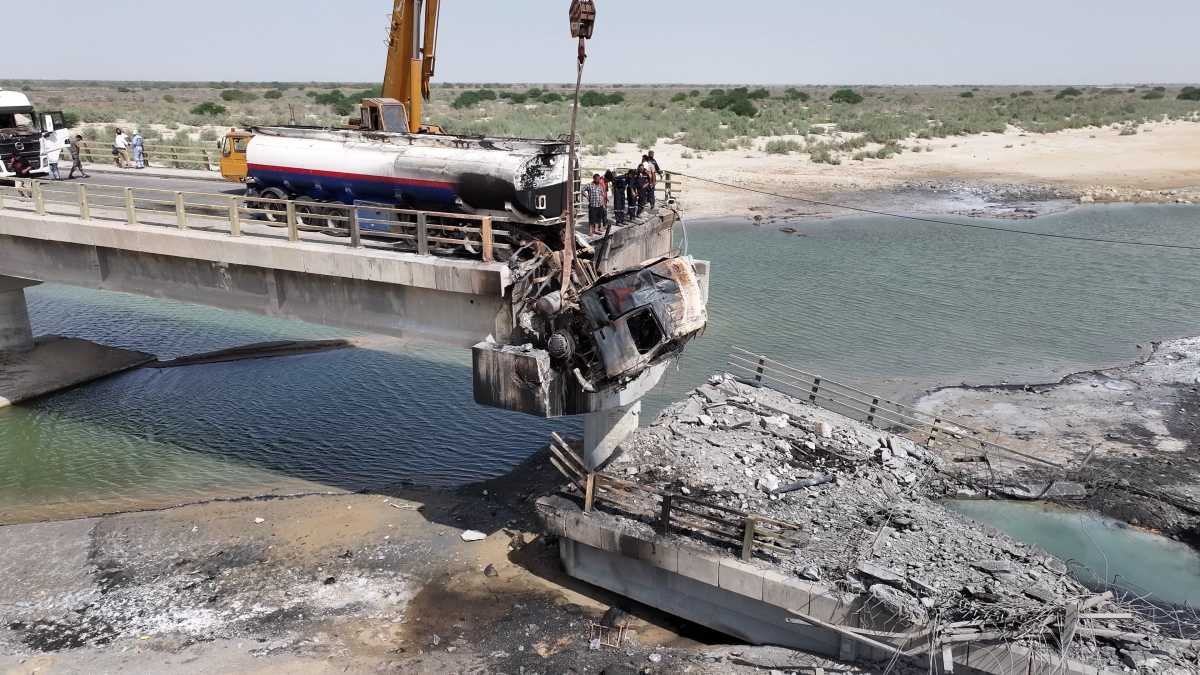
He said households have acted as “shock absorbers” by cutting spending, postponing investments, taking second jobs, using savings and relying on relatives abroad.
Businesses have also adapted by shrinking rather than disappearing.
But Khajehpour warned that this resilience is coming at a price.
Iran's infrastructure and human capital are steadily deteriorating as people delay careers, leave the country or move away from productive work.
“A generation that postpones careers, emigrates or permanently disconnects from productive employment weakens a nation's future capacity to innovate, invest and recover,” he wrote.