Iran's supreme leader vows revenge for predecessor's death amid renewed tensions with US
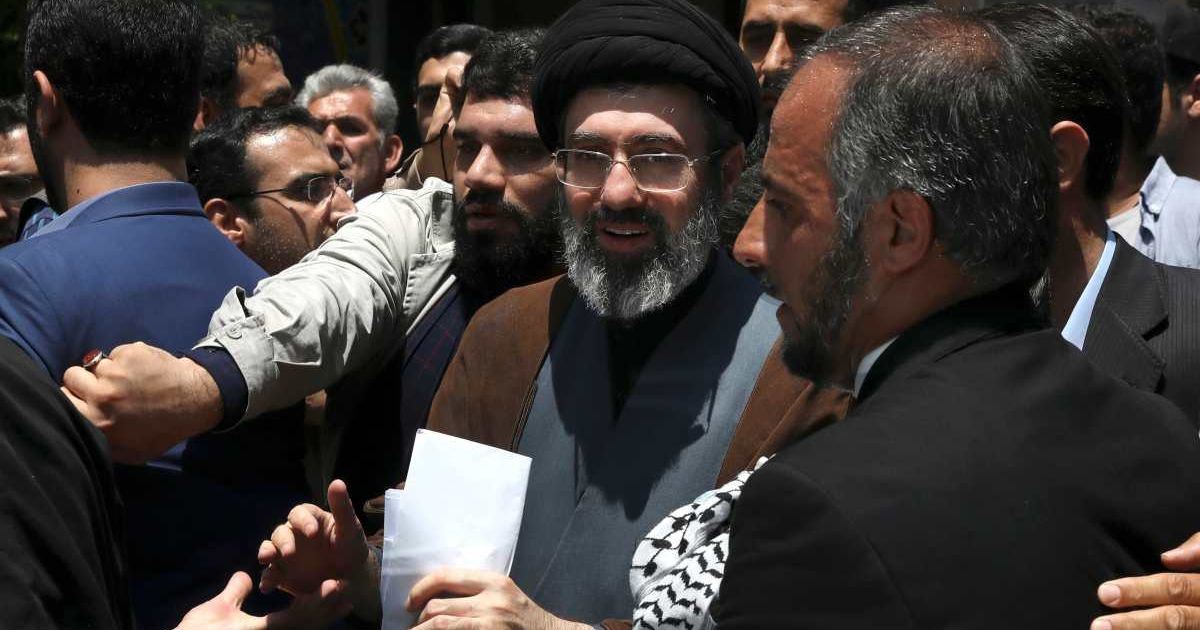
TEHRAN, IRAN: Iran's Supreme Leader Ayatollah Mojtaba Khamenei has vowed to avenge the death of his predecessor and father, issuing a stern warning against those he blamed for killing Iranian "martyrs" during the country's recent conflicts.
In a statement published on Saturday, July 11, by Iran's state-run ISNA news agency, Khamenei pledged that Tehran would pursue those responsible for the deaths, declaring that they would not escape justice.
"We pledge to exact revenge for your pure blood and the blood of all the martyrs of these two wars from their criminal and disgraced killers," Khamenei said.
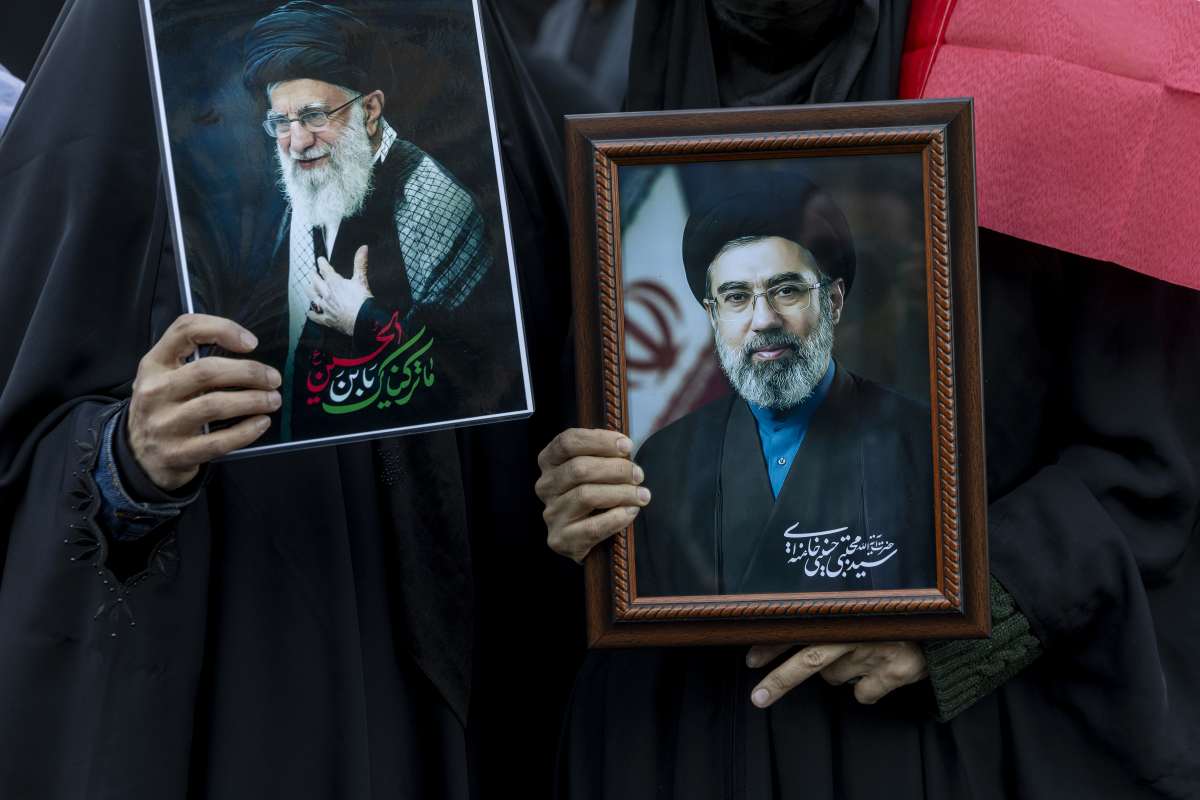
Mojtaba Khamenei vows retaliation without naming any country
Although he did not identify any country or individual by name, his reference to the "two wars" appeared to point to the open military confrontations involving Iran, the United States and Israel in 2025 and 2026.
Khamenei further warned that those responsible would not enjoy a peaceful end. "These criminals, whose names are fully documented from the top to the bottom of the ladder, will take their dream of a peaceful death in bed to their graves," he said.
Casualties reported after US strikes
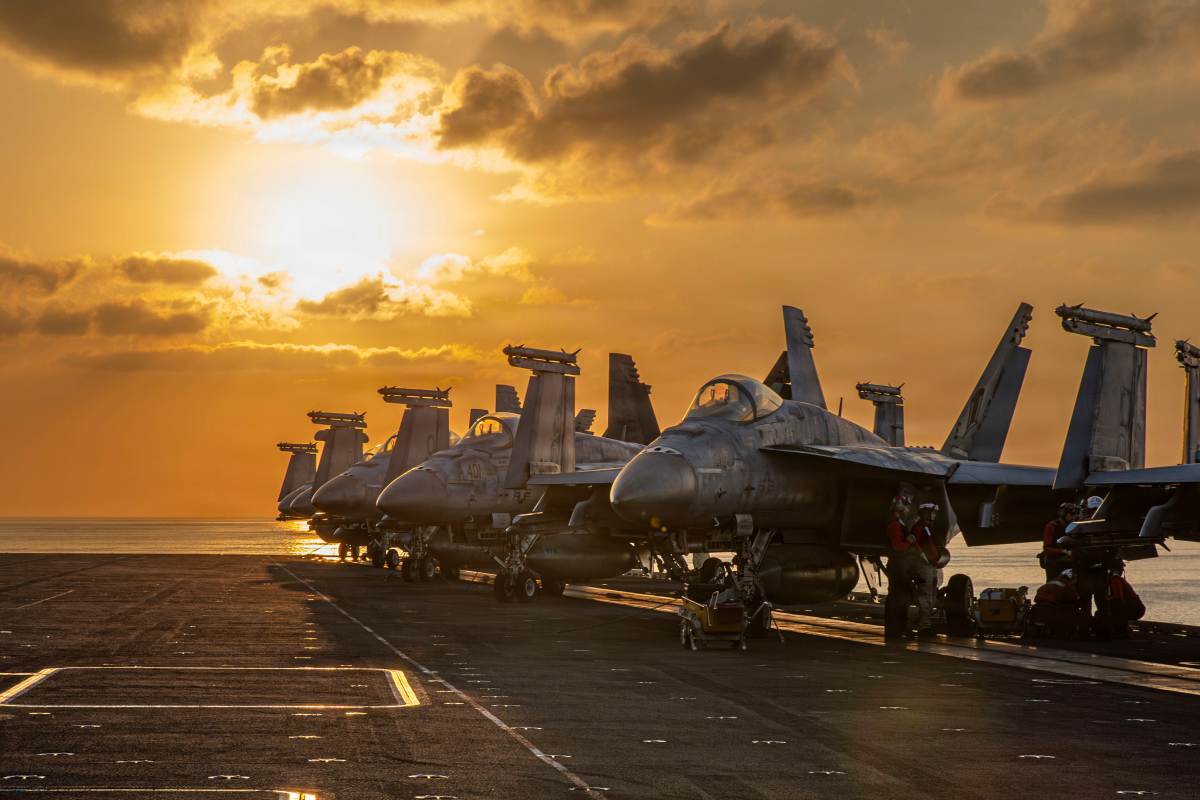
The statement comes amid renewed hostilities between Tehran and Washington following the collapse of a fragile ceasefire earlier this week.
According to Iran's Ministry of Health, US airstrikes carried out on Wednesday and Thursday killed at least 17 people and injured 115 others across six Iranian cities.
The ministry said 14 surgeries had been performed, while 102 of the injured had been discharged after receiving treatment.
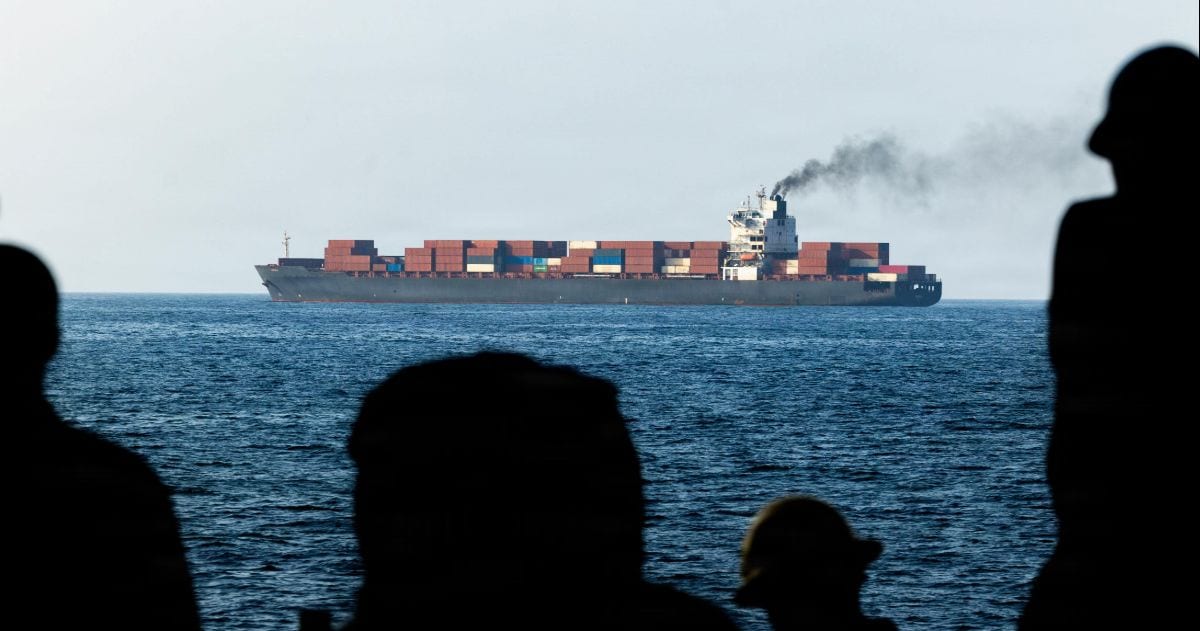
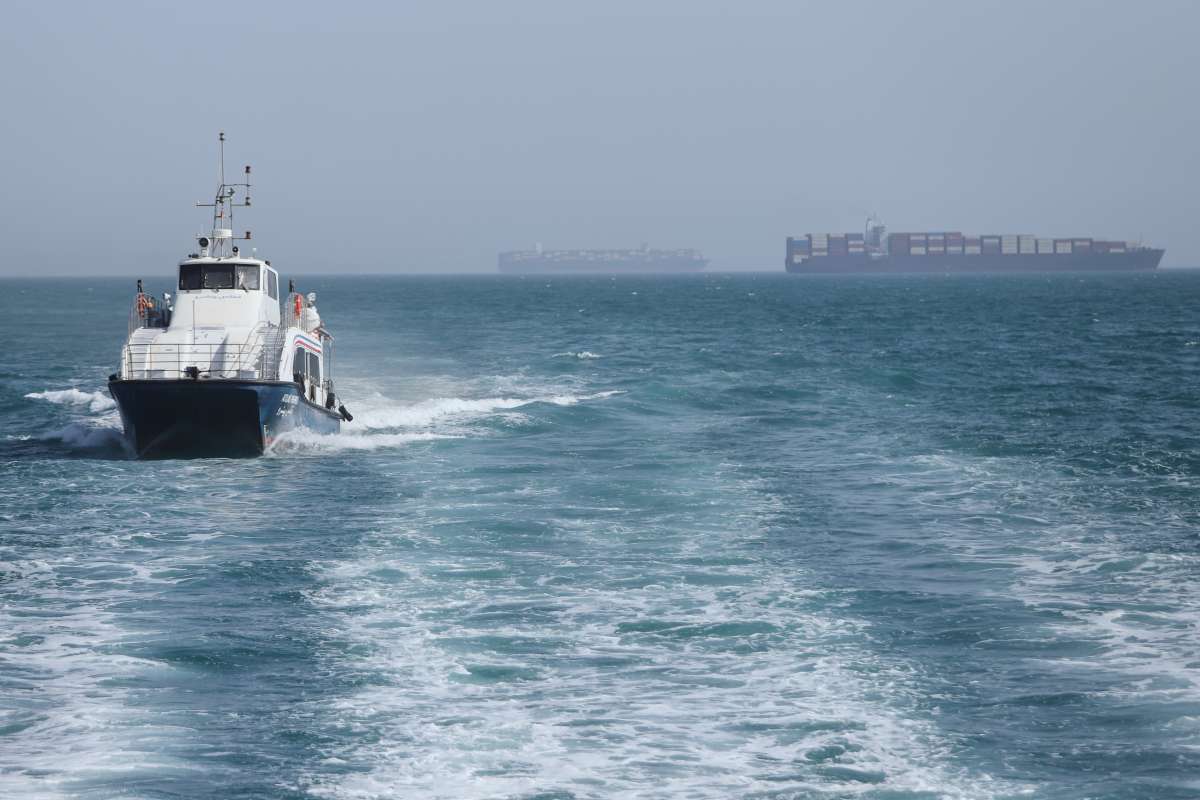
The latest escalation followed Iranian attacks on commercial vessels transiting the Strait of Hormuz, one of the world's most strategically important oil shipping routes.
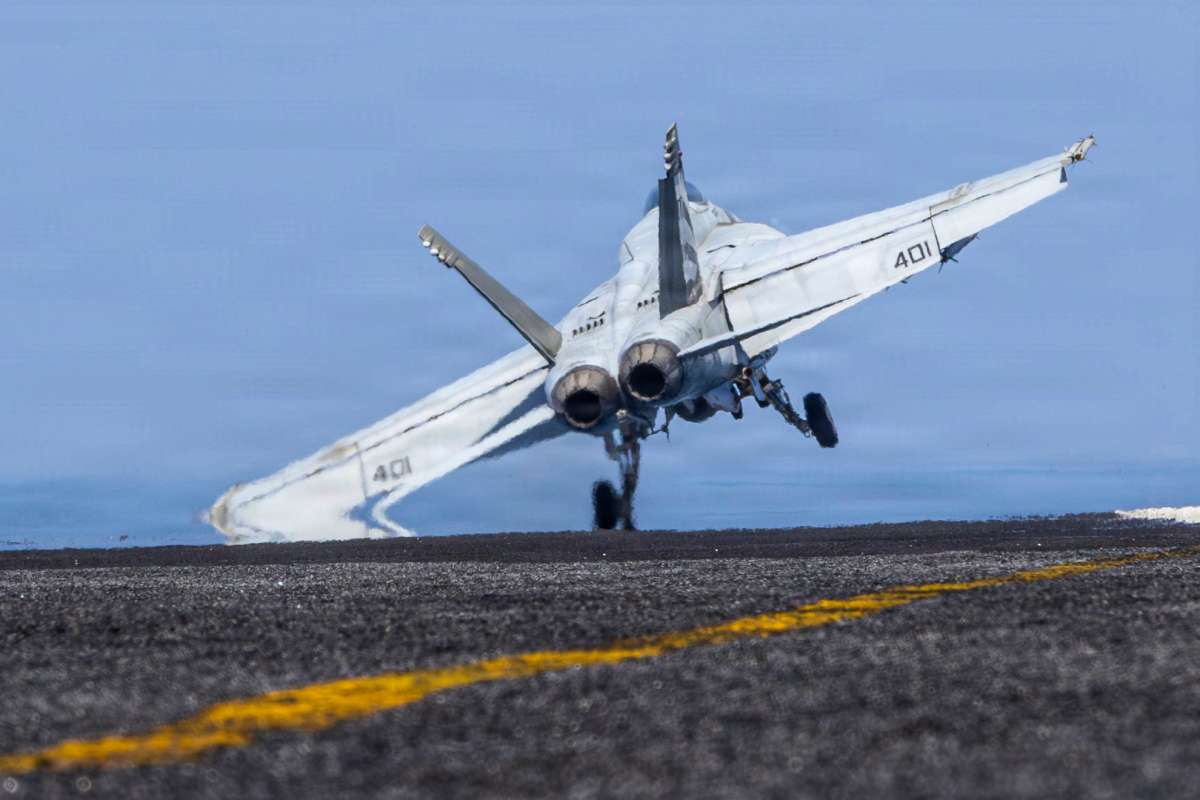
The strikes prompted US military retaliation, shattering a ceasefire that had briefly paused direct military exchanges between the two countries.
The renewed violence has raised concerns over regional stability, with analysts warning that continued attacks around the Strait of Hormuz could disrupt global energy supplies and increase the risk of a broader conflict.
Diplomatic efforts continue in Oman
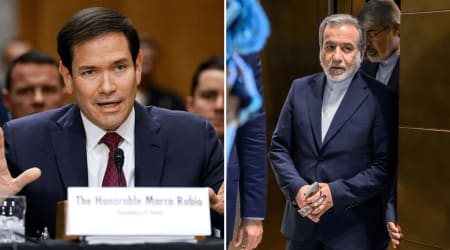
Despite the sharp rhetoric and military escalation, diplomatic channels remain open. Iranian Foreign Minister Abbas Araghchi arrived in Oman on Saturday for talks expected to continue indirectly with US officials through Omani mediators.
According to Iran's state-run IRNA news agency, Araghchi is scheduled to meet his Omani counterpart to discuss developments surrounding the Strait of Hormuz, which has become the focal point of the latest confrontation.
Oman has frequently acted as a mediator between Tehran and Washington during periods of heightened tensions.
The latest round of discussions is expected to focus on reducing military escalation and addressing maritime security in the Gulf.