Iran says dialogue is ‘not surrender’ as leaders strike defiant tone toward US
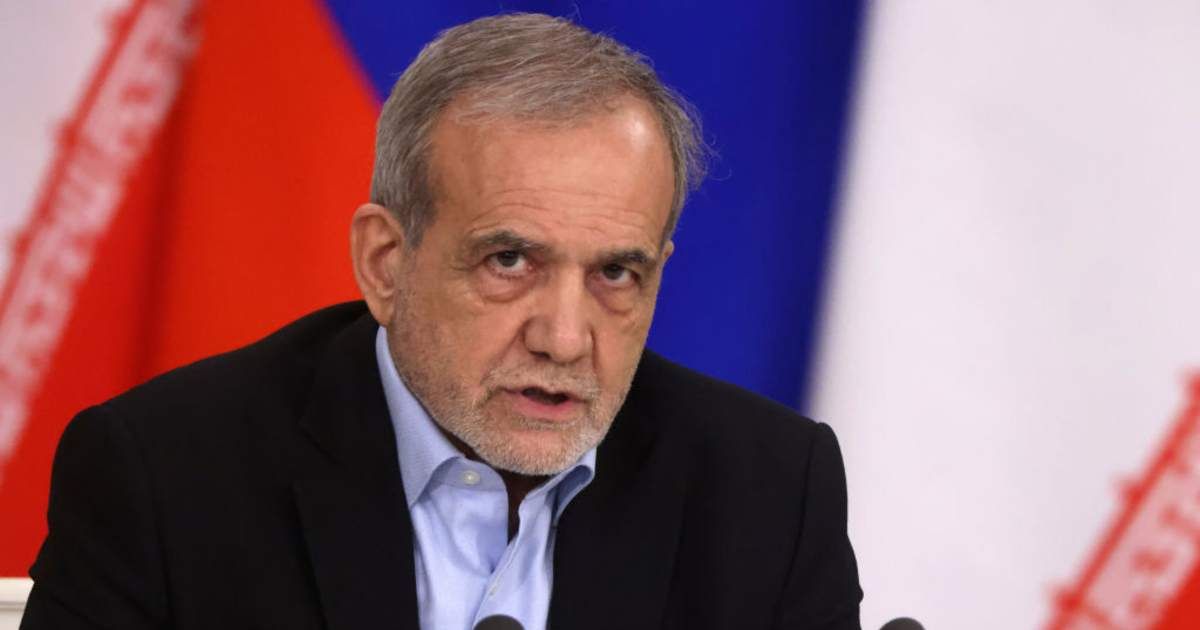
TEHRAN, IRAN: Iranian President Masoud Pezeshkian declared on Sunday, May 10, that dialogue with the United States should not be interpreted as weakness or capitulation, as Tehran signaled it had formally responded to Washington’s latest proposal aimed at ending the escalating regional conflict.
In a strongly worded message posted on X, Pezeshkian said Iran would never submit to outside pressure despite ongoing discussions over possible negotiations.
“We will never bow our heads before the enemy, and if talk of dialogue or negotiation arises, it does not mean surrender or retreat,” the Iranian president wrote.
“Rather, the goal is to uphold the rights of the Iranian nation and to defend national interests with resolute strength,” he added.
The remarks reflect Tehran’s attempt to project both openness to diplomacy and unwavering resistance at a time when military tensions with the United States and its allies remain dangerously high across the Middle East.
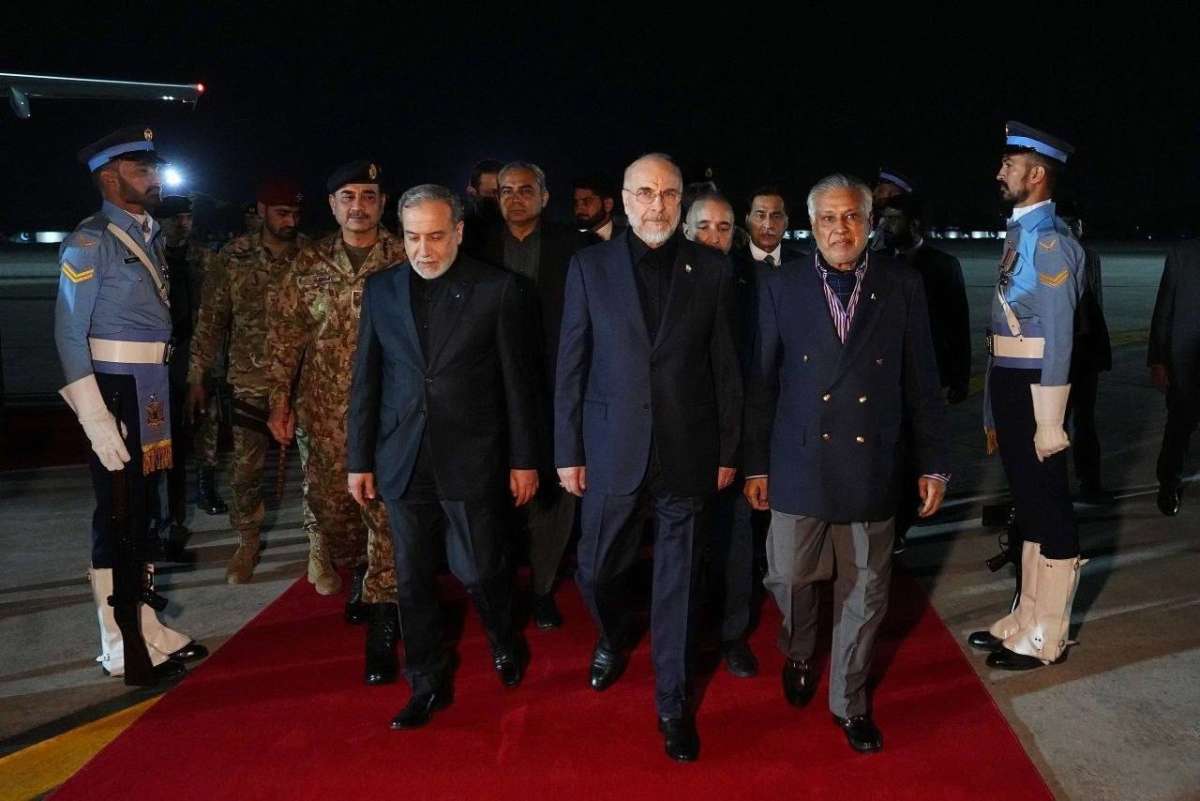
Iranian officials warn Washington against escalation
Alongside Pezeshkian’s statement, senior Iranian political figures issued sharp warnings to Washington, arguing that time was increasingly working against the United States as the conflict deepened.
Ebrahim Rezaie, a member of the Iranian Parliament’s security committee, said the US risked becoming trapped in a worsening regional crisis.
“Time is moving against the Americans. It is in their interest not to act recklessly and sink themselves deeper into the quagmire they have fallen into,” Rezaie said in a social media post.
In another pointed remark, he argued that the “best option” for Washington would be to make concessions and adapt to what he described as a changing regional balance of power.
“You must adapt to the new regional order,” he said.
The comments underscore growing confidence among Iranian hardliners who believe the current confrontation has shifted geopolitical momentum in Tehran’s favor, particularly as instability spreads across Gulf shipping routes and neighboring states face mounting security concerns.
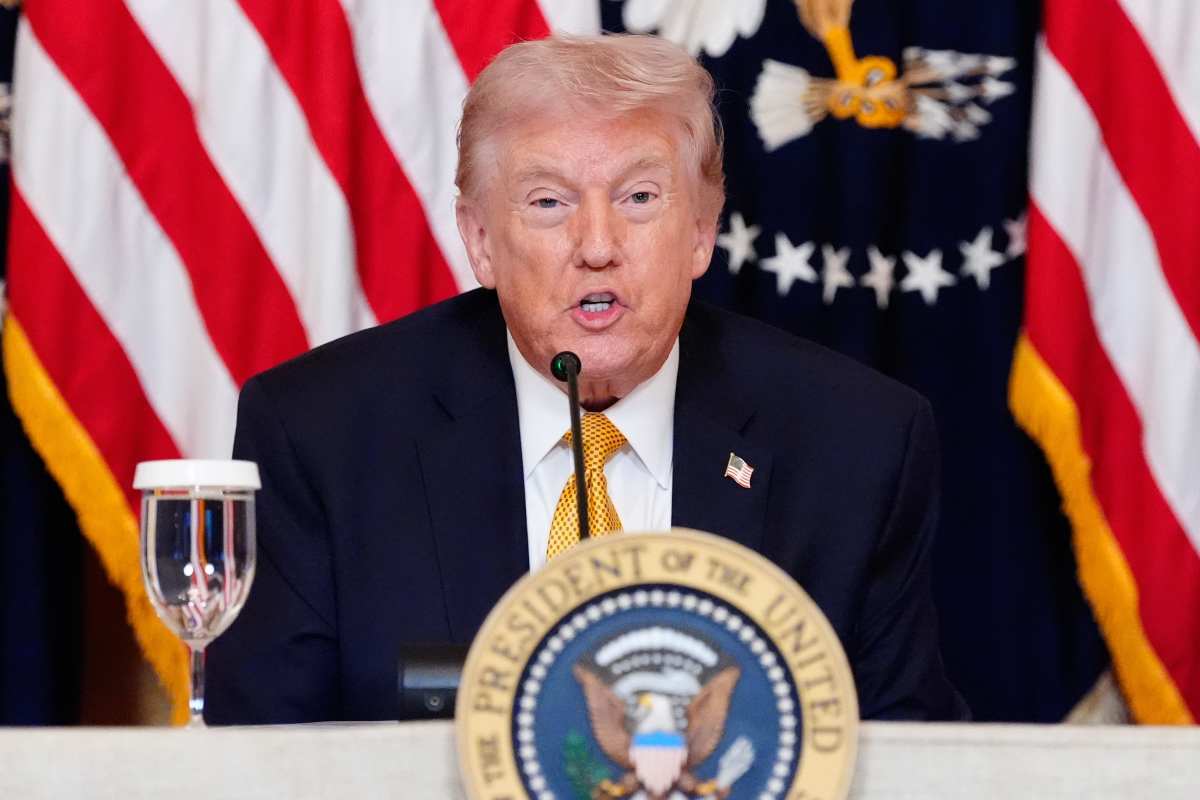
Parliament leader says US must 'accept the consequences'
Iran’s hardline political establishment also intensified its rhetoric against Washington.
Ali Niksad, the deputy speaker of Parliament, accused the United States of deliberately provoking a confrontation with Iran and warned that the consequences would be severe.
“The United States has chosen to test its luck against a great and powerful Iran, and now you must accept the consequences,” Niksad said.
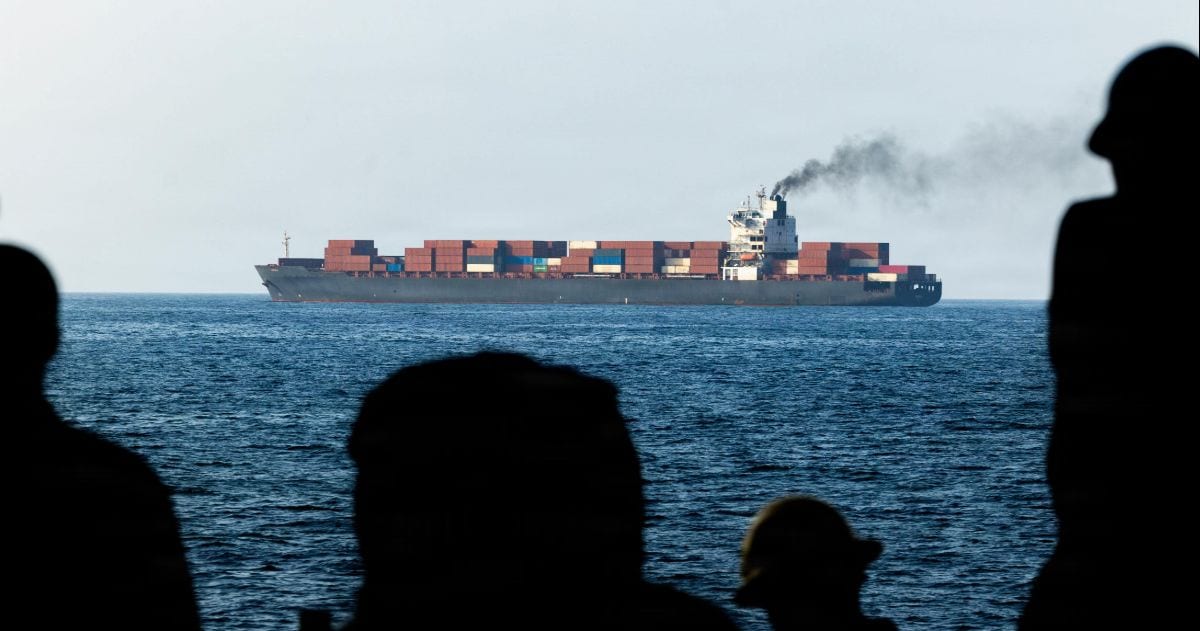
The comments reflect the increasingly confrontational tone emerging from Tehran as military incidents continue to unfold in the Gulf region, including attacks on commercial shipping, drone activity and clashes involving Iranian and US-linked forces.
Iranian officials have repeatedly portrayed the current standoff as part of a broader struggle against Western pressure and regional military encirclement.
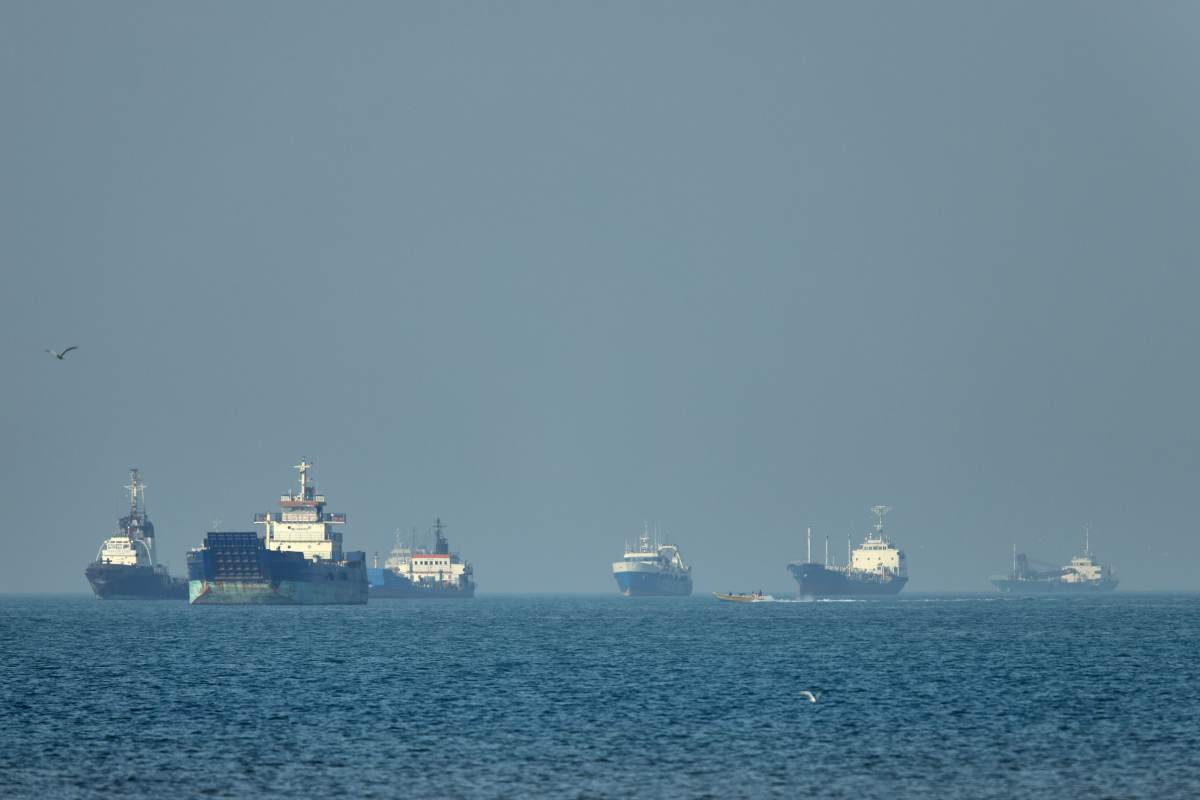
Iran gives few details on response to US proposal
Despite the public rhetoric, diplomatic communication between Tehran and Washington appears to remain active through intermediaries.
Iranian state media confirmed that Tehran had sent a response to the latest US proposal through a Pakistani mediator, though few details of the message were disclosed publicly.
According to Iranian media reports, the framework under discussion currently focuses primarily on ending the widening conflict across the region.
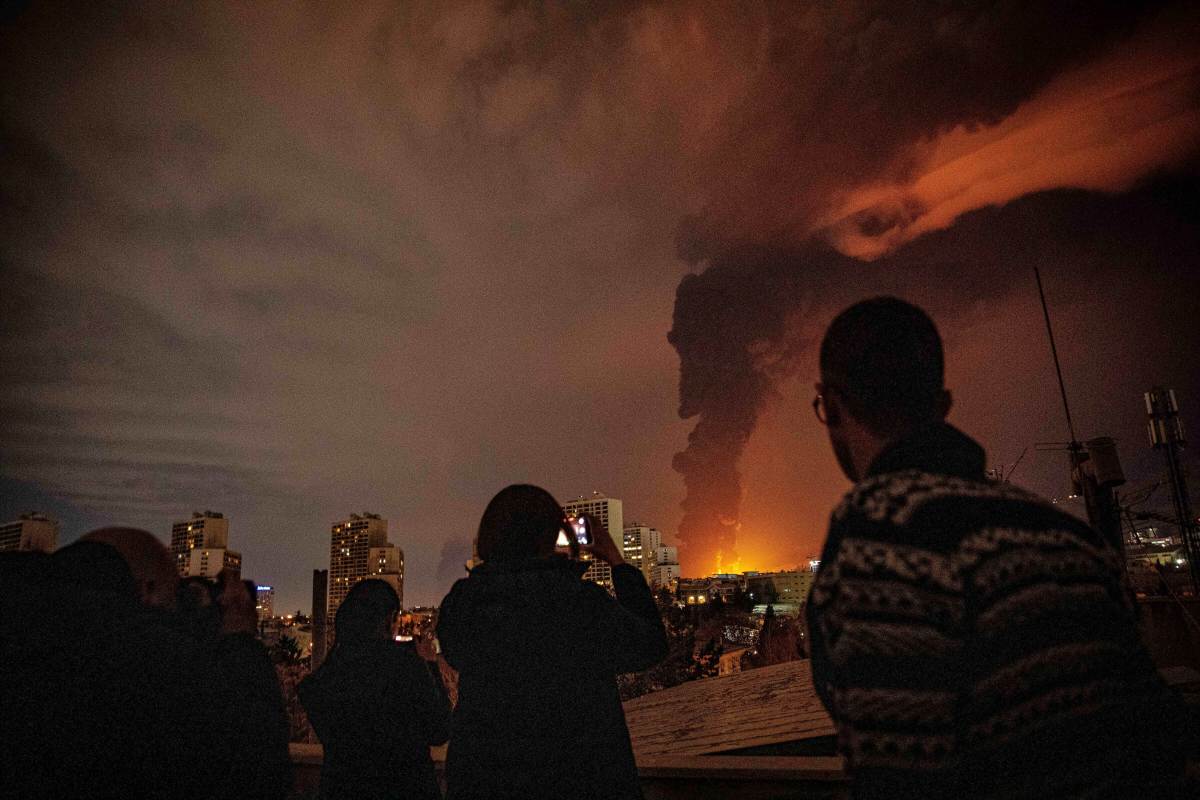
“According to the proposed framework, negotiations at this stage will focus on the issue of ending the war in the region,” Iranian state media reported.
No details were provided regarding potential compromises, ceasefire conditions, sanctions relief or maritime security arrangements tied to the negotiations.