JD Vance, Benjamin Netanyahu hold 'direct, frank' talks after months of friction over Iran conflict
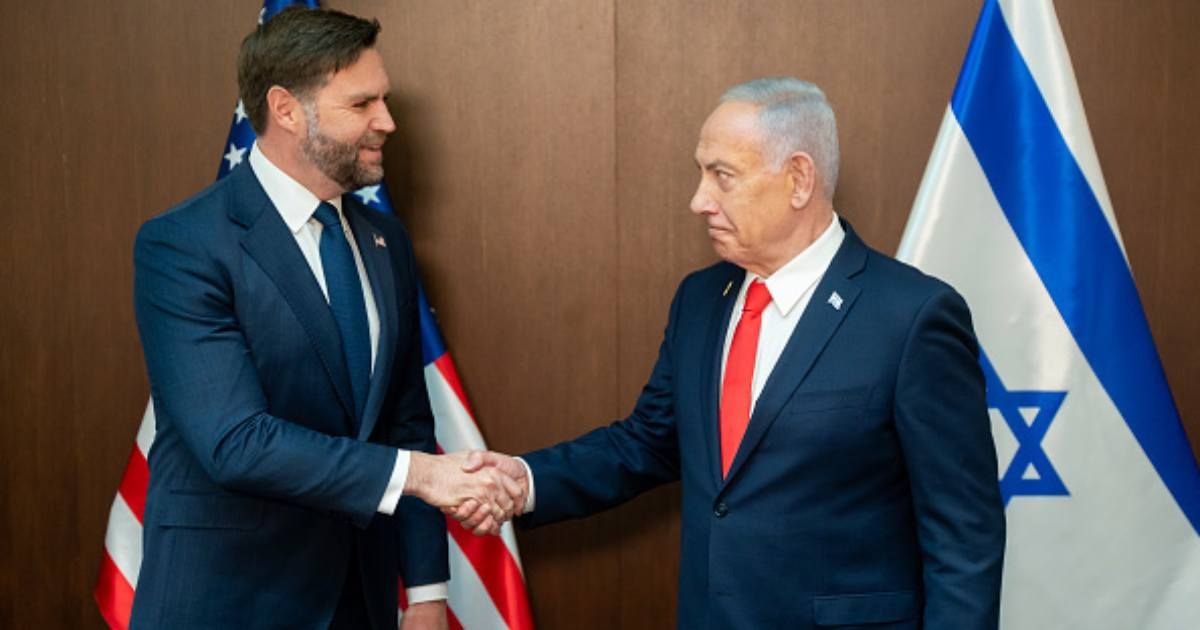
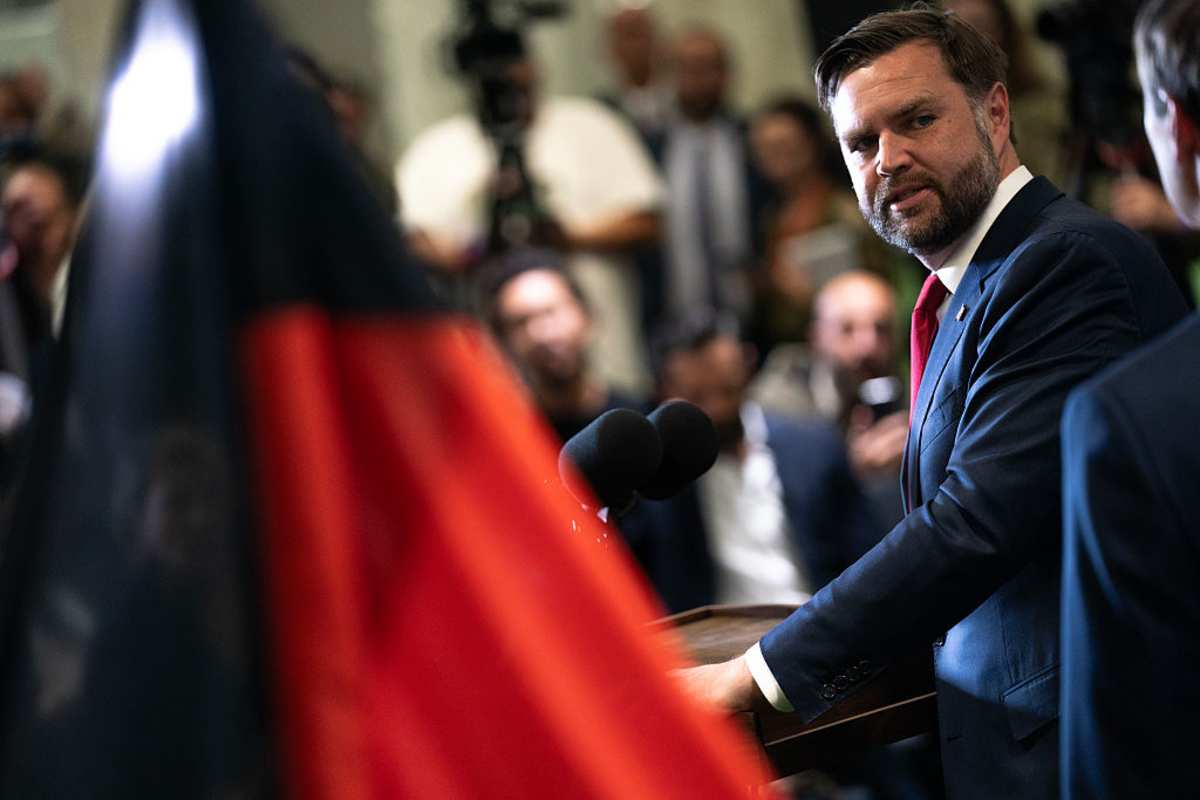
WASHINGTON, DC: Vice President JD Vance and Israeli Prime Minister Benjamin Netanyahu held a private meeting at Blair House on Tuesday, July 28, using the one-on-one discussion to address months of differences over the Iran conflict and broader Middle East policy.
While reports initially characterized the exchange as a confrontation, US and Israeli officials confirmed on Thursday, July 30, that the discussion was candid but cordial, with both leaders openly outlining their positions.
The meeting came as disagreements over diplomacy with Iran and the conduct of the conflict have tested one of Washington's closest alliances.
JD Vance, Benjamin Netanyahu hold candid talks
According to US officials familiar with the discussion, Vance and Netanyahu held a "direct" and "no bulls**t" conversation during their private meeting but rejected reports that the exchange amounted to a confrontation.
A US official told the New York Post that the discussion "wasn't contentious at all," adding that both leaders left "knowing where everybody stands" and with a better understanding of "how to move forward."
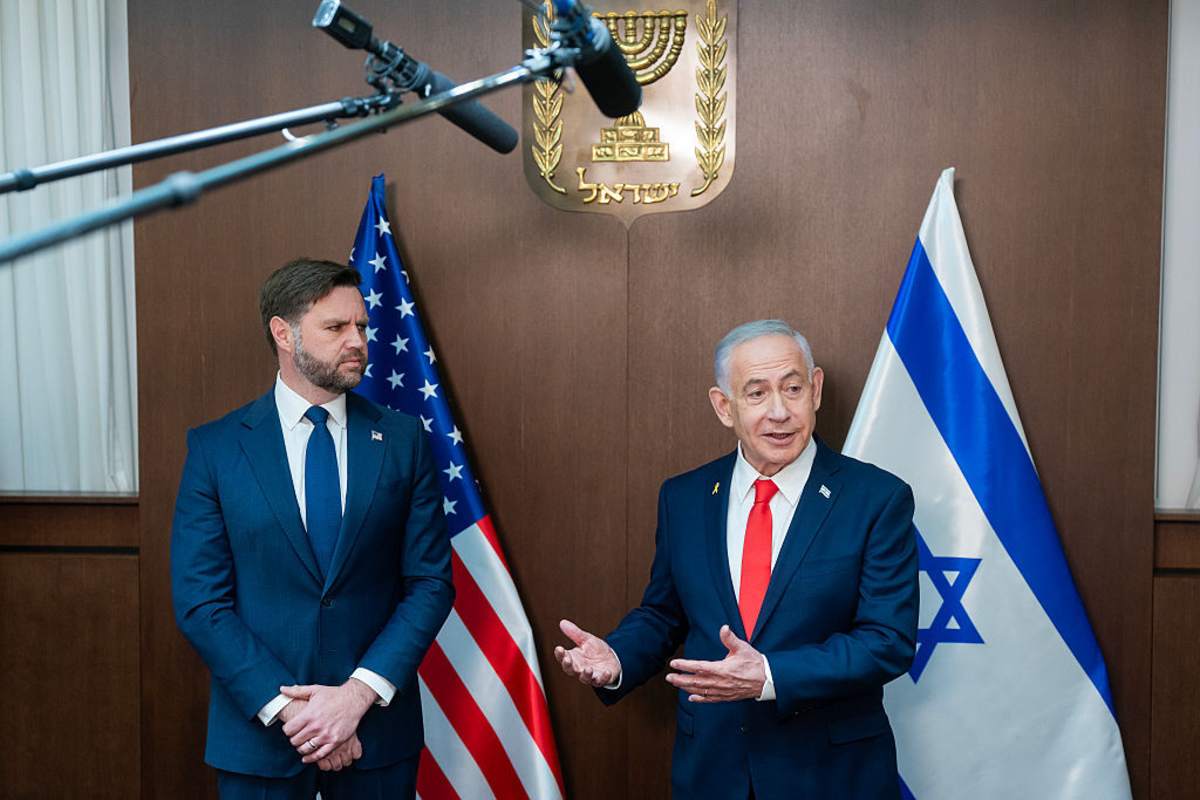
Another US official described the meeting as "cordial and productive," saying the two leaders discussed Middle East issues important to both countries and agreed to continue pursuing areas of cooperation and shared strategic interests.
Israeli officials similarly characterized the exchange as "honest" and "frank," while a source familiar with the meeting described it as "spirited" but said neither leader raised his voice.
Netanyahu also appeared to reference the meeting during an interview on Wednesday, July 29, when asked about Vance's recent remarks suggesting Israel was trying to influence US public opinion on the conflict.
Benjamin Netanyahu said he "straightened out" JD Vance after the Vice President made comments that Israel was trying to change America's opinion to keep the war with Iran going.
— Shadow of Ezra (@ShadowofEzra) July 30, 2026
"I had a very good conversation with the Vice President, and I think we straightened that out." pic.twitter.com/psWz7KswXz
The Israeli leader indicated the issue had been addressed privately, saying, "I had a very good conversation with the vice president, and I think we straightened that out."
Iran diplomacy dominated JD Vance-Netanyahu talks
The Blair House talks followed months of policy differences over Iran, with Vance emerging as one of the administration's strongest advocates for pursuing diplomacy aimed at preventing Tehran from obtaining a nuclear weapon while avoiding a broader regional conflict.
In recent weeks, Vance publicly accused Netanyahu of encouraging opposition to the US-Iran memorandum of understanding. He had also questioned Israeli assessments that military action could trigger a popular uprising against Iran's government or bring the conflict's main phase to a close within four to six weeks.
Addressing those concerns, a senior Israeli official said Netanyahu had never guaranteed that military action would lead to regime change but rather believed it could create conditions in which the Iranian people might determine their own future.

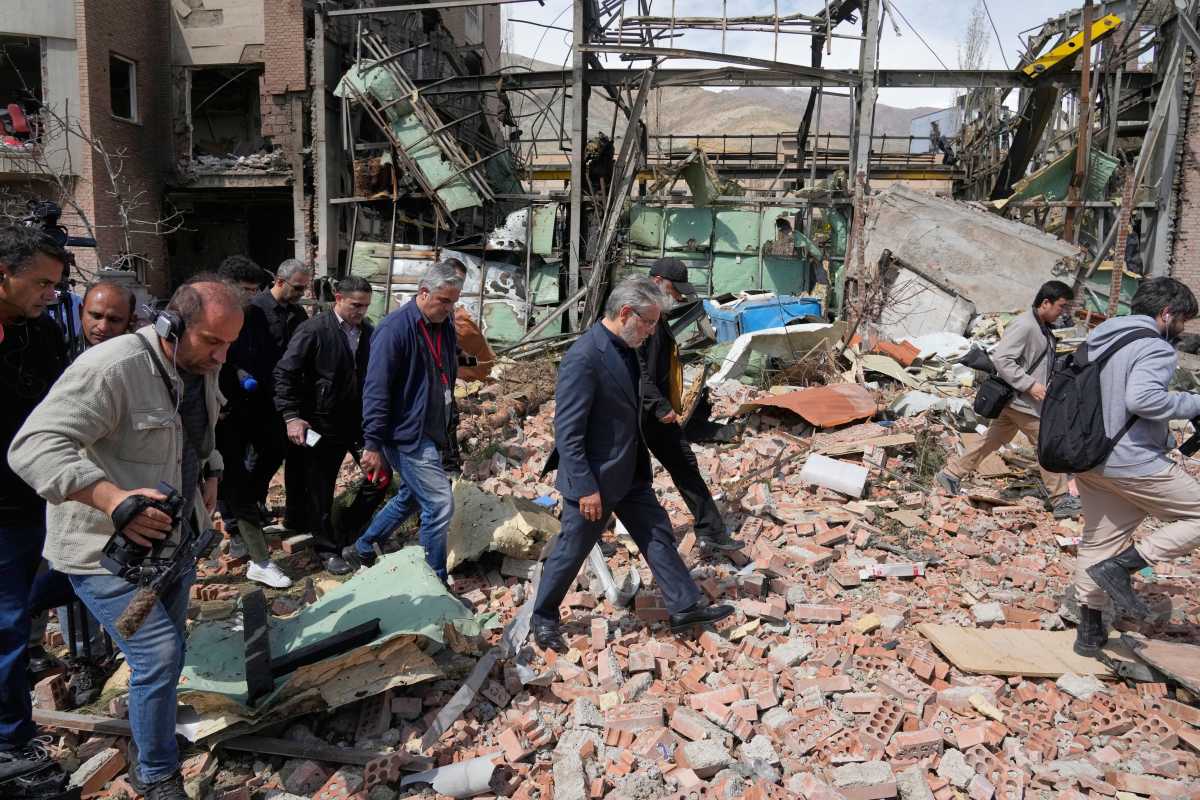
The official acknowledged those conditions "did not materialize," attributing the outcome to operational developments and decisions beyond Israel's control rather than faulty intelligence.
Israeli officials also defended their earlier estimate that the Iran war's most intense fighting would last four to six weeks, saying it referred only to the conflict's primary combat phase.
Despite the policy disagreements, officials on both sides maintained that Washington and Jerusalem continue to share a strong working relationship, describing the private discussions as part of ongoing coordination between close allies navigating a complex regional conflict.