Jeffries blasts 'reckless' $200B Iran budget as healthcare axed: 'Americans will furiously react'
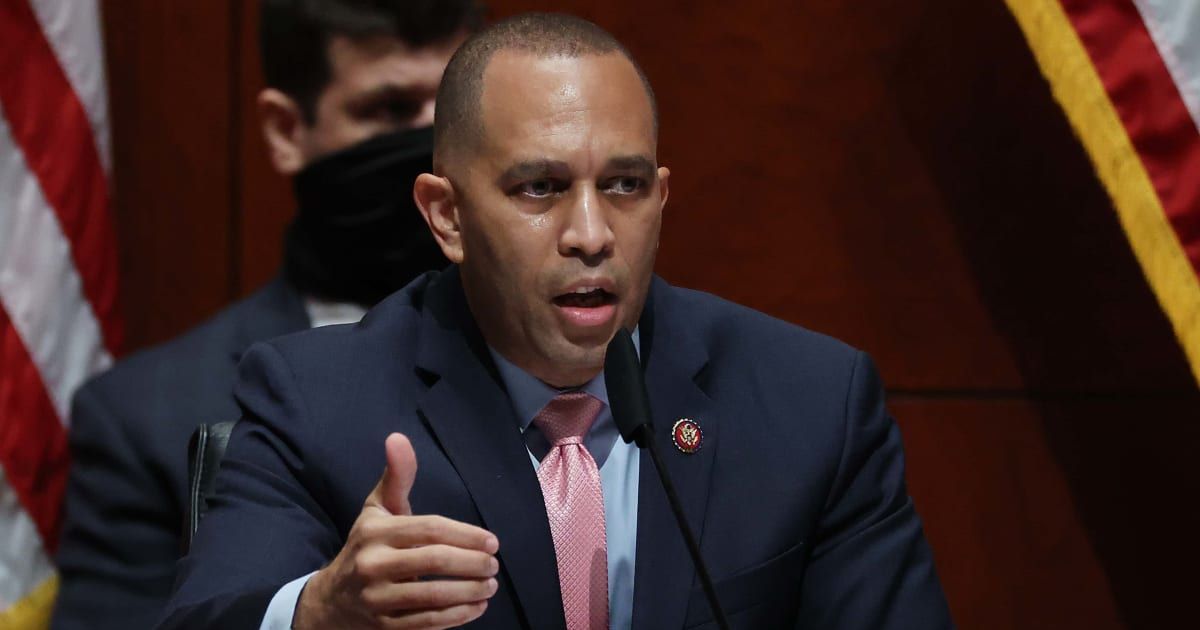
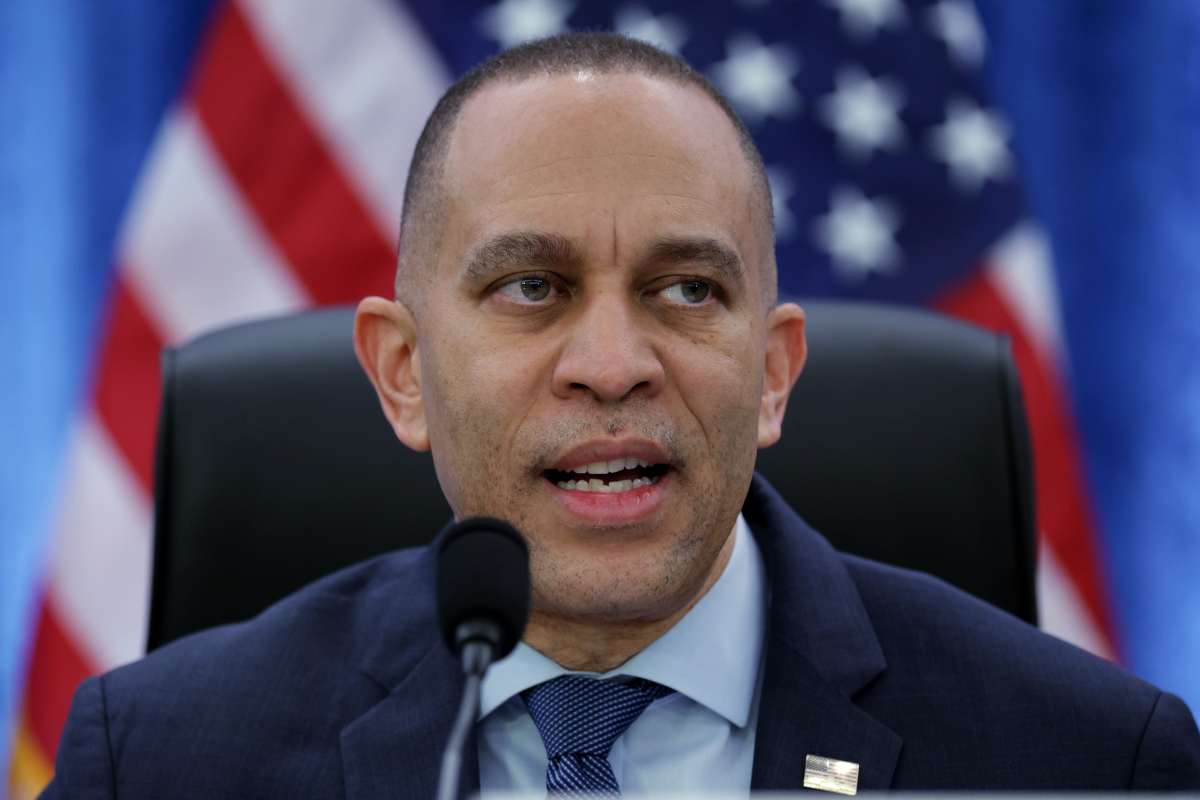
WASHINGTON, DC: House Minority Leader Hakeem Jeffries (D-NY) warned on Thursday, April 2, that Americans would strongly oppose any effort to cut federal healthcare funding to finance increased military spending related to the Iran conflict.
His comments come as lawmakers consider a Pentagon budget request that could reach up to $200 billion.
The proposal follows weeks of escalating US military operations in coordination with Israel. The issue has intensified debate in Congress over spending priorities and the potential impact on domestic programs.
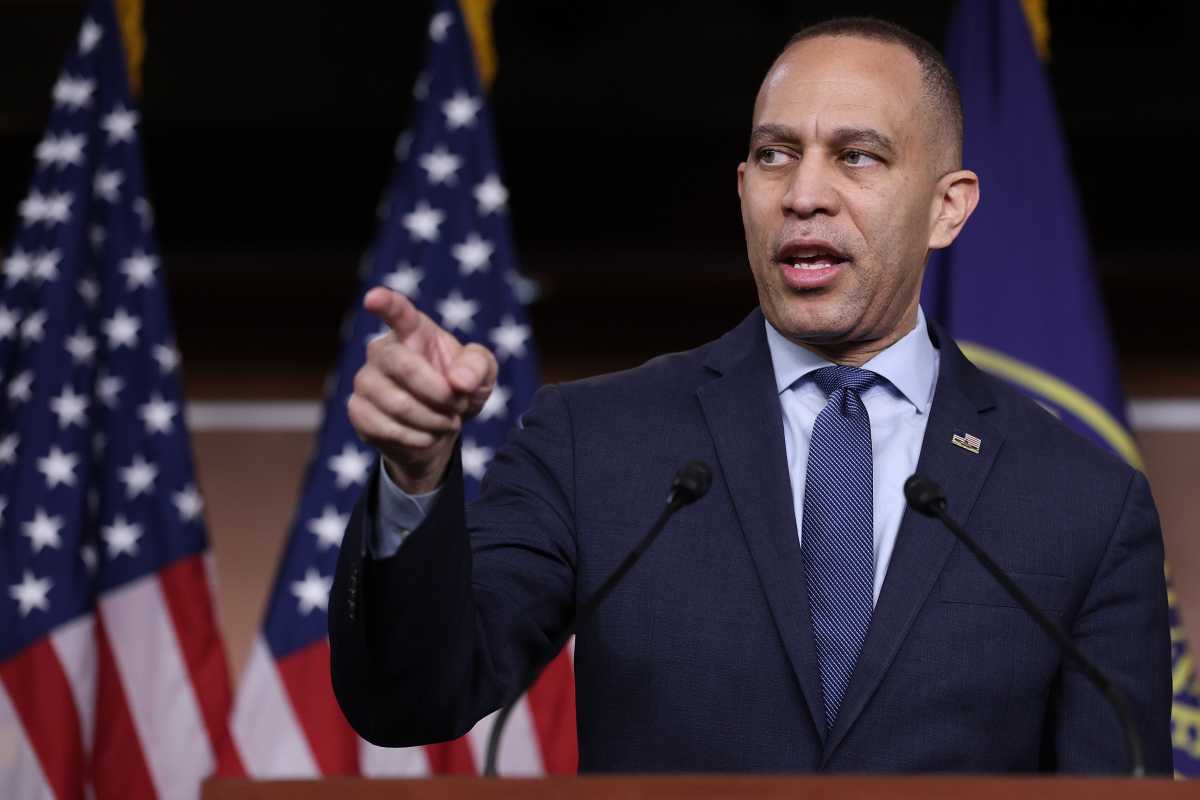
Hakeem Jeffries warns of public backlash over healthcare cuts
Jeffries said voters would react negatively to any proposal that reduces healthcare or nutritional assistance to offset defense spending.
“I think the American people, as they’ve done with the One Big Ugly Bill, will furiously react to any effort to continue to cut health care or cut nutritional assistance in order to actually fund Donald Trump’s reckless war of choice,” he said.
Jeffries referenced previous public opposition to Medicare-related provisions included in the 'One Big Beautiful Bill Act', which was signed into law last year. He argued that similar measures tied to the current defense proposal would face comparable resistance.
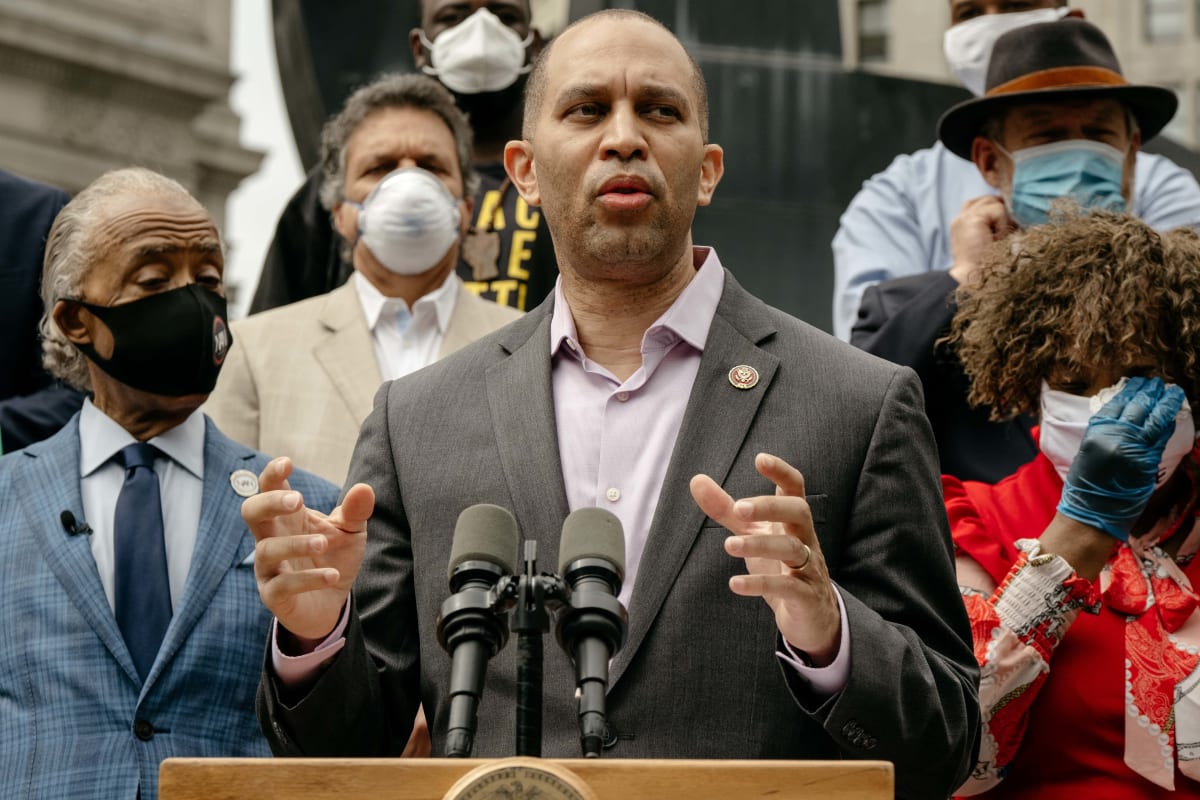
The Democratic leader also described the Pentagon’s funding request as excessive. “Out of control,” he said, while urging bipartisan opposition to the measure.
“It is my expectation that there will be strong opposition amongst House Democrats and Senate Democrats, as has already been expressed by many members across the Capitol, and by the way, there should be some Republicans who join us,” Jeffries added.
According to reports, House Republicans are considering reducing federal healthcare spending as a way to offset the cost of the proposed defense budget.
With limited Democratic support expected, GOP leaders are exploring the use of the reconciliation process, which would allow passage in the Senate without meeting the standard 60-vote threshold.
Pentagon defends request amid rising costs and global impact
Defense Secretary Pete Hegseth has defended the proposed budget, which could total as much as $200 billion. He indicated that the figure remains subject to change, stating that it “could move,” and added, “it takes money to kill bad guys.”
Pentagon officials have already provided lawmakers with early cost estimates tied to the conflict. During a briefing in March, officials said the first six days of military operations against Iran cost approximately $11.3 billion.

The US and Israel began joint strikes on February 28 following unsuccessful nuclear negotiations, marking a significant escalation in regional tensions.
The economic effects of the conflict have also drawn attention. Iranian counterstrikes in Gulf states have disrupted activity in the Strait of Hormuz, a critical global shipping route responsible for roughly 20% of the world’s oil supply under normal conditions.
The disruption has contributed to rising energy prices worldwide.

As of Thursday morning, April 2, Brent crude oil was trading at around $108 per barrel, while West Texas Intermediate crude was near $111 per barrel.
The increase in oil prices has raised concerns about inflation and broader economic impacts, adding another layer to the ongoing debate over federal spending priorities.