Jim Himes accuses Trump of 'flat-out lying' about negotiating with Iran
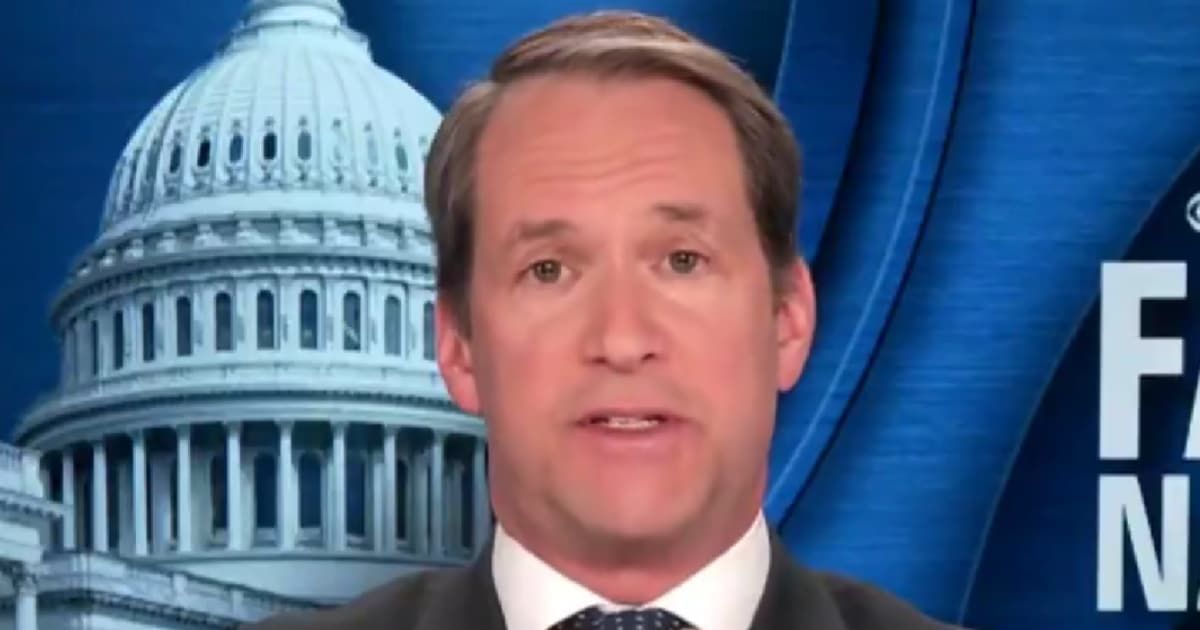
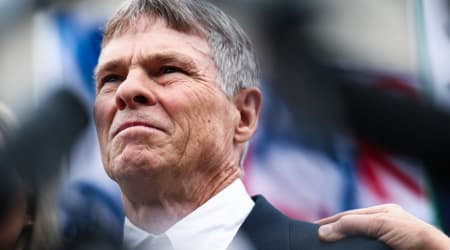
Top Democrat on the House Intelligence Committee, Rep. Jim Himes (D-CT), says President Trump is “flat-out lying” about diplomacy talks with Iran.
— Face The Nation (@FaceTheNation) March 29, 2026
“Last Sunday, he realized, ‘Oh my God, I've got a financial cataclysm on Monday,’ so he just made it up that they’re in negotiation… pic.twitter.com/BpKZuGLv4o
WASHINGTON, DC: Rep. Jim Himes, the top Democrat on the House Intelligence Committee, accused President Donald Trump of misleading the public about US negotiations with Iran during a television appearance on Sunday, March 29.
The remarks came amid escalating tensions in the Middle East after a joint US-Israeli operation launched on February 28 targeted Iran’s political and military establishment following the collapse of negotiations over its nuclear enrichment program. Himes’ comments also came as global markets showed volatility and energy prices surged, with the central dispute centered on whether any direct diplomatic engagement has occurred between Washington and Tehran.
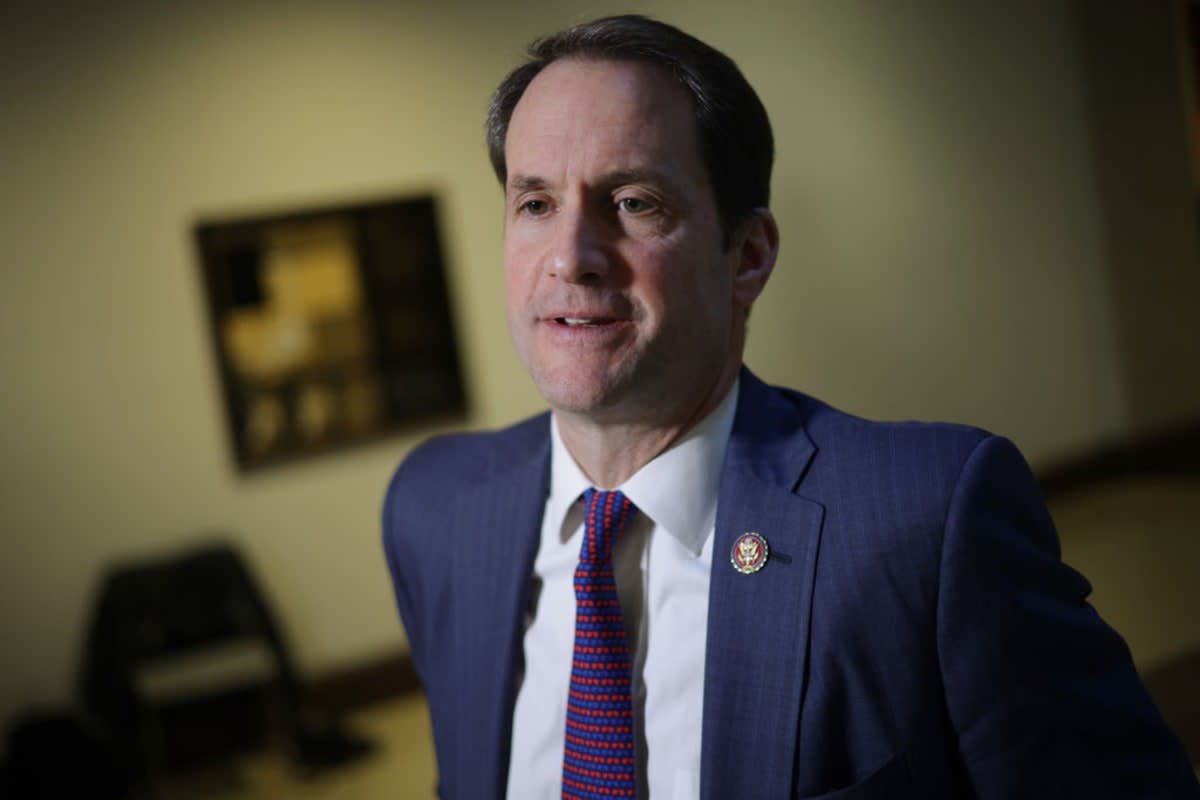
Jim Himes questions Trump’s claim about Iran negotiations
Appearing on 'Face the Nation,' host Margaret Brennan questioned Himes, asking whether his assertion that the president was not negotiating with Iran stemmed from a lack of congressional briefing or from his belief that the claim itself was untrue.
Himes responded that Trump was “flat-out lying” about negotiations with Iran, suggesting, "When he was told — and by the way, we're in exactly the same position today, you know, oil prices now $112 a barrel. And you know futures in the stock market down 2%. Last Sunday, he realized, oh my God, I've got a financial cataclysm on Monday."
He continued, "So he just made it up that they're in negotiations with the Iranians. Look underneath that statement, the Iranians have now realized that they have the reins. They are controlling the Strait of Hormuz. Gasoline prices are up more than $1 a gallon, and so the Iranians realize, holy smokes, we've got a lot of leverage here."
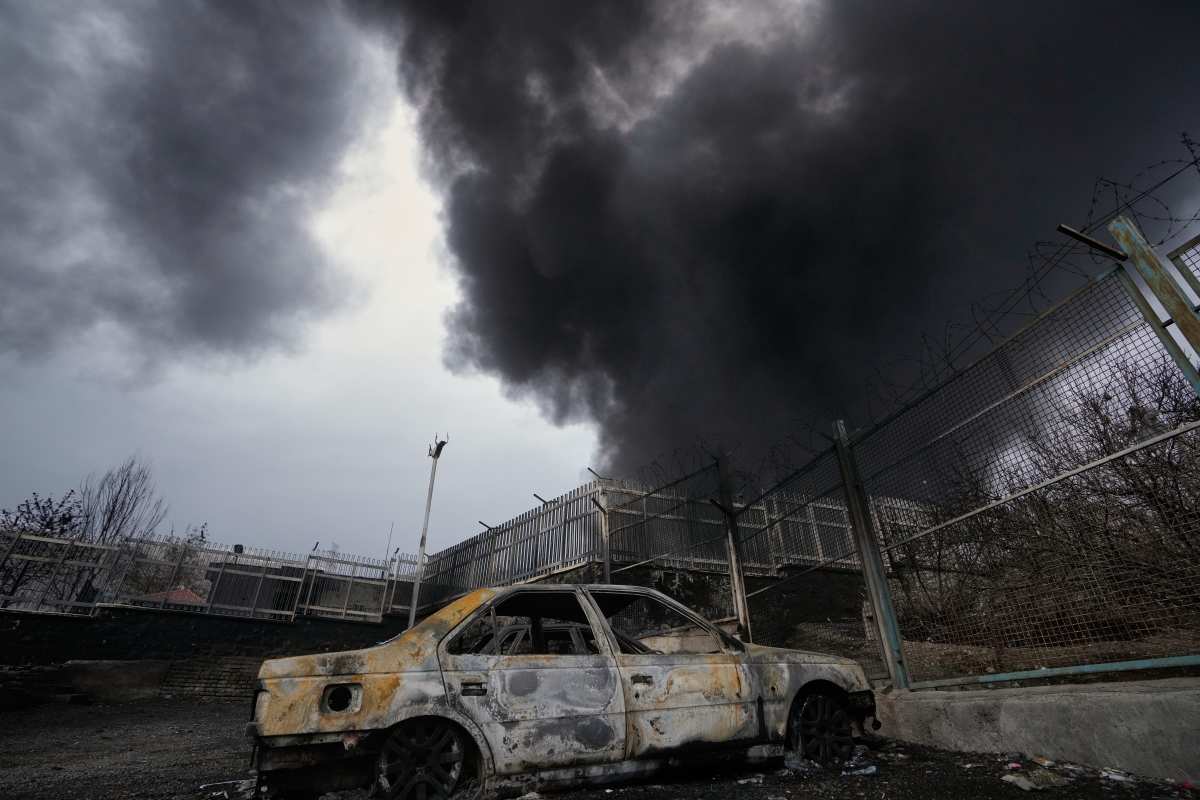
A week earlier, the president announced an extension of the deadline for Iran to reopen the Strait of Hormuz to international shipping, after warning he would “obliterate” the country’s power plants if it failed to meet US demands. In response, Iran threatened to target US and Israeli energy and infrastructure across the Middle East.
Iran’s Foreign Ministry described Trump’s decision to delay the deadline as “part of efforts to lower energy prices and buy time for the implementation of his military plans,” according to state media reports. The president maintained that the move could lead to a swift resolution of the conflict.
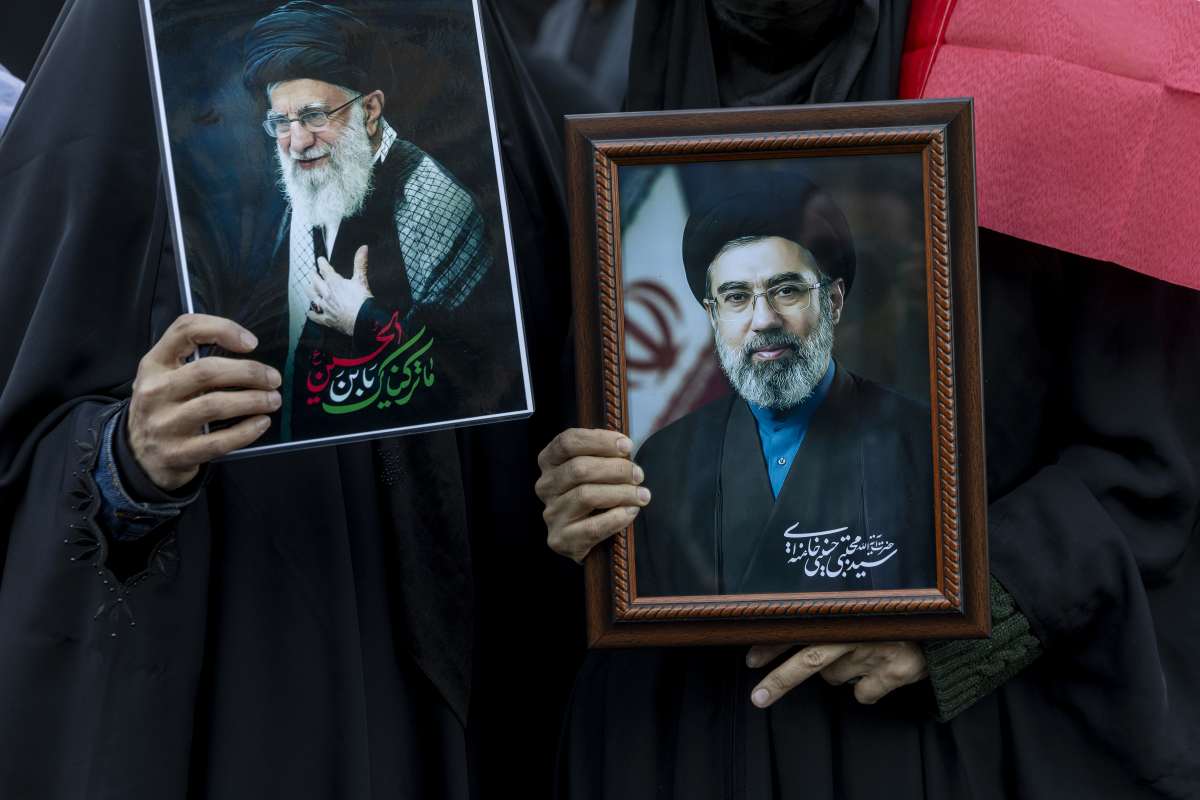
Trump also rejected Iranian state media reports claiming that no talks were underway, asserting instead that his administration was negotiating with a “top” Iranian official, though not with Supreme Leader Ayatollah Mojtaba Khamenei. However, Iran’s Foreign Ministry denied any direct engagement with the US.
Jim Himes disputes Marco Rubio’s remarks on Russia-Iran ties
During the interview, Brennan also referred to Secretary of State Marco Rubio’s remarks downplaying Russia’s assistance to Iran, noting that he had suggested it was not significantly affecting the battlefield.
She contrasted this with assessments from France and the United Kingdom indicating that Russia and Iran were supporting each other, particularly on drone capabilities, and asked Himes for his interpretation of Rubio’s statement.
Himes responded critically, stating, "I think it is very much in Marco Rubio's interest as one of the chief cheerleaders of this war that the American people are now coming to realize is a catastrophe, another quagmire for Marco Rubio to say things like, oh, they're not making a difference."
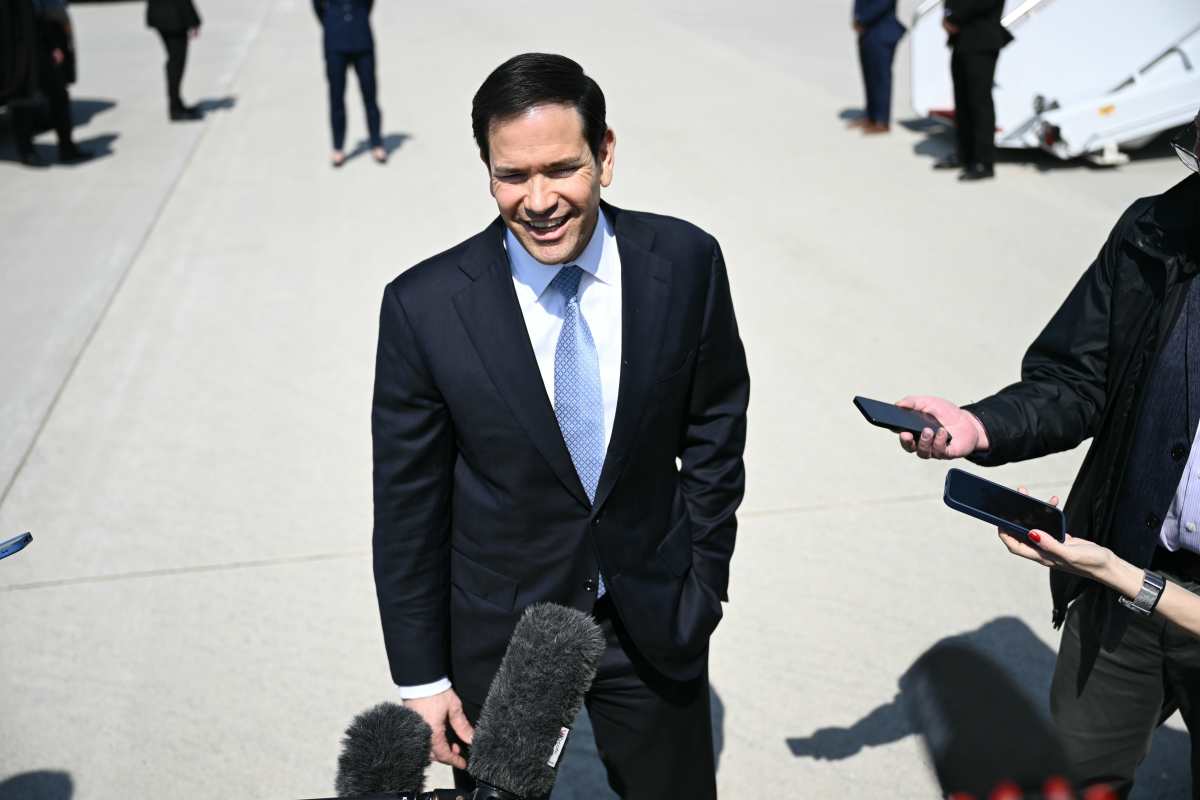
He further said, "Well, I don't agree with Marco Rubio on that point. You know, the Russians have capabilities, things like using basic satellite technology, which you can do commercially, by the way, to find our aircraft carriers. Our military bases in the region, Margaret, right now are supposedly uninhabitable. Why do you think that is?"
Despite the lack of confirmed direct talks, indirect diplomatic efforts have continued. US special envoy Steve Witkoff reportedly presented Iran with a 15-point proposal for a potential peace agreement through Pakistan, acting as an intermediary.
Meanwhile, regional diplomacy has intensified. Officials from Egypt, Saudi Arabia, and Turkey convened in Islamabad to explore pathways toward ending the conflict. Pakistan’s foreign minister indicated that the country may host future talks between the US and Iran, although neither side has confirmed participation and neither is currently directly involved in these discussions.