John Kennedy defends Trump on Iran War:' He was trying to stop a war’
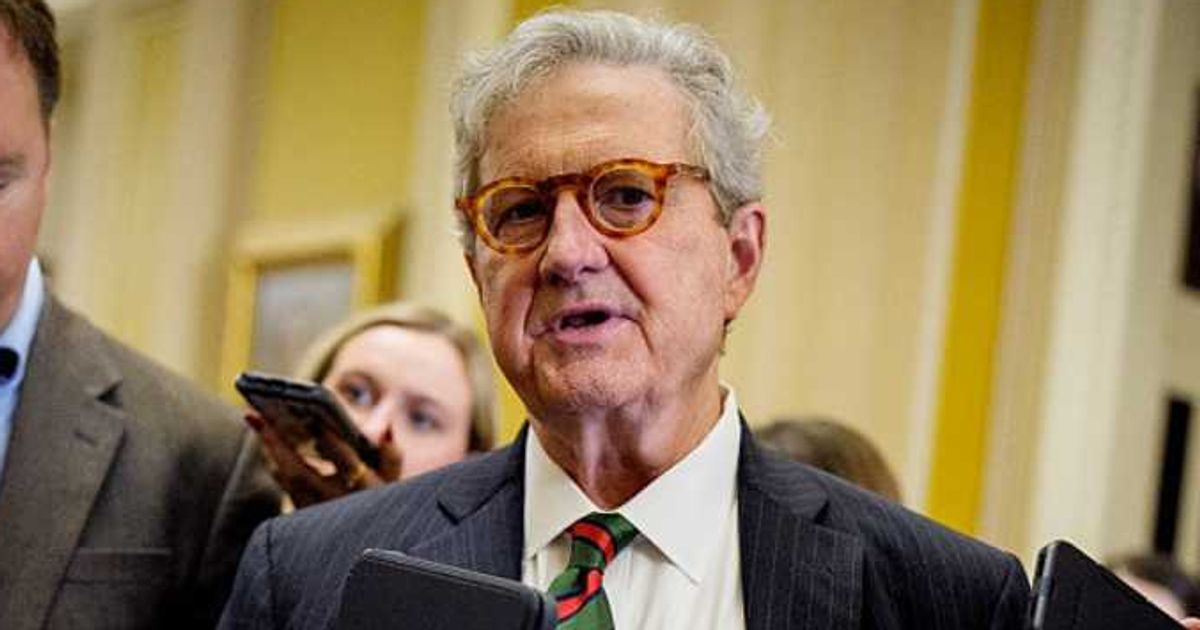
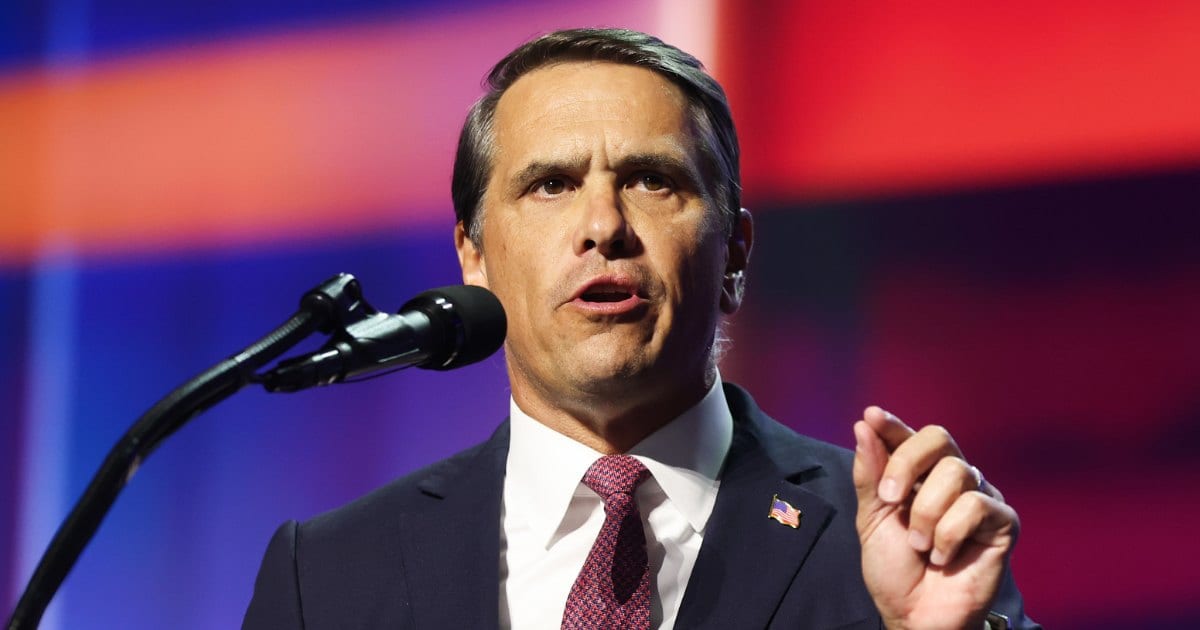
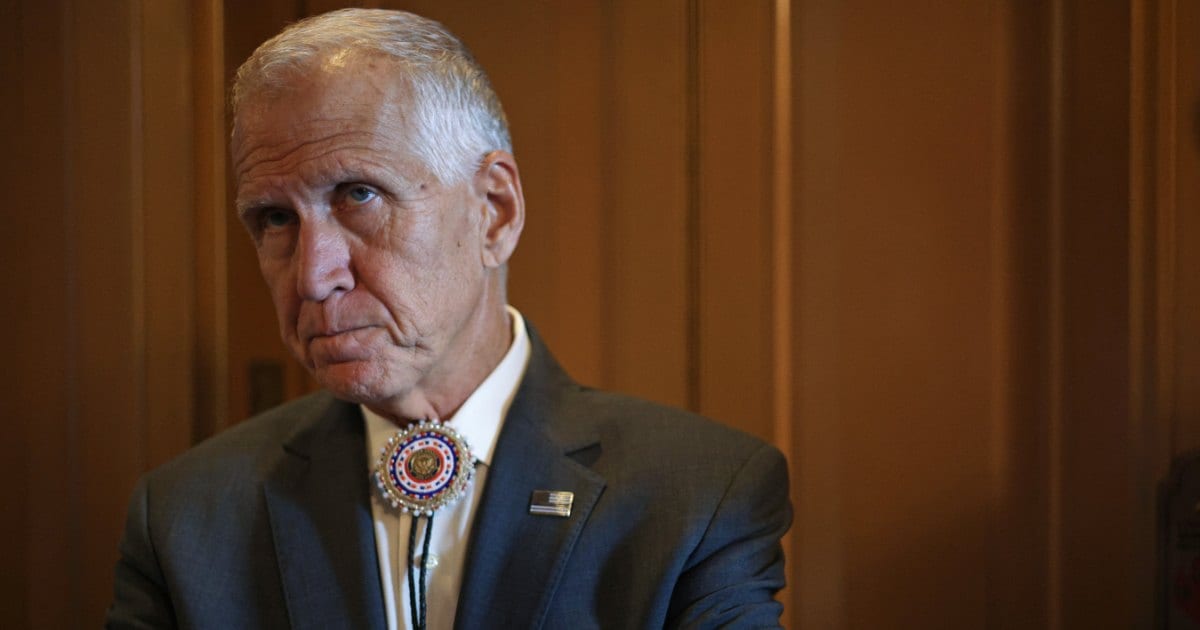
WASHINGTON, DC: Sen. John Kennedy on Wednesday, March 25, defended President Donald Trump’s decision to enter the conflict alongside Israel against Iran, stating the move was aimed at preventing a broader war.
The remarks come as the conflict nears one month, amid rising casualties and growing domestic criticism. Officials have also indicated that US military objectives in the region are close to being achieved.
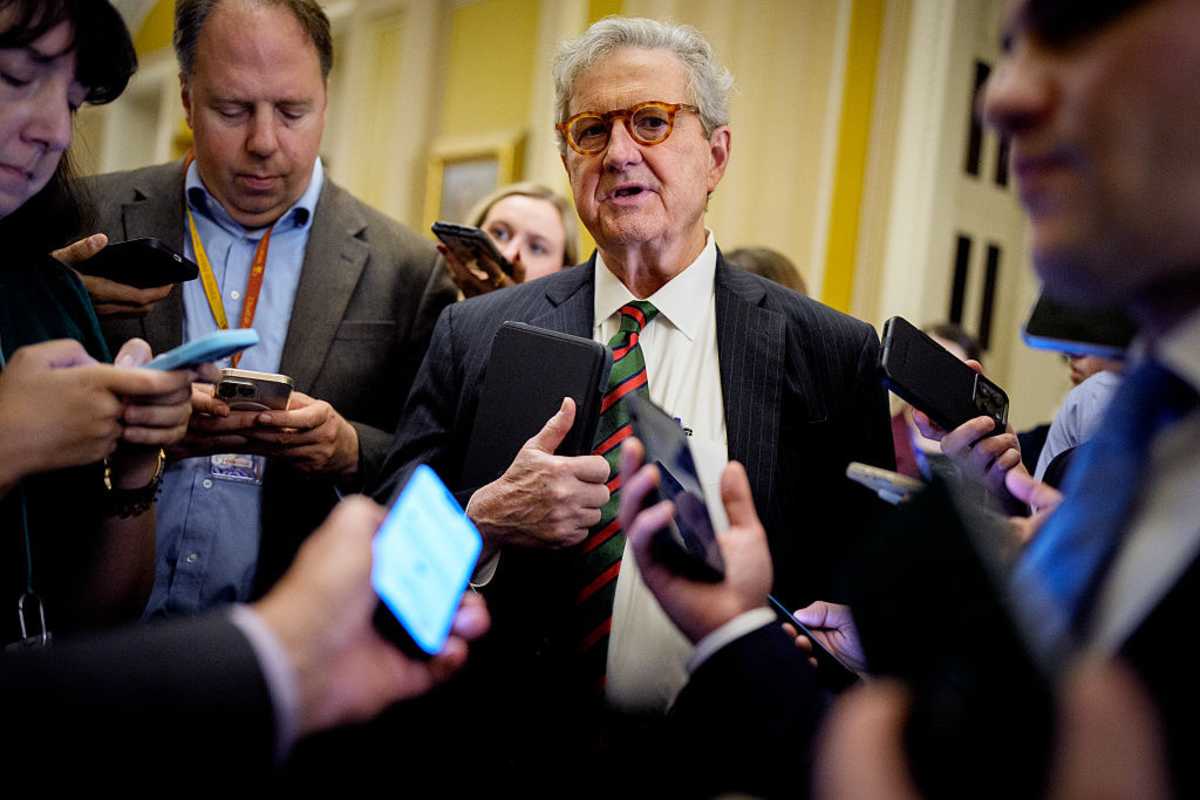
John Kennedy defends Trump’s strategy on Iran war
Speaking on Fox Business Network with host Larry Kudlow, Kennedy said, “Here’s why we went into Iran: We had no choice. The president didn’t start a war, he was trying to stop a war.” He claimed Iran had been producing “200 to 600 missiles a month” and intended to stockpile enough weapons to threaten the Middle East and major European cities.
Kennedy also outlined the administration’s objectives, stating, “So, the president went in. His objectives were to destroy Iran’s missile manufacturing plants, destroy their drone manufacturing plants, destroy as many of their missiles as we can."
He further said, "Destroy as many of their drones as we can, destroy the infrastructure of the Revolutionary Guard, destroy their navy and destroy their air force.”
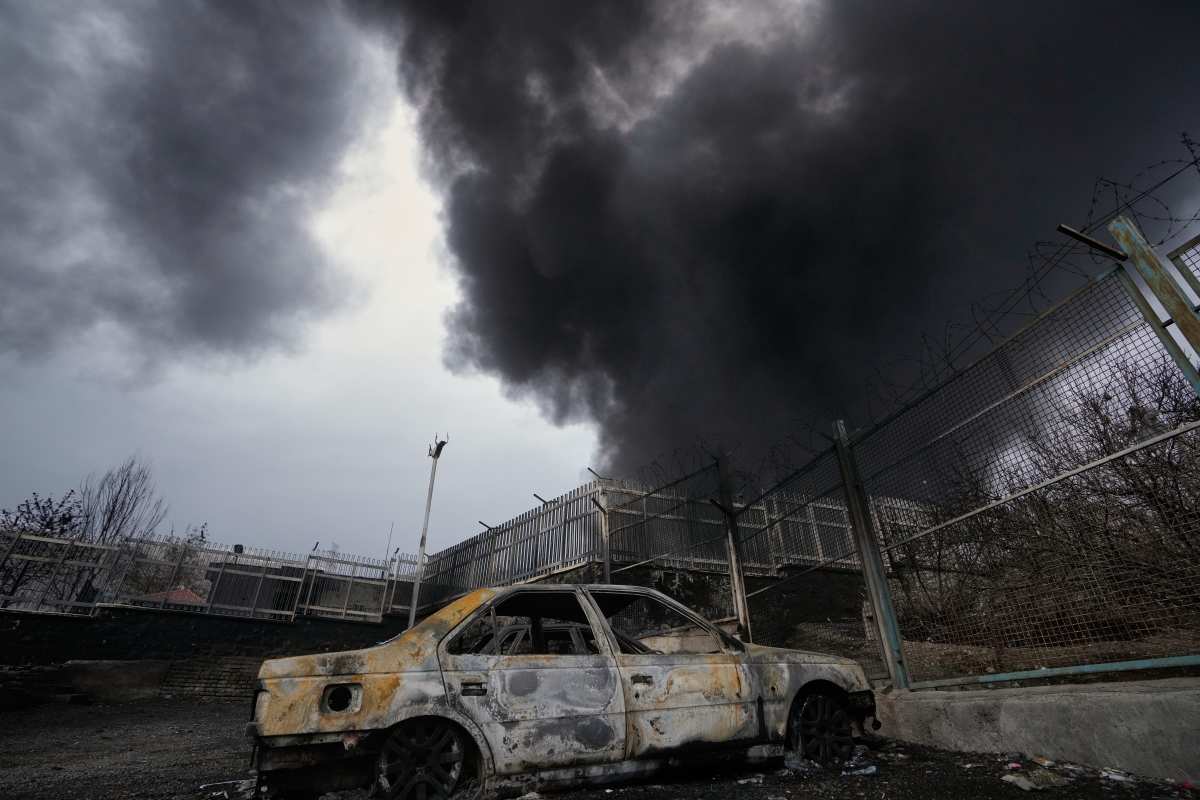
White House press secretary Karoline Leavitt during a press brief said the US was nearing its operational goals. “We are very close to meeting the core objectives of Operation Epic Fury, and this military mission continues unabated,” she said, citing efforts such as the destruction of the Iranian navy and moves toward reopening the Strait of Hormuz.
However, the conflict has drawn domestic criticism. A Reuters/Ipsos poll conducted between March 20–23 found that 61% of Americans disapproved of US military strikes in Iran, while 35% approved. The humanitarian toll has also been severe, with UNICEF Deputy Executive Director Ted Chaiban stating that more than 2,100 children had been killed or wounded since the fighting began.
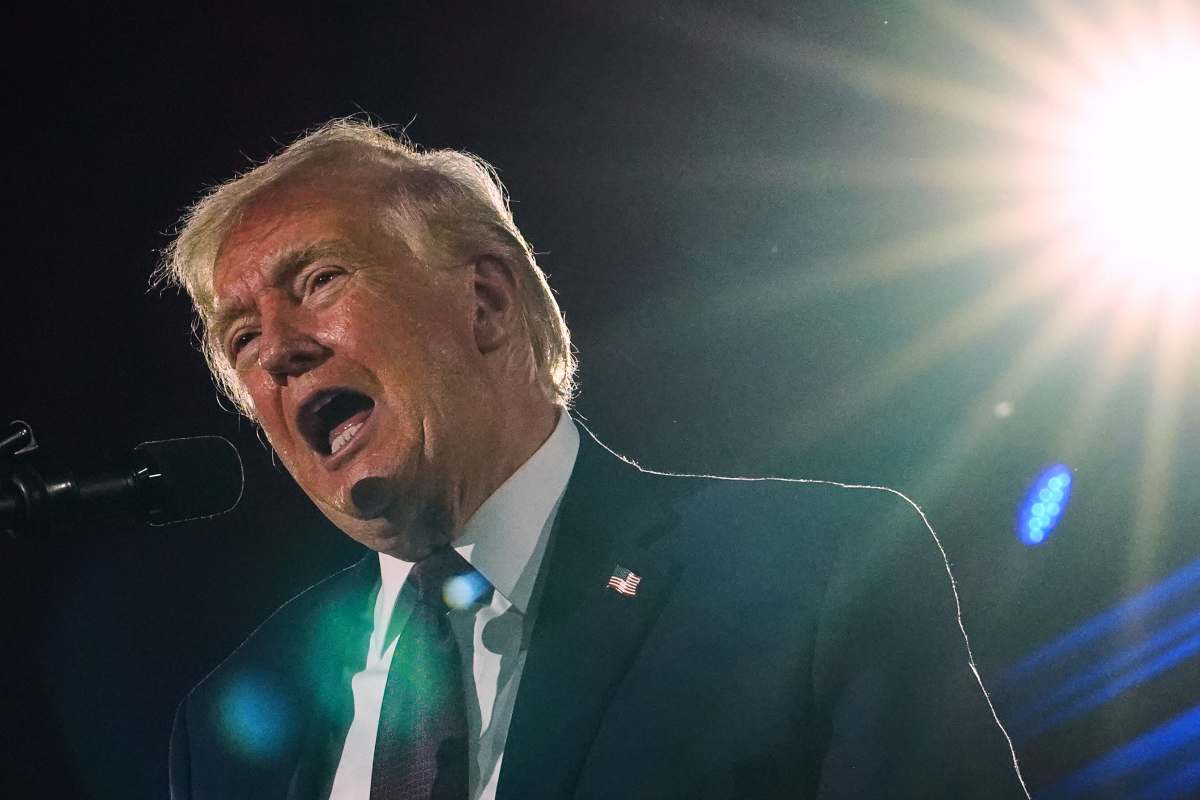
Trump, Iran officials, and escalating conflict dynamics
Lawmakers from both parties were told in a classified briefing that the Trump administration’s strikes were largely influenced by an Israeli plan to attack Iran, prompting preemptive US action to protect American troops in the Middle East.
Kennedy later said he “might” have pushed Israel to act first, adding, “It was my opinion that they were going to attack first.” Trump has also stated that negotiations are currently underway with Iranian officials to reach a potential agreement.
But Iranian Foreign Minister Abbas Araghchi said there had been no direct negotiations with the US, though messages had been exchanged, “Messages being conveyed through our friendly countries and us responding… is not called negotiation or dialogue."
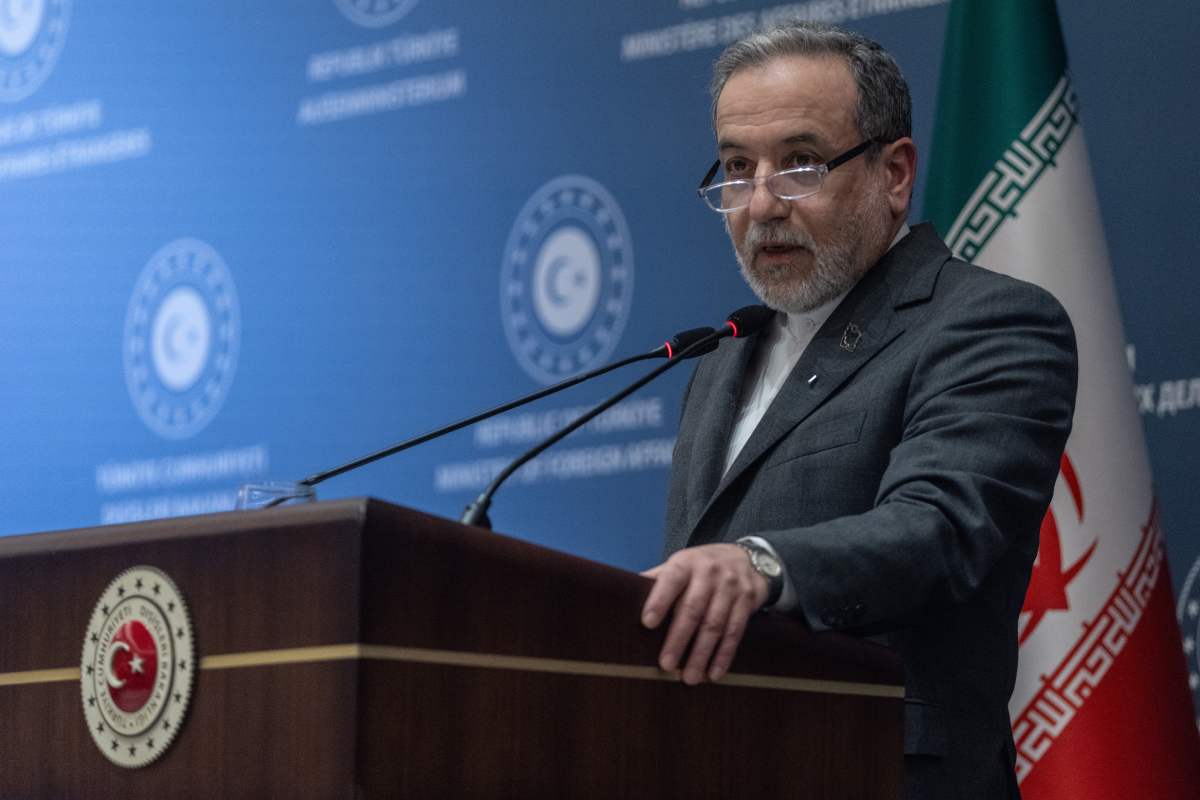
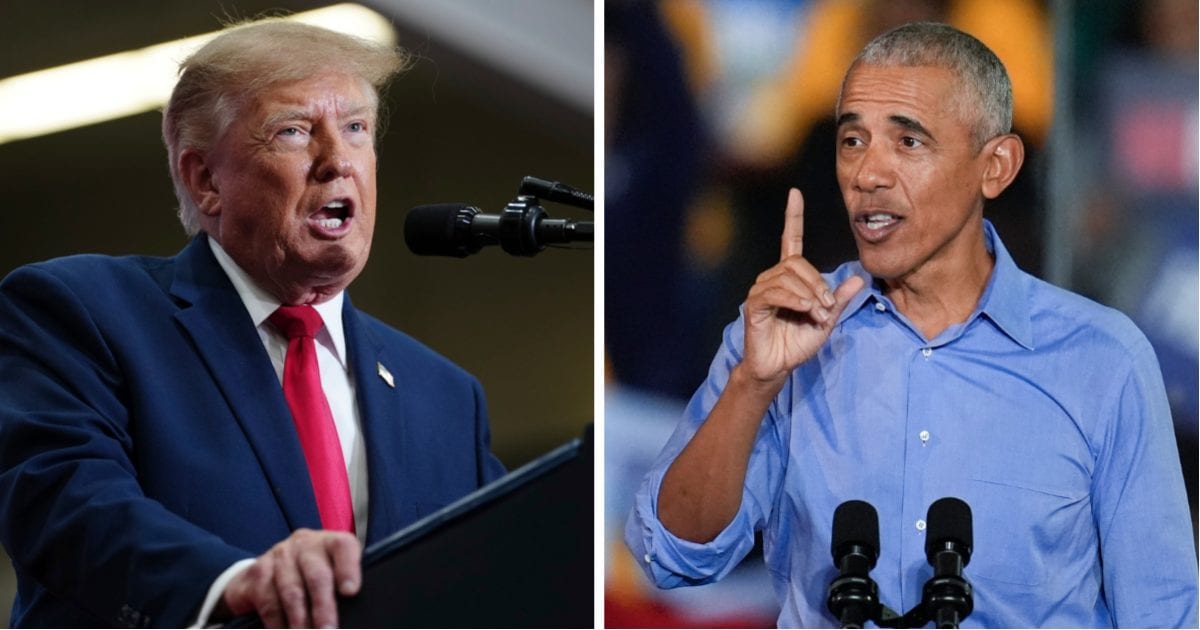
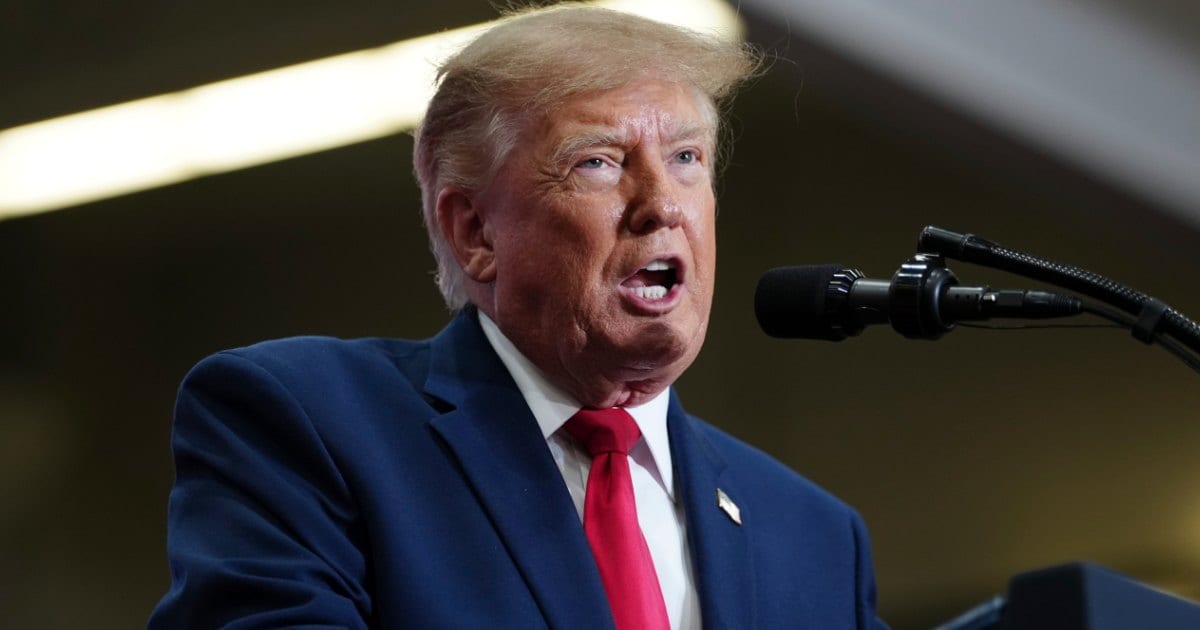
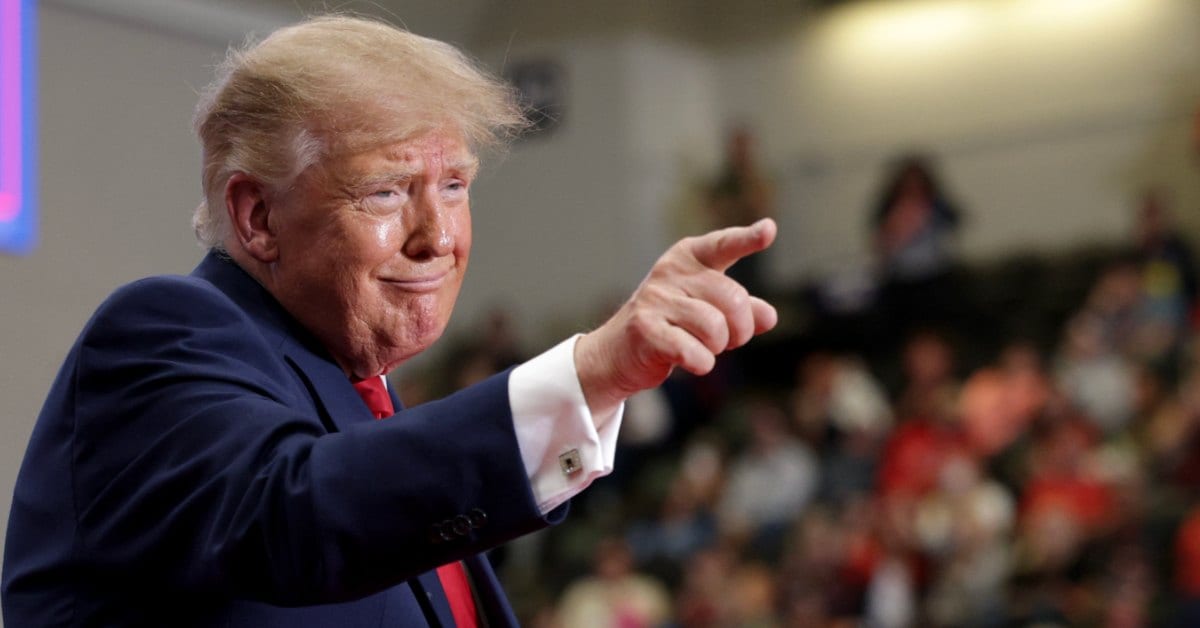
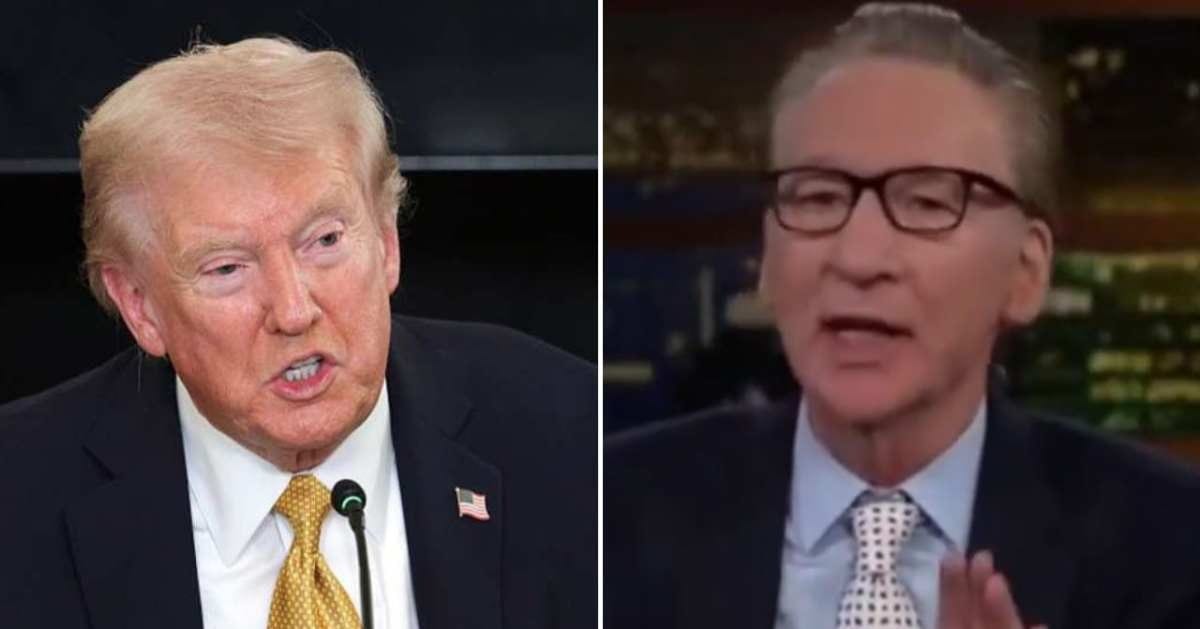
Speaking at NRCC fundraising event on Wednesday, Trump emphasized, “want to make a deal so badly, but they're afraid to say it.” He added that they feared both internal consequences and potential US action.
He did not specify who the US was negotiating with, as many high-ranking Iranian officials had been killed since the conflict began on February 28. The conflict has continued to escalate, with Iran launching strikes against Israel, US bases, and Gulf states.
Iran’s supreme leader Ali Khamenei was killed on the first day of the conflict in an Israeli strike and replaced by his son Mojtaba, who has since been wounded and not publicly seen. According to US Central Command, most Iranian facilities used to build missiles, drones, and warships have been severely damaged or destroyed.