Trump claims Iran wants to negotiate and make a deal 'but afraid to say it' at NRCC speech
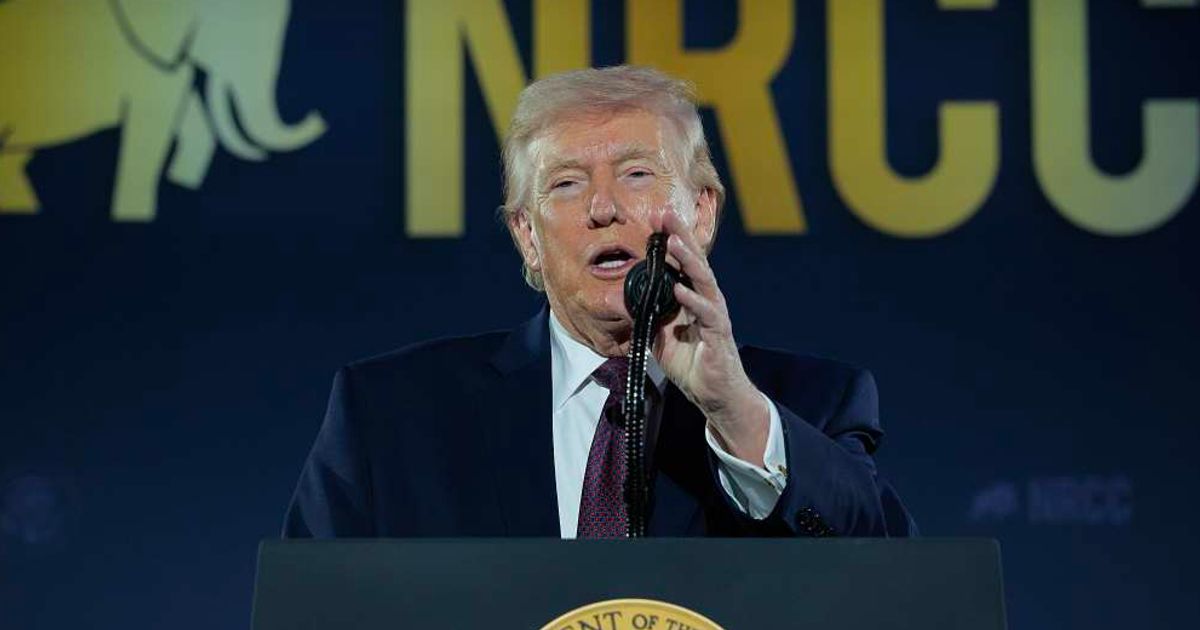
NOW - Trump on Iran: "They are negotiating by the way, and they want to make a deal so badly, but they're afraid to say it. Because they figure they'll be killed by their own people." pic.twitter.com/Bvb6AGvT1I
— Disclose.tv (@disclosetv) March 25, 2026
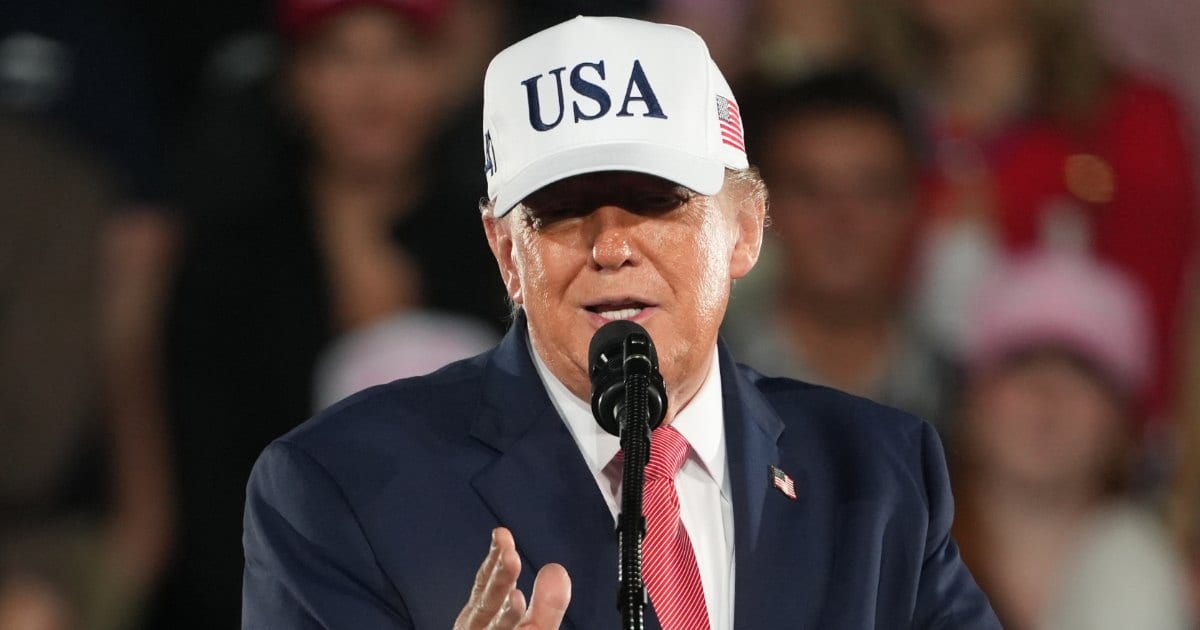
WASHINGTON, DC: President Donald Trump addressed recent developments in the Iran conflict during remarks on Wednesday, March 25, at the annual National Republican Congressional Committee fundraising dinner held at Union Station.
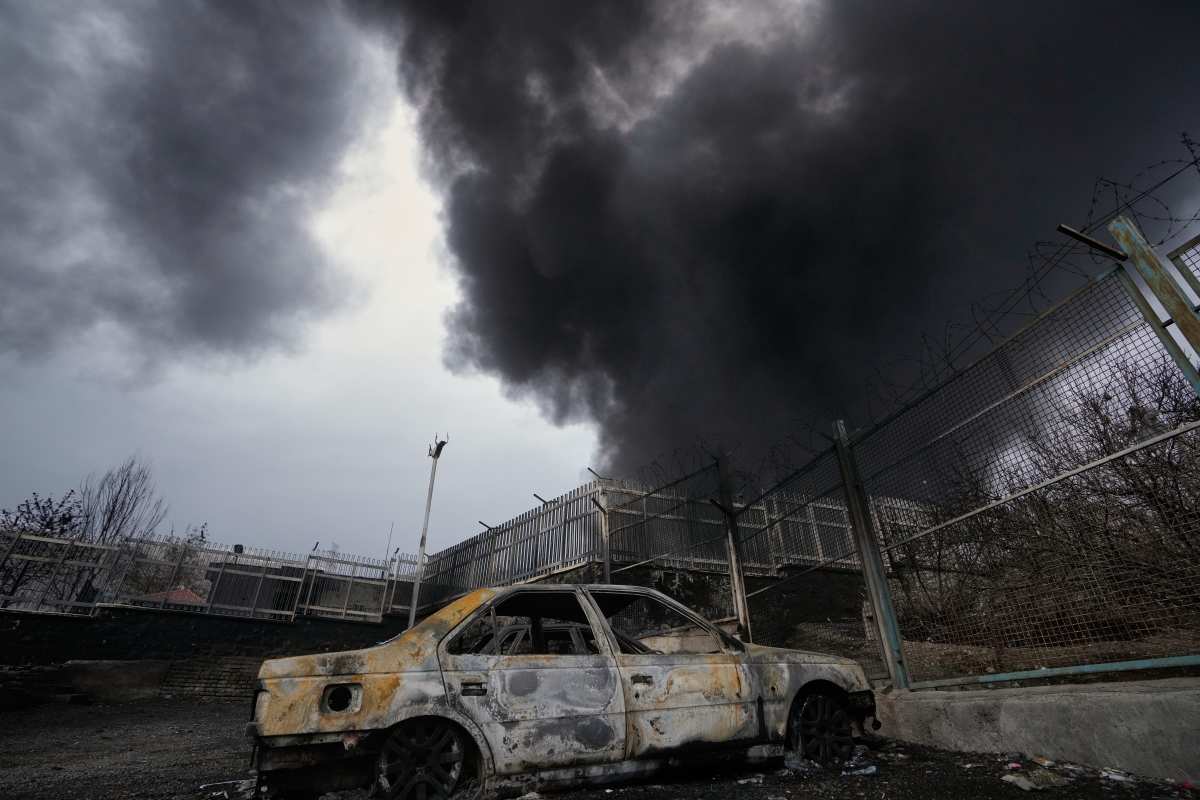
His speech comes amid an expanding Middle East conflict following a joint US-Israeli operation against Iran on February 28 targeting its military and political establishment over its nuclear enrichment program. The address also coincided with ongoing efforts by lawmakers to resolve a partial government shutdown ahead of a planned two-week recess.
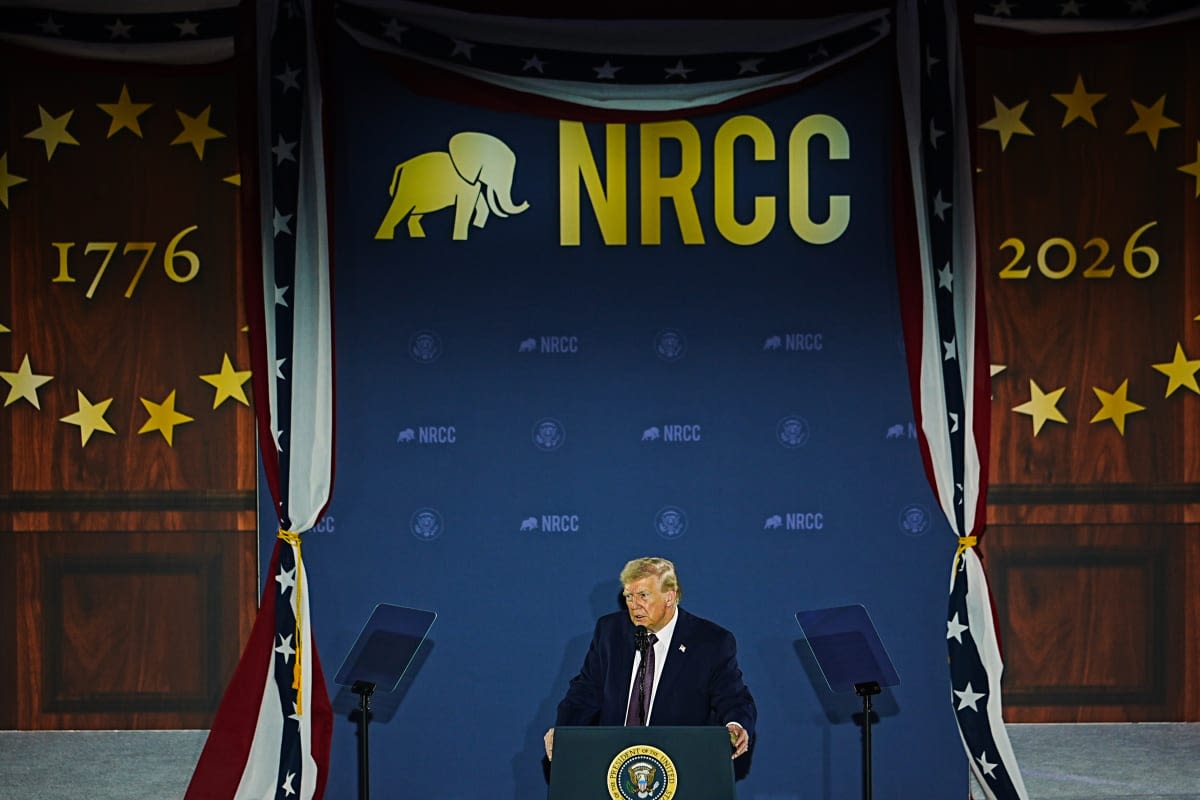
Trump says Iran wants to make a deal but is ‘afraid to say it’
During his speech, Trump claimed significant military and diplomatic progress, stating, “We settled 8 wars and we are winning other one. We are winning big nobody has seen anything like we are doing in Middle East with Iran and they are negotiating.”
He added that Iranian leadership is reluctant to openly pursue negotiations, saying, “They want to make a deal so badly, but they’re afraid to say it because they figure they’ll be killed by their own people. They’re also afraid they’ll be killed by us.”
Trump further remarked, “There never been a head of country that wanted that job less than wanting to be head of Iran,” and claimed that Iranian officials deny interest when asked about leadership roles.
Later, Trump dismissed media coverage as “fake news,” arguing that it misrepresented the situation and insisting, “If you listen to the news, you’d think we’re losing a war in Iran. We’re decimating the other side.”
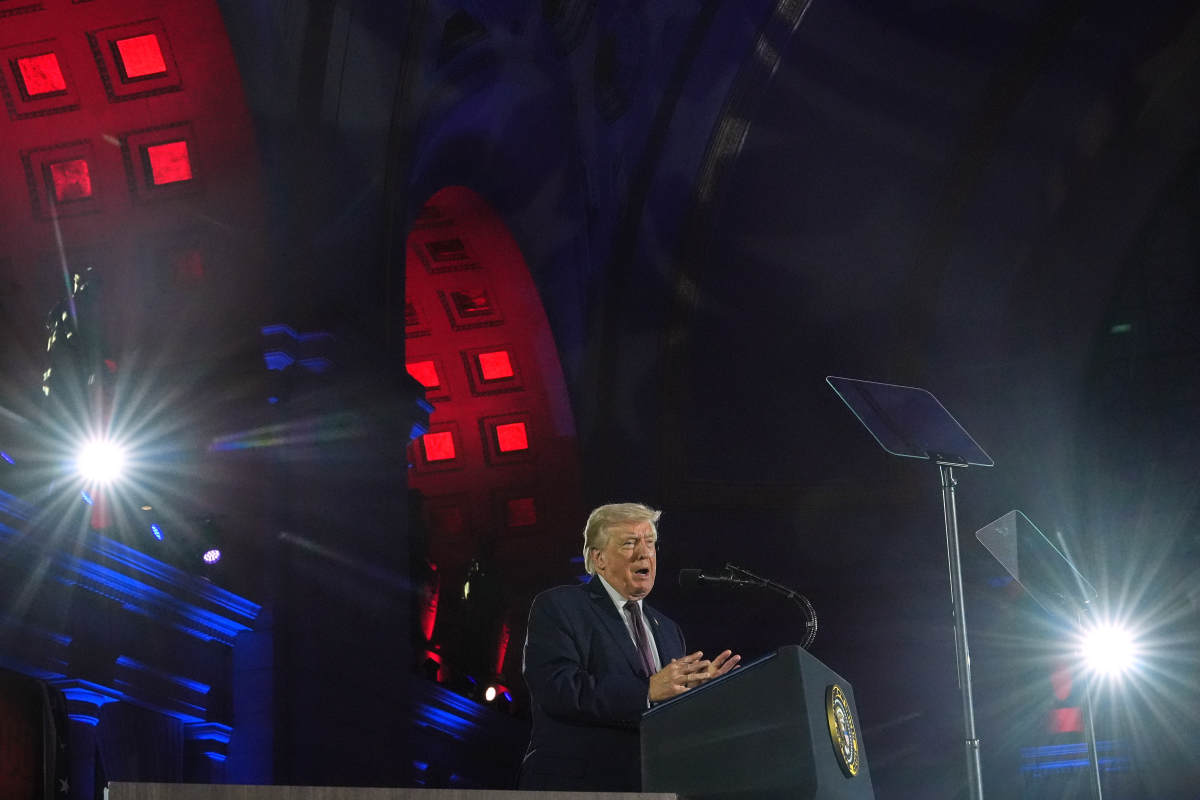
Trump highlights military success and ongoing communication channels
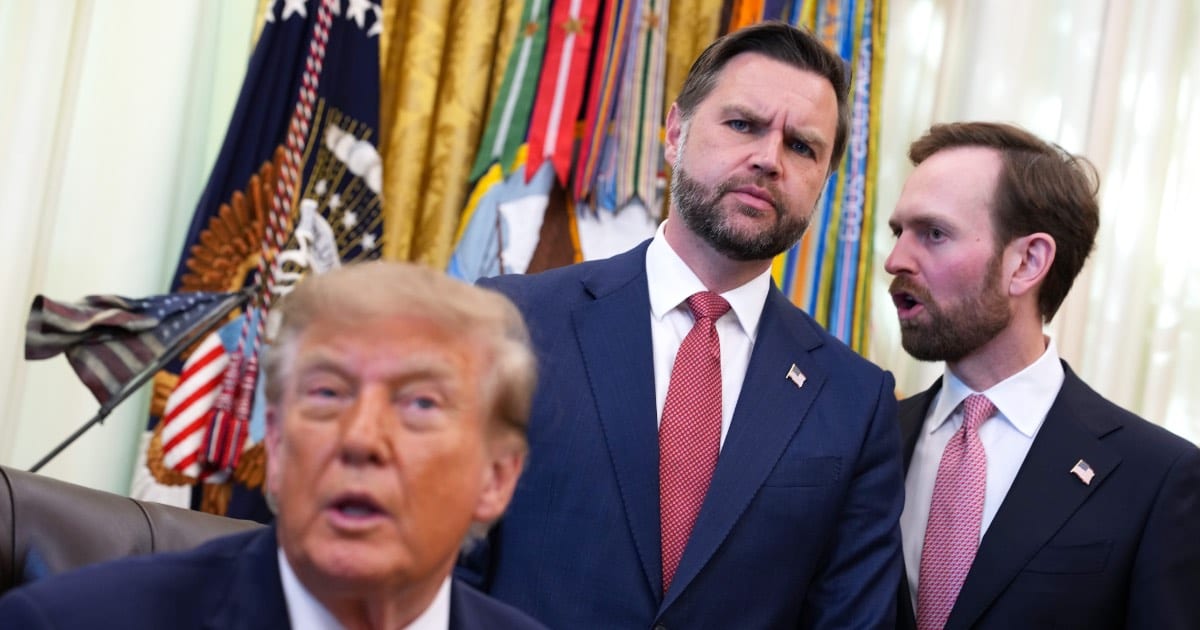
Earlier, during a March 24 swearing-in ceremony for the Secretary of Homeland Security Markwayne Mullin, Trump reiterated these claims, stating, “The military is great. We're having, by the way, a tremendous success, as you know, in Iran. We had one in Venezuela, and now we're having one in Iran.”
He claimed that Iran’s military capabilities had been dismantled, saying, “They have no navy left. They have no air force left. They have no anti-aircraft equipment left, no radar left, no leaders left. The leaders are all gone. Nobody knows who to talk to.”
Trump maintained that communication channels remain open, adding, “But we're actually talking to the right people. And they want to make a deal so badly. You have no idea how badly they want to make a deal and we'll see what happens.”
US outlines conditions as Iran denies formal negotiations
House Speaker Mike Johnson on Wednesday stated that there are no “boots on the ground” in the Middle East but urged Iran to “take note” of the US military buildup in the region. He also called on Tehran to reopen the Strait of Hormuz to commercial oil and gas shipping.
Johnson also suggested the conflict may be nearing its conclusion, stating, “Operation Epic Fury is almost done… the objectives have been met.”
White House Press Secretary Karoline Leavitt later warned that Trump is prepared to escalate if Iran does not agree to terms. “If Iran fails to accept the reality of the current moment… President Trump will ensure they are hit harder than they have ever been hit before,” she said, adding, “President Trump does not bluff and he is prepared to unleash hell.”
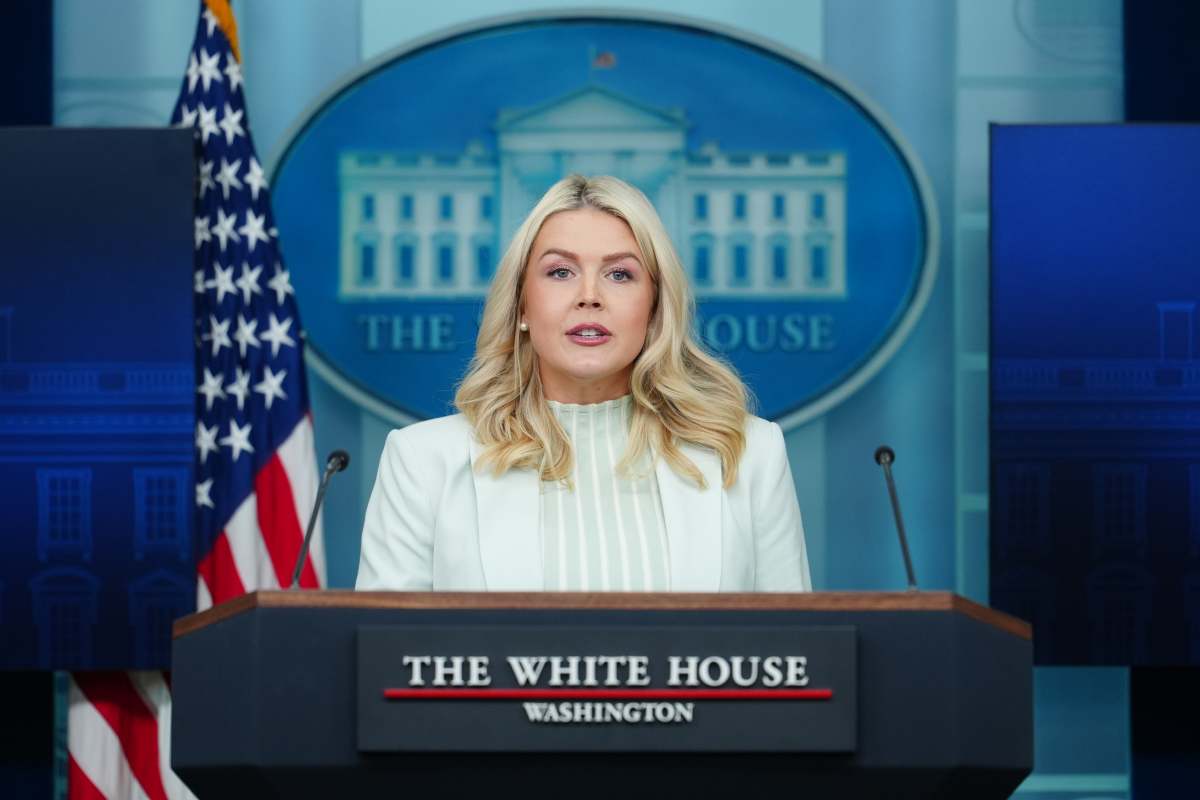
Despite these claims, Iran’s state-run Press TV reported that Tehran rejected US proposals to end the war. Leavitt maintained that “Talks continue. They are productive,” noting “elements of truth” in reports about a 15-point US plan.
However, Iranian Foreign Minister Abbas Araghchi denied negotiations, stating, “There are no negotiations underway,” and described exchanges as indirect messaging rather than dialogue. Iran has outlined conditions to end the conflict, including a complete halt to “aggression and assassinations,” guarantees against renewed war, and payment of damages and reparations.
Iran also demands full control over the Strait of Hormuz and an end to Israeli attacks on its regional allies. The conflict has already resulted in the deaths of several top Iranian officials, including Supreme Leader Ayatollah Ali Khamenei, following initial strikes on Tehran.