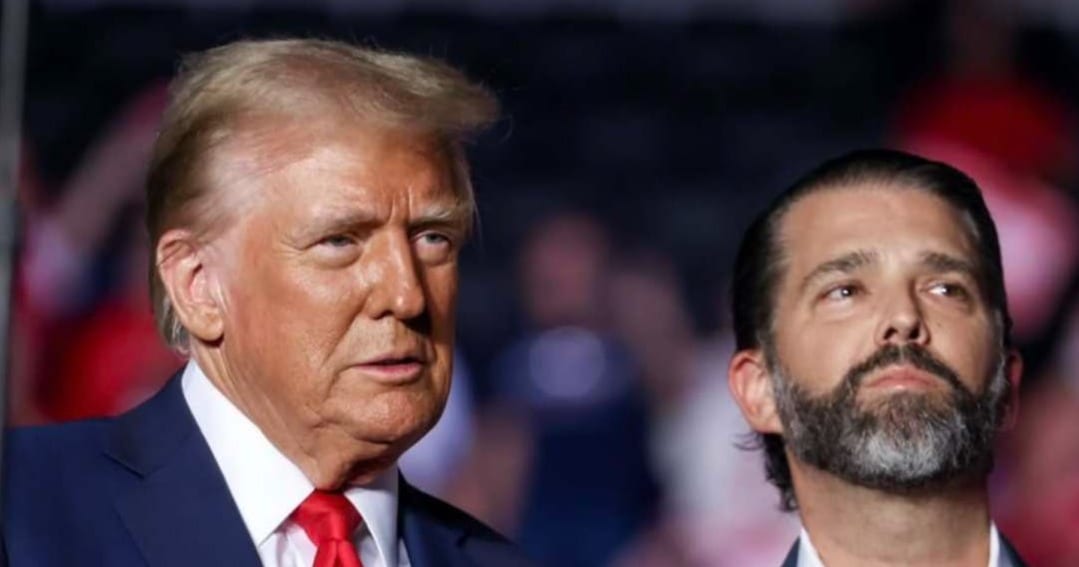
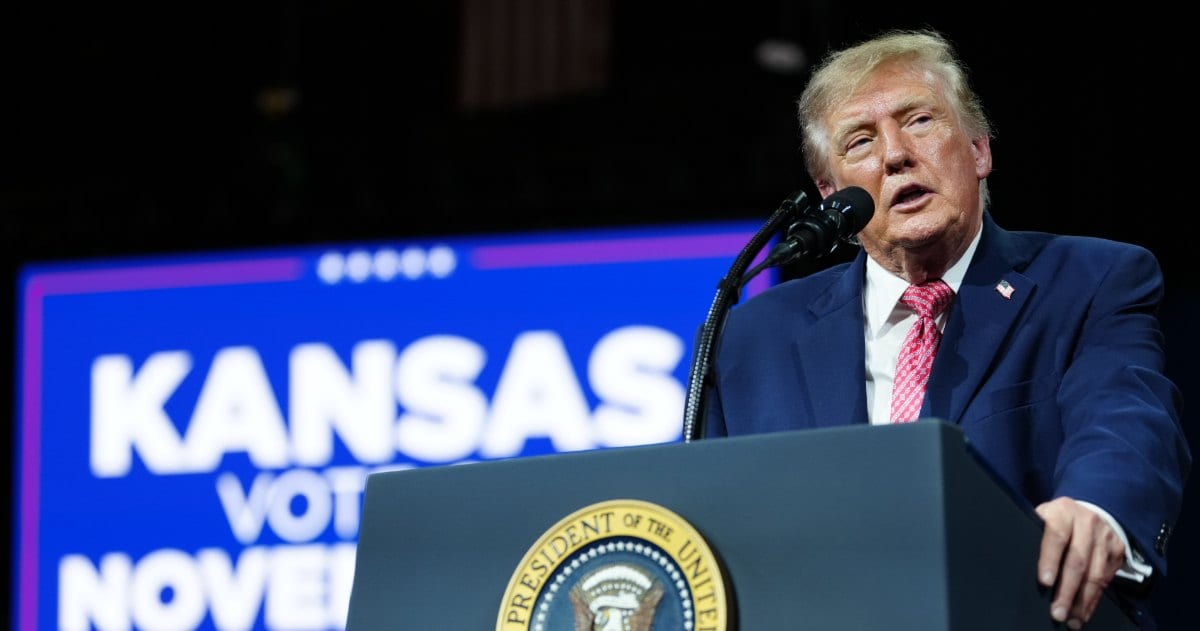
Speaker Johnson warns Tehran as massive US troop buildup expands strategic pressure

🚨 JUST IN: Speaker Johnson says Iran better WATCH how many troops President Trump floods to the region and make a deal
— Eric Daugherty (@EricLDaugh) March 25, 2026
"The buildup of troops is very different than boots on the ground. We don't have boots on the ground. I don't think that's the intention, but I think Iran… pic.twitter.com/8eCu5y631x
WASHINGTON, DC: House Speaker Mike Johnson on Wednesday, March 25, said Iran should “watch” the scale of the US military buildup in the Middle East, as Washington continues to expand its presence while pursuing both military and diplomatic objectives in the ongoing conflict.
Speaking at a news conference, Johnson said the administration does not currently plan to deploy ground troops but emphasized that the size and scope of US forces in the region reflect a readiness to escalate if necessary.
His remarks come as the US maintains a significant deployment of naval, air, and special operations assets following the start of “Operation Epic Fury” on February 28.
“Operation Epic Fury is almost done,” Johnson said, pointing to what he described as progress toward the mission’s initial objectives.
Iran must ‘take note’ of buildup
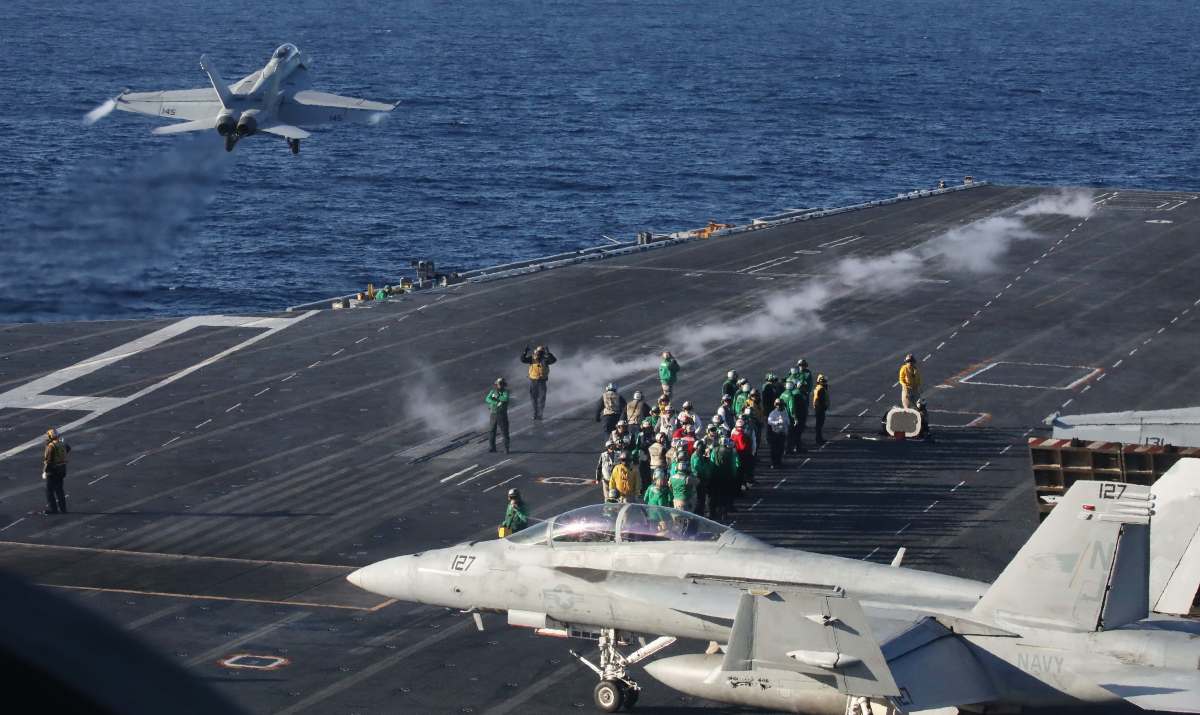
Johnson said the current military posture is intended to send a clear signal to Tehran. He distinguished a troop buildup and a full ground invasion, noting that while no “boots on the ground” are planned, the presence of forces is meant to influence decision-making.
He said the deployment is designed to increase pressure on Iran to change its behavior in the region, including reducing military activity and addressing concerns tied to its nuclear program.
US officials have consistently stated that preventing Iran from acquiring nuclear weapons remains a central objective.
The Speaker also highlighted the scale of US capabilities in the region, describing the buildup as part of a broader strategy to support regional stability while maintaining operational readiness.
Strait of Hormuz must be reopened
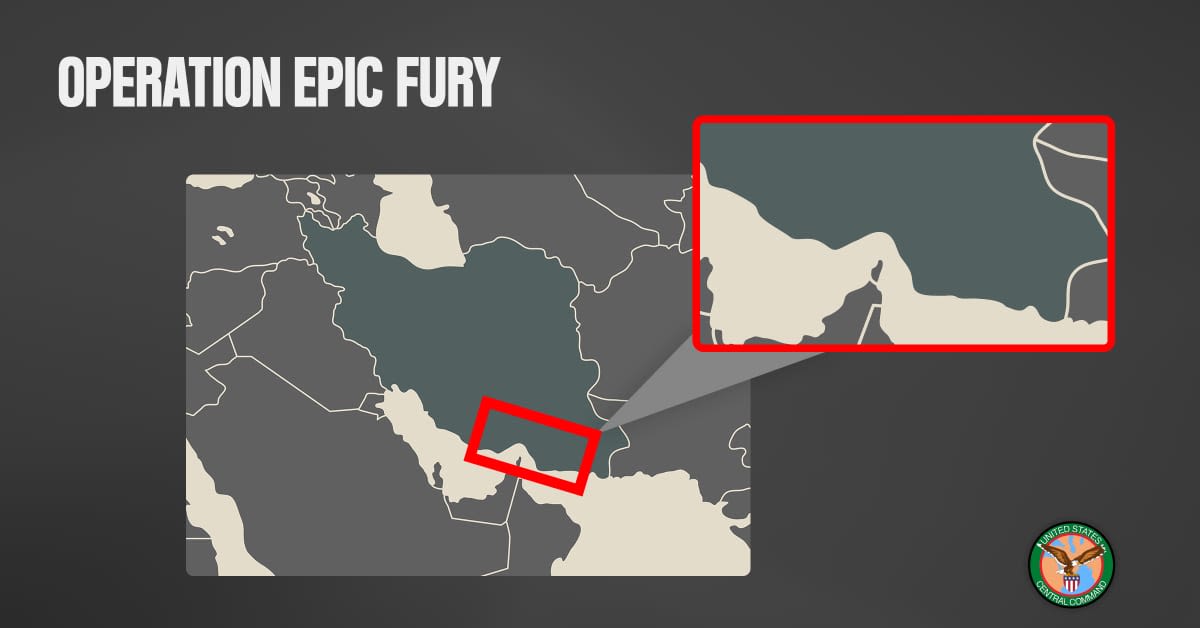
A key focus of US efforts remains the Strait of Hormuz, a critical shipping route for global energy supplies.
Johnson said the US expects Iran to ensure the safe passage of commercial vessels through the waterway.
The disruption of traffic through the strait has contributed to rising oil prices and supply concerns worldwide.
US officials have warned that continued interference with maritime routes could trigger further military action.
Johnson acknowledged that Iran’s ability to threaten shipping lanes has prolonged operations, adding that the US will maintain its presence until maritime security is restored.
No nuclear warhead capability for Tehran
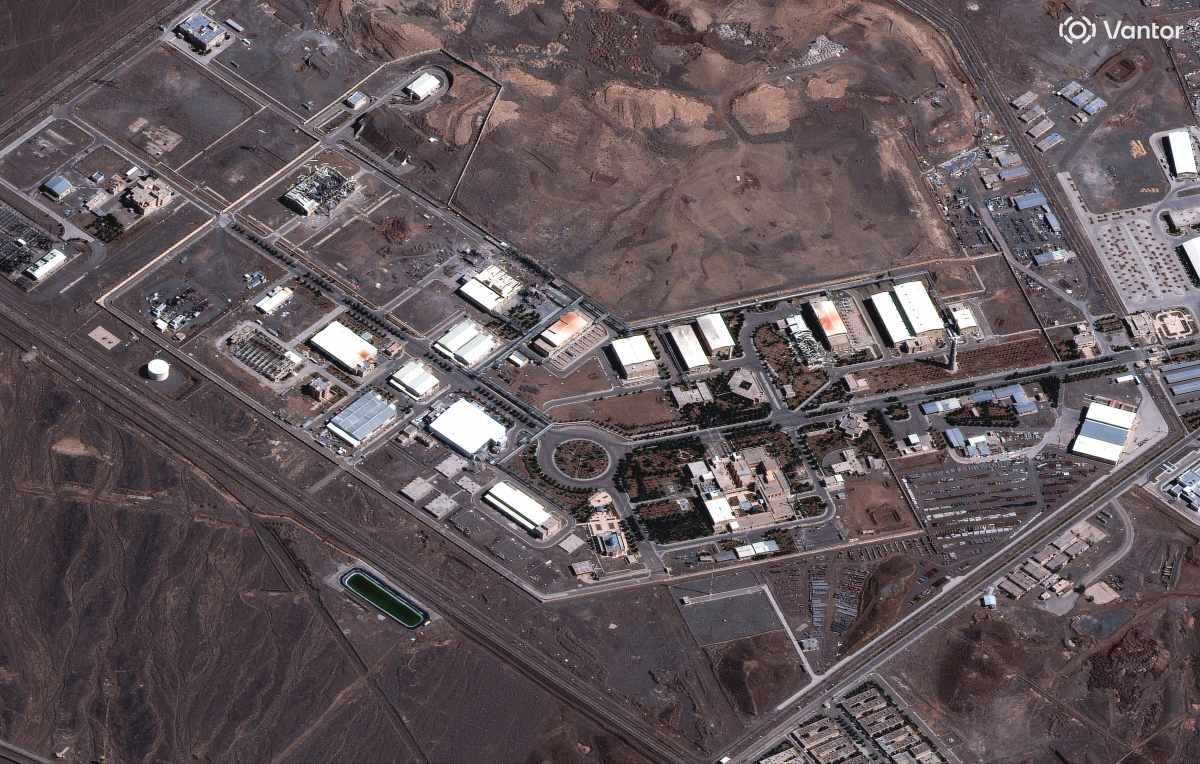
Johnson reiterated that the administration’s position on Iran’s nuclear program remains unchanged. “Iran cannot have a nuclear warhead,” he said, describing it as a non-negotiable condition.
He said the current campaign has targeted infrastructure linked to missile production and nuclear development, including sites associated with uranium enrichment.
US officials argue these actions are aimed at limiting Iran’s ability to advance its military capabilities.
The Speaker also referenced past diplomatic agreements, saying the current approach reflects a shift toward more direct action in addressing security concerns.
Mission will wrap up ‘on schedule’
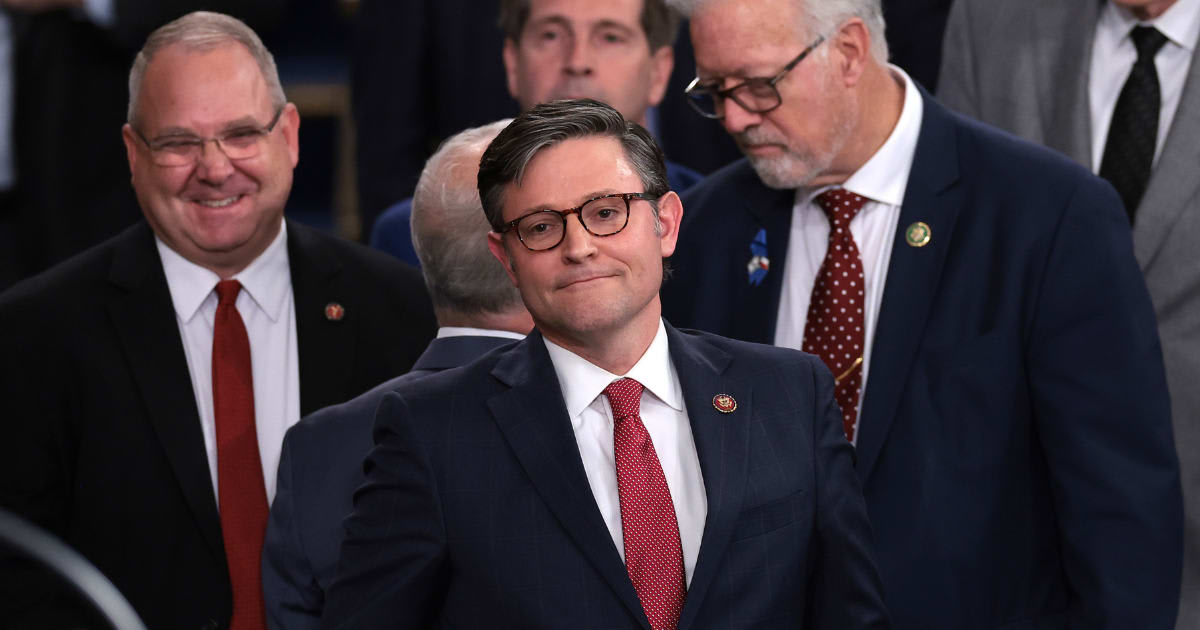
Johnson said the operation is progressing toward its stated goals, including reducing Iran’s offensive capabilities. He indicated that the timeline remains on track, though he acknowledged that continued threats from Iran and its regional allies require sustained attention.
“We’re moving on schedule,” he said, while noting that US forces will remain engaged until objectives are fully met.
As the administration seeks additional funding to support the operation, Johnson’s comments underscore a dual message: continued military pressure alongside ongoing efforts to reach a broader resolution.