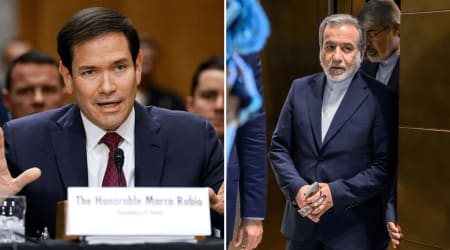
Trump funnels 15-point Iran ceasefire plan via Pakistan, Tehran says US 'negotiating with itself'
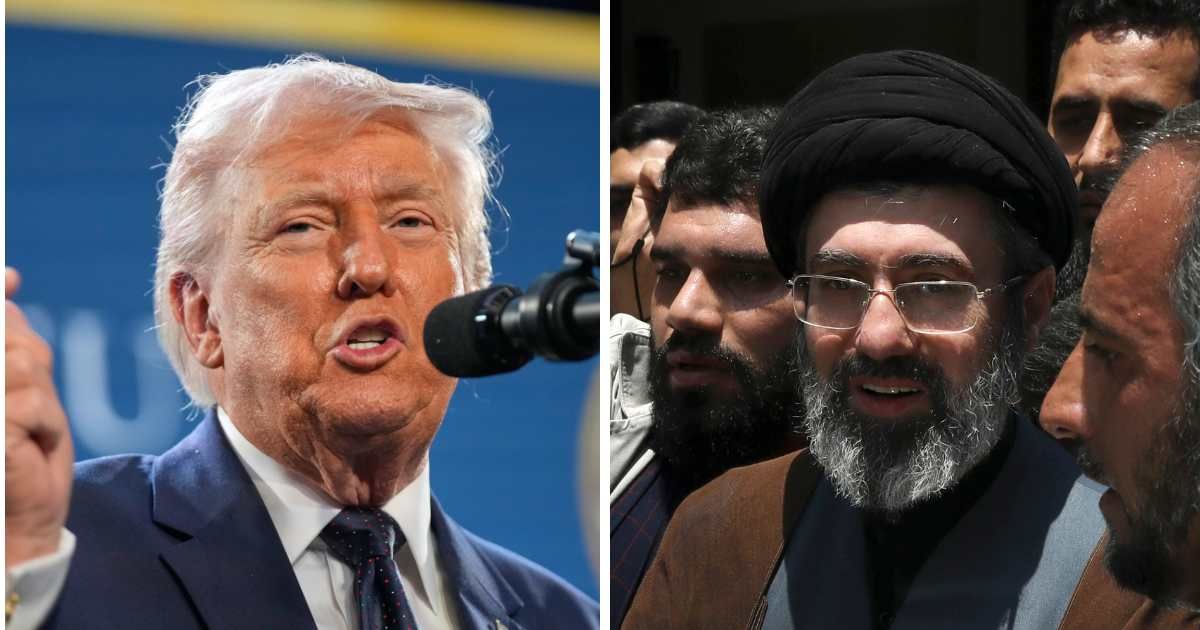
TEHRAN, IRAN: A reported 15-point proposal from the United States was delivered to Iran through intermediaries on Wednesday, March 25, even as Tehran denied engaging in negotiations. Officials in Pakistan confirmed that the plan was shared as part of efforts to reach a ceasefire.
The development comes amid heightened tensions in the region and ongoing military activity. Iranian officials, however, have publicly rejected the premise of talks with Washington.
US proposal outlined as Iran rejects negotiation claims
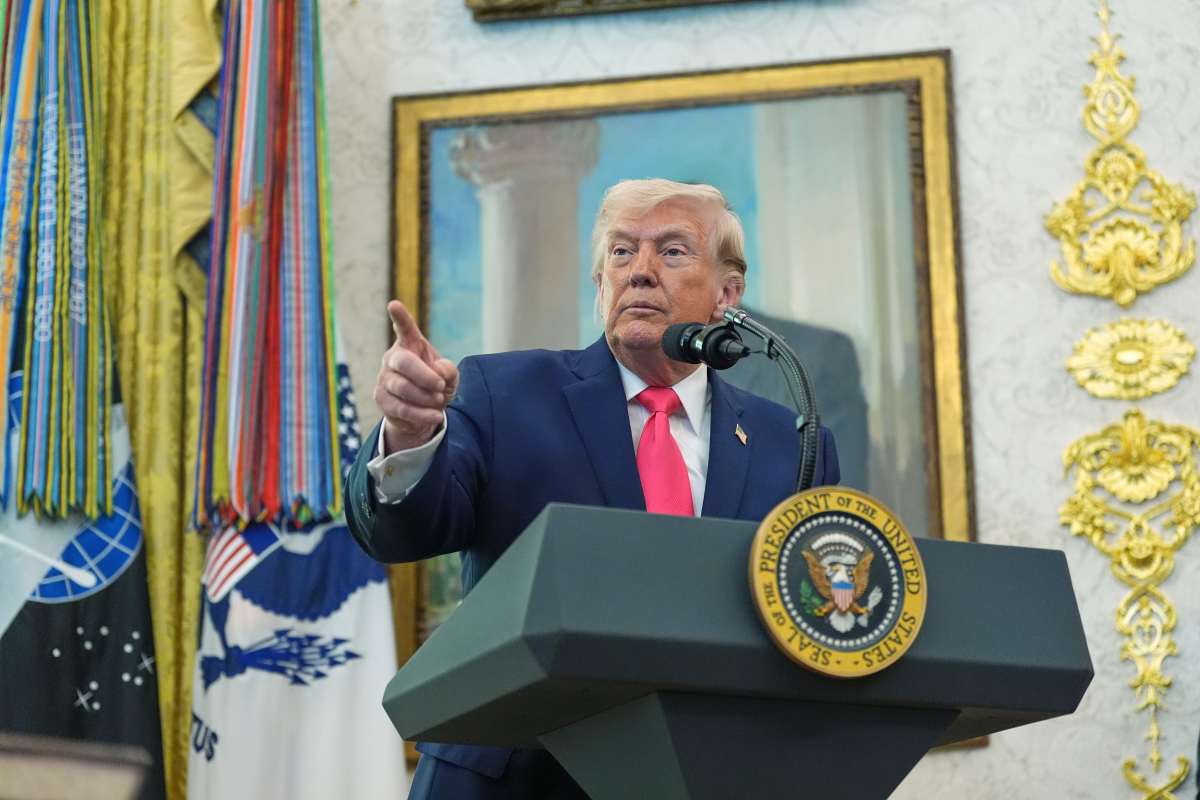
According to officials familiar with the matter, the proposal, linked to the administration of President Donald Trump, includes a range of measures aimed at de-escalating tensions.
These reportedly involve sanctions relief, restrictions on Iran’s nuclear and missile programs, international monitoring, and provisions to ensure the free flow of shipping through the Strait of Hormuz.
While the full details have not been made public, mediators described the framework as a comprehensive plan intended to form the basis of a ceasefire agreement.

One official compared it to previous multi-point ceasefire frameworks, noting that significant negotiation would be required to finalize any deal.
Iranian state media indicated that Tehran is unwilling to accept a ceasefire or engage in negotiations under current conditions.
According to the semi-official Fars News Agency, a source familiar with diplomatic efforts said, "Iran does not accept a ceasefire. Fundamentally, entering such a process with those who have violated agreements is not logical."
The source added that Iran intended to achieve its strategic objectives before ending the conflict.
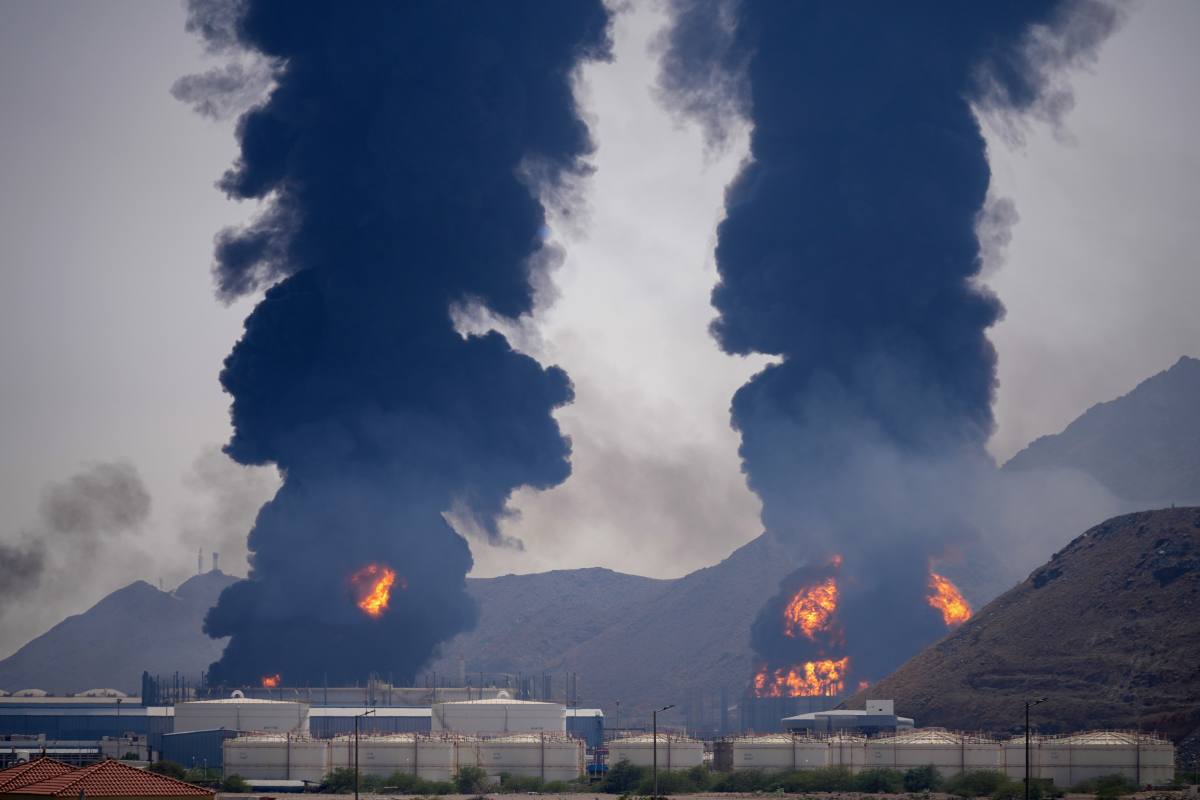
A spokesperson for Iran’s military said the United States was “negotiating with itself,” adding, “Someone like us will never come to terms with someone like you.”
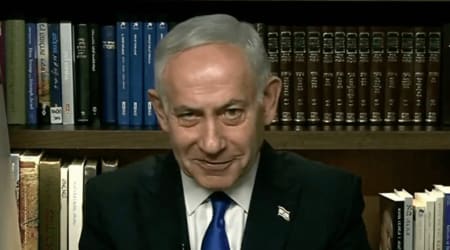
An Israeli official, speaking separately, described the proposal as “beautiful on paper” but suggested that Iran was “probably” unlikely to accept its terms.
President Trump, meanwhile, said that Iran is seeking an agreement, stating that Tehran wants a deal “badly” and has offered what he described as a “very big present worth a tremendous amount of money.”
These comments contrasted with Iran’s public stance rejecting direct engagement.
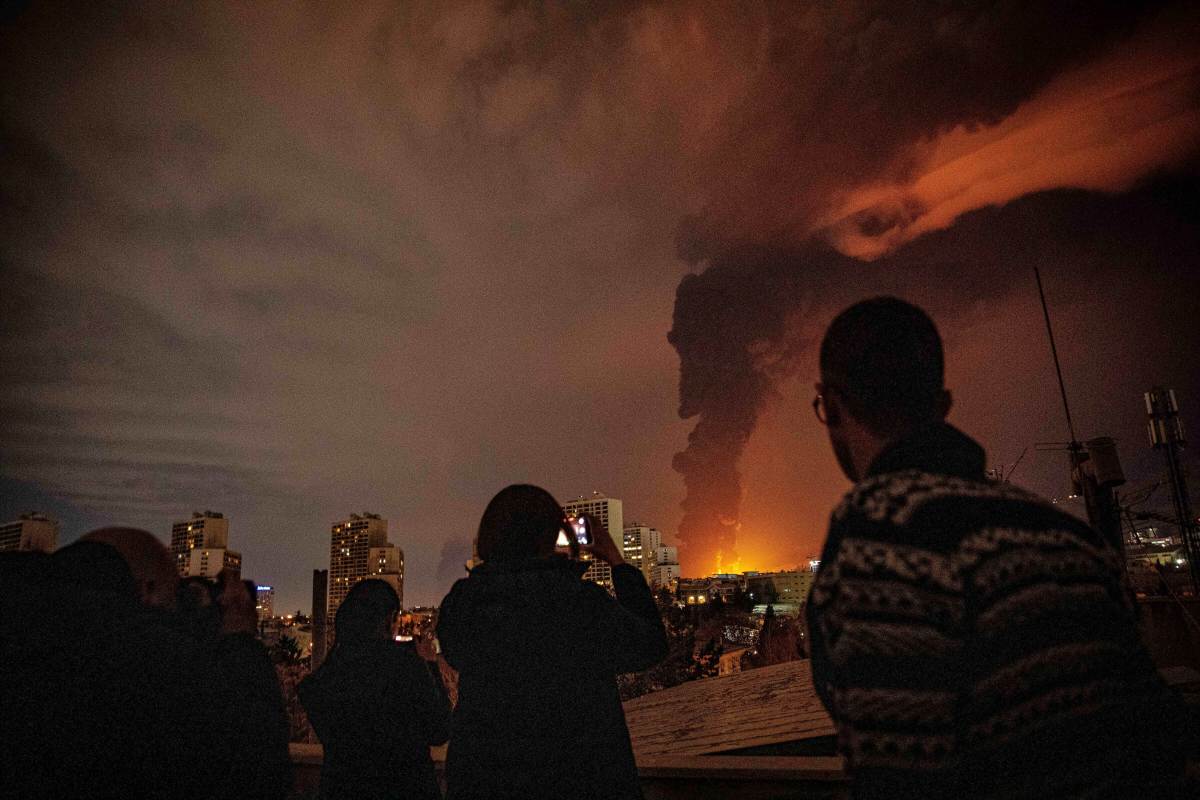
Efforts are reportedly ongoing to arrange potential in-person talks, possibly involving intermediaries, though such discussions remain uncertain.
Officials indicated that Iranian leadership remained cautious, particularly given ongoing military developments in the region.
Strait of Hormuz access and regional dynamics shape ongoing tensions
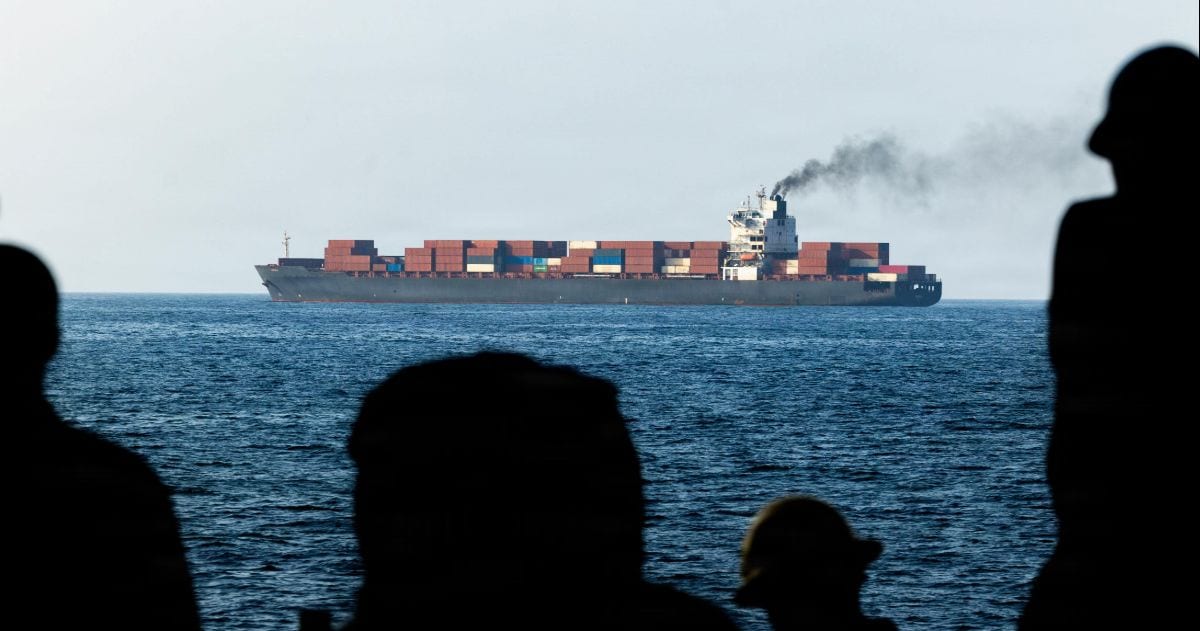
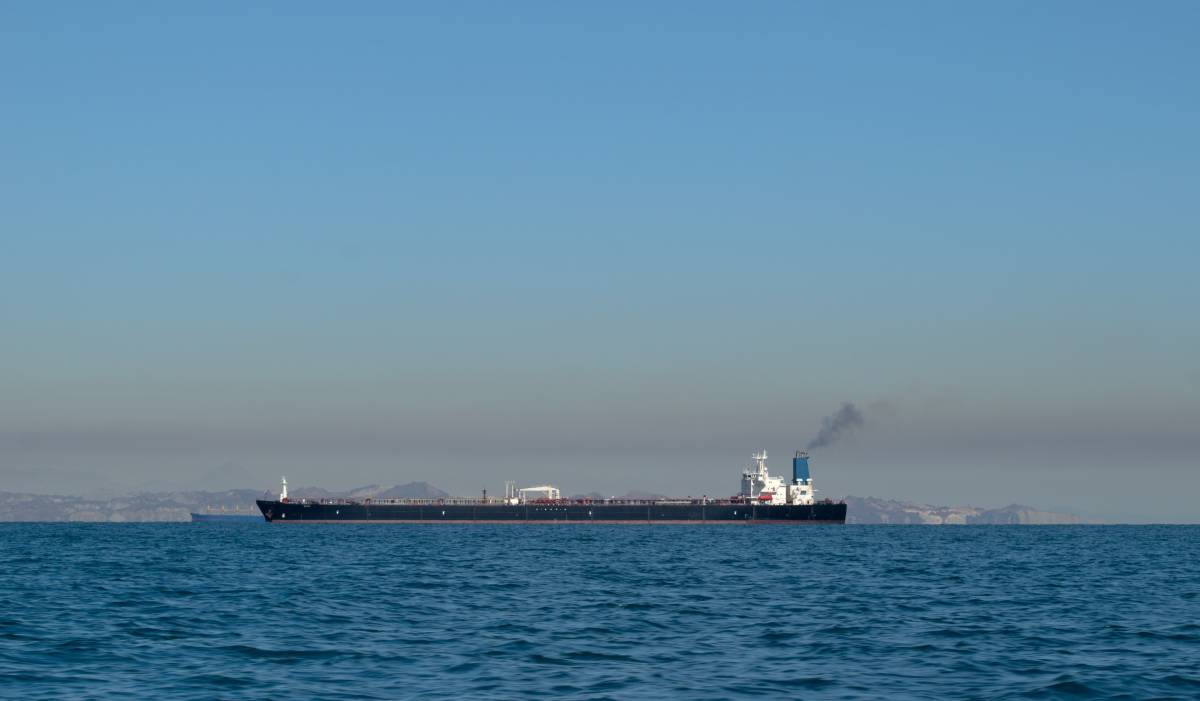
Amid the diplomatic developments, Iran’s mission to the United Nations announced that “non-hostile vessels” would be permitted to pass through the Strait of Hormuz under specific conditions.
According to the statement, ships must coordinate with Iranian authorities and avoid supporting actions against Iran.
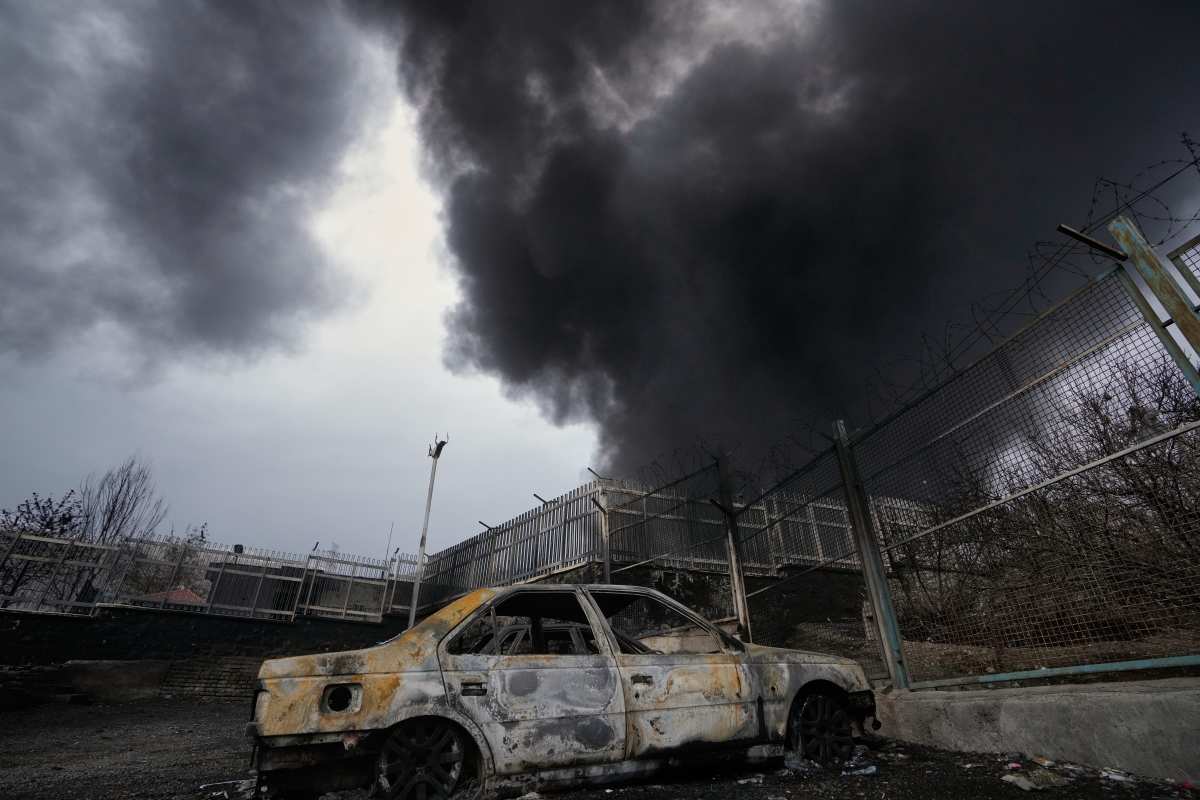
Shipping data indicated limited movement through the strategic waterway, with only a small number of tankers reported to have passed through in recent days.
Vessels linked to countries including China, India, and Pakistan were among those navigating the route, reflecting cautious activity in the area.
The Strait of Hormuz remains a critical passage for global energy supplies, and its status has been closely watched amid the broader conflict.
The reported provisions in the US proposal include ensuring continued maritime access through the strait, underscoring its strategic importance.
At the same time, regional tensions remain high, with ongoing military actions and concerns about further escalation. Iranian officials have also expressed skepticism about US intentions, particularly in light of continued hostilities and airstrikes in the region.