Iran rejects US peace proposal, demands reparations and control over Strait of Hormuz
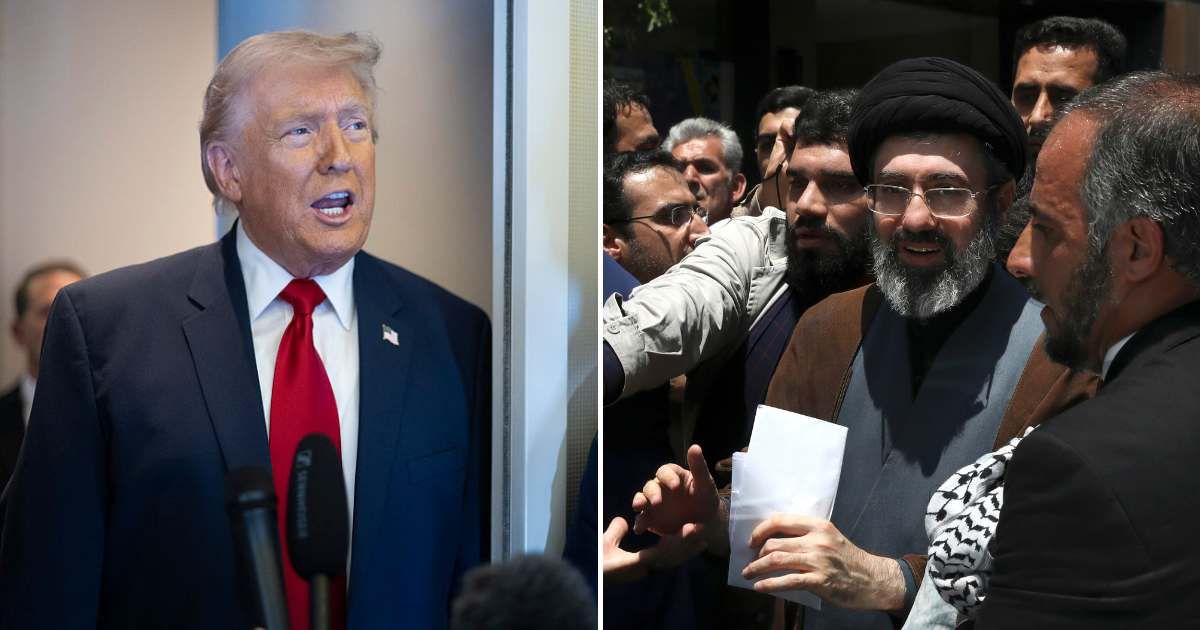
TEHRAN, IRAN: Iran has rejected a set of US-backed terms aimed at ending the ongoing conflict and instead issued a counterproposal outlining its own conditions for a resolution.
The five-point plan, reported by state media on Wednesday, March 25, reflects Tehran’s position that any diplomatic outcome must align with its own terms and timeline.
The development comes amid continued hostilities and competing narratives from both sides about the status of negotiations. Officials on both sides have indicated that indirect communication channels remain active.
Iran outlines Five-Point plan, rejects US Proposal
Iran’s state-run Press TV reported that the government had dismissed the terms presented by the administration of President Donald Trump, describing them as “excessive and disconnected from the reality of America's failure on the battlefield.”
The report cited an unnamed senior political-security official who outlined five conditions for ending the war.
According to the official, the proposed framework includes a halt to what was described as “aggression and assassinations,” along with mechanisms to ensure that hostilities do not resume.
The plan also calls for guaranteed reparations for war damages and a comprehensive end to conflict across all fronts, including actions involving Iran-aligned groups in the region.
#Iran responded negatively to an #American proposal aimed at ending the ongoing imposed war, insisting that any cessation of hostilities will only occur on Tehran's own terms and timeline, a senior political-security official told Press TV. pic.twitter.com/rtlsLIJGeb
— Pantea Vasseq (@vasseq) March 25, 2026
Another key demand involves Iran’s control over the Strait of Hormuz, with the official emphasizing the need for recognition of Tehran’s sovereignty over the vital shipping route.
The inclusion of such conditions, particularly reparations and maritime control, could complicate efforts to reach an agreement.
And Iran’s conditions to ending the war, per State-run Press TV, via @TheTerminal. pic.twitter.com/YNwYIpaPUn
— Josh Wingrove (@josh_wingrove) March 25, 2026
Press TV also reported that Iran’s leadership would not accept externally imposed timelines for ending the conflict. “Iran will end the war when it decides to do so and when its own conditions are met,” the official said, adding that Tehran would not allow Washington to dictate the process.
It remains unclear whether the individual cited in the report is formally authorized to speak on behalf of the Iranian government.
However, the use of state media suggests the message is intended for an international audience, including policymakers in Washington.
Iran rejects ceasefire as US signals willingness for deal
Iran’s semi-official Fars News Agency reported that Tehran would not accept a ceasefire under current conditions. Citing a source familiar with diplomatic activity, the outlet said, “Iran does not accept a ceasefire.
Fundamentally, entering such a process with those who have violated agreements is not logical,” while adding that Iran intends to achieve its strategic objectives before ending the war.
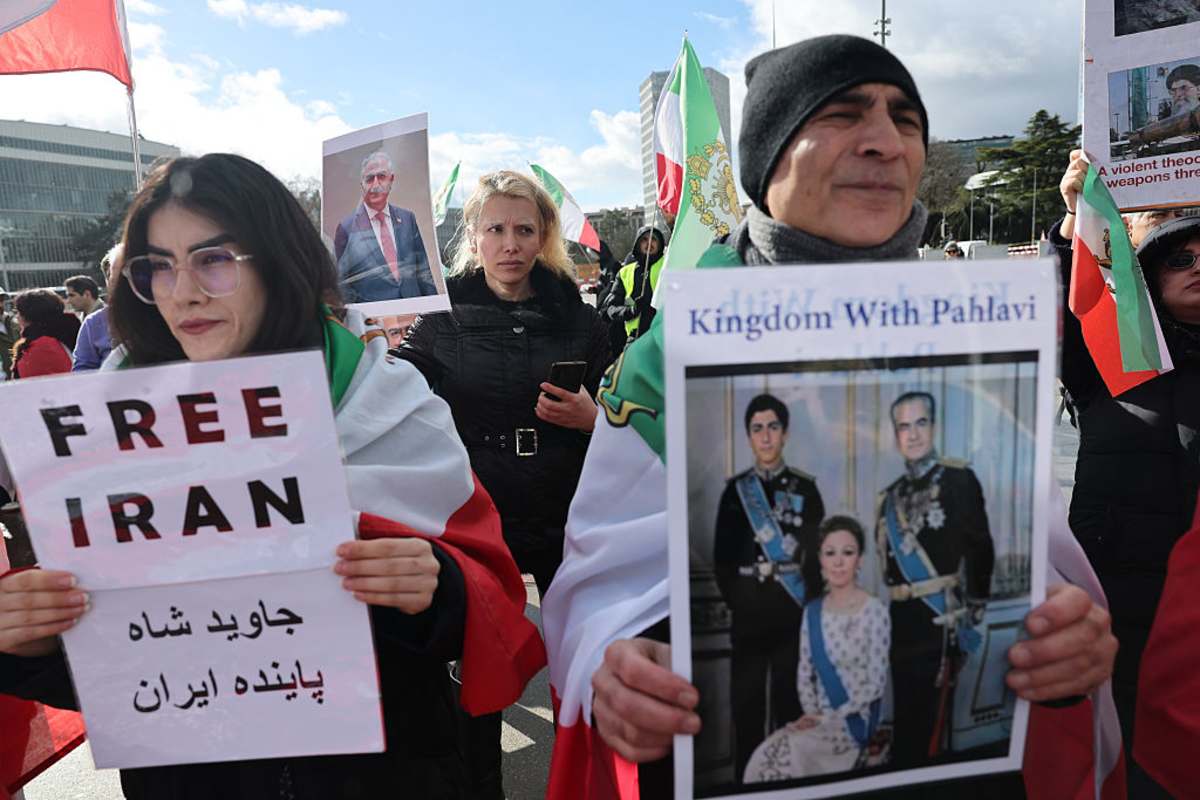
The stance underscores continued skepticism within Tehran regarding negotiations, even as indirect diplomatic efforts persist. Iranian officials have maintained that engaging in talks without meeting their conditions would not be viable.
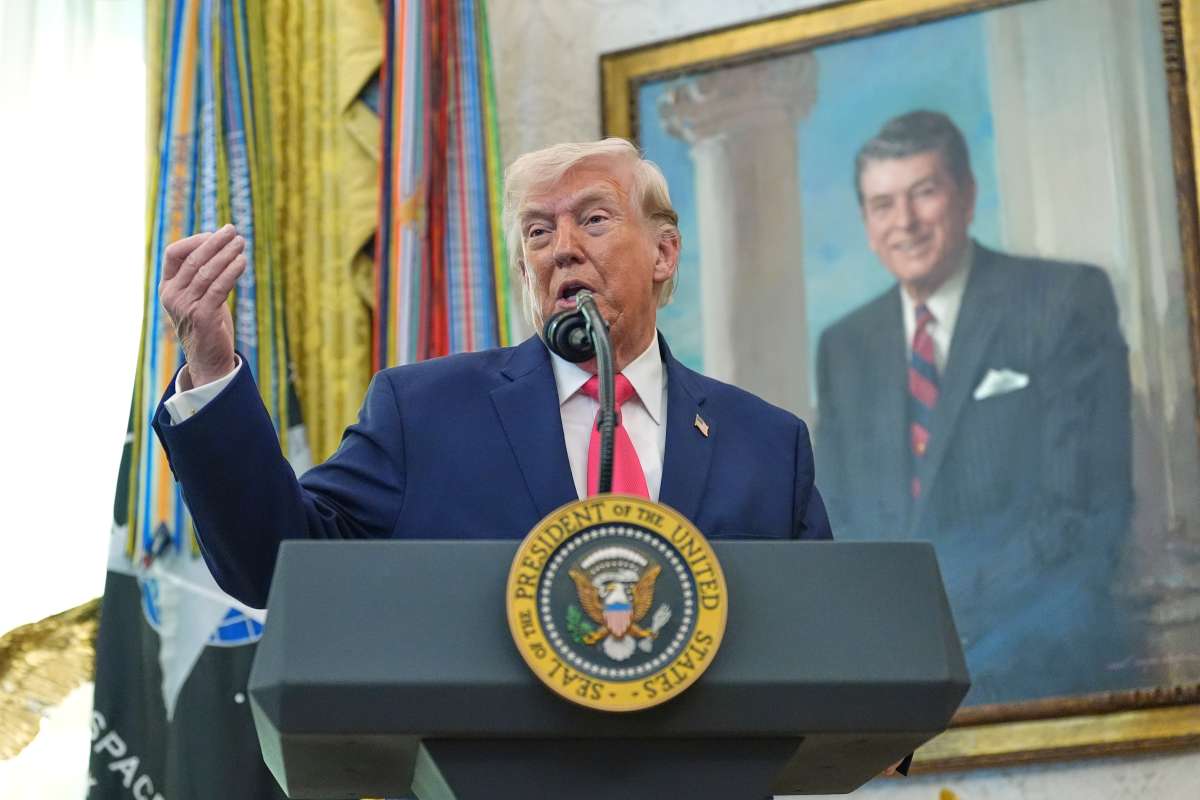
On the US side, President Trump said earlier this week that both countries want to “make a deal,” noting that envoys Steve Witkoff and Jared Kushner were involved in discussions that he claimed were initiated by Iran.
However, he did not specify the Iranian counterparts involved. US officials have also conveyed a 15-point proposal to Tehran through intermediaries, including Pakistan.
According to regional sources, the proposal includes limits on Iran’s defense capabilities, restrictions on support for allied groups, and provisions related to Israel.