Trump ‘calls the shots’ as Waltz says he’s firmly in control of foreign policy in Oval Office exchanges
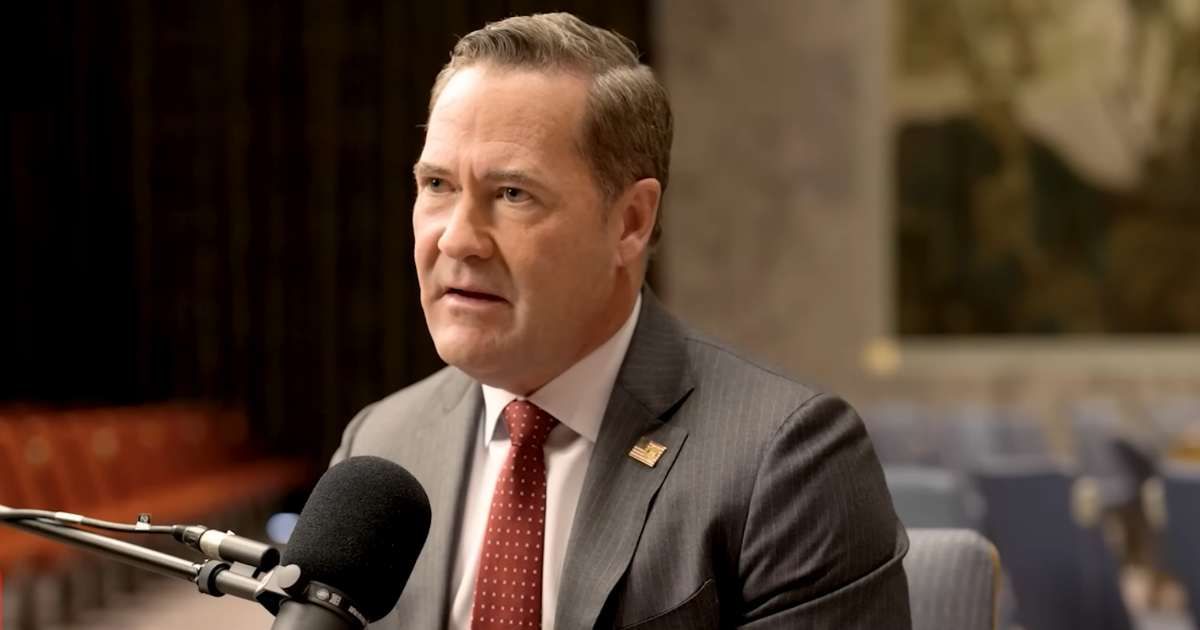
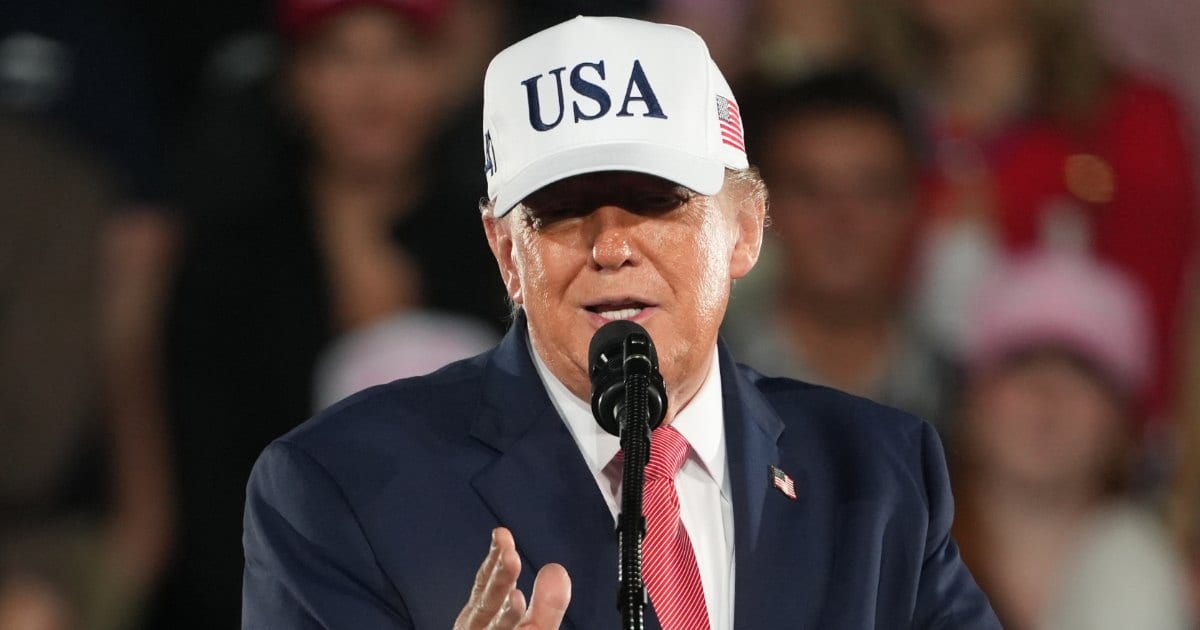
WASHINGTON, DC: US Ambassador to the United Nations Mike Waltz on Wednesday, March 25, defended President Donald Trump’s leadership of “Operation Epic Fury,” saying the President is directing the military campaign against Iran and making final decisions on strategy.
Speaking on the Pod Force One podcast, Waltz pushed back on claims that Israeli Prime Minister Benjamin Netanyahu is driving US involvement in the conflict.
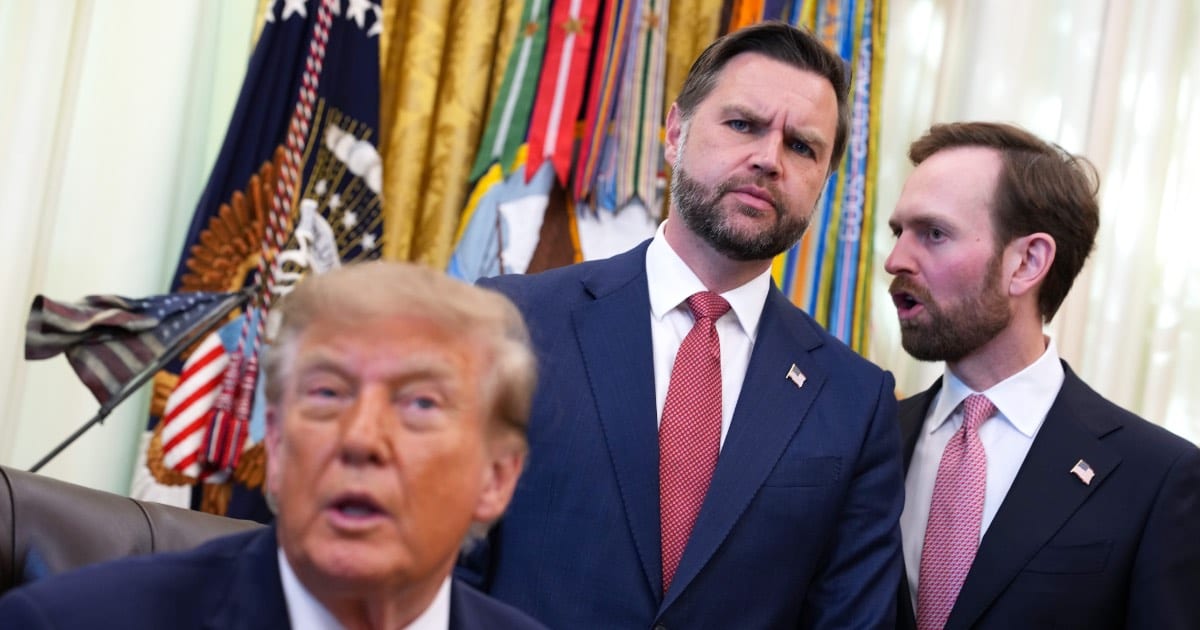
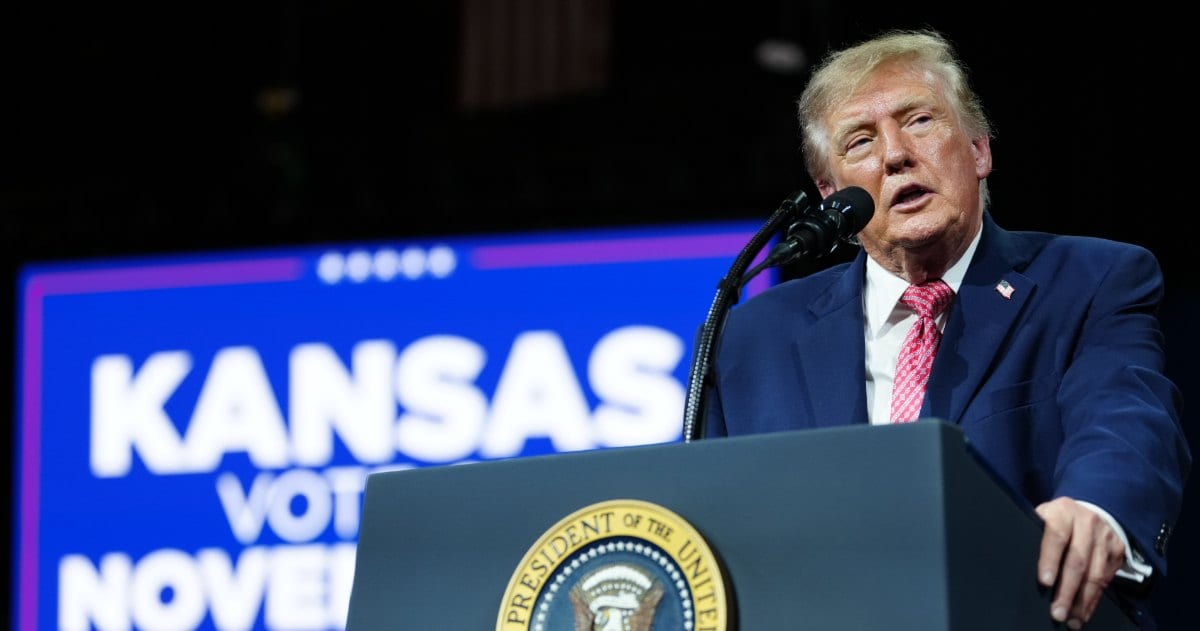
“President Trump’s calling the shots. He is commander-in-chief, period,” Waltz said, adding that he has seen the President engage directly with Israeli leadership on operational decisions.
His remarks come amid criticism from some officials and analysts who have questioned the level of US influence over the direction of the war.
Netanyahu forced into Doha strike apology

Waltz cited a September 2025 incident as an example of Trump asserting control over allied actions. Following an Israeli strike in Doha that killed a Qatari security official and several others, the US intervened diplomatically, according to Waltz.
He said Netanyahu was required to issue an apology to the Qatari leadership after the strike raised concerns in Washington about regional stability and the role of Qatar as a mediator.
US officials viewed the incident as a breach of diplomatic sensitivities in the Gulf.
The White House publicly acknowledged the apology at the time, underscoring US efforts to manage escalation risks while maintaining coordination with Israel.
Iran declared "enemy" by Gulf allies
Waltz also pointed to shifting regional dynamics, saying several Gulf countries have taken a more confrontational stance toward Iran following recent attacks.
He referenced strikes involving missiles and drones targeting infrastructure and civilian sites in parts of the Gulf.
According to Waltz, these developments have altered regional alignments, with countries that previously maintained working ties with Tehran now reassessing their positions.
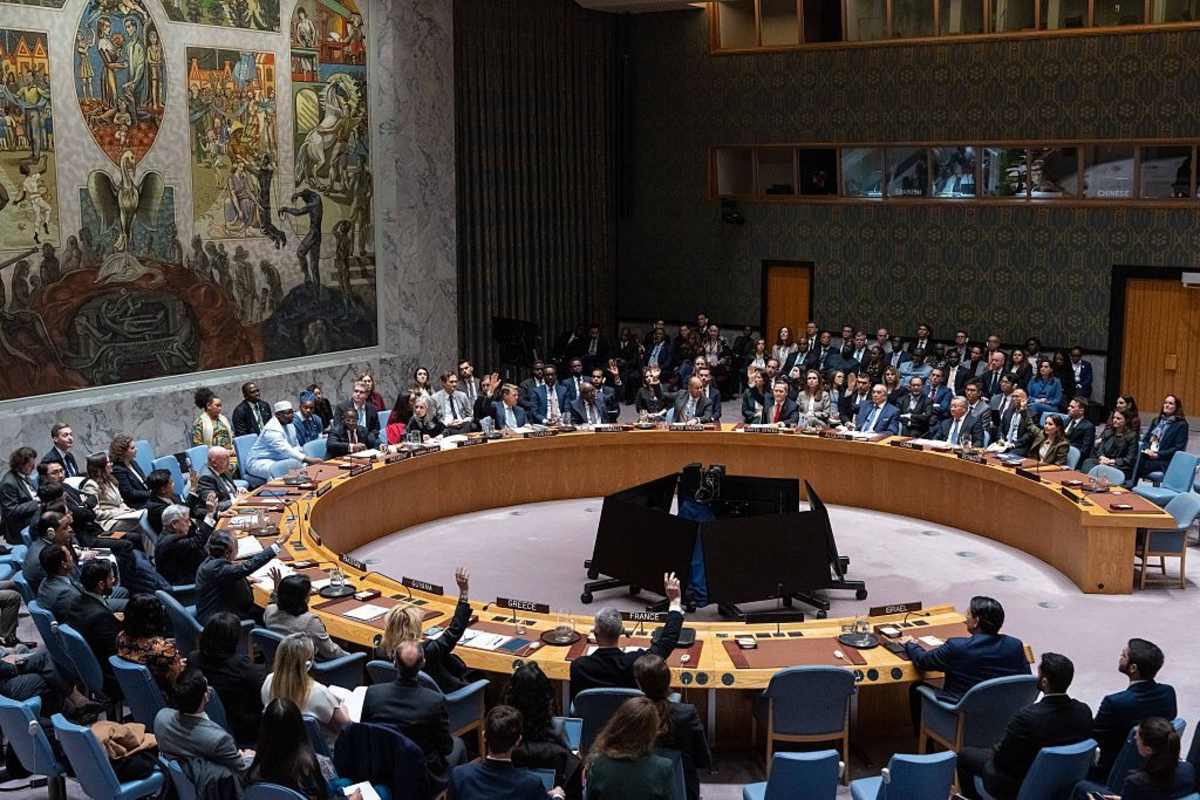
He also noted recent activity at the United Nations, where a resolution condemning attacks in the region received broad support, including abstentions from Russia and China.
Diplomatic officials say the vote reflects growing concern among member states about escalation and its impact on global security and energy markets.
Tensions simmer over Syria and Soleimani
Despite ongoing military coordination, Waltz acknowledged that the US-Israel relationship continues to face points of friction. He referenced past disagreements, including operational decisions related to Iran and differing approaches to regional conflicts.
Recent US concerns have also included Israeli military activity in Syria, which officials say could complicate broader diplomatic efforts in the region. These differences come as both countries continue to coordinate closely on the current campaign against Iran.
Waltz said the US remains focused on aligning military actions with broader strategic goals, emphasizing that final decisions on operations and diplomacy are being directed from Washington.