Trump says US had to ‘cut out the cancer’ in Iran despite fears of oil prices surging
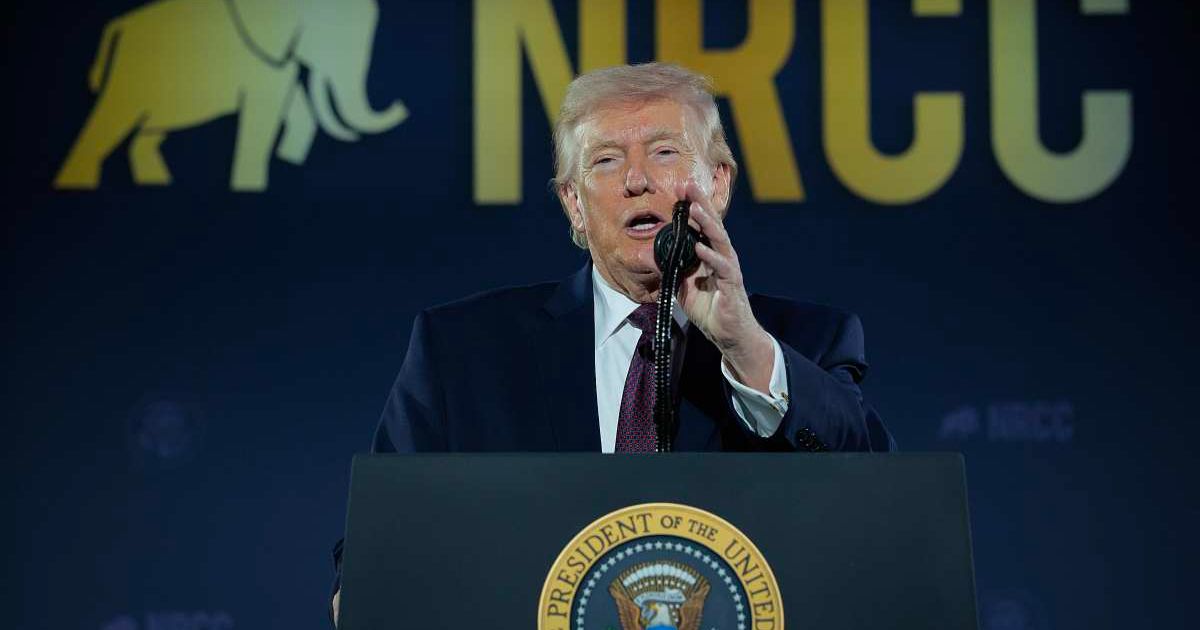
WASHINGTON, DC: President Donald Trump defended his military operation against Iran, saying it got rid of what he called a major threat. He said that while he worried about short-term economic problems, conditions in the financial and energy markets have been more stable.
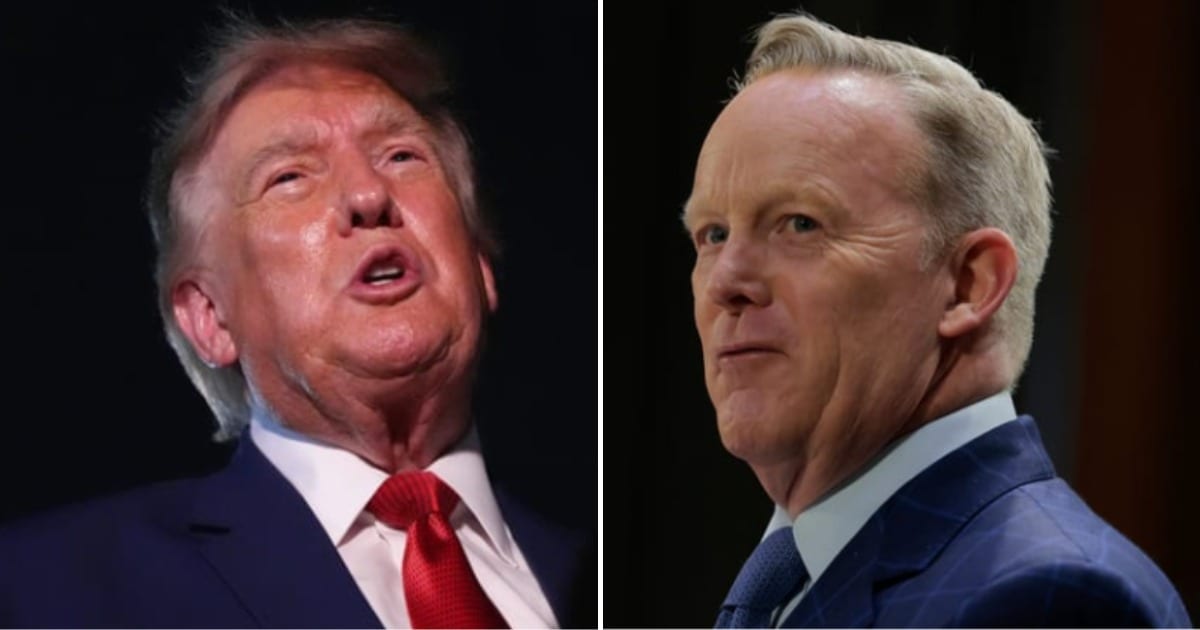
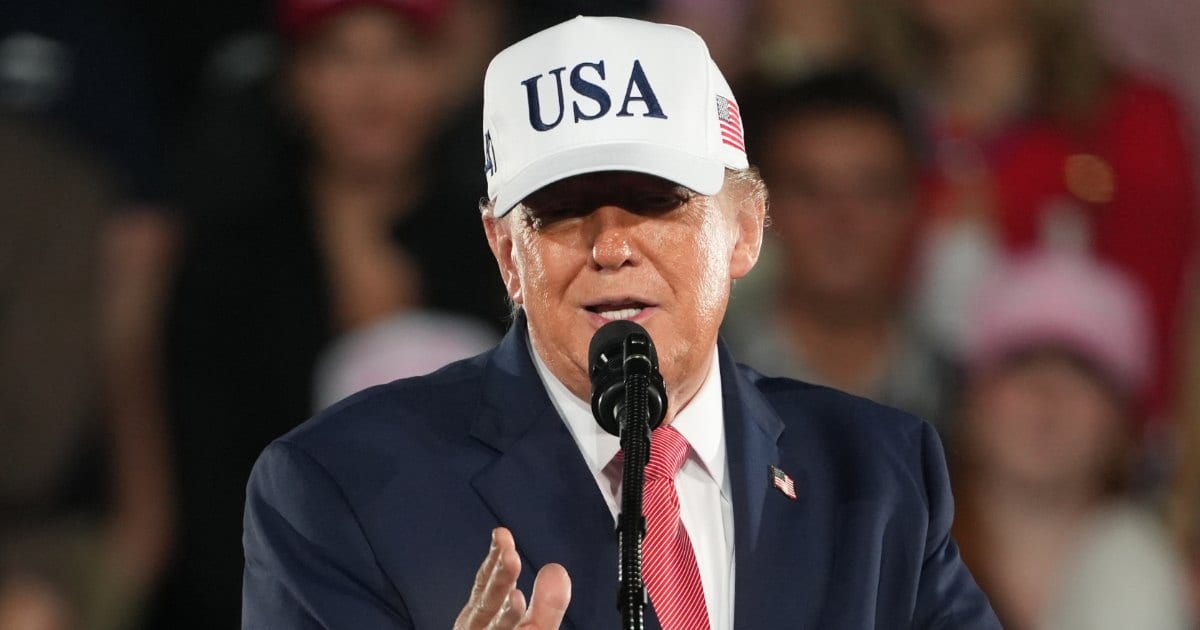
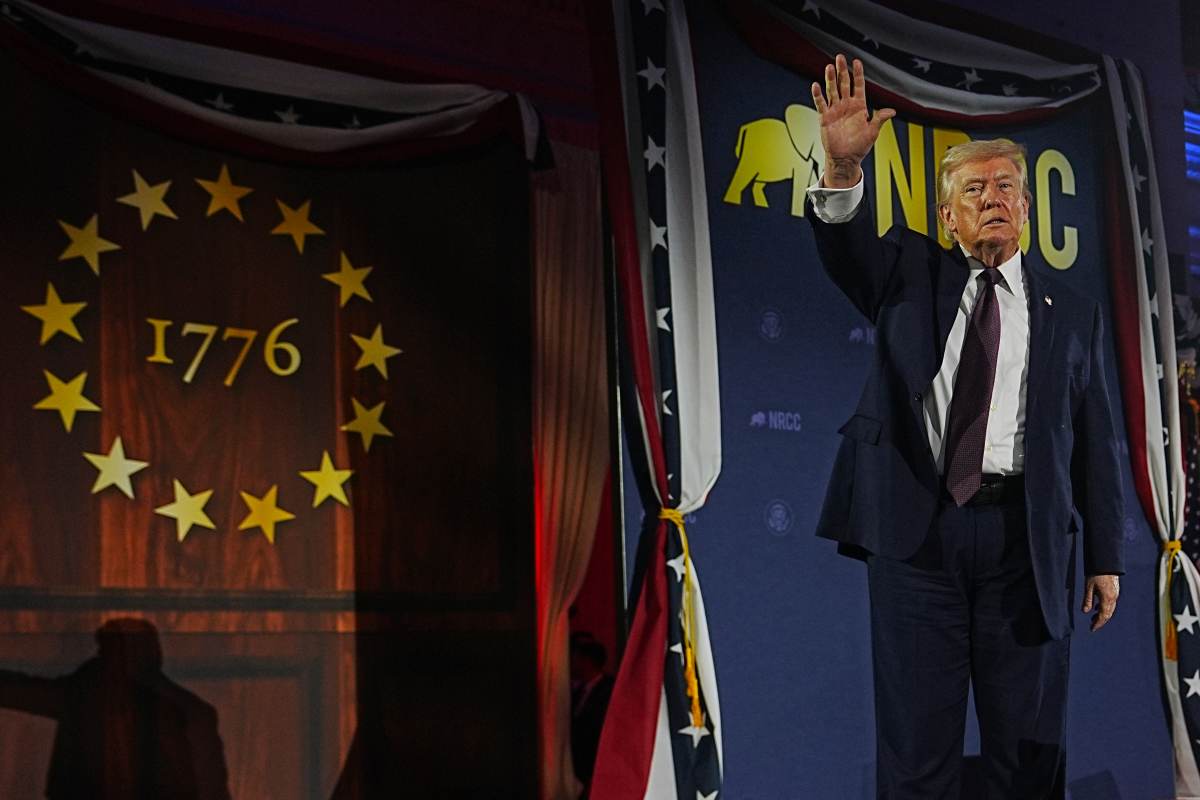
The commander-in-chief made the comments at the National Republican Congressional Committee's Annual Fundraising (NRCC) Dinner on Wednesday, March 25, where he said that while numerous previous presidents said they wished to take action against Iran, "they didn't have the guts to do it."
Trump on Iran: I thought that the oil prices would go up higher. I thought the stock market would go somewhat lower. But it didn't matter to me. pic.twitter.com/AaJgbTN9PF
— Acyn (@Acyn) March 26, 2026
Trump frames Iran strikes as a necessary action
Trump said the US had “no choice” but to carry out the strikes, pointing to what he described as the threat of Iran developing nuclear weapons.
“We had no choice, but I thought it was going to be much worse,” he said. “What we had to do is get rid of the cancer. We had to cut out the cancer. The cancer was Iran with a nuclear weapon. We’ve cut it out. Now we’re going to finish it off.”
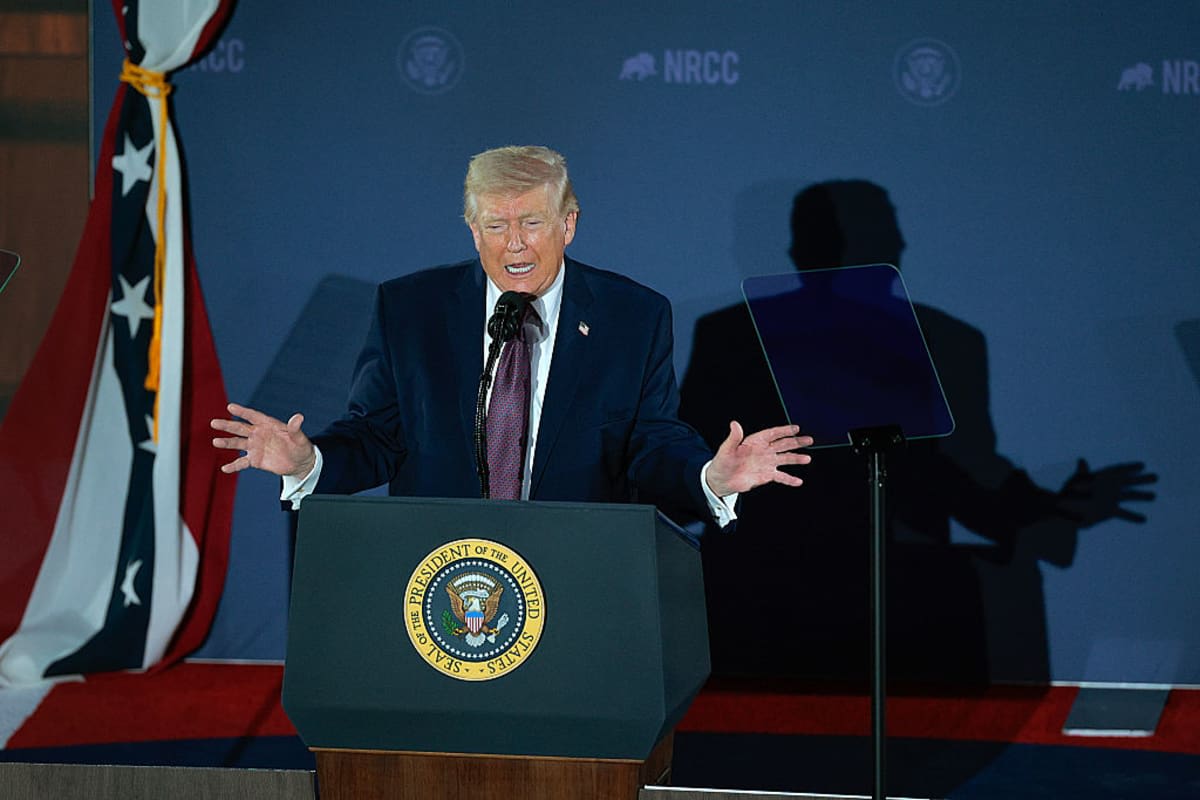
Trump says worries of economic fallout 'didn't matter' as it's 'short term'
During his speech, Trump acknowledged that he had concerns that oil prices could surge and financial markets could decline due to the strikes, but the ultimate decision was based on eliminating long-term security threats.
"I actually thought when I went on this excursion, as I call it, excursion into hell, excursion into a terrible place... I thought that the energy prices... oil prices would go up higher and I thought the stock market would go somewhat lower,” the president said. “But it didn't matter to me. It’s short-term.”
He said that even though he expected a stronger economic response, the short-term results in the financial and energy markets have been more stable.
The situation keeps changing as military activity goes on.
The US is positioning ground-capable forces in the Middle East, as Iran rejected a ceasefire proposal on Wednesday, a shift that gives Washington new, though limited and high-risk, options for potential operations inside Iran. Around 7,000 additional Army and Marine troops have been deployed.
Military experts say the deployments are not a precursor to a large-scale invasion but instead position the US for targeted, short-duration missions, options that have taken on new relevance as diplomatic off-ramps narrow.