Judicial blow to FBI Director Kash Patel’s ‘nightclub’ defamation suit tossed by Houston judge
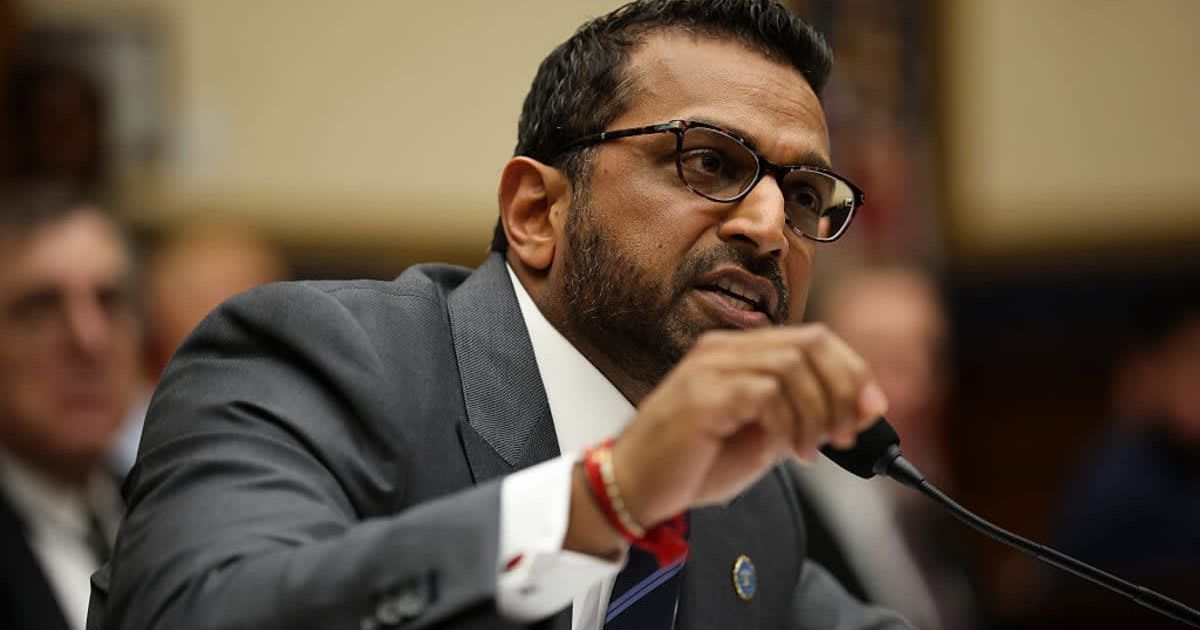
HOUSTON, TX: FBI Director Kash Patel’s legal offensive against his media critics has suffered a sensational defeat in Texas federal court.
On Tuesday, April 21, US District Court Judge George Hanks Jr dismissed Patel’s defamation lawsuit against former FBI official Frank Figliuzzi, ruling that a public "crack" about the Director’s alleged affinity for nightclubs was merely rhetorical hyperbole and not a statement of fact.
The ruling is a significant "red flag" for Patel’s broader litigation strategy, arriving exactly one day after he filed a separate, unrelated $250 million lawsuit against The Atlantic over allegations of alcohol abuse.
In the Houston case, the judge found that no person of "ordinary intelligence" would have taken Figliuzzi’s comments literally, effectively shielding the former official under First Amendment protections for provocative and exaggerated speech.
Judge brands nightclub comment as hyperbole
The legal battle centered on a May 2, 2025, appearance by Figliuzzi on the MS NOW show Morning Joe.
During the broadcast, Figliuzzi, a former assistant director for counterintelligence, claimed that Patel had "been visible at nightclubs far more than he has been on the seventh floor" of the FBI’s Hoover building.
Patel sued in June, claiming the statement was a "specific lie" fabricated out of "clear animus" toward his leadership.
Judge Hanks, however, was unmoved by Patel’s insistence that he had not spent a "single minute" in a nightclub since becoming Director.
The judge’s decision emphasized that Figliuzzi delivered his answer in an "exaggerated, provocative and amusing way."
By employing rhetorical hyperbole, Figliuzzi stayed within the bounds of protected opinion, as a person of "reasonable intelligence" would not believe the Director spent more hours in clubs than at his desk.
Texas Anti-SLAPP fee request denied
While the ruling was a total victory for Figliuzzi on the question of defamation, the judge stopped short of granting a "Full Court Press" on legal penalties.
Figliuzzi had requested that Patel be ordered to pay his court costs and attorneys’ fees under Texas’s anti-SLAPP (Strategic Litigation Against Public Participation) law.
This statute is designed to penalize meritless lawsuits intended to silence public critics.
Judge Hanks denied the request for fees, allowing Patel to escape the "Economic Fury" of a mandatory payout to his rival.
Despite this, Figliuzzi’s legal team celebrated the dismissal as a landmark win for the First Amendment.
Lawyer Marc Fuller stated that Patel’s claim was "baseless" from the start, characterizing the court’s decision as a necessary check on the Director's attempts to use the legal system to stifle dissent.
Discovery risks loom in Atlantic case

The dismissal in Houston provides a dramatic backdrop to Patel’s ongoing "maximum pressure" campaign against The Atlantic.
While the nightclub suit was tossed for being hyperbole, the $250 million suit in DC involves more specific, documented allegations of excessive drinking and erratic behavior.
Critics warn that the "discovery" phase of that larger case could force Patel to turn over the very logs and schedules he sought to protect in the Figliuzzi litigation.
Patel has characterized the media’s focus on his personal life as a "witch hunt" designed to drive him from office, but the Houston ruling confirms that judicial patience for his "moral credibility" arguments is wearing thin.