Justice Thomas dissents in Supreme Court birthright citizenship ruling, cites judicial activism
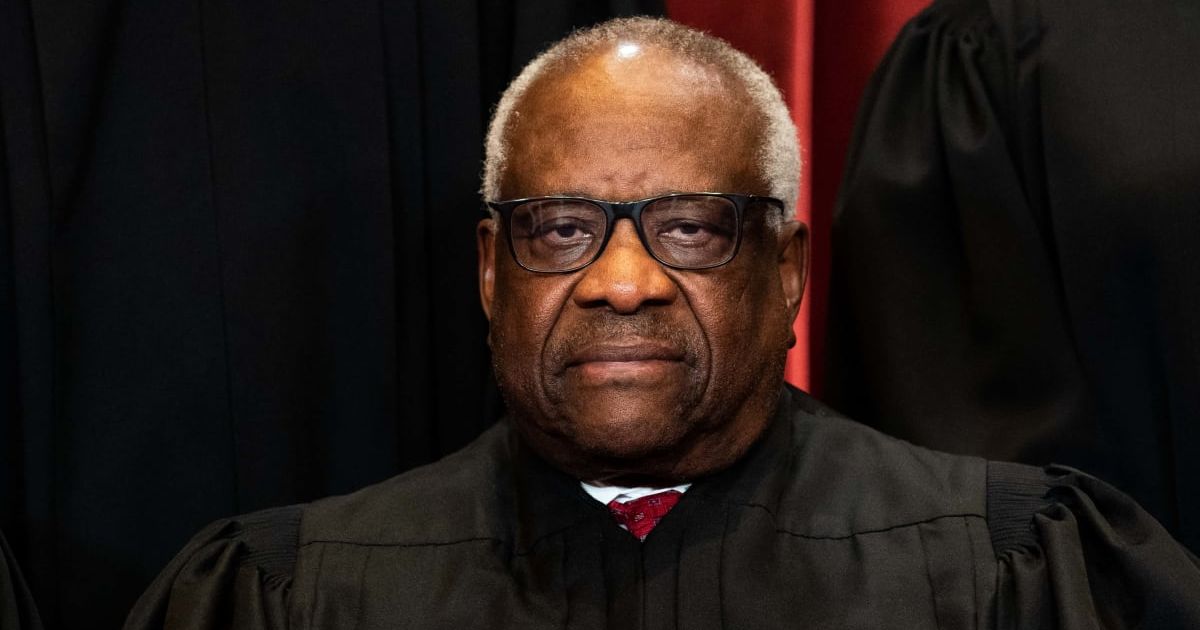
WASHINGTON, DC: Justice Clarence Thomas used his dissent in the Supreme Court's birthright citizenship ruling to deliver one of his sharpest critiques of the Court's constitutional jurisprudence. He argued that the majority has spent decades transforming the Fourteenth Amendment into a vehicle for creating rights that Congress never intended to protect.
Writing in the case over President Donald Trump's executive order restricting automatic birthright citizenship for certain children born in the US, Thomas said the latest ruling was part of a broader pattern of judicial activism that extends far beyond immigration.
Thomas broadens fight beyond immigration

Rather than limiting his disagreement to the Citizenship Clause, Thomas argued the Court has repeatedly expanded the Fourteenth Amendment's scope far beyond its original meaning.
"The Court has long used the Fourteenth Amendment to create constitutional rights that the Reconstruction Congress never contemplated," Thomas wrote, accusing the judiciary of selectively interpreting the Constitution to recognize what he described as "preferred rights."
He argued that the latest birthright citizenship ruling follows the same constitutional approach, asserting that the Court has continued to reshape the amendment instead of applying its original public meaning. According to Thomas, the issue is not simply immigration policy but the judiciary's role in rewriting constitutional text through interpretation.
Justice warns of constitutional activism
Thomas wrote that the Court has "deprived Americans of constitutional rights" while simultaneously elevating protections that, in his view, were never intended by the lawmakers who drafted and ratified the Fourteenth Amendment.
Justice Thomas (joined by Gorsuch) says the court's ruling adds to efforts that have "reporuposed" the 14th Amendment "for political projects" that were not intended by the Congress that adopted it. pic.twitter.com/aPBDs8TPAz
— Kyle Cheney (@kyledcheney) June 30, 2026
In one of the strongest passages of his dissent, he said, "Meanwhile, the Court has repurposed the Fourteenth Amendment to protect its own set of preferred rights that the Reconstruction Congress never contemplated. Today, the Court does so again."
He argued that the majority's interpretation effectively extends constitutional citizenship beyond what the amendment originally required, including to children born to parents who are in the United States unlawfully or temporarily. Thomas maintained that the Citizenship Clause should instead be interpreted according to its historical understanding at the time of ratification.
Dissent signals lasting constitutional divide
Thomas concluded that the ruling represents another example of what he views as the Court departing from constitutional originalism, warning that the decision may not withstand future constitutional scrutiny.
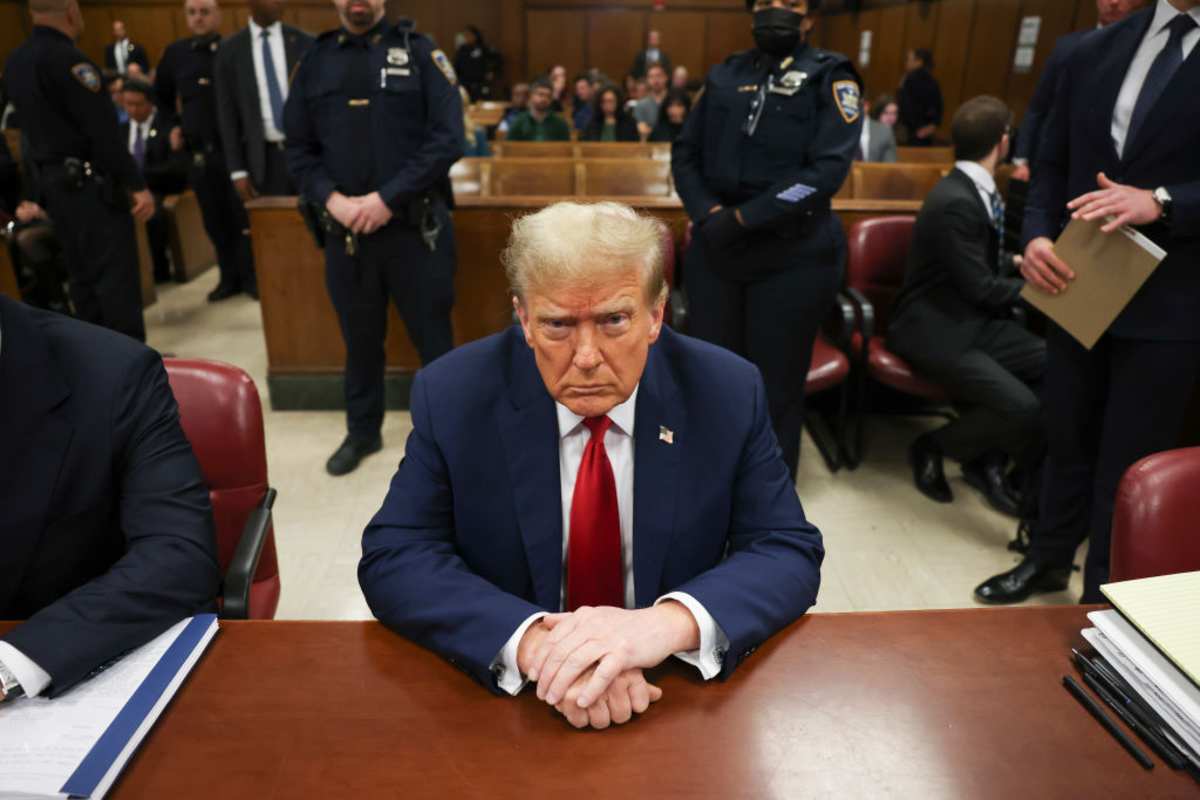
His dissent joined a broader conservative criticism of the majority's reasoning, though Thomas focused primarily on the Court itself rather than the immigration consequences of the ruling. He argued that repeated departures from the Constitution's original meaning have fundamentally altered the Fourteenth Amendment's purpose.
The majority, led by Chief Justice John Roberts, rejected the Trump administration's interpretation and held that children born in the United States to parents who are unlawfully or temporarily present remain citizens under the Citizenship Clause of the Fourteenth Amendment, leaving Trump's executive order blocked.
Thomas said that conclusion reflects an increasingly expansive reading of constitutional protections that, in his view, departs from both history and the framers' intent.