Karoline Leavitt slams Supreme Court over trans athletes debate, says it's challenging ‘biology’
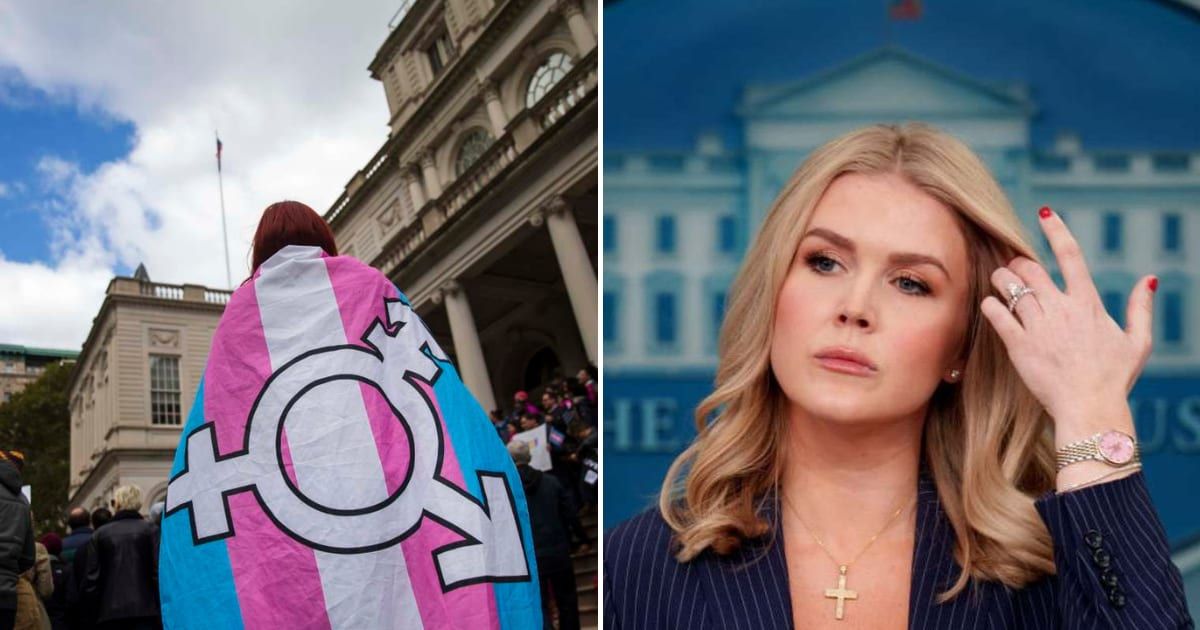
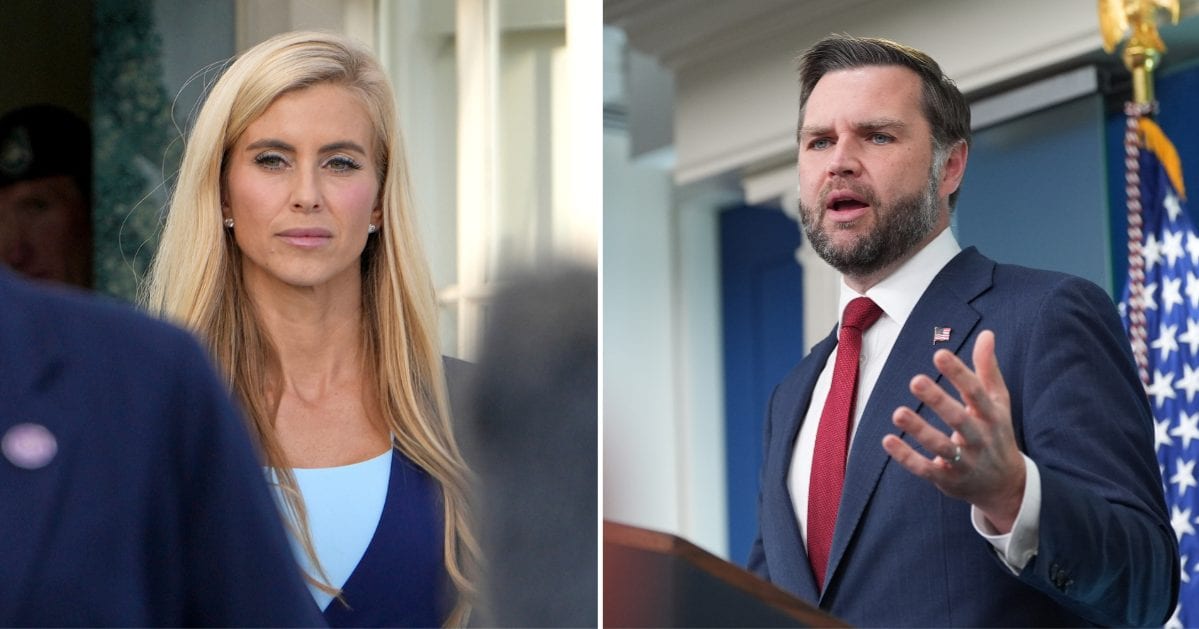
WASHINGTON, DC: Karoline Leavitt dressed down several Supreme Court justices after a contentious hearing on transgender athletes in women’s sports. The White House press secretary said it was “alarming” to hear debate around what she called a basic biological reality.
Leavitt’s remarks on Thursday, January 15, came after the Supreme Court heard arguments in two cases centered on whether states can restrict transgender athletes from competing in girls’ and women’s sports.
@Riley_Gaines_: "If the Supreme Court rules as anticipated, in favor of maintaining these sex-based rights, is the administration prepared to take action against the states—I believe at this point it's 23 states—that don't have those protections for women?"@PressSec:… pic.twitter.com/uXtKliNQIu
— Fox News (@FoxNews) January 15, 2026
Supreme Court hearing sparks sharp response from White House
Leavitt addressed the issue during a press briefing after being questioned by ‘OutKick’ host Riley Gaines.
Gaines asked whether the administration would take action against states that fail to comply with a potential Supreme Court ruling aimed at preserving women’s sports.
“Absolutely,” Leavitt responded, leaving no room for doubt in the administration’s willingness to intervene.
“The administration has taken action on a number of fronts against these states who are failing to uphold the president’s executive orders and this administration’s policy of simply protecting women and women’s sports and women’s private spaces,” Leavitt said.
“We’ve gone to the mat with large universities in this country, as well to try to fight for what’s right and what’s just for women in this country.”

‘Two genders, two sexes’: Karoline Leavitt
Leavitt framed the administration’s stance as a matter of common sense rather than ideology, emphasizing what she described as biological distinctions between males and females.
“I think the president speaks on common sense on this issue,” she continued, adding that “women’s sports and private spaces should be protected and that there are two genders, there are two sexes and that is not something we should be afraid to say in this country.”
Leavitt went further by directly criticizing the tone of the Supreme Court hearing, appearing to take aim at what she described as a willingness among some justices to question biological differences.
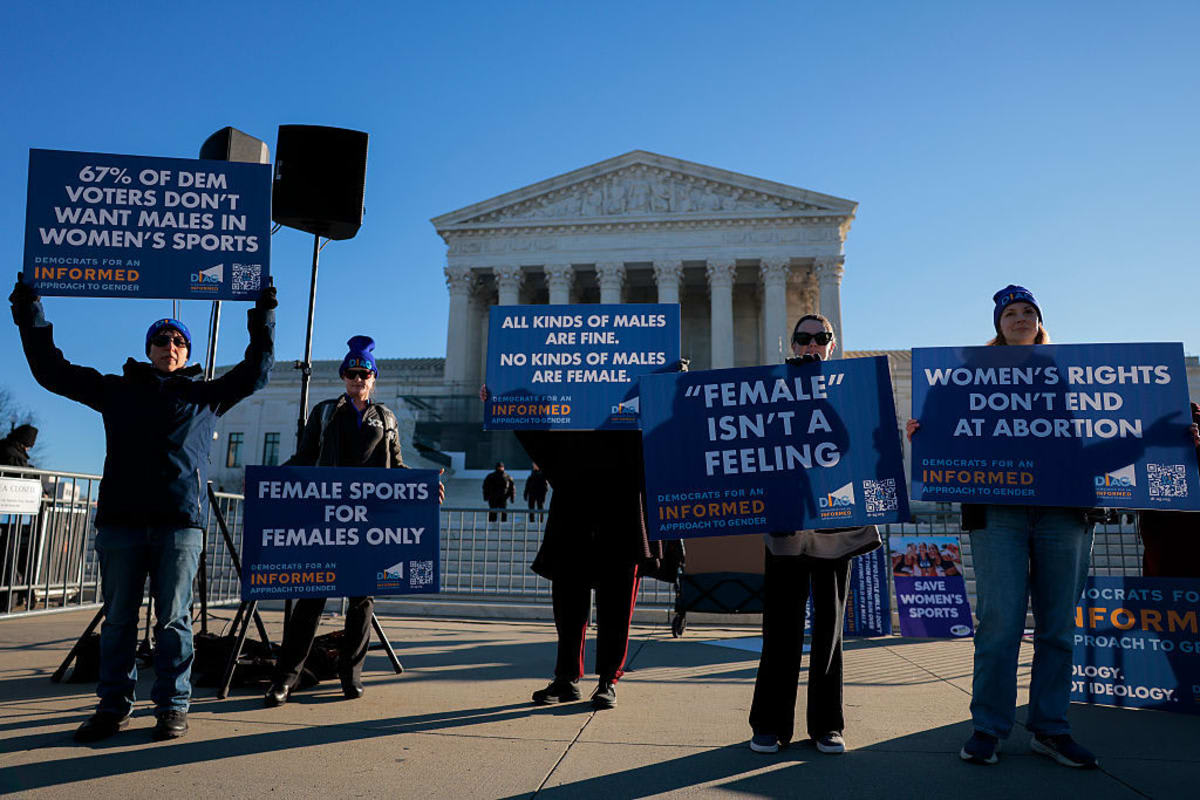
“I think, frankly, it was quite alarming to not only hear a couple of justices grapple over that basic fundamental biological fact that men and women are different but inherently equal, but we are certainly different and women deserve such rights,” Leavitt said.
She added that the administration is hopeful the court will ultimately side with states seeking to preserve sex-based divisions in athletics.
“We hope and expect that the Supreme Court will rule in the right way on this matter,” she said.
Legal landscape and expected ruling
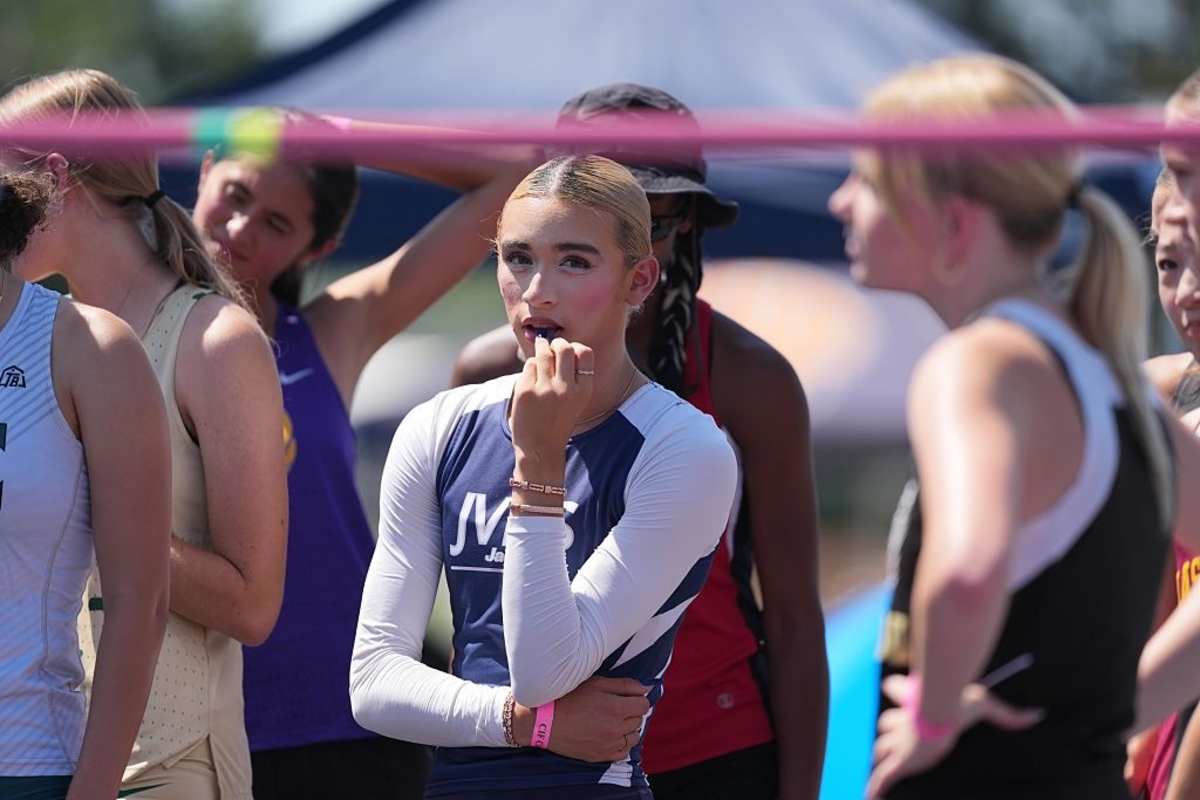
The Supreme Court is currently weighing cases from states including Idaho and West Virginia, both of which have enacted laws barring biological males from competing in women’s and girls’ sports.
The rulings are expected to have wide-reaching implications, potentially affecting similar laws across the country.
According to the Supreme Court, at least 30 states have already implemented restrictions on transgender athletes participating in female sports categories.
Legal experts and political pundits broadly agree that the court’s conservative majority appears inclined to allow those laws to stand.
If upheld, the rulings would reinforce state authority to regulate athletic participation based on biological sex.
It would also likely set the stage for further legal challenges from civil rights groups and advocacy organizations.
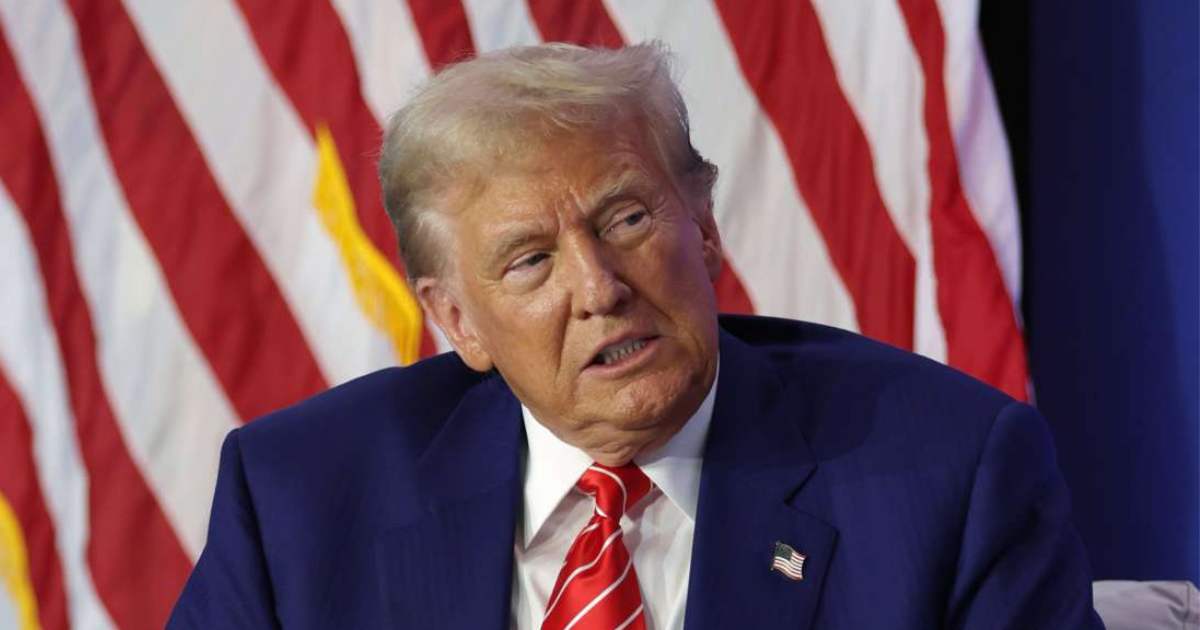
The issue had gained renewed momentum after President Donald Trump signed an executive order in February 2025 aimed at protecting women’s sports.
The order directed federal agencies to ensure compliance with sex-based protections in athletic programs, particularly those receiving federal funding.