Kim Jong Un amends North Korea's constitution to mandate automatic nuclear retaliation if killed
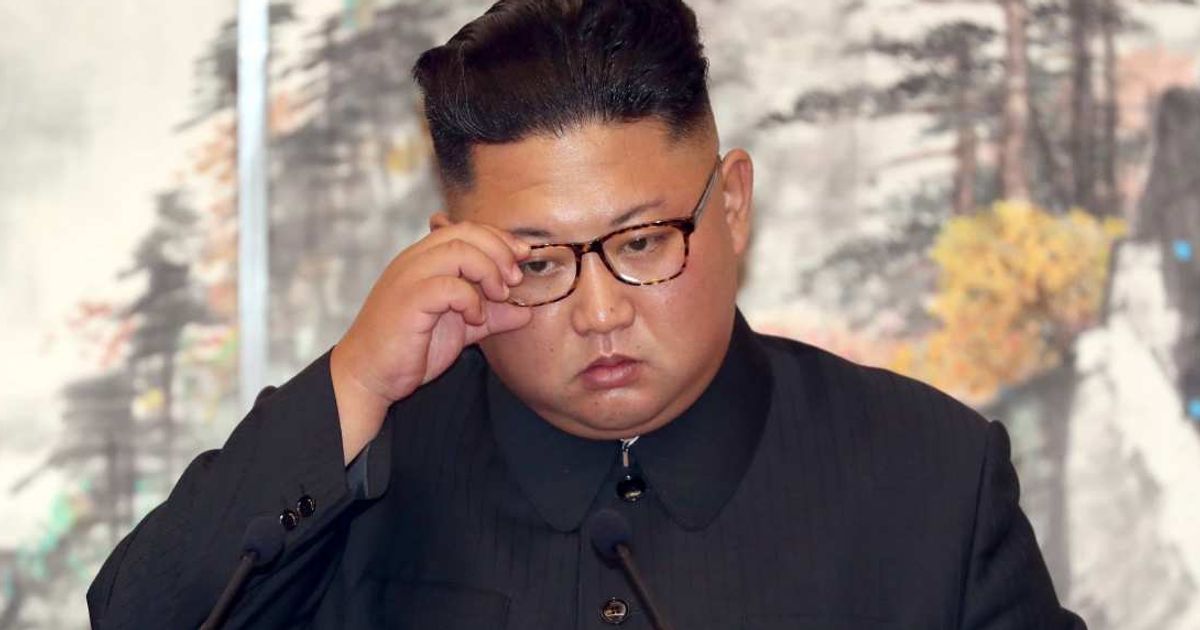
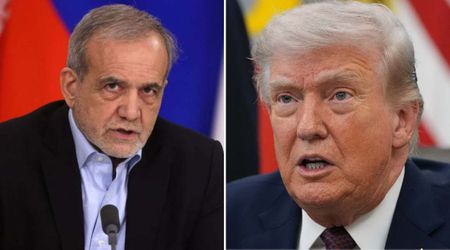
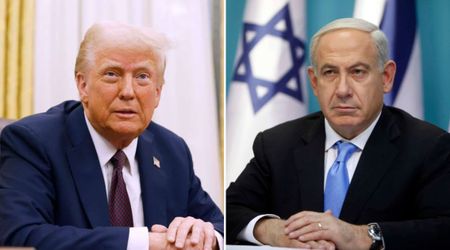
PYONGYANG, NORTH KOREA: North Korea has amended its constitution to ensure a nuclear strike is launched automatically if leader Kim Jong Un is assassinated or incapacitated by a foreign enemy. The move was reportedly sparked by the swift elimination of top Iranian leadership during recent US-Israeli attacks on Tehran.
The constitutional revision was approved during the first session of the 15th Supreme People’s Assembly, which opened on March 22 in Pyongyang. South Korea’s National Intelligence Service later disclosed the changes during a briefing to senior government officials on Thursday, May 7, the Telegraph reported.
Under the revised nuclear policy law, Kim still maintains direct command of North Korea’s nuclear arsenal. But the updated language now formally spells out what happens if that command structure collapses.
The revised Article 3 states, “If the command-and-control system over the state’s nuclear forces is placed in danger by hostile forces’ attacks ... a nuclear strike shall be launched automatically and immediately.”
That clause has raised fresh alarms about Pyongyang’s increasingly aggressive military posture and its paranoia about “decapitation strikes” targeting Kim and his inner circle.
Was Iran the 'wake-up call'?
Andrei Lankov, a Russian-born professor of history and international relations at Kookmin University in Seoul, said the policy may have existed informally before but now carries far more weight because it has been written into the constitution. “This may have been policy before, but it has added emphasis now [that] it has been enshrined in the constitution,” he said.
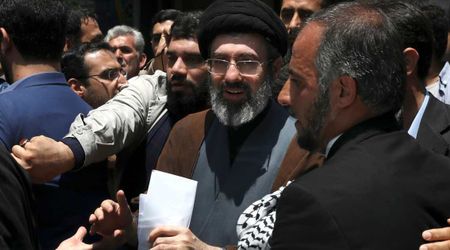
Lankov pointed directly to the strikes that killed Iranian Supreme Leader Ali Khamenei and several senior advisers at the beginning of the joint US-Israeli operation against Tehran.
“Iran was the wake-up call,” he said. “North Korea saw the remarkable efficiency of the US-Israeli decapitation attacks, which immediately eliminated the greater part of the Iranian leadership, and they must now be terrified.”

Still, analysts say carrying out a similar operation inside North Korea would be significantly harder. The country remains one of the most sealed-off states on Earth, with foreign diplomats, aid workers, and business visitors tightly monitored the moment they enter. That makes the kind of human intelligence reportedly used in Iran far tougher to obtain.
Israeli intelligence was also said to have tracked Iranian officials through hacked traffic cameras in Tehran, something experts say would be nearly impossible in Pyongyang because of its sparse CCTV systems and heavily restricted intranet.
Kim himself is notoriously security-conscious. He rarely flies, prefers travelling in a heavily armoured train, and is constantly surrounded by bodyguards who move like a human wall.
Lankov said North Korea’s biggest concern now is likely satellite surveillance. “Their biggest fear is going to be information from satellite technology,” he said. “And, on balance, their concerns are not unfounded as taking out the leadership at the outset of any conflict is likely to be decisive.”
He added that North Korea’s military would almost certainly obey orders for a retaliatory strike if Kim were killed. “I see no likelihood of an attack coming from South Korea so any retaliation would be aimed at the United States,” Lankov said.
New artillery deployment puts Seoul in range
The constitutional change comes as North Korea ramps up military pressure on South Korea.
State media said Friday that Pyongyang plans to deploy a new artillery system near the southern border, potentially placing much of the South Korean capital region within firing range.
Despite repeated peace gestures from Seoul, North Korea has increasingly branded the South as its primary enemy and recently stripped references to Korean reunification from its constitution.
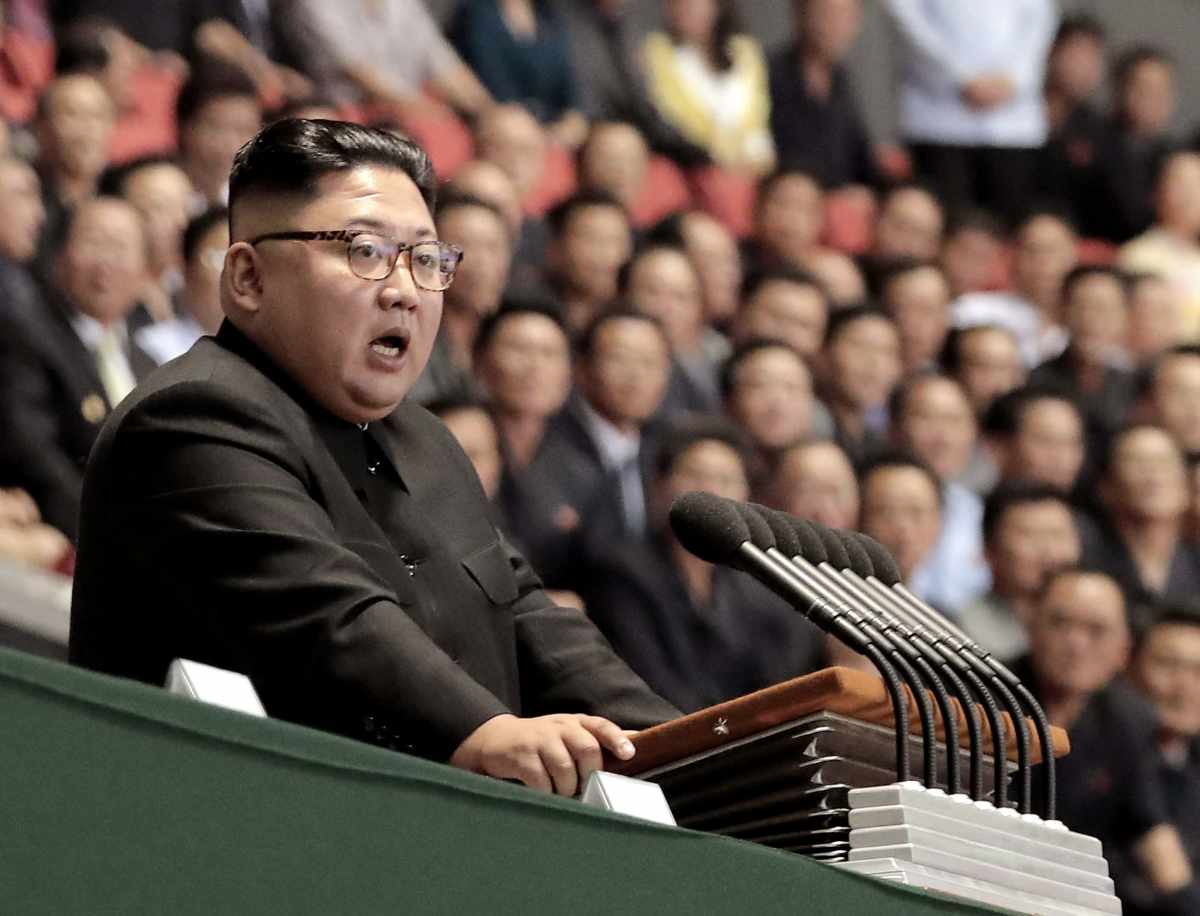
This week, Kim visited a munitions factory to inspect production of what state media described as a “new-type 155-millimetre self-propelled gun-howitzer,” according to the official Korean Central News Agency.
KCNA said the weapon has a range exceeding 37 miles and will be deployed this year to long-range artillery units stationed near the border.
Central Seoul sits roughly 35 miles from the demilitarized zone, meaning large parts of the capital, along with heavily populated Gyeonggi Province and several major industrial hubs, could fall within range.
KCNA quoted Kim as saying the new howitzer will “provide significant changes and advantages to our military’s ground operations."
North and South Korea technically remain at war, considering their 1950-1953 conflict ended with an armistice, not a peace treaty.