Iran rejects 'love tap' framing as drones hit US warships and Hormuz ceasefire nears collapse
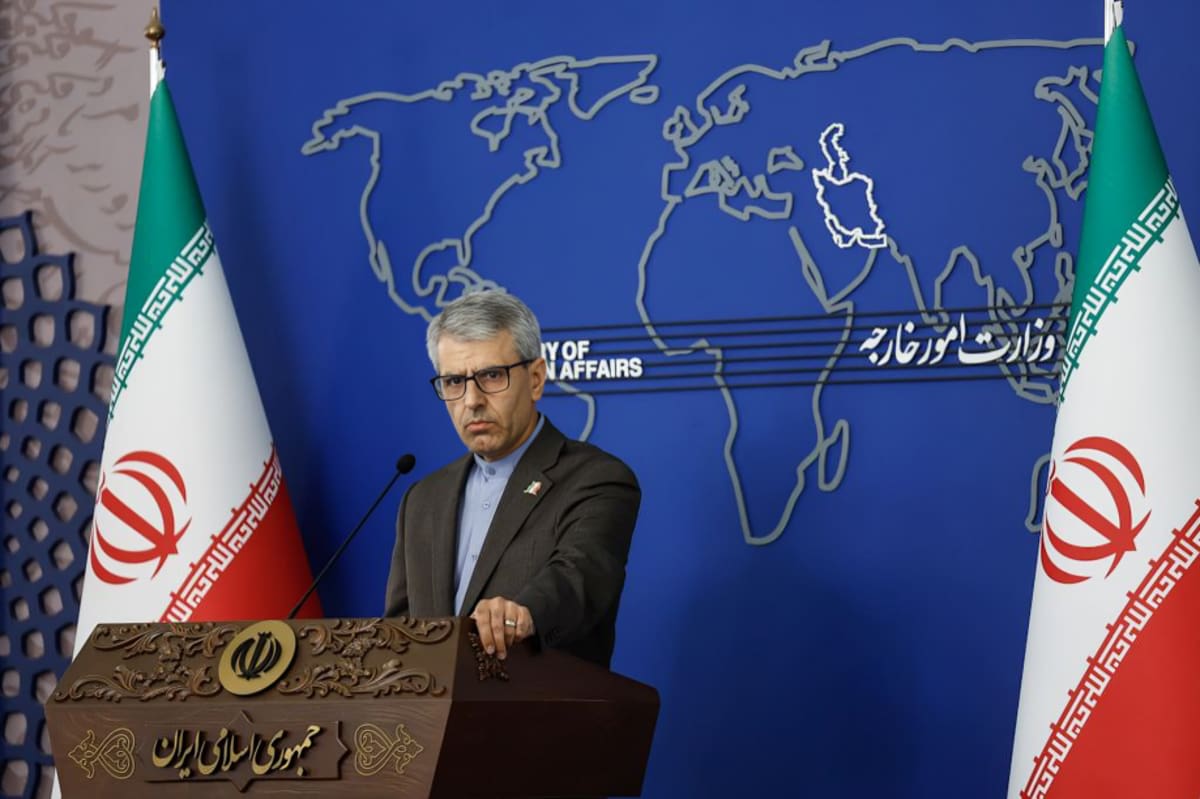
TEHRAN, IRAN: Tensions between the United States and the Islamic Republic reached a breaking point on Friday, May 8, as Iranian Foreign Ministry spokesperson Esmail Baqaei dismissed the month-long truce as a "nominal ceasefire situation."
The remarks followed a night of heavy fire in the Strait of Hormuz, contradicting President Trump’s assertion late Thursday that the April 8 agreement remains fully intact.
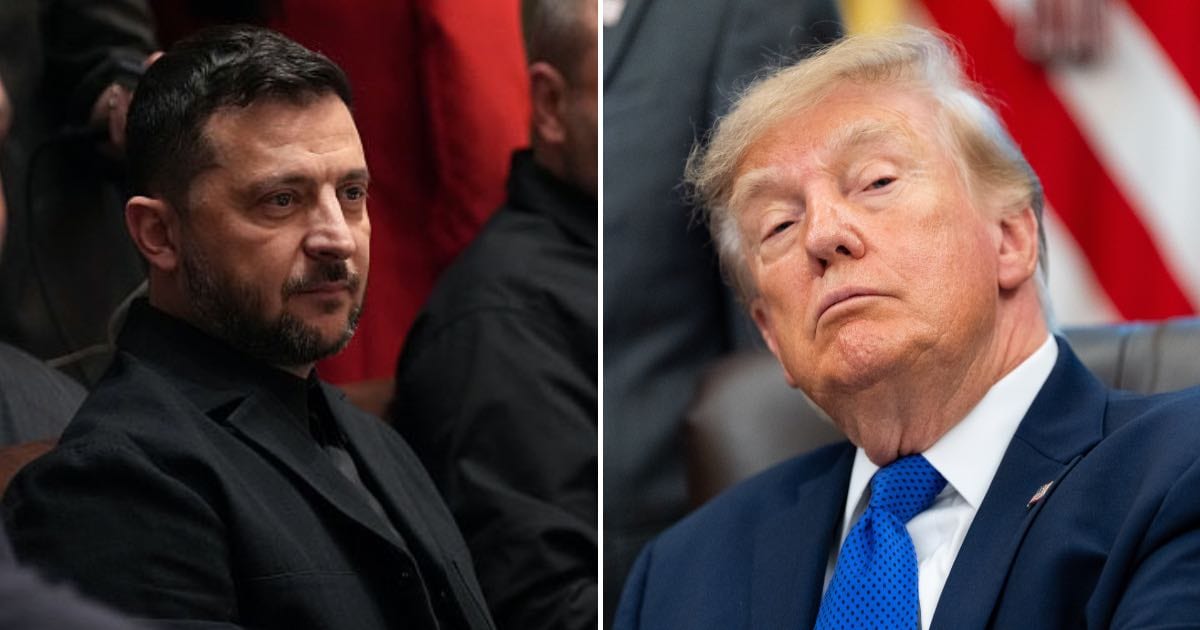
While the White House described recent strikes as a "love tap" designed for defense, Tehran has signaled that the reality on the ground has shifted into a volatile state of active aggression.
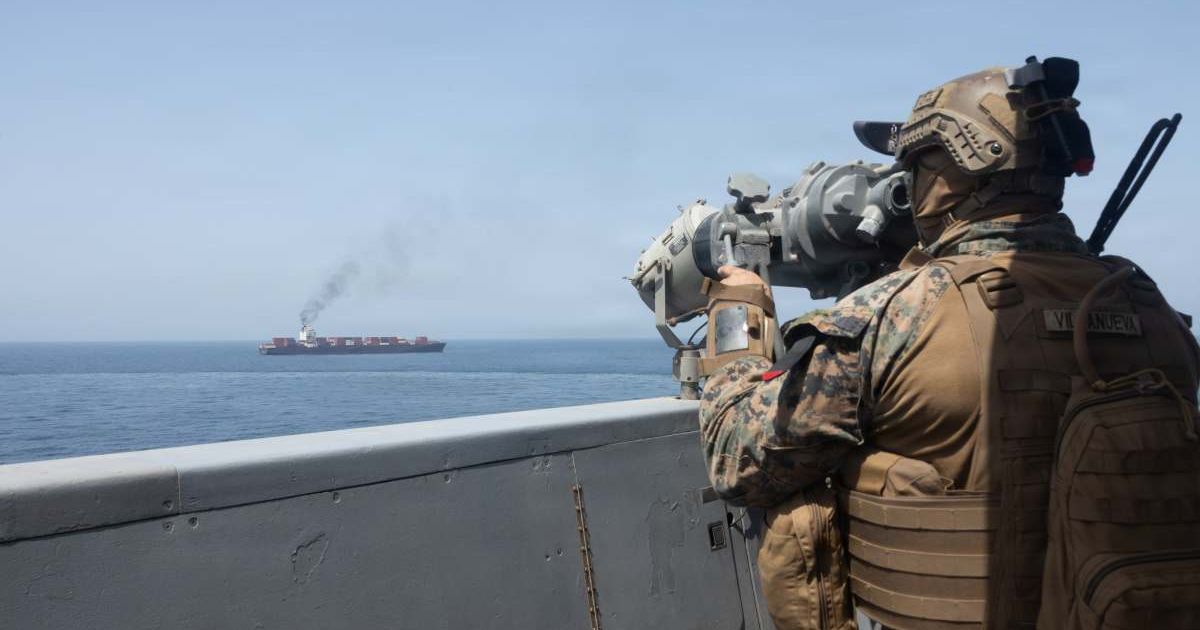
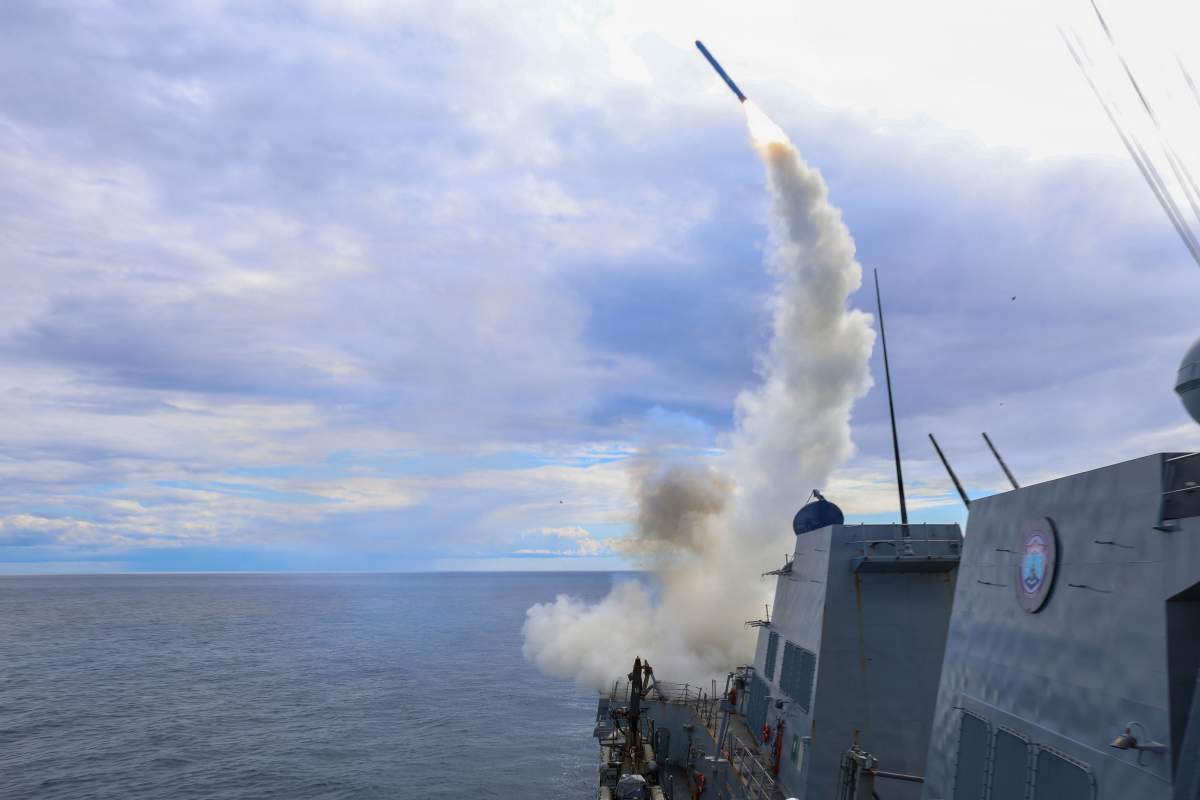
The latest escalation began late Thursday when the US military reported an assault on three American warships by Iranian drones, missiles, and small boats.
The Pentagon claimed that all threats were neutralized and that "self-defense strikes" were subsequently launched against Iranian ports.
However, Tehran rejected this narrative, instead accusing the US of a "flagrant breach" of international law and a direct violation of the UN Charter.
Tehran condemns illegal maritime strikes
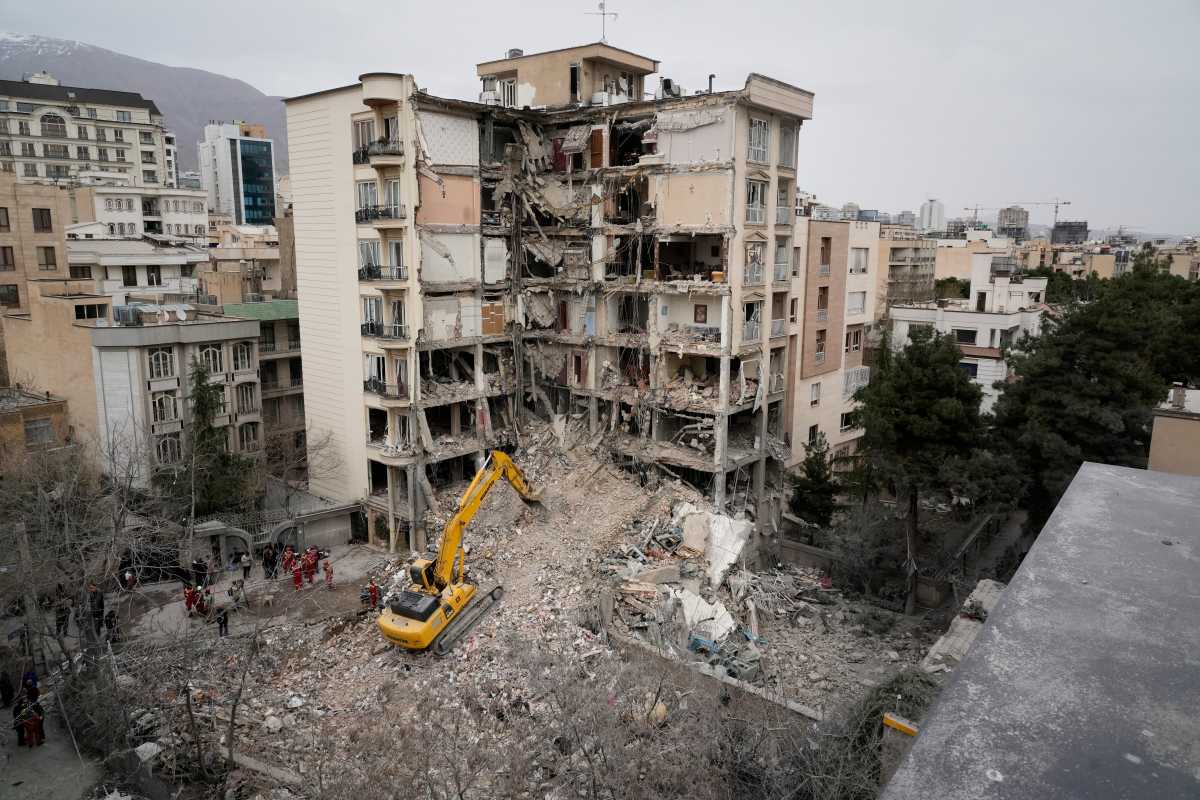
The Iranian Foreign Ministry issued a scathing statement on Friday, strongly condemning what it called "aggressive action by the US military."
According to the regime, the US launched unprovoked attacks against two Iranian-flagged oil tankers in the Strait of Hormuz, as well as several coastal locations in the early hours of Friday morning.
Every time a diplomatic solution is on the table, the U.S. opts for a reckless military adventure. Is it a crude pressure tactic? Or the result of a spoiler once again duping POTUS into another quagmire?
— Seyed Abbas Araghchi (@araghchi) May 8, 2026
Whatever the causes, outcome is the same: Iranians never bow to pressure. pic.twitter.com/ev7dMIebNB
Foreign Minister Abbas Araghchi also lashed out at the move on social media, questioning if the strikes were a "crude pressure tactic" or the work of spoilers intended to dupe the president into a new quagmire.
Araghchi remained defiant, warning that the outcome of such "military adventure" would remain the same: "Iranians never bow to pressure."
Ceasefire status remains in dispute
The April 8 ceasefire, which was established to provide a window for peace negotiations, is now under severe strain.
Iran claims that the latest strikes constitute a clear violation of that understanding and qualify as acts of aggression under Article 2(4) of the UN Charter. Despite the tit-for-tat violence, the Trump administration has insisted the truce is still in effect.
This discrepancy in perception has led to what Baqaei described as a "nominal" peace, where military engagements continue despite the formal existence of a diplomatic framework.
The Foreign Ministry emphasized that these "provocative actions" undermine the very foundation of the negotiated pause in hostilities.
Review of peace proposal continues
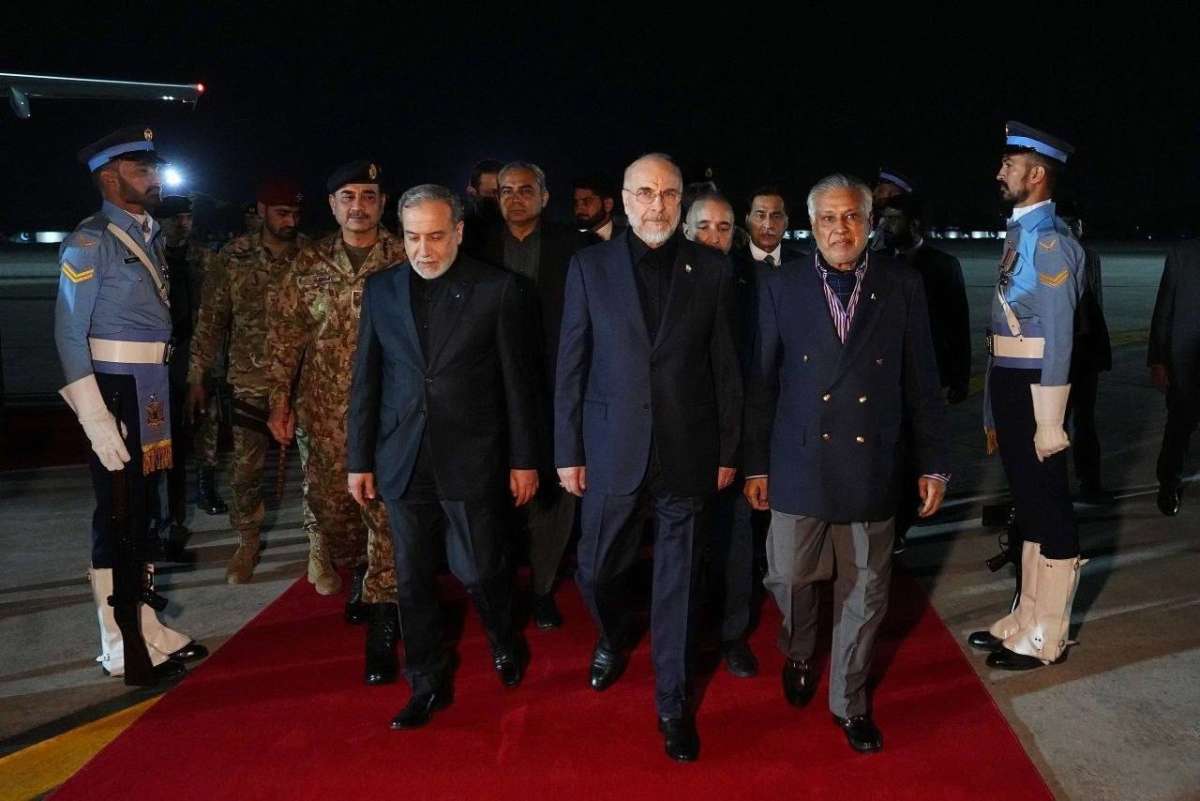
Amid the exchange of fire, a broader diplomatic solution remains in limbo. Baqaei reiterated that the latest US proposal for a permanent peace deal is currently under review in Tehran.
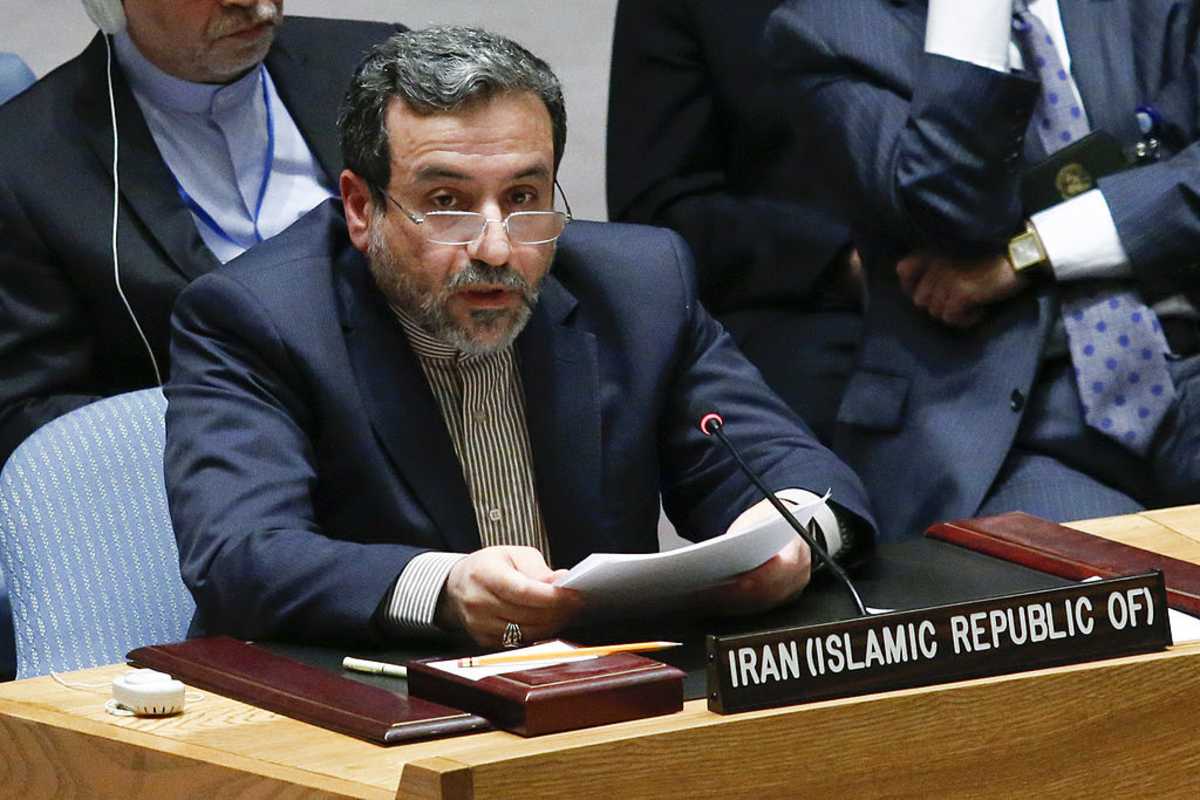
While international mediators have been pushing for a final decision, the Iranian spokesman noted that the government has not yet reached a conclusion and will announce its response only after a "final decision" is made.
The standoff in the Strait of Hormuz has cast a long shadow over these talks, with Iranian officials arguing that diplomacy is often the first victim of US military intervention.
For now, the region remains on high alert as both sides navigate this fragile and increasingly violent ceasefire.