Trump says US ‘better off’ without Iran deal as Tehran warns war ‘likely’ to resume
WASHINGTON, DC: The fragile calm between the United States and Iran is once again under strain, with both sides sending mixed signals about what comes next. While a ceasefire is technically still in place, recent comments from President Donald Trump and a senior Iranian military figure suggest that the pause in fighting may not last.
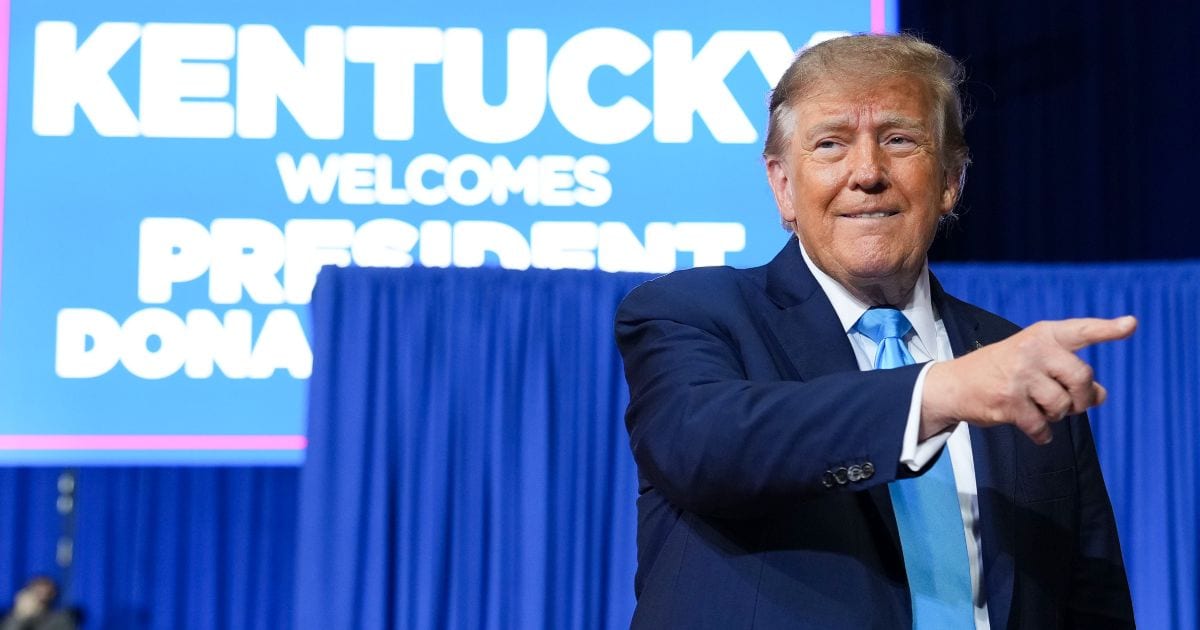
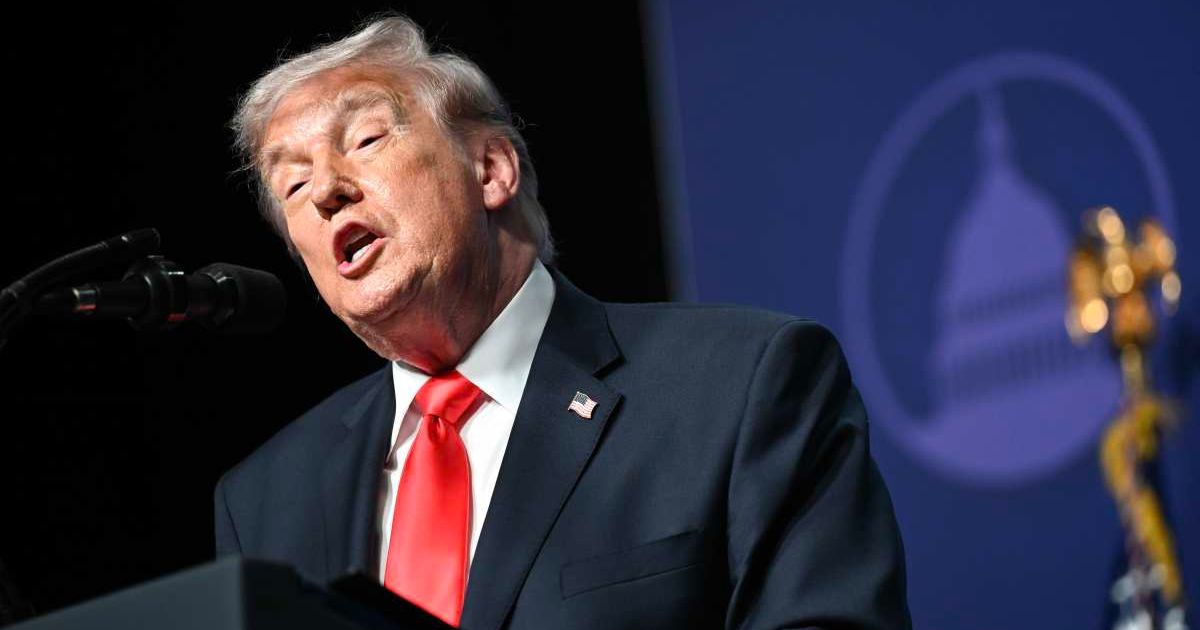
Speaking at an event in Florida on Friday, May 1, Trump made it clear that he is no longer convinced a deal with Iran is worth pursuing.
His remarks came just as Iran indicated that a return to conflict could be on the horizon, raising fresh concerns about stability in the region.
🇮🇷🇺🇸 Iran says it's likely the war will resume as "evidence shows the U.S is not committed to any agreements or treaties."
— Mario Nawfal (@MarioNawfal) May 2, 2026
Deputy commander of Iran's military HQ, Mohammad Jafar Asadi:
"The actions and statements of U.S officials are primarily media-driven aimed first at… https://t.co/wDSNgqsQCH pic.twitter.com/8qe2Hna8HN
Trump doubts Iran deal amid rising tensions
Trump did not hold back when discussing the possibility of a new agreement with Tehran. After reviewing what he described as Iran’s latest proposal, he suggested it may not be enough to move forward.
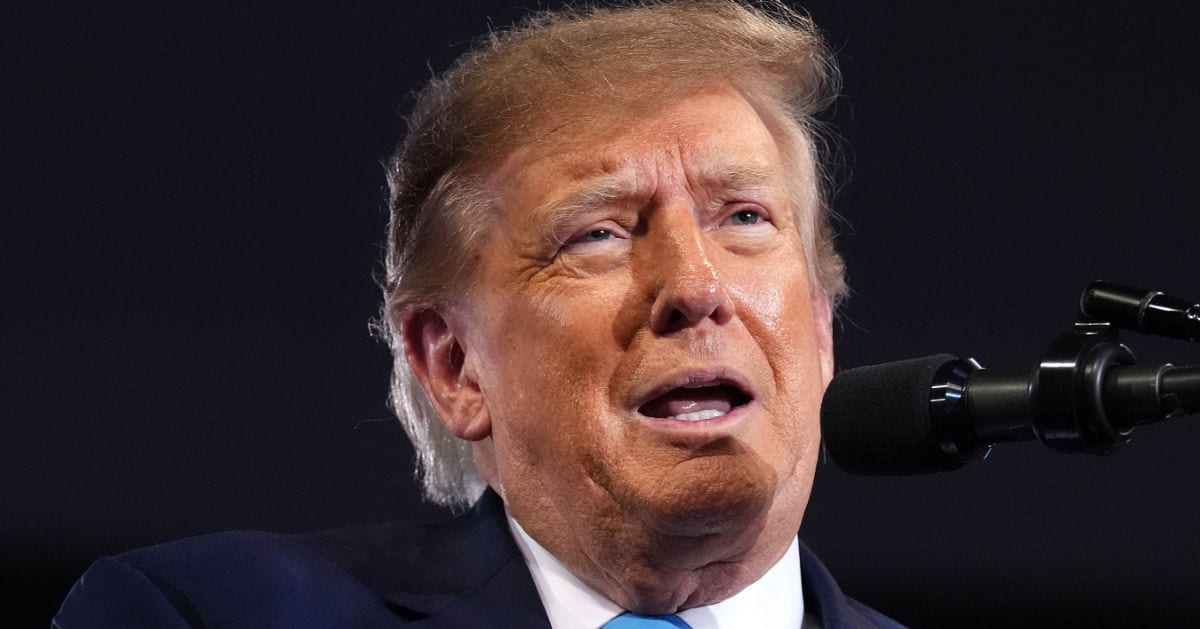
“Frankly, maybe we're better off not making a deal at all,” Trump said. “Do you want to know the truth? Because we can’t let this thing go on. Been going on too long.”
Trump on Iran:
— Acyn (@Acyn) May 2, 2026
I'm so busy with the Iranians calling trying to make a good deal and we're not going to let that happen. They've got to make a bad deal. Maybe we're better off not making a deal at all. pic.twitter.com/1ZN1UsVs3j
His comments marked a noticeable shift in tone, especially as talks had been quietly ongoing through intermediaries. While he did not go into details about the proposal itself, his reaction made it clear that he sees major gaps.
At the heart of the issue are long-standing disagreements over sanctions, shipping routes, and Iran’s nuclear ambitions, all of which remain unresolved despite weeks of back-and-forth.
Iran warns conflict may restart amid ceasefire uncertainty
On the other side, Mohammad Jafar Asadi, a senior figure in Iran’s Islamic Revolutionary Guard Corps, issued a stark warning. He suggested that the current ceasefire may only be temporary and that the situation could quickly escalate again.
According to Asadi, the war is now “likely” to resume if key issues are not addressed. His comments highlight just how fragile the current pause in fighting really is.
The Deputy for Inspection at the Khatam al-Anbiya Central Headquarters, Brigadier General Mohammad Jaafar Asadi, has affirmed that the Iranian armed forces are fully prepared to confront any new “adventure or recklessness” by the #UnitedStates.
— Al Mayadeen English (@MayadeenEnglish) May 2, 2026
Asadi added that a new… pic.twitter.com/Ueu3Byfg5h
The conflict itself began on February 28 and escalated rapidly before a ceasefire took effect on April 8. While the agreement managed to halt active fighting, it did not resolve the deeper disputes driving the tension.
Now, with both sides publicly expressing frustration, the risk of a breakdown appears to be growing.
Iran demands stall talks as tensions rise
Iranian officials have made it clear that they are not willing to return to negotiations without certain guarantees.
Among their main demands are the reopening of the Strait of Hormuz and the lifting of a US-led naval blockade.
The Strait of Hormuz is one of the most important oil shipping routes in the world, and any disruption there has global consequences. The blockade, meanwhile, has limited Iran’s ability to export goods, adding to economic pressure.
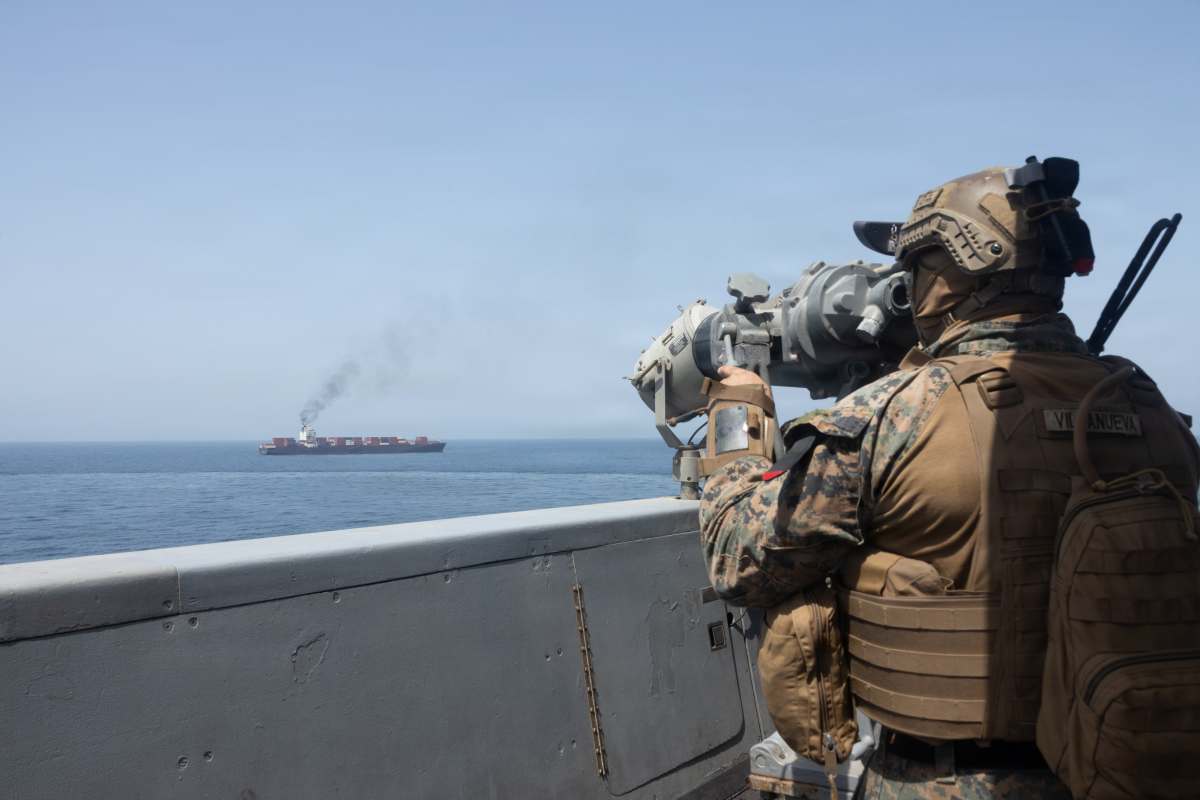
These issues have become major sticking points in talks. Without progress on them, both sides appear stuck in a cycle of proposals and rejections.
At the same time, concerns over Iran’s nuclear program continue to loom large, adding another layer of complexity to any potential agreement.
Even with the ceasefire still technically in place, the region has not fully stabilized. A recent tanker hijacking near the Gulf of Aden has served as a reminder that security risks remain high.