Van Hollen criticizes Trump's blockade, warns it is driving a humanitarian crisis
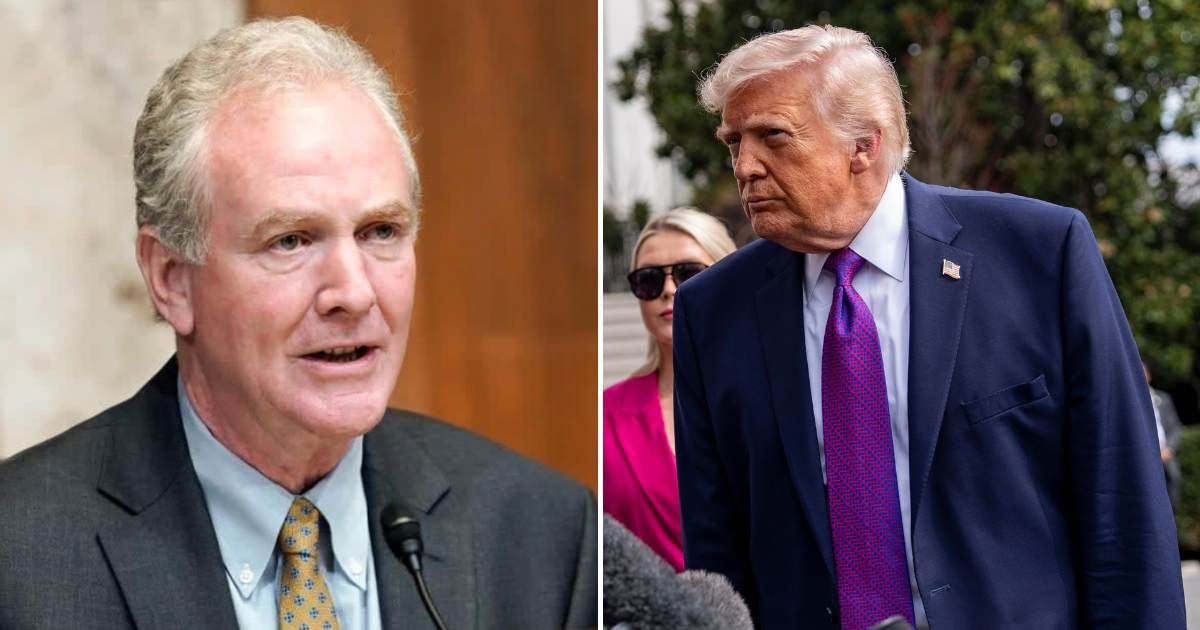
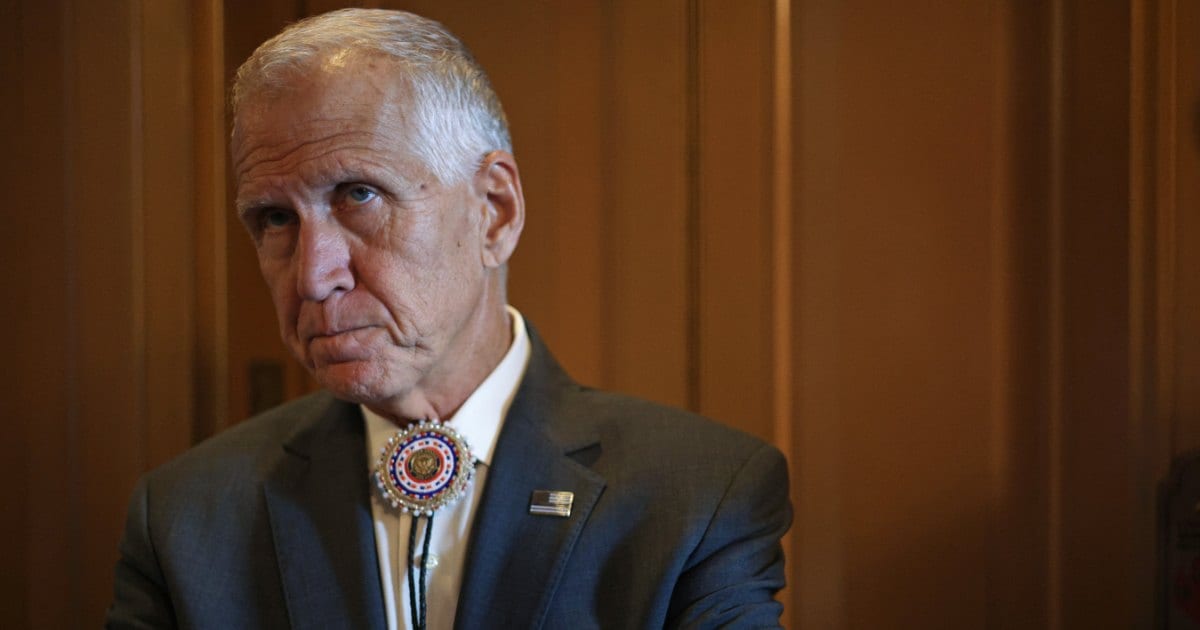
WASHINGTON, DC: Senator Chris Van Hollen on Saturday, May 2, called for an end to the US naval blockade, arguing that the policy has worsened humanitarian conditions while failing to produce its intended political outcomes.
Van Hollen said the pressure campaign has intensified shortages of fuel and essential services, creating severe hardship for civilians while leaving the targeted government’s political structure unchanged.
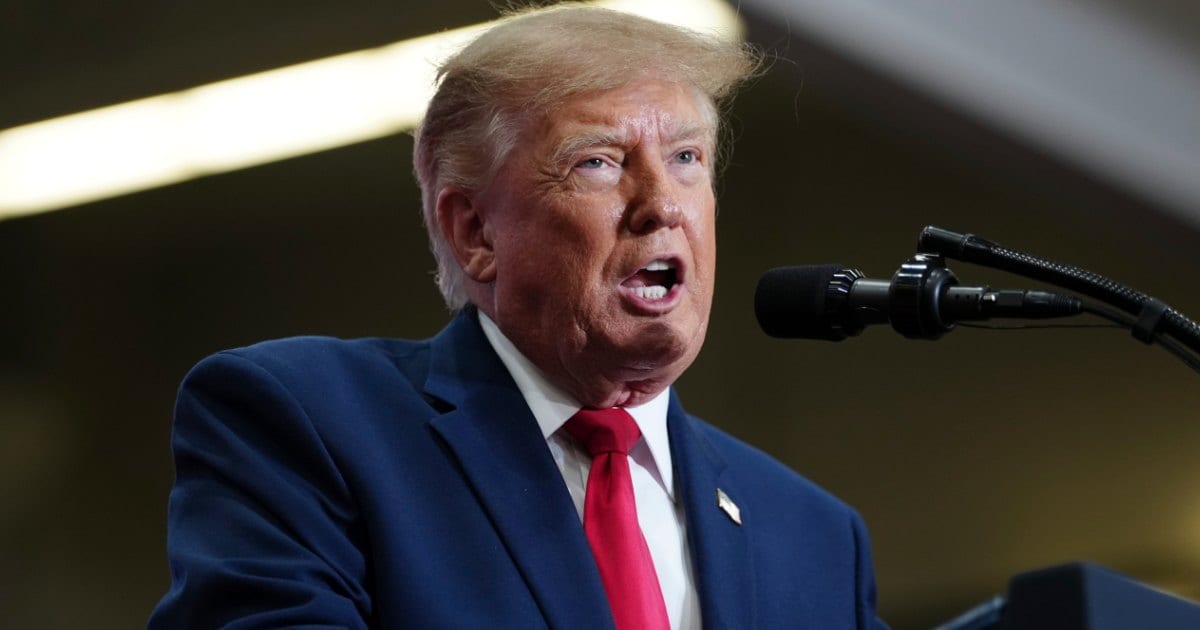
President Donald Trump has said the blockade will remain in place until a broader agreement is reached to end the war, while Iran has described the measure as a violation of the ceasefire.
Hollen says blockade deepens humanitarian crisis
In a statement posted on X, Van Hollen said the administration’s strategy has effectively cut off critical fuel supplies, creating widespread disruptions to daily life and straining essential infrastructure.
He said the fuel shortages have made transportation increasingly difficult, while hospitals and healthcare providers have struggled to maintain operations.
“The Trump administration has pursued an aggressive pressure campaign… effectively imposing an oil blockade,” Van Hollen said, describing the impact on ordinary civilians as severe and far-reaching.
He pointed to deteriorating conditions across affected areas, saying prolonged blackouts and an energy crisis have disrupted schools, businesses, and public services.
Van Hollen said hospitals are unable to function properly without sufficient fuel, contributing to what he described as preventable deaths.
“The only change, the only change that the United States has succeeded in forcing… is a humanitarian crisis affecting millions of people,” Van Hollen said, arguing that the pressure campaign has punished civilians rather than achieving meaningful political change.
Over 3 months ago, Trump & Rubio implemented an oil blockade of Cuba, with the hope of bringing about regime change.
— Senator Chris Van Hollen (@ChrisVanHollen) May 2, 2026
And yet the only change they've succeeded in forcing is a humanitarian crisis that is punishing the Cuban people, not the regime.
The blockade must end. pic.twitter.com/PIHH1g5W1w
Van Hollen also said the stated goal of forcing political change has not materialized, adding that the leadership being targeted remains firmly in control despite the economic and humanitarian strain caused by the blockade.
He described the policy as a continuation of past approaches that, in his view, have produced “no better results.”
Van Hollen argued that the current strategy has deepened suffering for civilians and raised concerns over access to healthcare, electricity, and transportation, warning that the humanitarian consequences are escalating.
US-Iran tensions escalate, Hormuz standoff continues
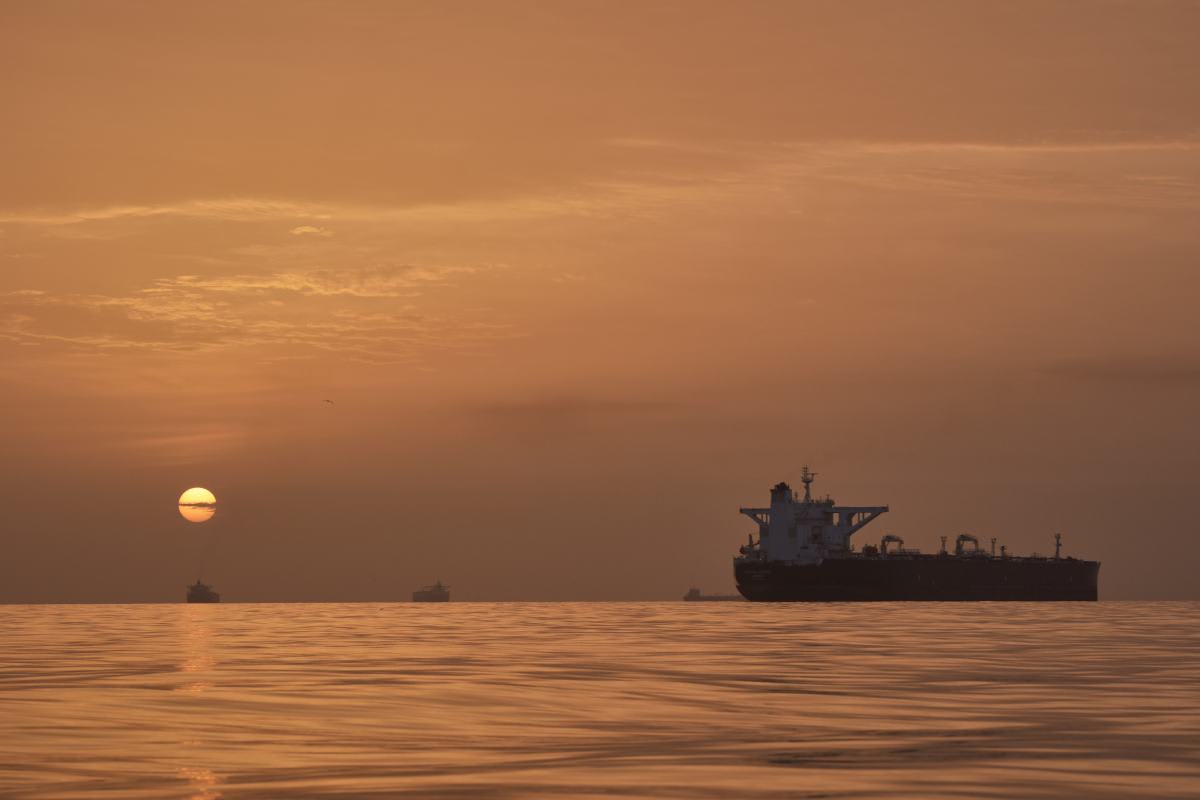
The humanitarian concerns raised by Van Hollen come as tensions between Washington and Tehran remain high over the Strait of Hormuz, a critical global shipping route.
US Central Command said 48 Iranian vessels have been redirected over the last 20 days, including three in the last 20 hours, as the blockade remains in effect.
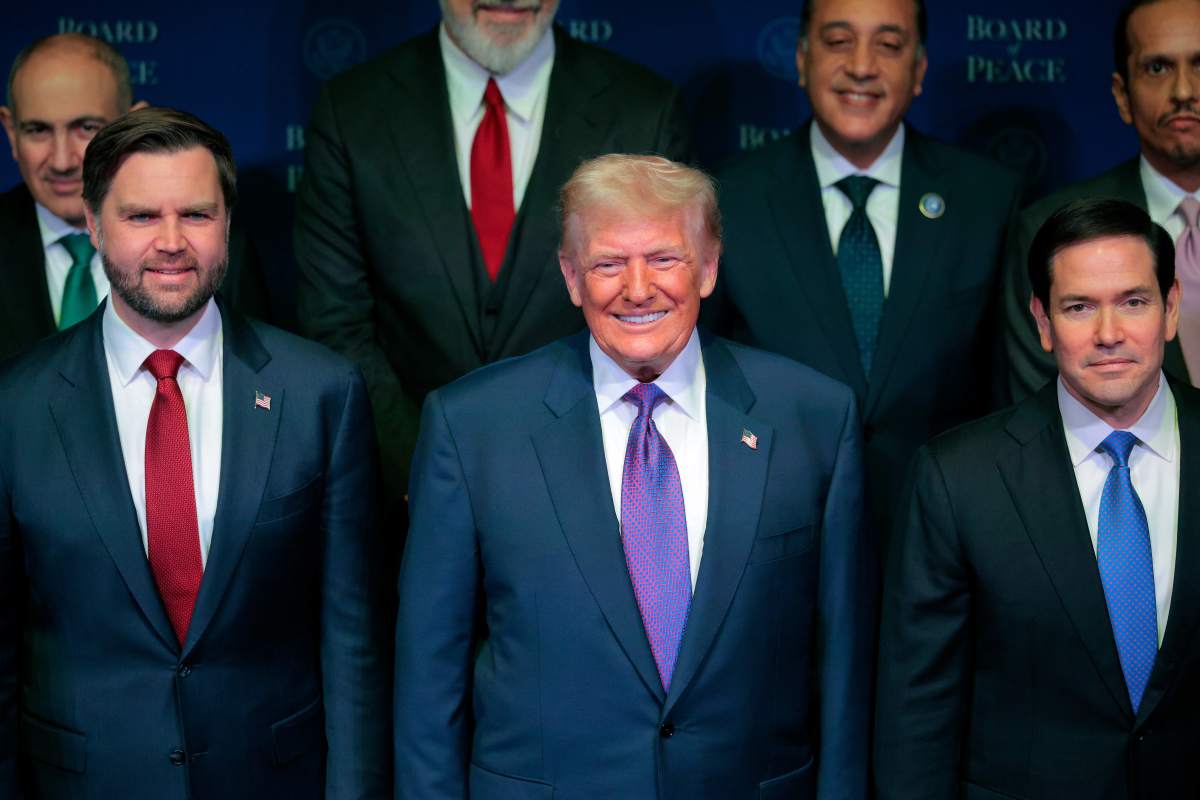
President Trump defended the move on Friday, May 1, saying the blockade would continue until an agreement is reached to end the war.
Iranian officials, however, have rejected the US position and accused Washington of violating the ceasefire.
Brig Gen Mohammad Jafar Asadi warned that renewed conflict with the United States remains “possible” after Trump rejected Tehran’s latest peace proposal.
🇮🇷🇺🇸 Iran says it's likely the war will resume as "evidence shows the U.S is not committed to any agreements or treaties."
— Mario Nawfal (@MarioNawfal) May 2, 2026
Deputy commander of Iran's military HQ, Mohammad Jafar Asadi:
"The actions and statements of U.S officials are primarily media-driven aimed first at… https://t.co/wDSNgqsQCH pic.twitter.com/8qe2Hna8HN
“Evidence has shown that the United States is not committed to any promises or agreements,” Asadi said, adding that “surprise measures” were being prepared.
Iranian state-linked outlets also reiterated that the country’s Revolutionary Guards would continue overseeing navigation through the strait, underscoring the unresolved tensions surrounding one of the world’s most strategically significant waterways.