Lindsey Graham unveils GOP Senate budget funding ICE, border patrol through Trump’s term
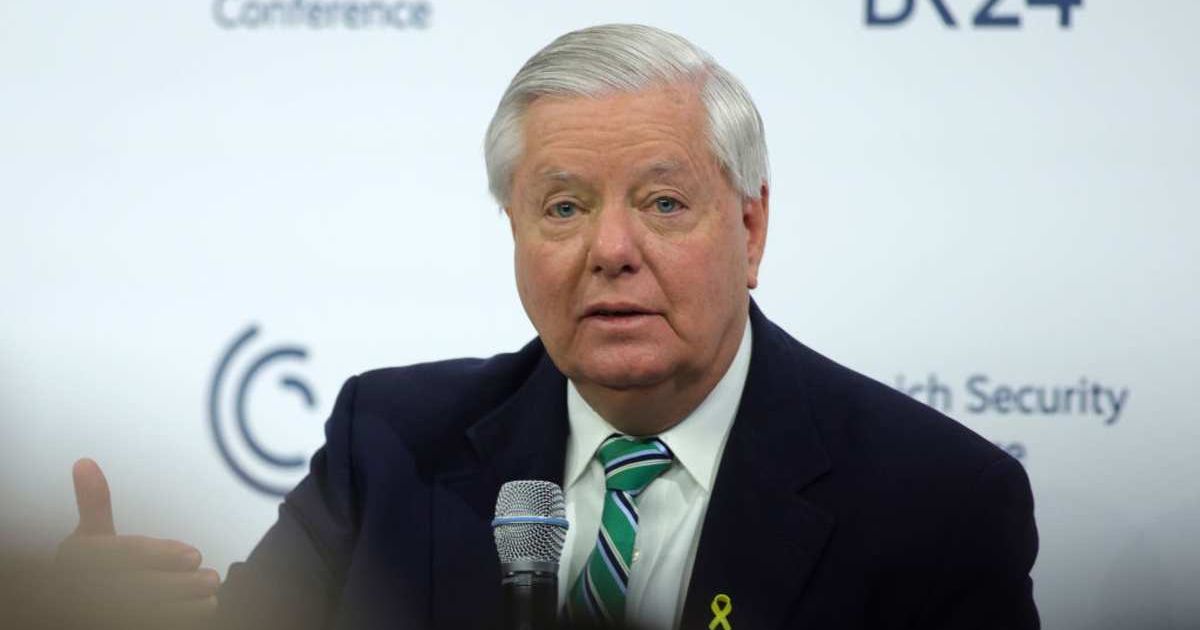
WASHINGTON, DC: Senate Budget Committee Chairman Lindsey Graham on Tuesday, April 21, introduced a sweeping budget resolution aimed at fully funding Immigration and Customs Enforcement (ICE) and Customs and Border Protection (CBP) through the remainder of Donald Trump’s term.
The proposal would secure funding for the two key immigration enforcement agencies for the next three and a half years, reflecting Republican priorities on border security.
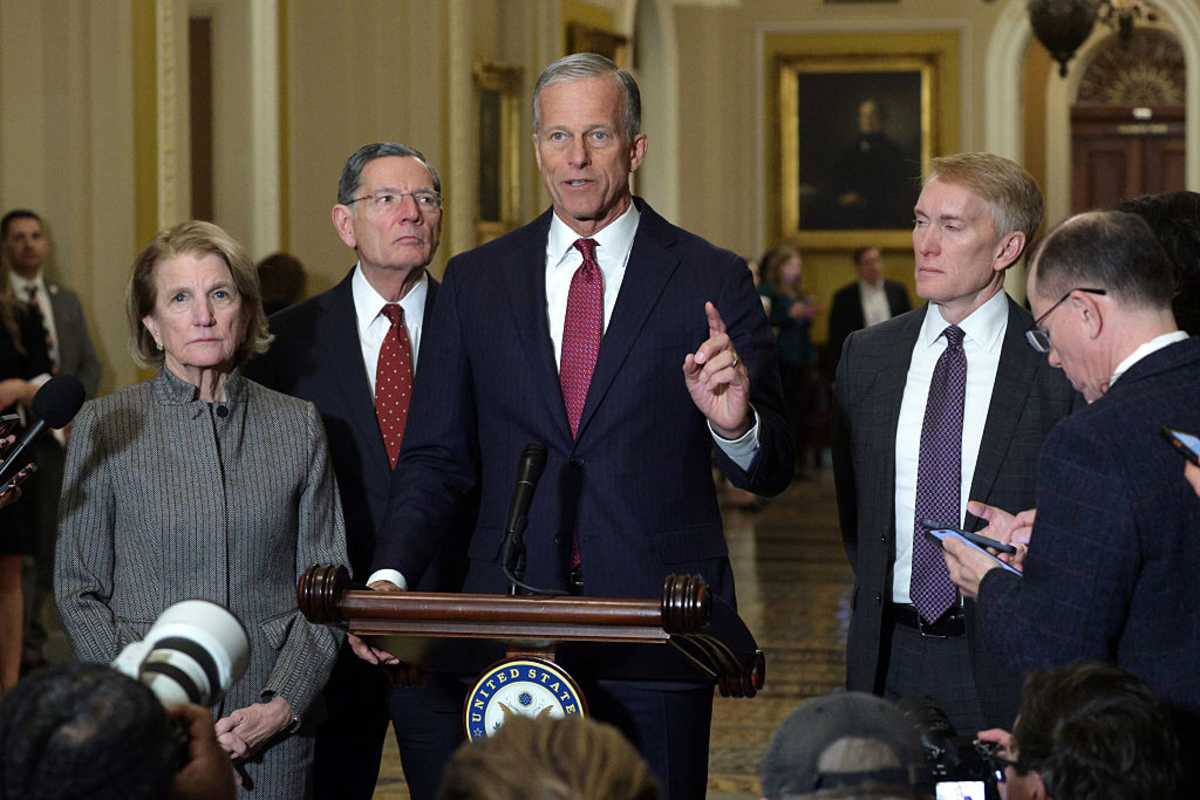 John Thune (R-SD) speaks as Sen Shelley Moore Capito (R-WV), Senate Majority Whip Sen John Barrasso (R-WY), and Sen James Lankford (R-OK) listen during a news briefing after the weekly Senate Republican Policy Luncheon at the US Capitol on January 28, 2026, in Washington, DC (Alex Wong/Getty Images)
Massive spending blueprint of 58 pages
The 58-page resolution outlines roughly $60 trillion in federal on-budget spending over the next decade, rising to nearly $80 trillion when programs such as Social Security and the United States Postal Service are included.
The plan serves as a broader fiscal blueprint while carving out significant room for increased immigration enforcement spending.
Senate Republicans aim to pass the resolution this week, paving the way for a budget reconciliation bill that would fund ICE and CBP without facing a Democratic filibuster.
The move comes after repeated efforts by Democrats to block a Homeland Security appropriations bill that included funding for the agencies.
“This is something that must be done quickly,” Graham said, arguing that enhanced funding is critical “at a time of great threat to the United States,” committees given a deadline.
The resolution directs the Senate Judiciary and Homeland Security Committees to draft legislative changes by May 15.
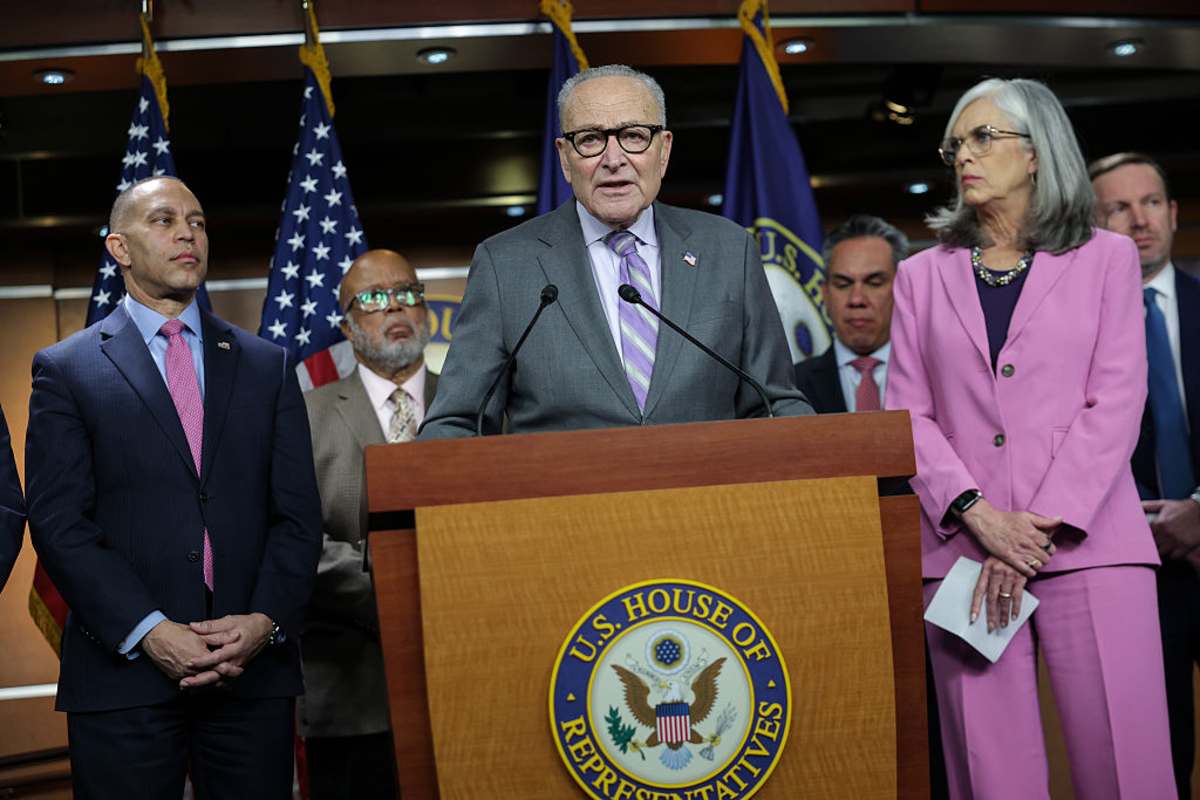
Democrats slam proposal, GOP pushes it
Under the plan, each committee is instructed to ensure its proposals do not increase the deficit by more than $70 billion over the 2026–2035 period, potentially allowing for up to $140 billion in combined deficit increases, according to Democratic estimates.
Senate Majority Leader John Thune said lawmakers could begin voting on amendments as early as Wednesday or Thursday, depending on debate time.
Under the Congressional Budget Act of 1974, the Senate is allotted 50 hours of debate on budget resolutions, evenly split between both parties.
Democrats sharply criticized the plan, arguing it prioritizes enforcement spending over economic concerns.
Sen Jeff Merkley accused Republicans of ignoring everyday cost-of-living issues while expanding funding for agencies he said already received significant increases last year.
He also warned that the proposal lacks meaningful reforms, raising concerns about civil liberties and enforcement practices.
Senate Appropriations Committee Vice Chair Patty Murray echoed those criticisms, describing the plan as a “massive blank check” for ICE and Border Patrol without adequate safeguards or accountability measures.
She argued that increased funding should be paired with reforms to ensure transparency and oversight.
The debate comes after the passage of the 'One Big Beautiful Bill Act' last year, which allocated more than $170 billion toward border security and immigration enforcement.