‘Live hand grenade’ Trump’s Pulte pick accused of pushing spy program towards collapse
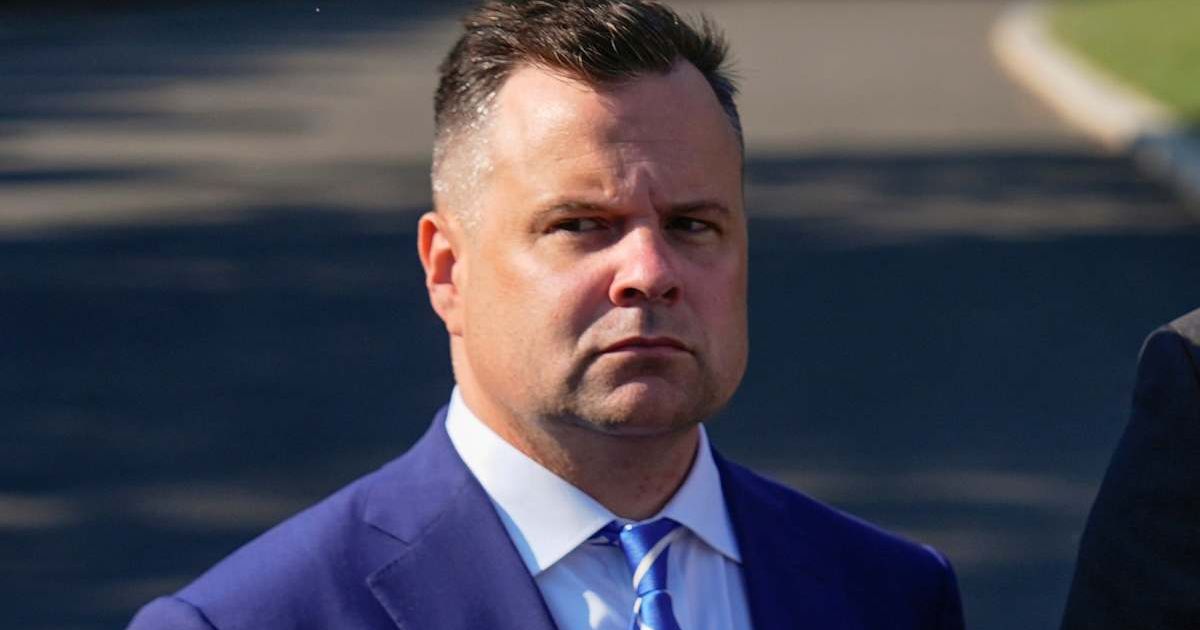
WASHINGTON, DC: A major federal surveillance framework is on the verge of a total shutdown following President Donald J Trump's controversial decision to elevate housing regulator Bill Pulte as Acting Director of National Intelligence.
The personnel choice has transformed a complex legislative renewal battle into a national security crisis.
Members of Congress from both parties warn that the critical surveillance program, known as Section 702 of the Foreign Intelligence Surveillance Act (FISA), will lapse this Friday unless the administration reverses course.
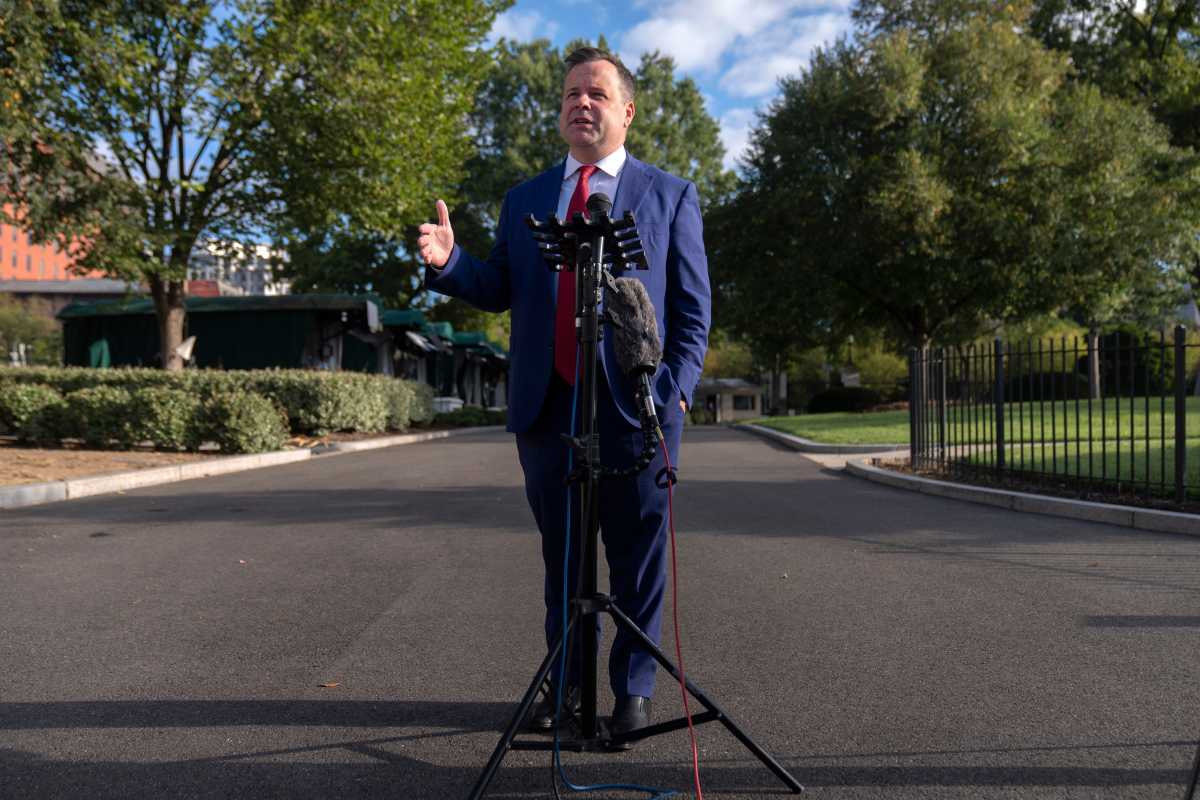
Section 702 allows the US government to intercept the electronic communications of noncitizens located abroad without an explicit warrant.
National security officials consider the tool an essential cornerstone of global counter-te***rism operations.
However, the elevation of Pulte, who simultaneously commands the Federal Housing Finance Agency and possesses zero professional intelligence or national security experience, has derailed months of delicate, bipartisan compromise talks in both chambers.
Bipartisan coalition rejects acting director
The choice has sparked intense pushback from top lawmakers who accuse the White House of throwing a live hand grenade into sensitive negotiations.
House Minority Leader Hakeem Jeffries (D-NY) declared there is no scenario in which he would back an extension of the program with Pulte at the helm.
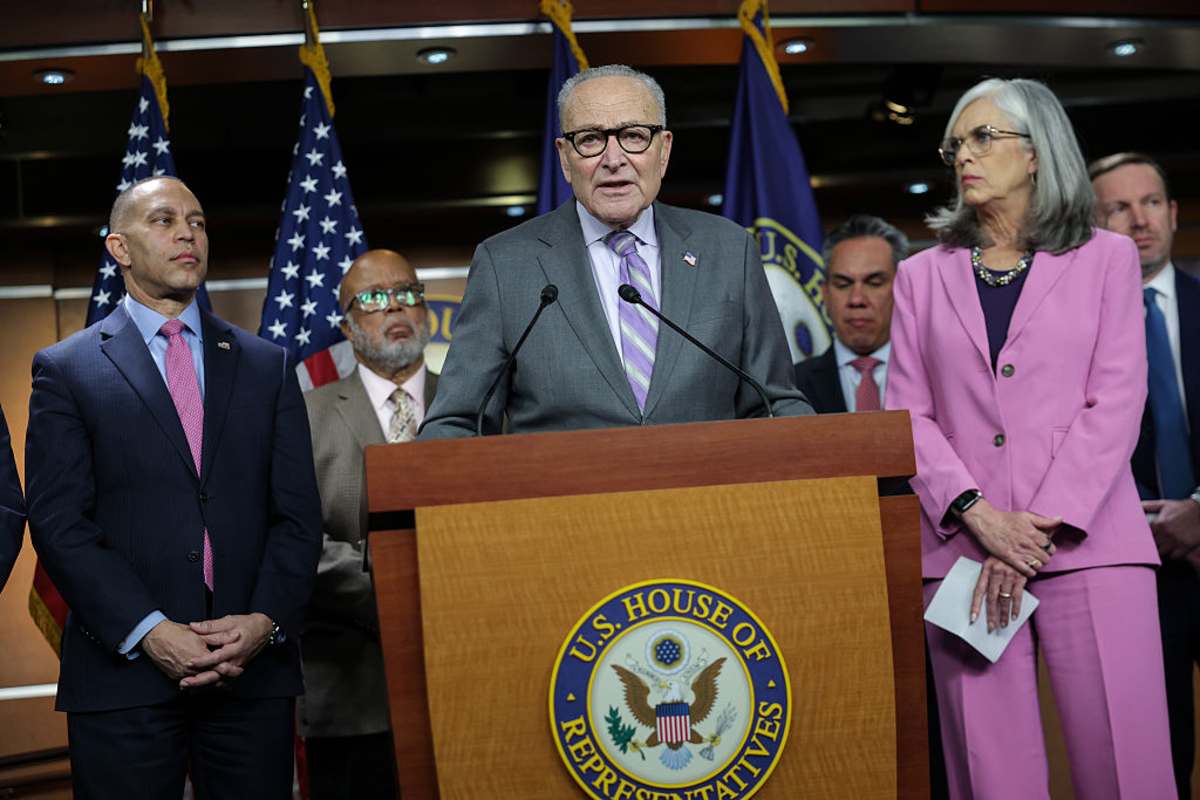
This sentiment was echoed by Representative Jim Himes (D-Conn), who noted that keeping Pulte in office collapses potential House Democratic support to single digits at best.
Opposition leaders are not alone in their resistance. A notable faction of mainstream Republicans has expressed deep discomfort with the appointment.
Senator Thom Tillis (R-NC) publicly labeled Pulte the worst form of sycophant, warning that his presence would actively damage the president's legacy.
Even Senator John Cornyn (R-Texas) observed that if the White House intends to salvage the spy program, removing Pulte appears to be the explicit price congressional critics will demand.
Weaponization accusations deepen gridlock
Beyond his lack of intelligence credentials, Pulte faces severe scrutiny over his recent administrative actions.
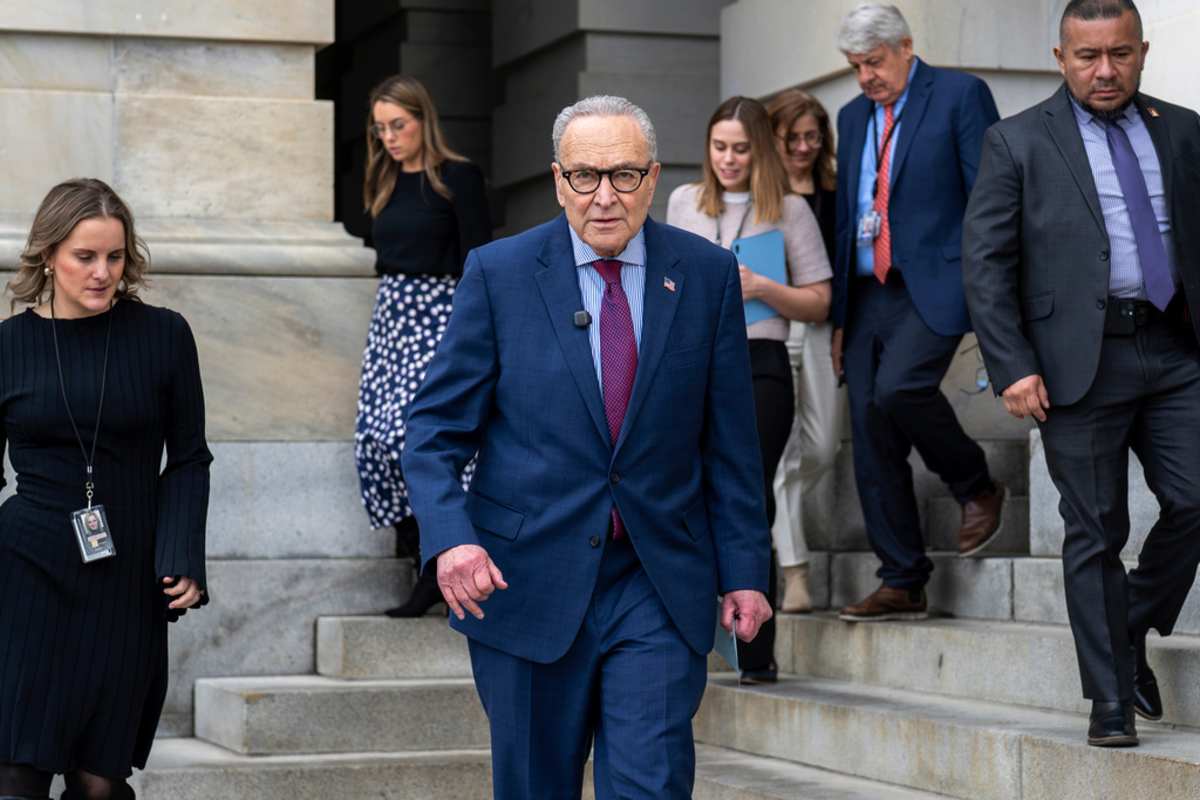
Senate Minority Leader Chuck Schumer (D-NY) slammed the acting director for utilizing his regulatory authority to punish the administration's political adversaries.
Records show Pulte has issued multiple criminal referrals to the Department of Justice alleging extensive mortgage fraud against high-profile Democrats.
His targets include New York Attorney General Letitia James, Senator Adam Schiff of California, former Representative Eric Swalwell, and Federal Reserve Governor Lisa Cook.
Lawmakers argue these aggressive, politically charged probes prove Pulte’s primary objective in Washington is enforcing partisan loyalty rather than maintaining objective national security oversight.
GOP leaders scramble for compromise
With the Friday expiration deadline fast approaching, House Speaker Mike Johnson met privately with President Trump on Tuesday, June 9, to negotiate a legislative solution.
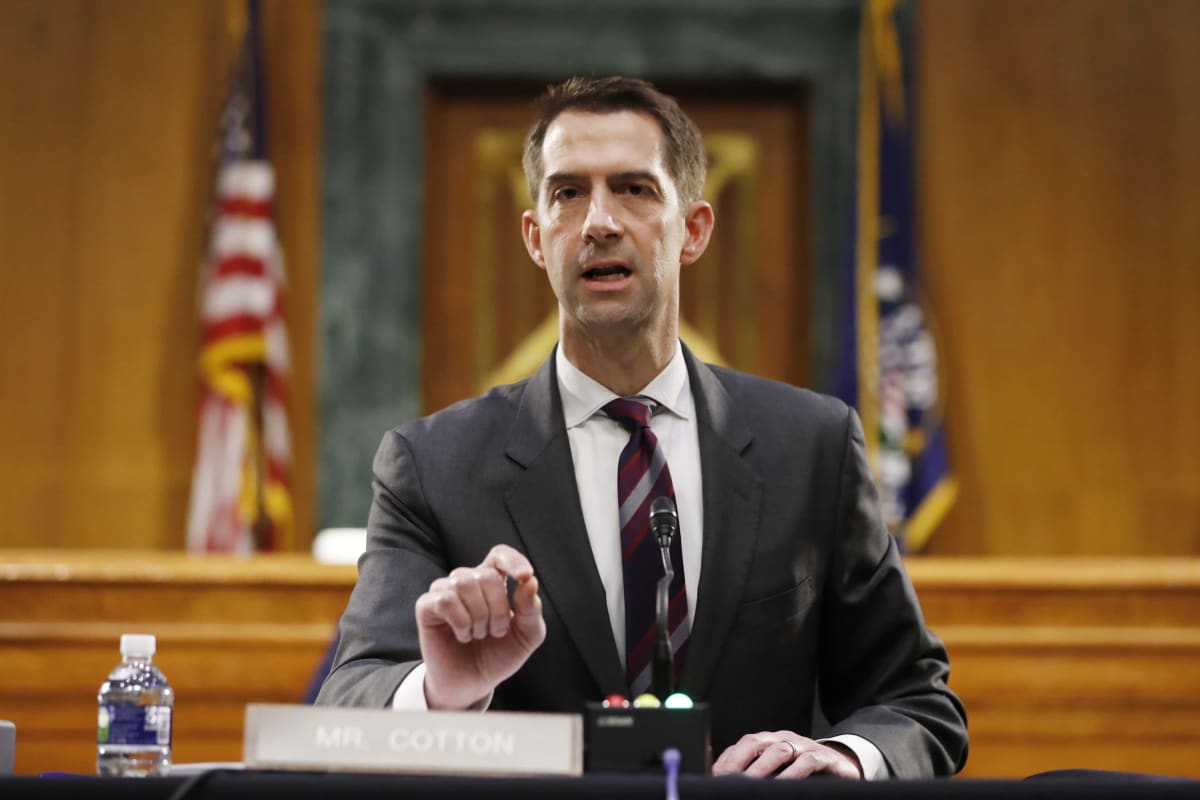
While Republican Senators Tom Cotton and Chuck Grassley previously designed a three-year compromise extension that looked set to capture nearly 70 Senate votes, that deal collapsed after Senate Democrats and seven Republicans voted against it due to an unrelated provision restricting the Federal Reserve.
As a fallback, Republican committee chairmen have requested that National Security Adviser Marco Rubio compile an emergency index of active intelligence targets that could be lost during a lapse.
They are urging the administration to draft an emergency executive order to temporarily mitigate the intelligence gap, even as Rubio warns that a full program shutdown would have dire impacts on global operations.