Marco Rubio details 3 phase US strategy for Venezuela during Senate briefing
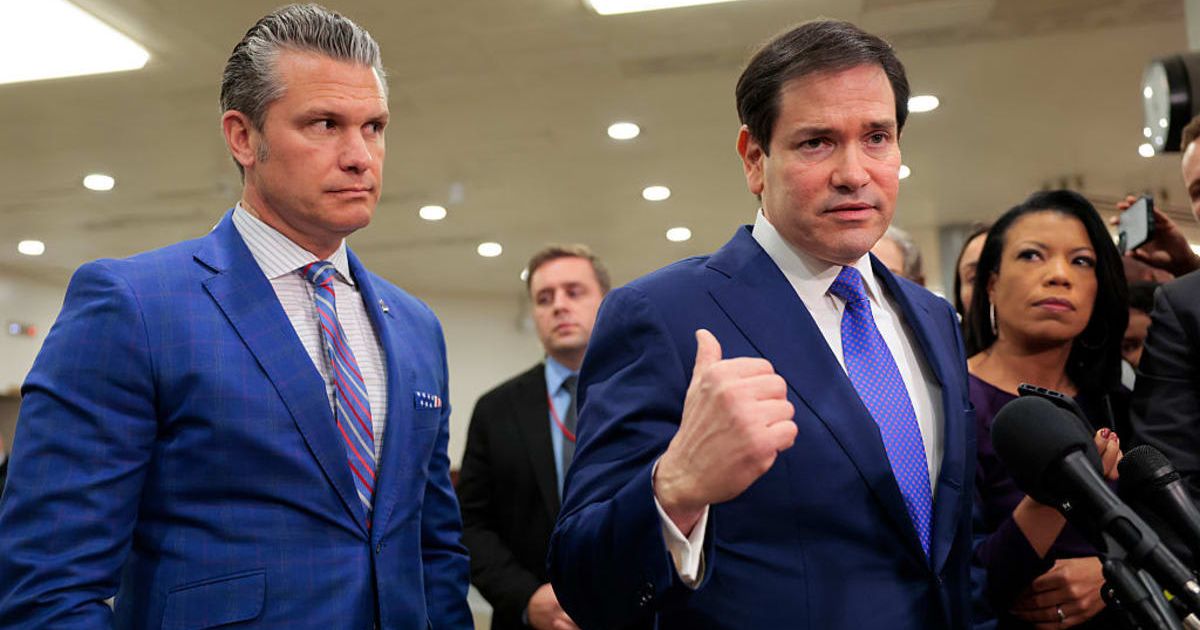
WASHINGTON, DC: Secretary of State Marco Rubio said on Wednesday, January 7, that he briefed senators on a three-step US approach to Venezuela, laying out a phased strategy aimed at restoring stability and guiding the country toward a political transition.
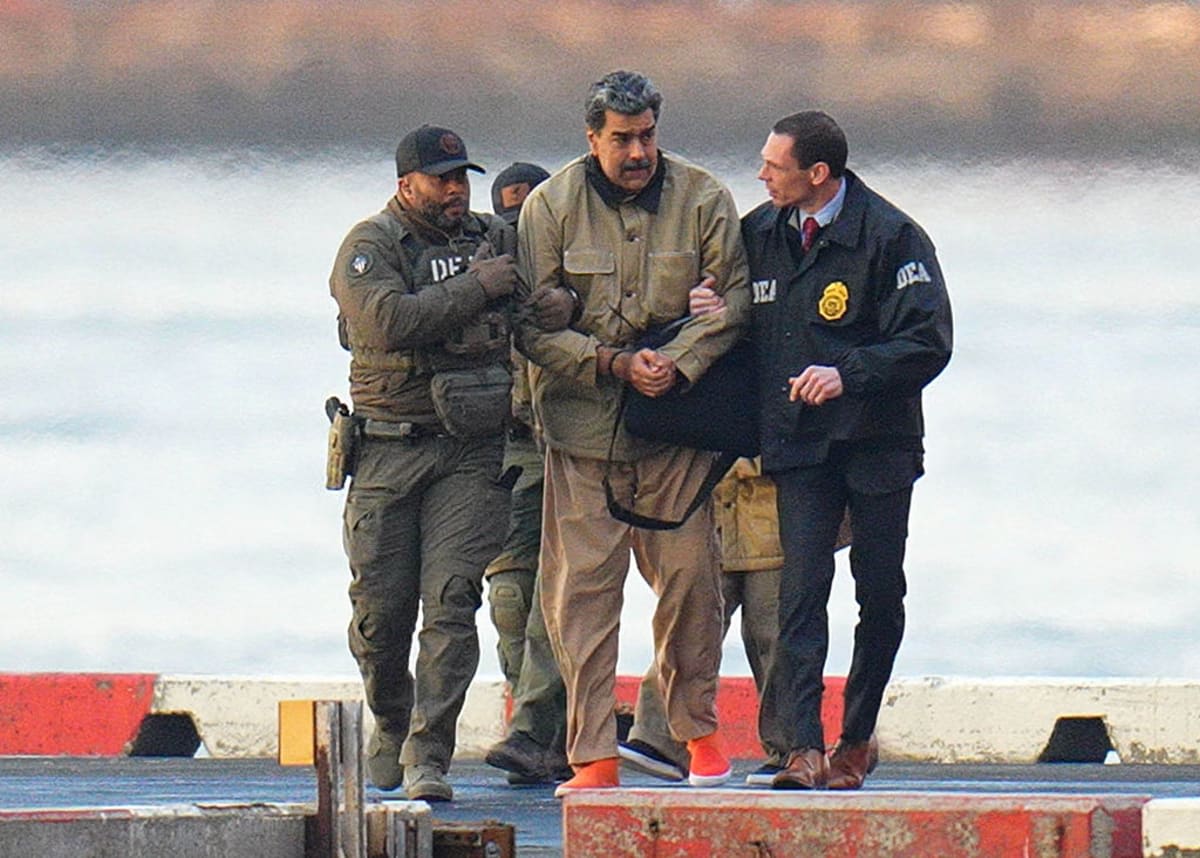
Speaking to reporters after the briefing on Capitol Hill, Rubio said that the administration believes it has a clear path forward following last weekend’s US operation that led to the removal of Venezuelan President Nicolas Maduro.
.@SecRubio on Venezuelan oil: "They are not generating any revenue from their oil right now. They can't move it unless we allow it to move because we have sanctions, because we're enforcing those sanctions. This is tremendous leverage. We are exercising it in a positive way." pic.twitter.com/q2Xr7OoHDV
— Rapid Response 47 (@RapidResponse47) January 7, 2026
Phase one: Stabilization and oil controls
According to Rubio, the first phase focuses on preventing instability inside Venezuela.
“Step one is the stabilization of the country. We don’t want it descending into chaos,” Rubio said, adding that the plan includes a “quarantine” of Venezuela’s oil resources.
Rubio pointed to President Donald Trump's newly announced proposal to sell between 30 million and 50 million barrels of Venezuelan oil at market prices. The proceeds from those sales, he said, would be tightly controlled by the United States.
“The money from that sale of oil will then be handled in such a way that we will control how it is dispersed in a way that benefits the Venezuelan people,” Rubio said.
Phase Two: Economic recovery and political reconciliation
The second phase, Rubio said, centers on recovery and reentry into global markets.
“That is ensuring that American, Western and other companies have access to the Venezuelan market in a way that’s fair,” he said.
Rubio added that this stage would also involve engagement with Venezuelan authorities to ensure political reconciliation, including guarantees that opposition figures are released or granted amnesty.
The comments come amid growing concern among Venezuelan opposition leaders, many of whom are in exile as Delcy Rodríguez, Maduro’s vice president, has been serving as interim president since Saturday.
Phase three: Political transition of Venezuela
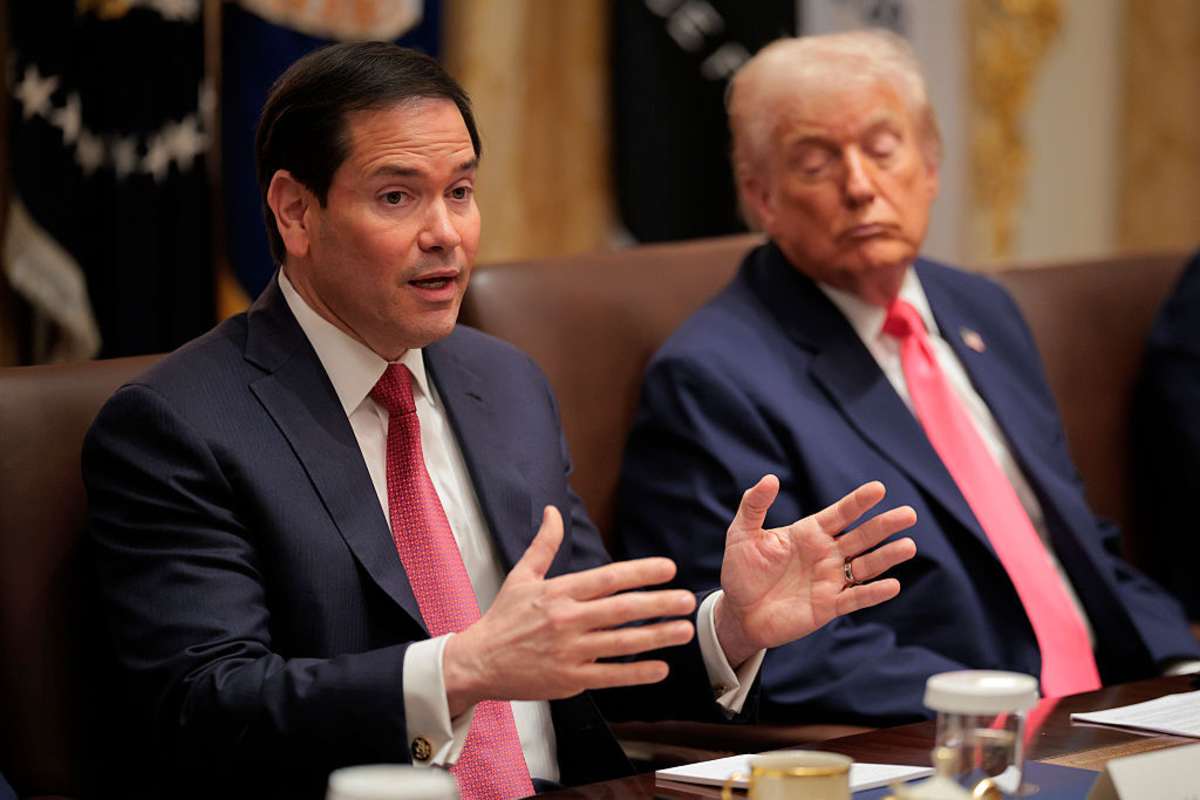
“The third phase, of course, will be one of transition,” Rubio said, expressing confidence that the administration’s approach would lead to positive outcomes. “We feel like we’ll be moving forward here in a very positive way,” he added.
Following the briefing, Senate Minority Leader Chuck Schumer (D-NY) and Sen Tim Kaine (D-Va) called on Republican leadership in both chambers to hold public hearings on the Trump administration’s actions in Venezuela.
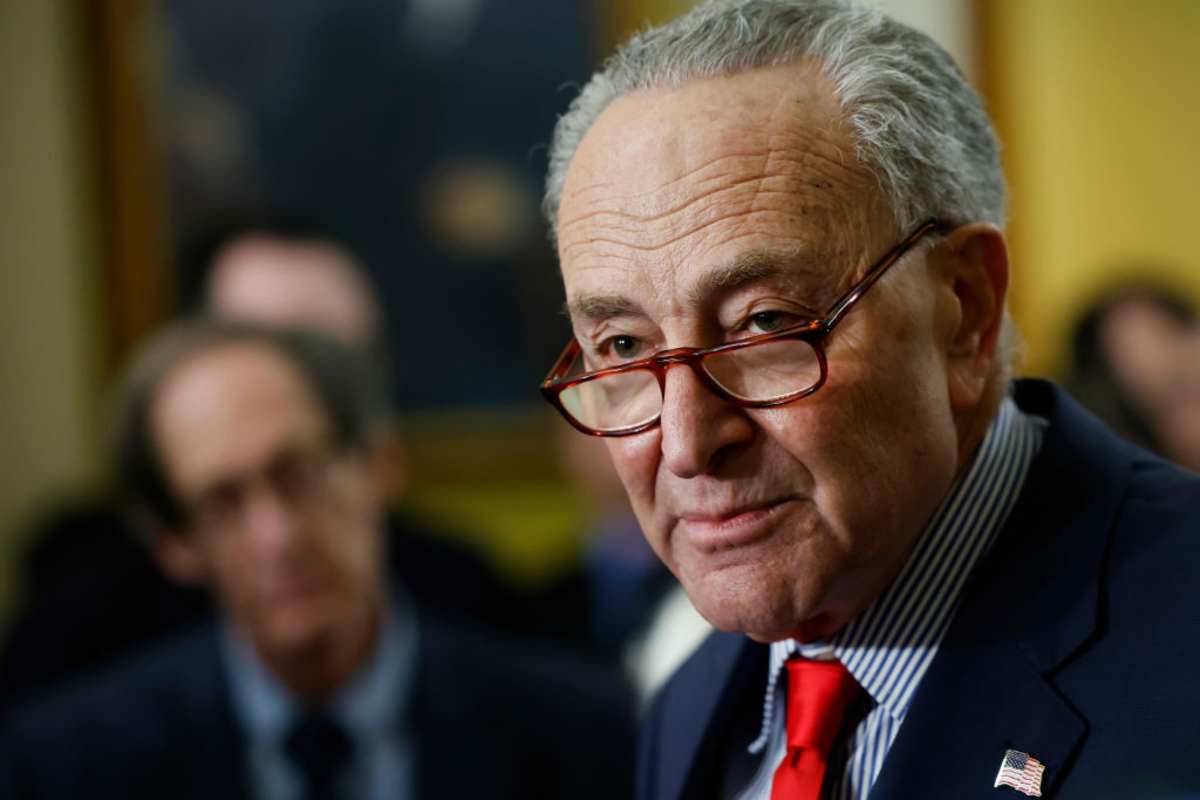
“The American people need answers,” Schumer said, criticizing the administration for limiting briefings to closed-door sessions.
“Neither the House nor the Senate have been willing to hold a hearing. Why not?” Kaine asked.
Schumer said he was “totally dissatisfied” with the administration’s answers on key issues, including the possibility of future operations in other countries, succession planning in Venezuela and whether the US might attempt to take control of Greenland.