Marco Rubio warns court order 'risks diplomacy' as more than 100 Venezuelans remain unlocated
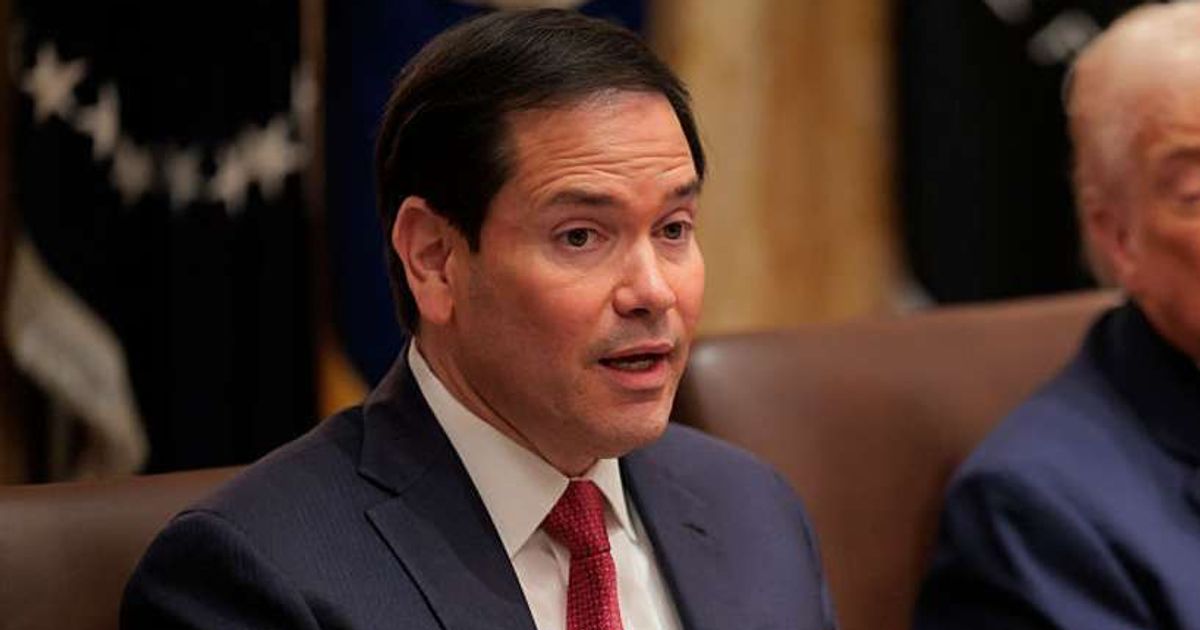
WASHINGTON, DC: Secretary of State Marco Rubio told a federal judge that he is unable to locate more than 100 Venezuelans the Trump administration previously sent to be imprisoned in El Salvador. He warned that forcing further court proceedings could blow up what he called “extraordinarily delicate” diplomacy with Venezuela’s new leadership.
In a declaration filed Monday night, Rubio pushed back after the Trump administration was ordered to facilitate the return of the men. Those Venezuelans have since been released to Venezuela as part of a July prisoner exchange, complicating the court’s directive and setting up a rare standoff between the State Department and the judiciary.
Rubio’s filing argues that the government cannot comply with the court’s order because it no longer knows where the men are and because reopening the matter could cause serious harm to US foreign policy interests.
The courtroom battle dates back to a December ruling by District Court Judge James Boasberg, who criticized the government’s handling of the deportations. Boasberg noted that before the men were flown out of the country, a court hearing was underway challenging their removal, and they had sought a court order to block their deportation.
According to the judge, the government had “secretly spirited away” the men, cutting off their right to due process and denying them the opportunity to argue why they should be allowed to remain in the United States. That included the chance to seek asylum and to contest allegations that they were members of a violent criminal gang.
Marco Rubio warns court action could harm Venezuela talks
In his declaration, Rubio argued that the administration’s hands are tied by ongoing negotiations with Venezuela’s interim leadership following the removal of longtime leader Nicolas Maduro.
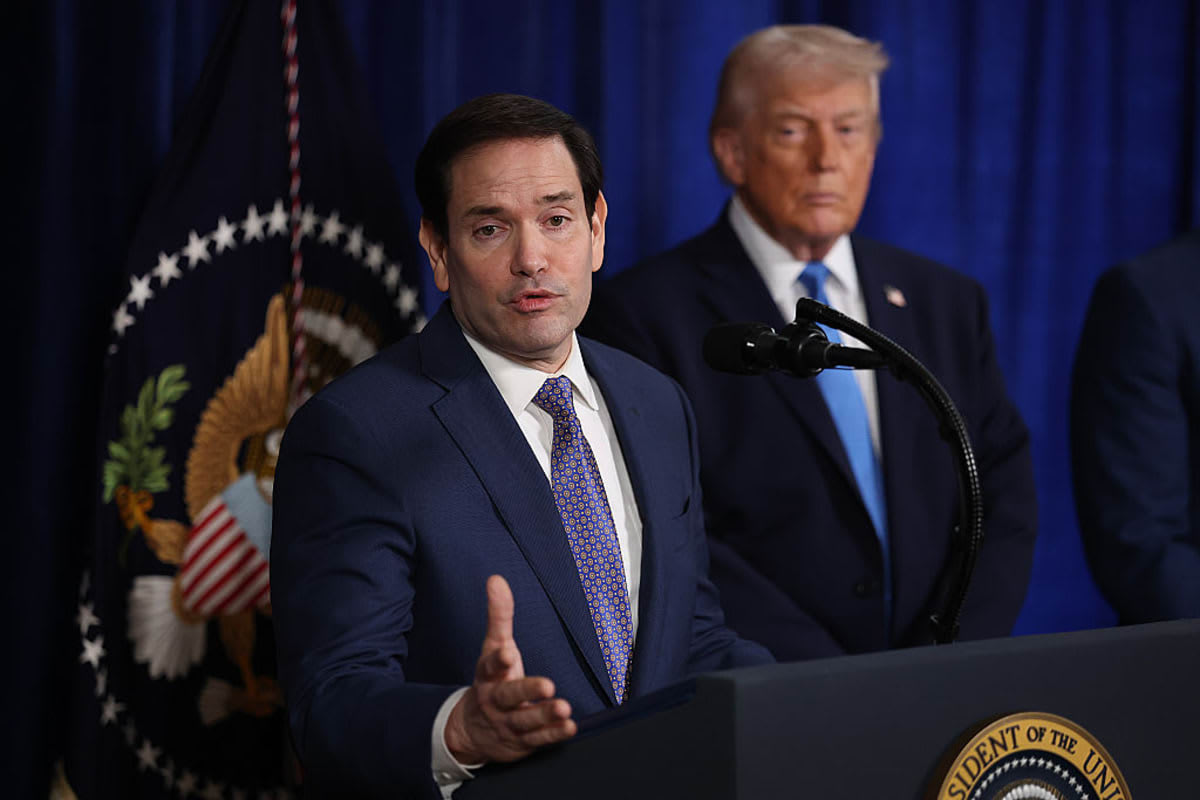
“The United States remains involved to see changes in Venezuela that are beneficial to the United States and that it also expects will be beneficial for the people of Venezuela, who have suffered tremendously. These efforts entail ongoing, intensive, and extraordinarily delicate engagement with elements within the regime of Maduro’s successor, so-called Acting President Delcy Rodriguez,” Rubio wrote.

Rubio warned that compelling hearings involving the deported Venezuelans would put those efforts at risk, saying any such proceedings “would risk material damage to US foreign policy interests in Venezuela."
He also said the Trump administration does not know where the men are now and has no practical way of finding out.
“We understood at the time that the regime released these individuals. Given the passage of time, the government does not know, nor does it have any way of knowing, the whereabouts of class members, including whether anyone has departed Venezuela or whether the regime subsequently took anyone back into custody,” he wrote.
The secretary also pointed to instability inside Venezuela following the ouster of Maduro. “In the wake of this operation, the situation in Venezuela remains fluid,” Rubio wrote.
Alien Enemies Act dispute fuels deportation battle
The men were removed from the United States after the Trump administration invoked the Alien Enemies Act, claiming the Venezuelans were members of the Tren de Aragua gang.
According to court findings, the men were not given an opportunity to contest that alleged affiliation before being deported. Several courts later concluded that the removals were unlawful, determining that the Alien Enemies Act does not erase due process rights for individuals who wish to dispute claims of gang membership.
In his December ruling, Boasberg made clear that simply declaring the deportations illegal was not enough without meaningful relief.

“The Court finds that the only remedy that would give effect to its granting of Plaintiffs’ Motion would be to order the Government to undo the effects of their unlawful removal by facilitating a meaningful opportunity to contest their designation and the Proclamation’s validity. Otherwise, a finding of unlawful removal would be meaningless for Plaintiffs, who have already been sent back to Venezuela against their wishes and without due process,” Boasberg wrote.
Boasberg also warned about the broader implications of the government’s actions, saying that allowing such removals to stand would hollow out basic constitutional protections.
“Expedited removal cannot be allowed to render this relief toothless. If secretly spiriting individuals to another country were enough to neuter the Great Writ, then ‘the Government could snatch anyone off the street, turn him over to a foreign country, and then effectively foreclose any corrective course of action,'” he added.