Matthew Perry’s former assistant says he couldn’t say ‘no’ to actor’s addiction, seeks leniency
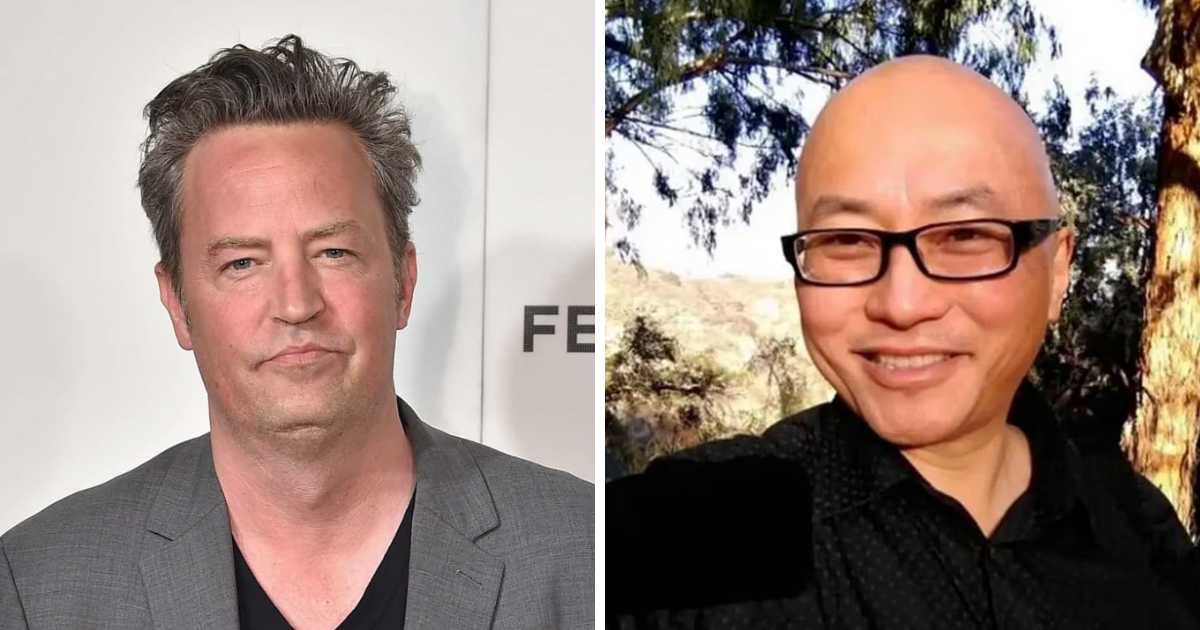
LOS ANGELES, CALIFORNIA: Matthew Perry’s former live-in assistant, Kenneth Iwamasa, said he became trapped in a complicated relationship dynamic with the late actor as his legal team pushed for leniency ahead of sentencing.
Iwamasa’s attorneys argued that his role in the ketamine case surrounding Perry’s death was shaped by years of working closely with the actor and struggling to push back against his demands during his addiction battle.
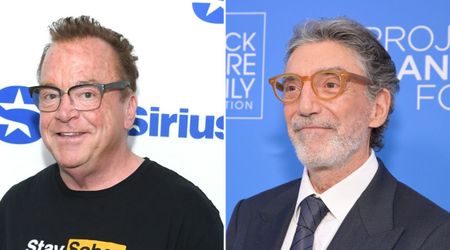
He was arrested and charged in connection with Matthew’s death alongside Dr. Salvador Plasencia, Dr. Mark Chavez, Jasveen Sangha, also known as 'The Ketamine Queen' and Erik Fleming in August 2024. Matthew died at the age of 54 after being found unresponsive in a hot tub on October 28, 2023.

Kenneth Iwamasa says relationship with Matthew Perry shaped his actions
The prosecutors acknowledged that Iwamasa might argue he was simply following instructions and “lacked the discretion required to merit the enhancement,” but maintained that position was incorrect. They argued that the enhancement applies to individuals whose trusted roles significantly contributed to “facilitating the commission or concealment of the offense.”
To support their argument, prosecutors referenced other cases involving wrongdoing by individuals in trusted positions, including an administrative assistant and a babysitter. In Iwamasa’s response to the sentencing memorandum, his attorney argued that the prosecutors’ interpretation of the enhancement did not “naturally fit” his relationship with Matthew.
The attorney maintained that he was an employee who “acted at all relevant times at the victim’s direction rather than pursuant to his own discretion.”
His attorney further argued that the cases prosecutors cited were not “comparable.” The response additionally claimed that the prosecutors’ statement that Iwamasa could have “simply said ‘no’” to Matthew’s requests for ketamine “completely elides [the] defendant’s particular vulnerability to the relationship dynamic which he fell into with the victim.”
The filing also stated that prosecutors ignored the “substantial mitigating information” regarding his “mental state, motive, and intent,” arguing that it directly contradicted the claim that Iwamasa “was uncaring or intentionally put the victim at risk.”
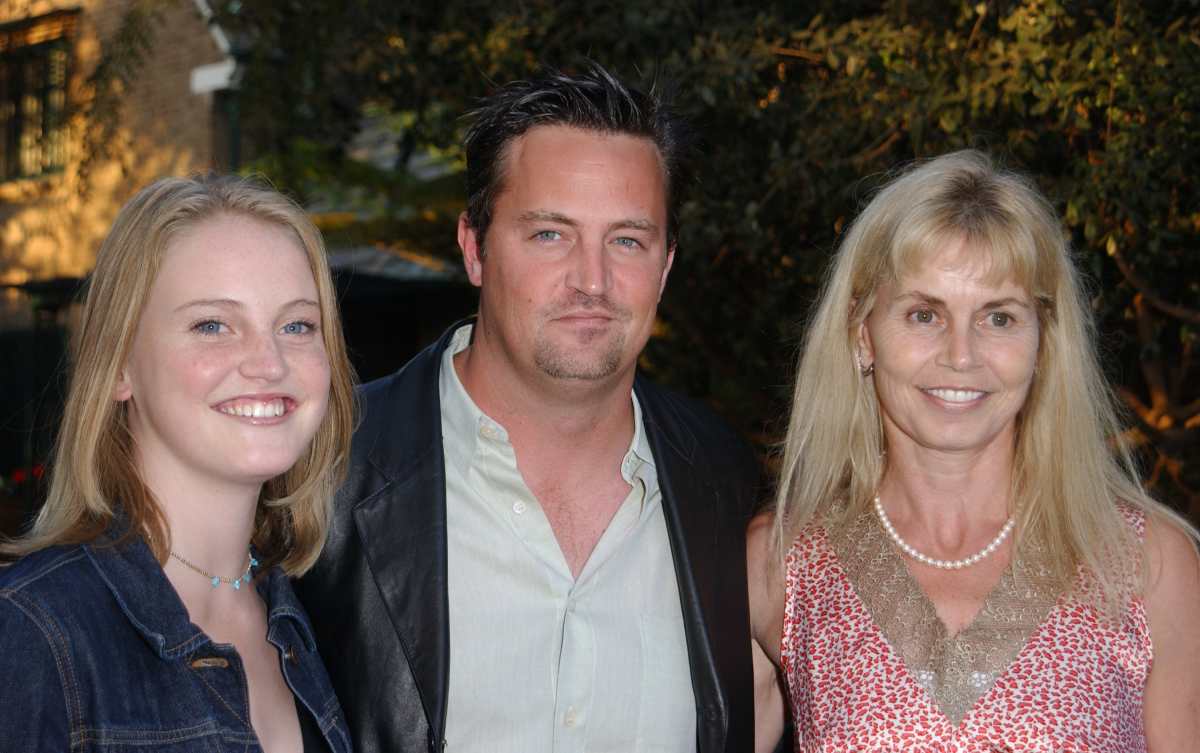
Prosecutors accuse Kenneth Iwamasa of enabling Matthew Perry’s ketamine use
According to the Department of Justice, Iwamasa plotted with Plasencia, Sangha, and Fleming to illegally obtain ketamine. He also pleaded guilty to one count of conspiracy to distribute ketamine causing death under a plea agreement.
He admitted to “repeatedly” injecting Matthew with ketamine, including multiple times on the day of the actor’s death, which was later determined to have been caused by the “acute effects of ketamine.” His sentencing is scheduled for Wednesday, May 27.
On May 21, he addressed the prosecutors’ sentencing memorandum, which had been filed on May 13 outlining their sentencing position and reasoning. In the memorandum, prosecutors requested a 41-month sentence followed by three years’ supervised release, a fine of $10,000, and a mandatory special assessment of $100.
Prosecutors argued that Iwamasa was fully aware of Matthew’s addiction after serving as his assistant for years. They stated that Iwamasa conspired with others in obtaining and distributing ketamine and continued administering the dose despite knowing it was unsafe for the actor.
They also alleged that he hid evidence and concealed his involvement from police until search warrants were executed. The filing further claimed that he “abused a position of private trust,” stating that he lived with Matthew, had 24/7 access to him, and oversaw his medical care.
Prosecutors added that Iwamasa “could have simply said ‘no’ when he asked for another ketamine injection.” They also stated that he could have sought help for him and alerted his family.