Mike Johnson ‘confident’ government shutdown will end soon as he rejects Democratic demands
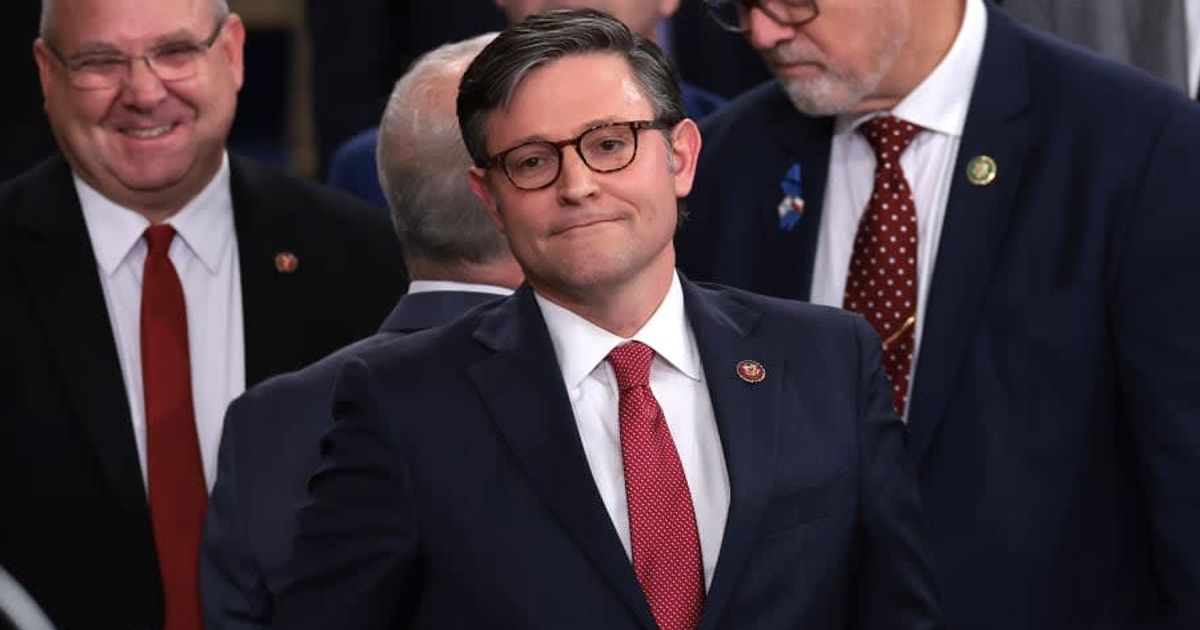
WASHINGTON, DC: House Speaker Mike Johnson said the ongoing partial government shutdown will end sooner rather than later.
Johnson (R-La) said he is “confident” the shutdown will end by Tuesday, February 3, even as Democrats refuse to guarantee the votes needed to reopen the government and procedural hurdles pile up on Capitol Hill.
“Let’s say I’m confident that we’ll do it at least by Tuesday,” Johnson told NBC’s 'Meet the Press' on Sunday.
The shutdown began at 12:01 am Saturday after Senate Democrats abruptly walked away from a bipartisan funding agreement, insisting on changes to Immigration and Customs Enforcement policies. The move upended what had been a fragile deal to keep the government running.
After Democrats caused the longest shutdown in U.S. history last year, Republicans are not going to let them put the American people through that chaos again.
— Speaker Mike Johnson (@SpeakerJohnson) February 1, 2026
We’re funding the government the right way — through regular order. Committees have done the work, 11 of 12… pic.twitter.com/fQVgfG0Wde
“No one wanted to put that pain on the American people again. The Democrats forced it. We were insistent that we would not allow that to happen,” Johnson said. “…Republicans are going to do the responsible thing.”
He stressed that the current standoff is nothing like last year’s record-breaking 43-day shutdown, when both parties remained entrenched for weeks with no clear path forward.
Border dispute stalls shutdown-ending funding deal
The House last month passed six funding bills designed to keep the government open through the end of the fiscal year. Senate Democrats rejected the package following the January 24 Border Patrol shooting of Alex Pretti, 37, in Minneapolis.
Negotiators later reached a stopgap compromise. Five of the six bills would move forward, while the sixth, covering the Department of Homeland Security, would be placed on a two-week autopilot to allow more time for talks.
However, the plan hit a snag when the House was out of Washington on recess last week, leaving lawmakers unable to pass the new $1.2 trillion deal. Congress has already approved six of the required 12 appropriations bills, forcing agencies not covered by those measures to shut down operations.
Senate Minority Leader Chuck Schumer (D-NY) has pushed for sweeping changes tied to immigration enforcement, including tighter rules on warrants, an end to roving patrols, increased “accountability” for officers, mandatory body cameras, and requirements that agents remove masks and display identification.
Republican House Speaker Mike Johnson slams Democrats for wanting to dox ICE officers:
— RNC Research (@RNCResearch) February 1, 2026
"Tom Homan told Leader Schumer himself... I have to protect my officers and when you have people doxing them and targeting them, of course we don't want their personal identification out… pic.twitter.com/iW1OIMG0bs
Johnson said some of those demands cross a red line. He described a conversation between border czar Tom Homan and Schumer, saying the mask and ID requirements were nonstarters. “Those two things are conditions that would create further danger,” Johnson told “Fox News Sunday.”
At the same time, he acknowledged that not all Democratic proposals were being dismissed outright. “Some of these conditions and requests that they’ve made are obviously reasonable and should happen. But others are going to require a lot more negotiation,” Johnson said on 'Meet the Press.'
President Donald Trump has already begun tweaking federal enforcement efforts in Minnesota under Operation Metro Surge, appointing Homan as the point person and signaling that federal personnel there may soon be scaled back.
GOP struggles to secure votes to reopen government
Even with those concessions, Democrats are still not committing to helping reopen the government.
House Minority Leader Hakeem Jeffries (D-NY) privately told Johnson that he could not guarantee Democratic support for the compromise funding deal. Publicly, Jeffries has remained noncommittal.
Republicans are especially worried that Democrats will refuse to fast-track the bill using a procedure known as suspension of the rules, which requires a two-thirds vote. With a slim GOP majority and expected Republican defections, Johnson would need dozens of Democratic votes to make that work.
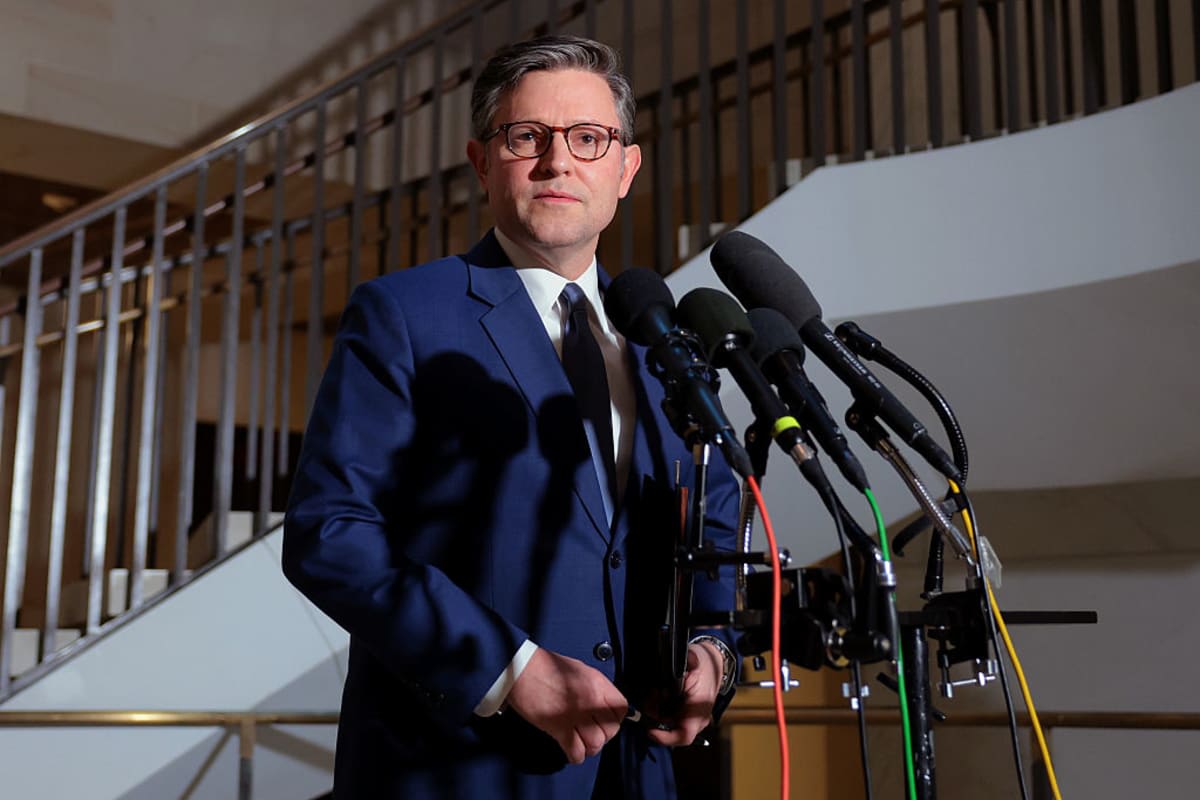
That outcome appears unlikely. As a result, Johnson is preparing to use the slower, traditional legislative route by pushing the package through the House Rules Committee before bringing it to the floor. The Rules Committee is scheduled to take up the funding deal on Monday.
“We have a logistical challenge of getting everyone in town, and because of the conversation I had with Hakeem Jeffries,” Johnson said. “I know that we’ve got to pass a rule and probably do this mostly on our own. I think that’s very unfortunate.”