Nick Reiner’s insanity plea faces steep challenges after parents’ deaths
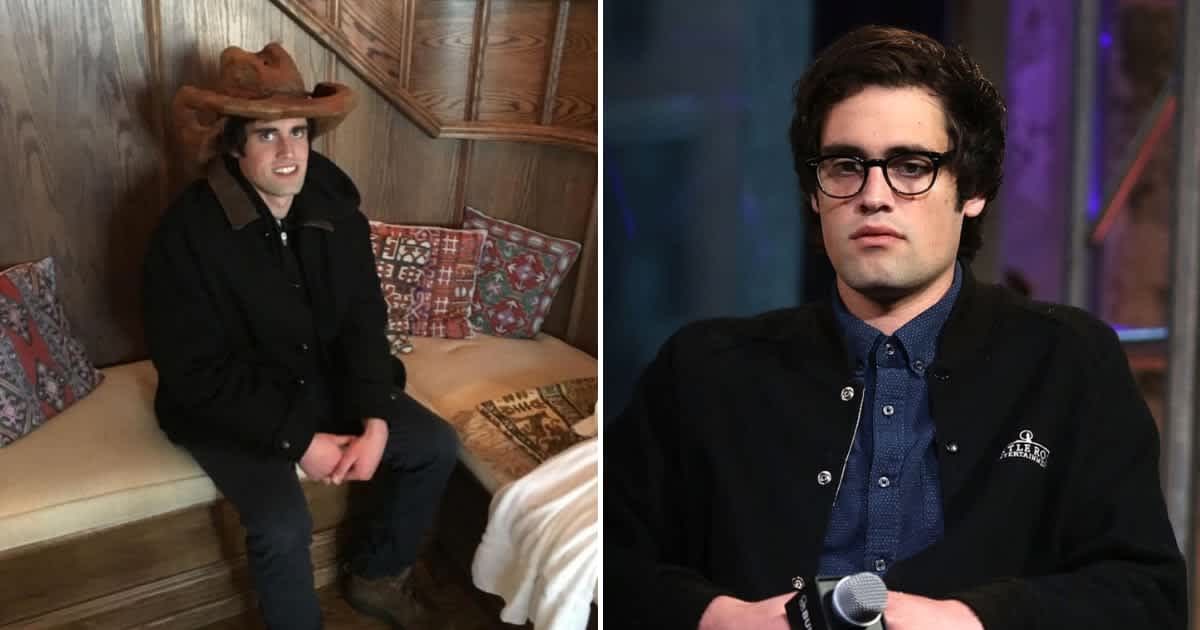
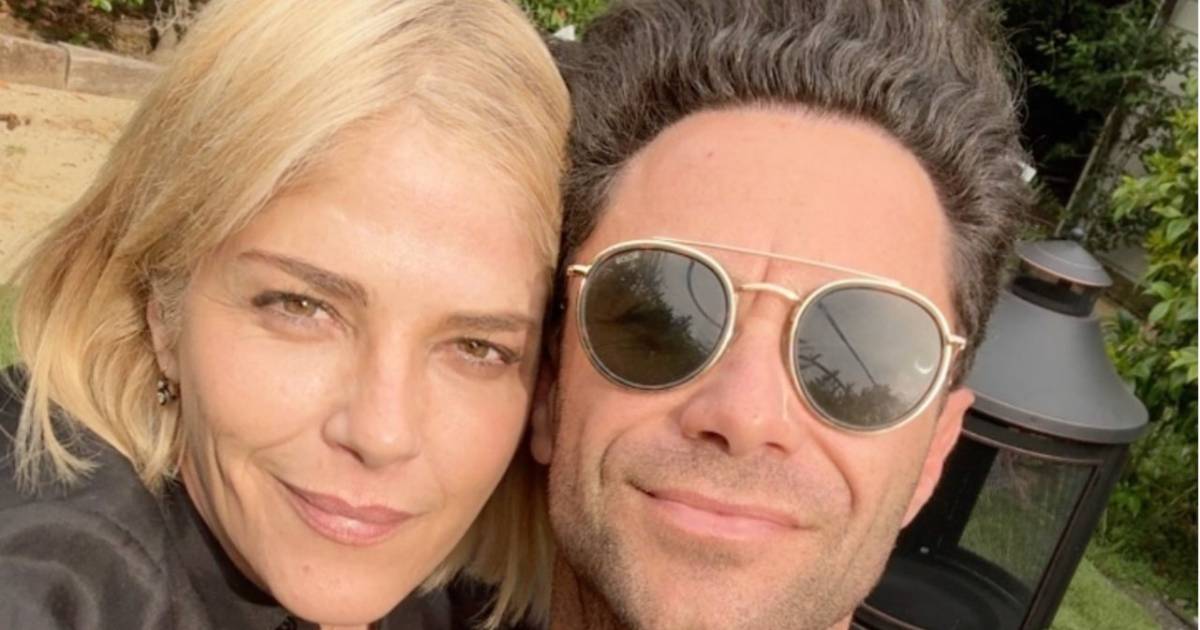
BRENTWOOD, LOS ANGELES: Nick Reiner has been charged with two counts of first-degree murder following the deaths of his parents, Rob and Michele Reiner, who were found dead in their Los Angeles home earlier this month.
As the case proceeds through the California court system, questions have emerged over whether Reiner could attempt to plead insanity.
Legal experts say that such a defense is rarely successful and would face significant challenges based on the circumstances outlined so far.
While no plea has yet been entered, attorneys not connected to the case have weighed in on what an insanity defense would require and why it is often rejected by juries.

Legal threshold for an insanity plea
Legal experts emphasize that pleading insanity in California involves a very narrow and demanding legal standard.
Neama Rahmani of California’s West Coast Trial Lawyers, who is not affiliated with the Reiner case, in an interview with People magazine, said that the burden on the defense is substantial.
“To be found not guilty by reason of insanity, that is a very difficult legal hurdle to overcome in California,” Rahmani said.

“You have to prove, between disease or defect, that the defendant does not know the nature and consequences of his actions. Essentially, you have to show that the defendant doesn't know right from wrong," Rahmani added.
He also said that juries are typically skeptical of this defense. “Jurors almost always reject this defense,” he stated. “It only works a very small percentage of the time.”
According to Rahmani, the structure of criminal proceedings also works against insanity pleas.
He explained that prosecutors must first establish guilt, while the defense often argues alternative explanations such as self-defense.

“In the second phase, the burden's on the defense,” Rahmani said, noting that attorneys must then argue that the defendant committed the act but was legally insane at the time.
“Then they turn around and say, ‘Oh, you know what? He actually did it, but he was insane.’ So jurors don't like it, and it's rarely, if ever, effective.”
Case details and Nick Reiner's mental health
Nick Reiner is being held without bail at the Twin Towers Correctional Facility, according to a police source.
If convicted, he faces a maximum sentence of life in prison without parole or the death penalty.

Rahmani acknowledged that mental health could still factor into the case, citing the reports indicating that Nick was receiving treatment for schizophrenia at the time of the deaths.
“First-degree murder requires premeditation,” Rahmani said. “There is a possibility that the defense may use the schizophrenia to argue that there's no premeditation. That would knock first degree murder down to second degree.”

Nick Reiner made his first court appearance on December 17. His attorney, Alan Jackson, declined to enter a plea at that time. His arraignment is scheduled to continue on January 7.